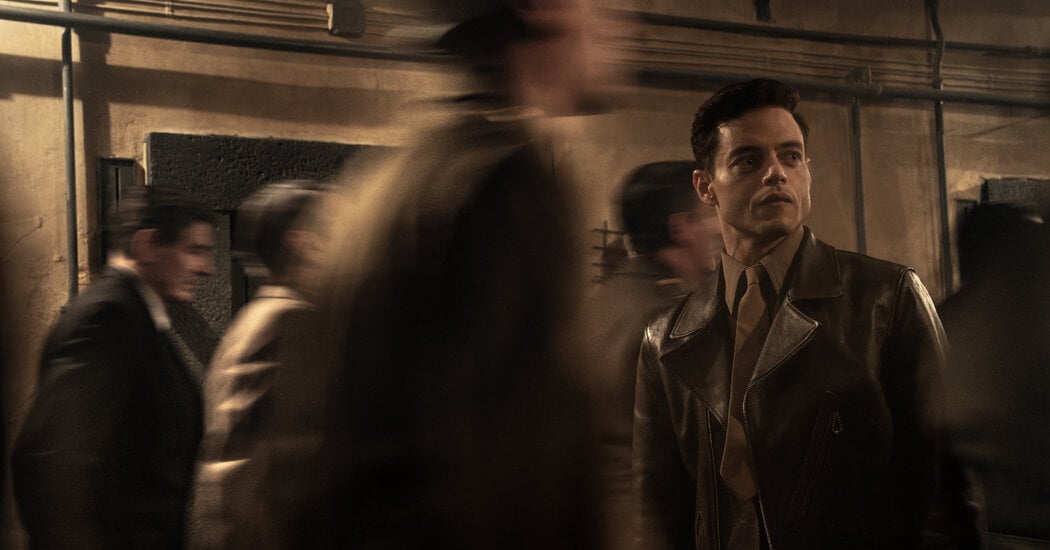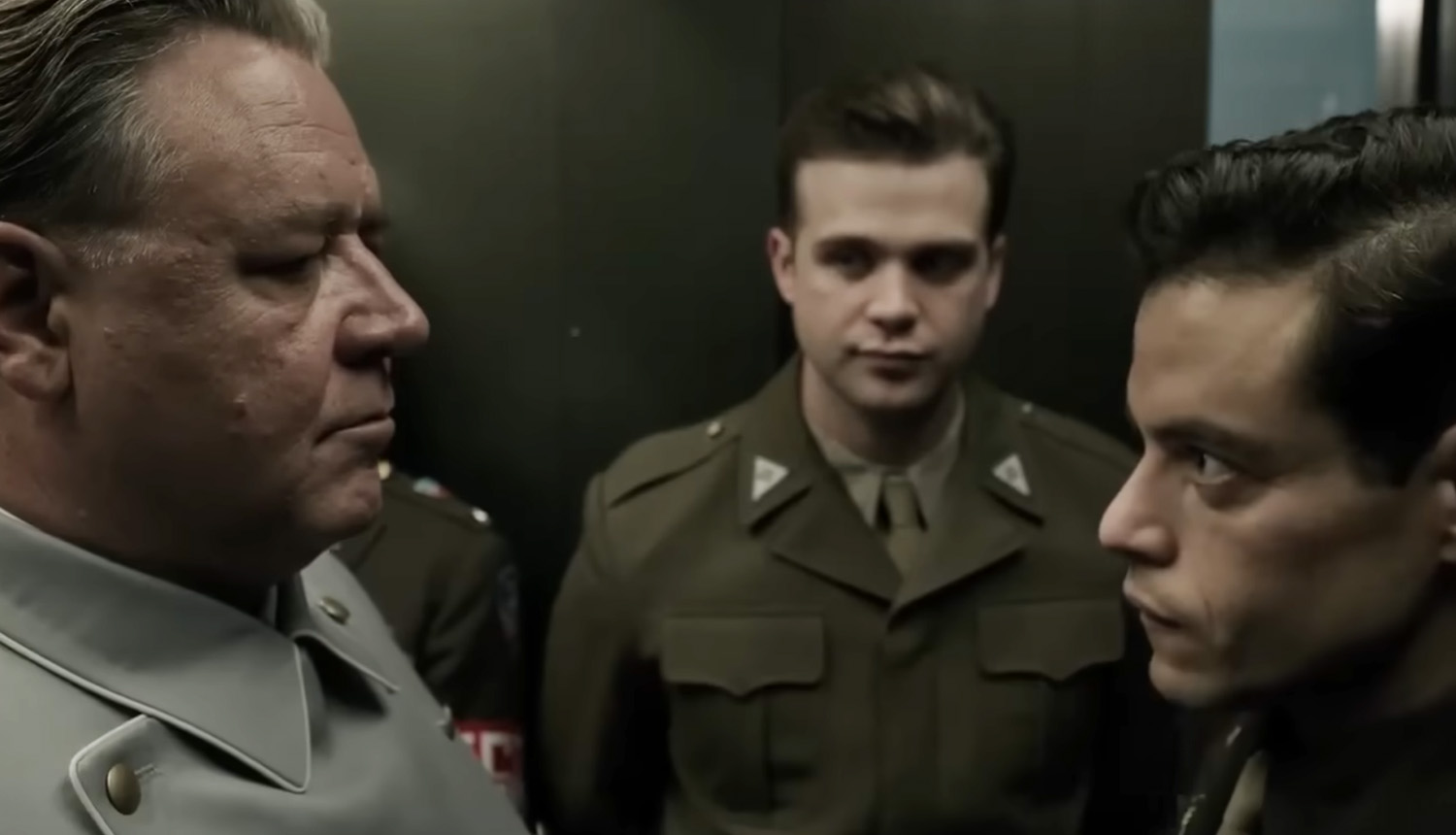
The article reviews the film 'Nuremberg,' which depicts the aftermath of WWII, focusing on the capture of Hermann Göring and the historic Nuremberg trials, exploring themes of justice, human nature, and morality through the interactions of key characters, while also addressing the horrors of the Holocaust and the moral dilemmas faced by those involved.
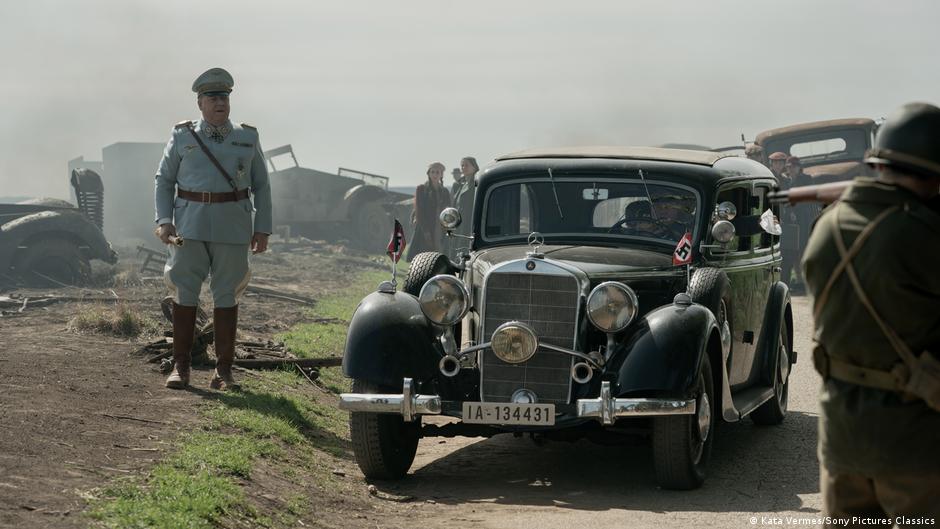
The film 'Nuremberg' directed by James Vanderbilt, starring Russell Crowe and Rami Malek, offers a glossy, polished portrayal of the Nazi leaders' trial, focusing on psychological interviews rather than courtroom drama. While it features strong performances and high production values, it is criticized for its superficial treatment of the horrors and moral questions surrounding the trials, ultimately lacking the depth and reckoning of previous works like 'Judgment at Nuremberg.' The film underscores the ongoing relevance of justice and accountability but falls short of confronting the true horror and complexity of evil.
The film 'Nuremberg' explores the Nazi war crimes trials through the perspective of psychiatrist Douglas Kelley, revealing that Nazis were not mentally different from others and highlighting the moral and psychological complexities faced during the trials, though it is criticized for its reliance on exposition and contrived storytelling.