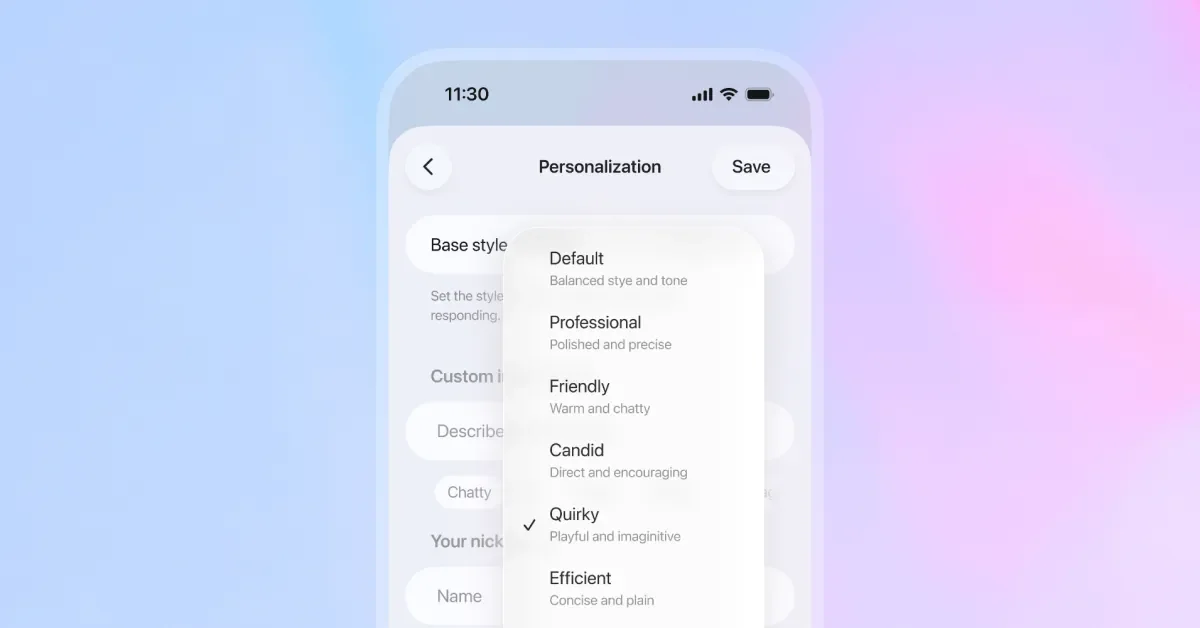
OpenAI has released GPT-5.1, an upgraded version of GPT-5 for ChatGPT, featuring warmer, more intelligent responses, improved instruction-following, and faster reasoning. The update enhances communication style and control options, rolling out to paid users first, with broader availability expected soon. Apple will also incorporate GPT-5 into Siri with iOS 26, with GPT-5.1 likely to follow in future updates.
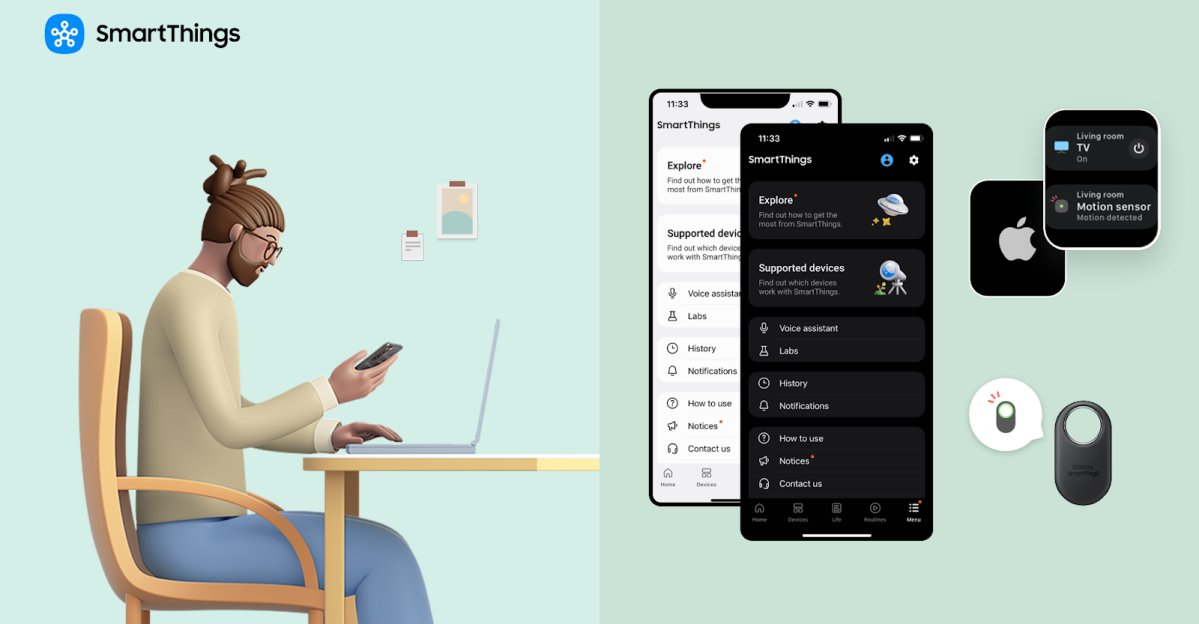
Samsung's SmartThings platform is getting new features including natural language routines, scheduling options, and enhanced app controls, aimed at simplifying home automation. These updates include a Routine Creation Assistant that allows users to create automations via simple phrases, new scheduling features, and improved app controls on Apple Watch. Additionally, Samsung is expanding its Virtual Home feature, enhancing its Find service, and broadening device setup in more countries, making smart home management more accessible and user-friendly.
Internal prompts between OpenAI's DALL-E image generator and ChatGPT AI assistant have revealed that future programming and communication with AI may involve human-like techniques, including using all-caps for emphasis. The prompts provide insight into the natural language interface between the two models, highlighting the shift from specialized data formats to conventional English in cross-program interaction. Politeness and emphasis in prompts have been found to yield better outputs from language models, suggesting that polite conversations may be more constructive and useful. The use of all-caps in prompts is likely due to the large amount of training data that includes examples of text using capitalization for emphasis.
SAP and Microsoft will collaborate on generative AI projects in personnel recruiting by integrating SAP's SuccessFactors solutions with Microsoft's 365 Copilot and Azure OpenAI Service to access language models and generate natural language. SAP's CEO Christian Klein expressed excitement about the opportunities generative AI presents for the industry and customers.
Google has removed most waitlist restrictions and made its generative AI chatbot, Bard, widely available in English across 180 countries and territories. The company plans to expand to the top 40 languages soon and is adding multimodal content to Bard, allowing it to deliver answers in more than just text. Bard is an experiment that will answer questions in natural language, and Google is being responsible about its development.
Prompt engineering is becoming a specialized skill in getting more interesting and useful results out of ChatGPT. By setting limits, specifying the audience, and using follow-up prompts, ChatGPT can produce responses in tabular form, in the style of your favorite author, and with restrictions to work inside. These techniques can help generate multiple outputs along the same theme and produce output in all kinds of styles.
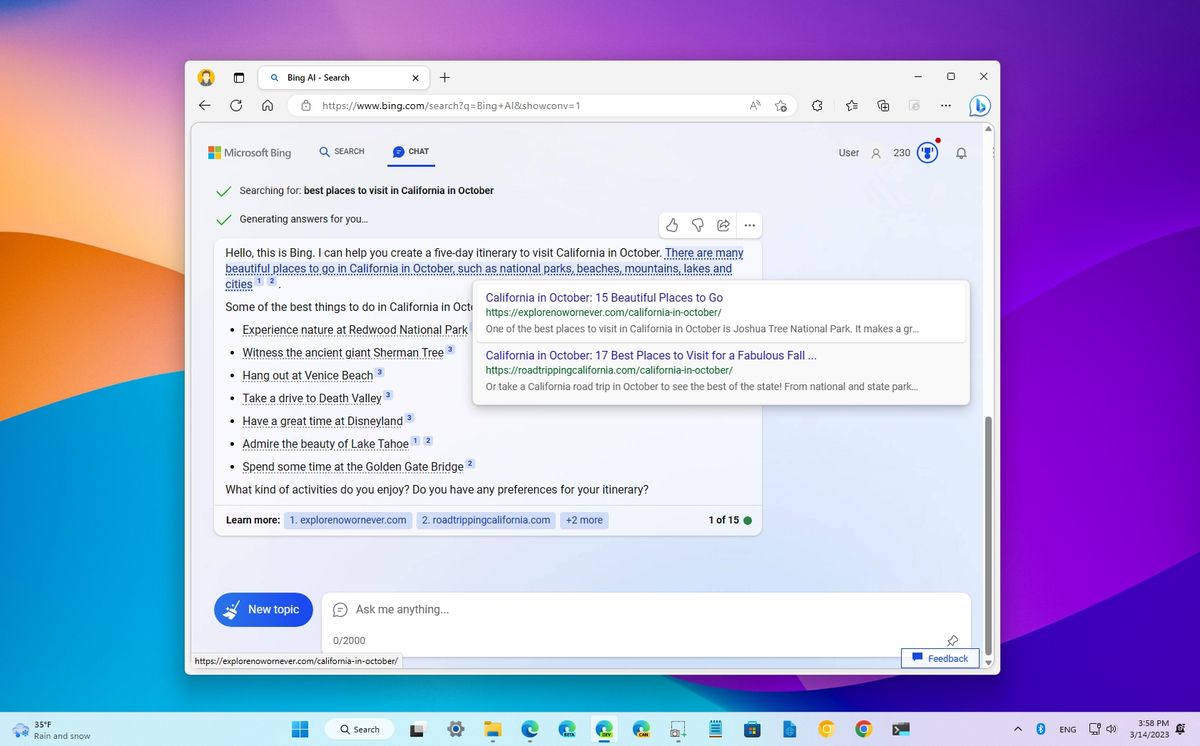
Bing Chat is a new experience that allows users to have a more natural conversation with the chatbot to get answers to long and complex questions. To get started using Bing Chat on Windows 11, users need to open Microsoft Edge and go to Bing.com/chat, choose their conversation style, ask a question using natural language, and hover over the content to reveal the source of the citations. Users can also sign up for Bing Chat by joining the waitlist page with Microsoft Edge and signing in with their Microsoft account.