Micron Stock Soars on Price Target Boosts and AI Data Center Demand
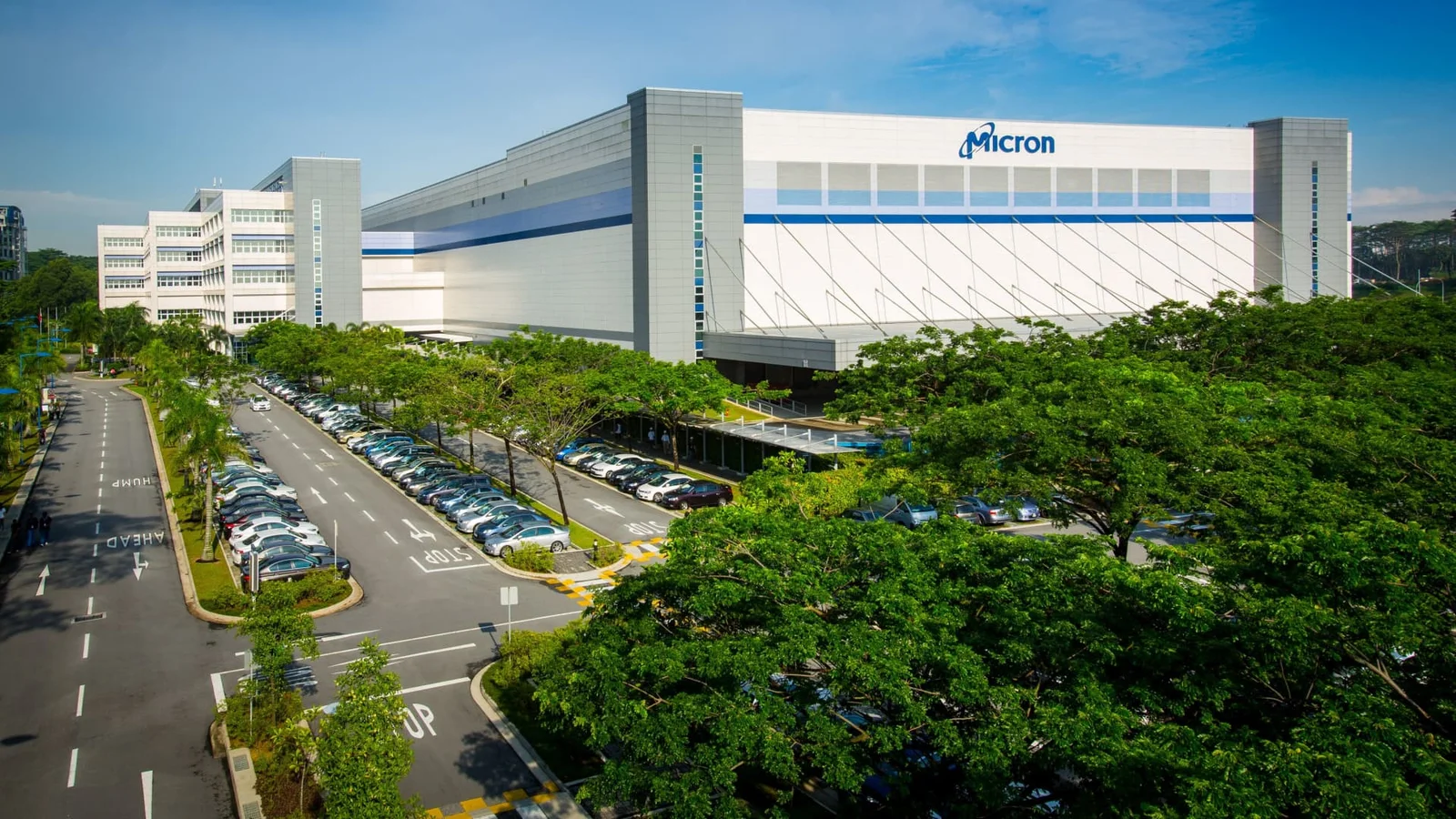
Micron has stopped providing quotes for NAND and DRAM memory chips following a price increase by SanDisk, with expectations of even sharper price rises in the near future.
All articles tagged with #nand

Micron has stopped providing quotes for NAND and DRAM memory chips following a price increase by SanDisk, with expectations of even sharper price rises in the near future.

A new report suggests that the upcoming iPhone 16 Pro and iPhone 16 Pro Max models with 1TB storage may face performance challenges due to a potential switch from Triple-Level Cell NAND to Quad-Level Cell NAND, which offers higher density and lower cost but slower read and write speeds. This change could lead to decreased durability and reliability, prompting Apple to optimize the storage or consider adding extra RAM to maintain performance. Additionally, there's speculation about a 2TB storage option, potentially enabled by the density and cost benefits of QLC NAND. The impact on customer satisfaction and the future use of TLC NAND remain uncertain.

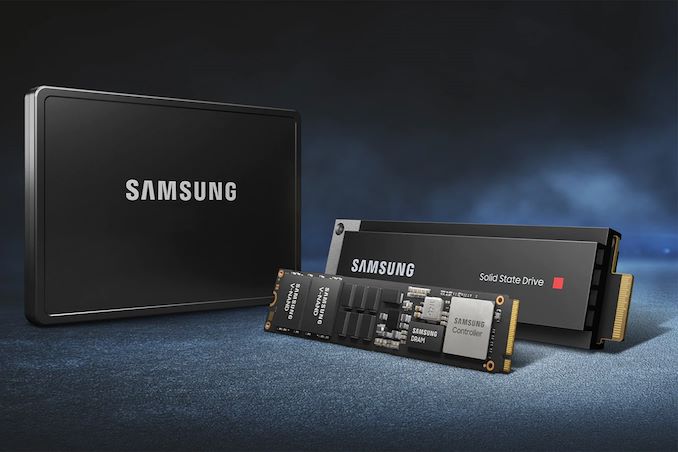
Samsung has unveiled a teaser for its industry-first 256 TB solid-state drive (SSD) based on 3D QLC NAND memory, offering unprecedented storage density and reduced power consumption. The drive is targeted at hyper-scale data centers and is expected to be available in emerging ESDFF or NGSFF form factors. Samsung also announced its next-generation datacenter PM9A3a SSDs with a PCIe 5.0 x4 interface, promising significant performance improvements and enhanced power efficiency. These drives will be available in various form factors with capacities ranging from 3.84 TB to 30.72 TB in the first half of 2024.

Samsung has announced "meaningful" production cuts for NAND and DRAM due to the ongoing slump in demand that has impacted the entire memory industry over the last several months. The cuts come as Samsung Electronics has experienced a substantial drop in revenue and profits, with Q1 sales dropping 19% and operating profits plummeting 95%. Despite these cuts, Samsung intends to continue their long-term investment plans in new fabs. The reduction in memory fab utilization rate will decelerate the drop in commodity memory prices, but the oversupply issue is expected to persist until the third quarter.