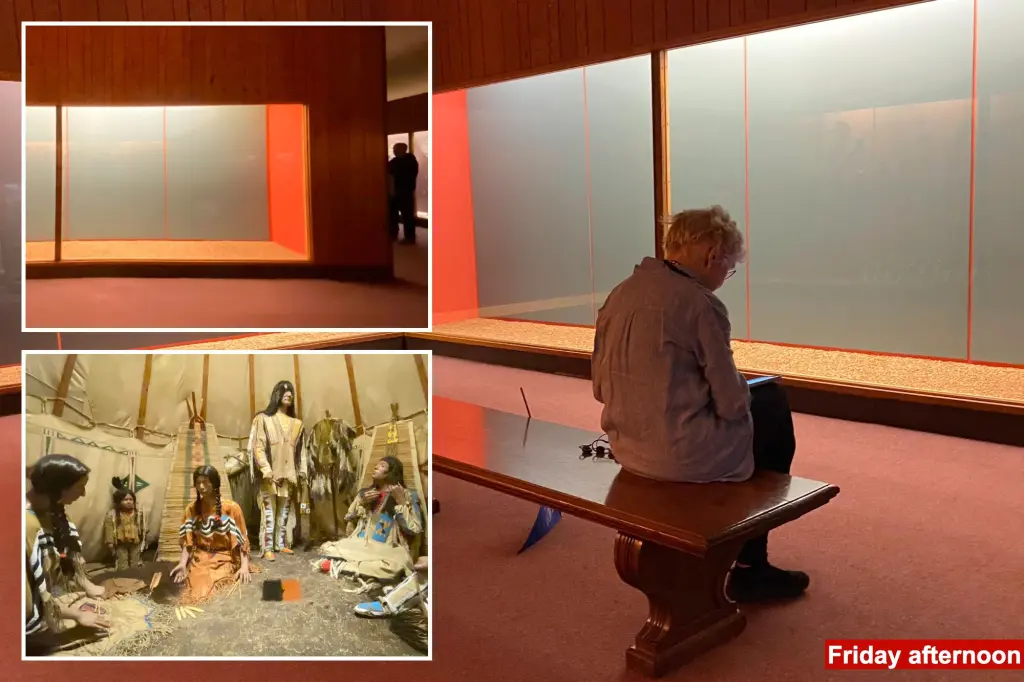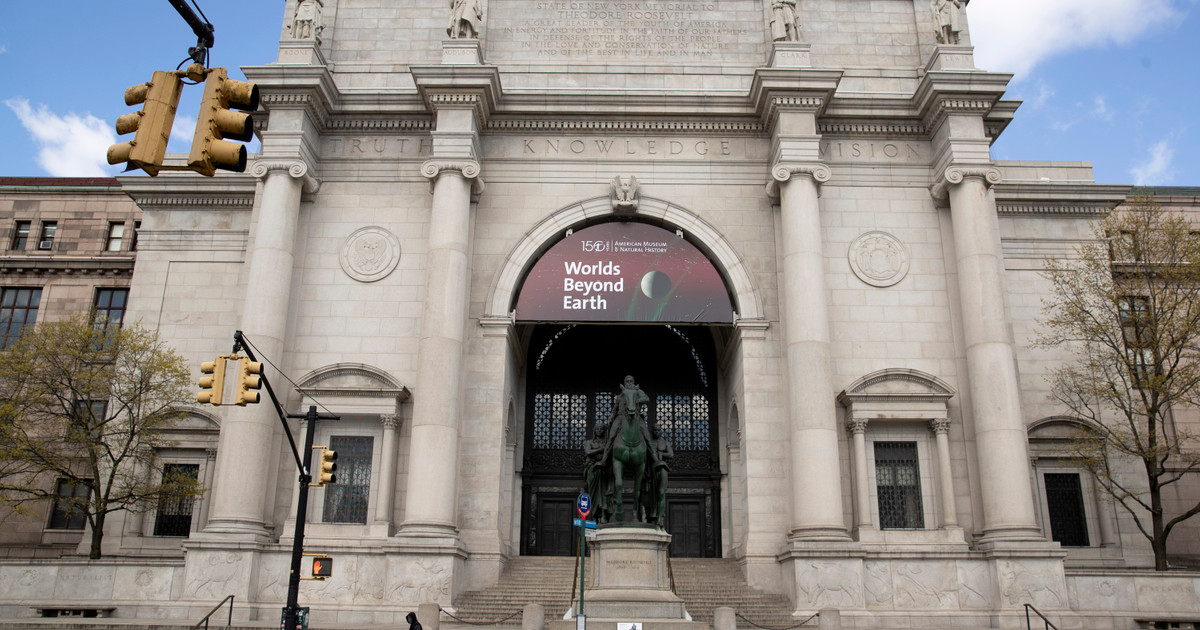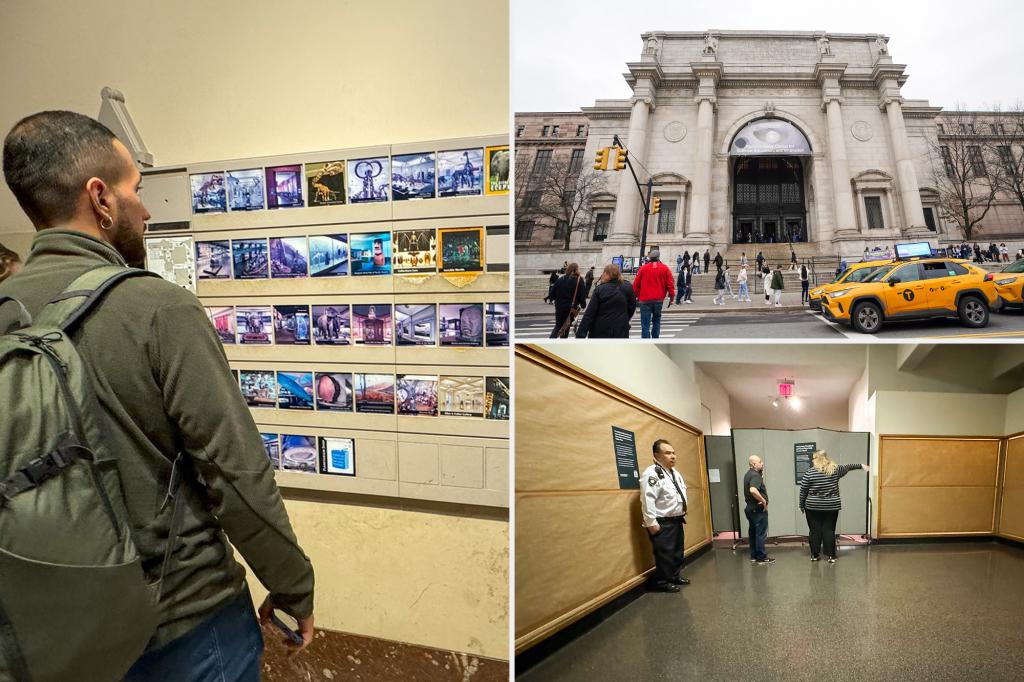
The American Museum of Natural History closed its Native American exhibits to comply with updated federal regulations, prompting disappointment from visitors who were not given prior notice. A tribal leader suggested that the museum could have avoided the sudden shutdown by working with tribes earlier. The closures are a result of the revamped Native American Graves Protection and Repatriation Act, requiring the return of human remains and cultural items to recognized tribes. The museum plans to consult with tribes before displaying the artifacts again, emphasizing the importance of providing proper context and acknowledging the vibrancy of indigenous communities.
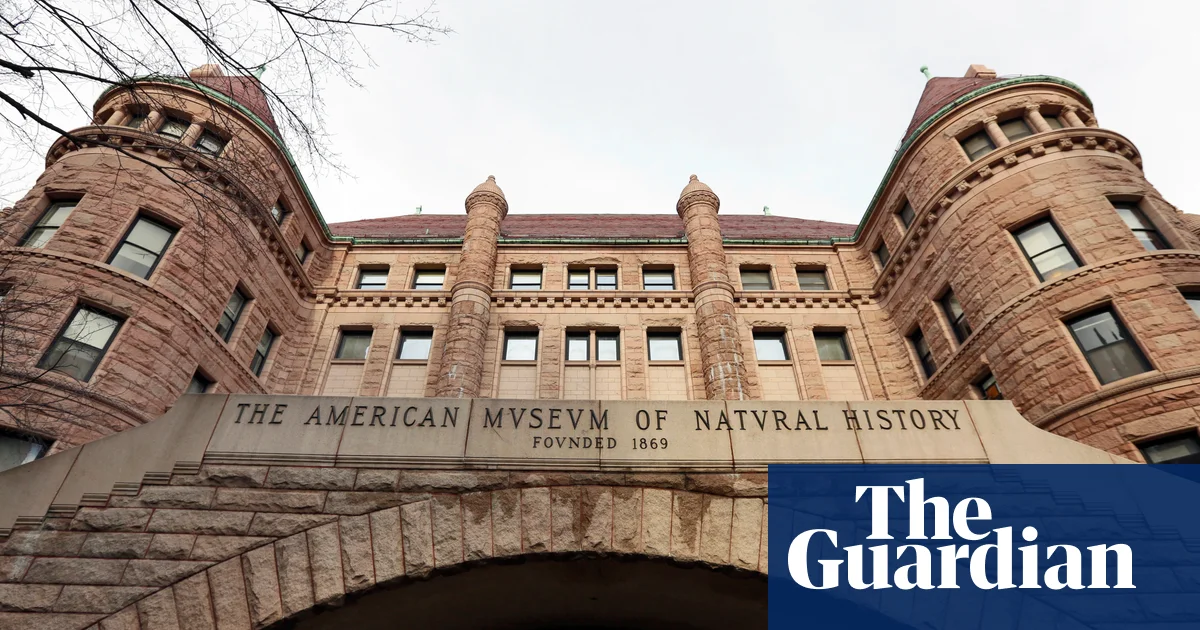
New York's American Museum of Natural History is closing two halls featuring Native American artifacts in compliance with updated federal regulations requiring permission from tribes to display their objects. The move follows the recent revisions to the Native American Graves Protection and Repatriation Act (Nagpra), giving more authority to tribes and mandating museums to obtain consent for showcasing or researching human remains or cultural items. The closures signal a shift towards increased tribal inclusion in repatriation processes and the need for collaboration between tribes and institutions.
The American Museum of Natural History in NYC closed its Native American exhibits in compliance with new federal regulations under the Native American Graves Protection and Repatriation Act (NAGPRA), which require museums to return indigenous human remains, funerary objects, and cultural items to recognized tribes. The closures, affecting almost 10,000 square feet of exhibition space, have sparked mixed reactions from visitors and members, with some supporting the move as respectful and others expressing disappointment at the sudden closure. The revised regulations aim to give more authority to tribes in the repatriation process and require free, prior, and informed consent before any exhibition, access to, or research on human remains or cultural items.
The American Museum of Natural History is closing exhibits displaying Native American cultural materials that could be subject to return to tribal nations, in compliance with new federal regulations intended to speed up the process of repatriating ancestral remains and sacred items under the Native American Graves Protection and Repatriation Act. The move reflects a growing urgency among museums to change their relationships to and representation of Indigenous cultures, with other institutions also announcing similar actions. Despite these efforts, many human remains and sacred objects still reside in museum collections, and federal data shows that the American Museum of Natural History still maintains control of at least 1,800 ancestors and more than 4,060 funerary items buried with those individuals.