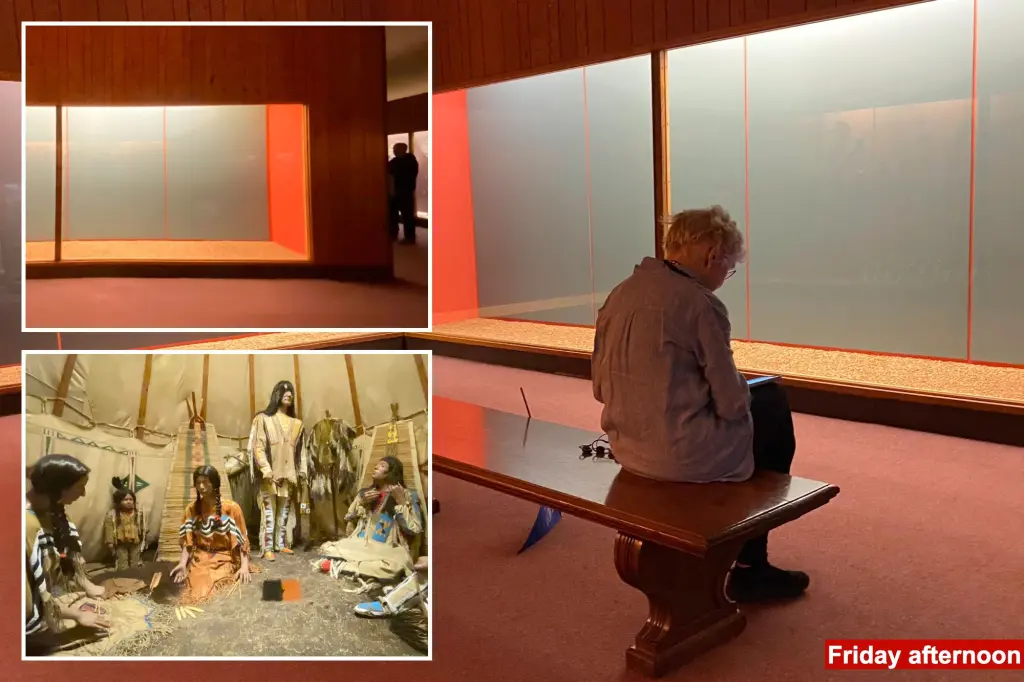
The American Museum of Natural History in NYC closed its Native American exhibits in compliance with new federal regulations under the Native American Graves Protection and Repatriation Act (NAGPRA), which require museums to return indigenous human remains, funerary objects, and cultural items to recognized tribes. The closures, affecting almost 10,000 square feet of exhibition space, have sparked mixed reactions from visitors and members, with some supporting the move as respectful and others expressing disappointment at the sudden closure. The revised regulations aim to give more authority to tribes in the repatriation process and require free, prior, and informed consent before any exhibition, access to, or research on human remains or cultural items.
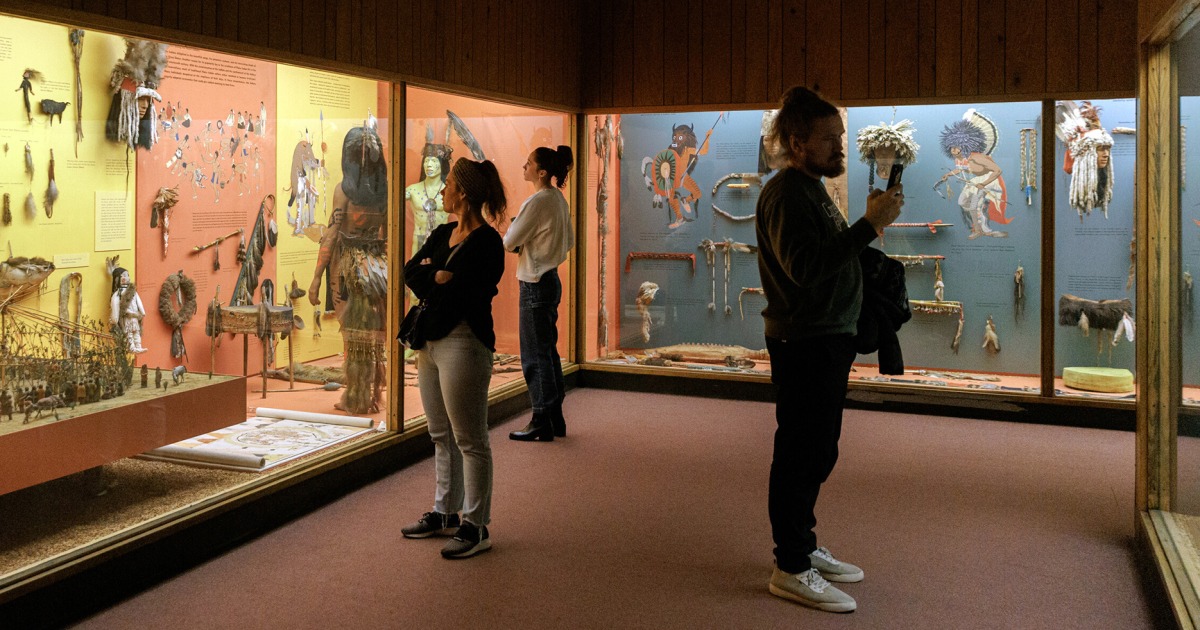
The American Museum of Natural History in NYC is closing certain halls displaying Native American artifacts in response to updated federal regulations requiring institutions to obtain consent from Indigenous tribes. The closures reflect a growing urgency among museums to change their relationships to and representation of Indigenous cultures. President Biden's executive order supports tribal self-determination and calls for revisions to the Native American Graves Protection and Repatriation Act, prompting museums to obtain consent before displaying human remains and cultural artifacts. The closures will affect school field trips, and other major institutions are also complying with the changes by removing or covering exhibits featuring Native American objects.
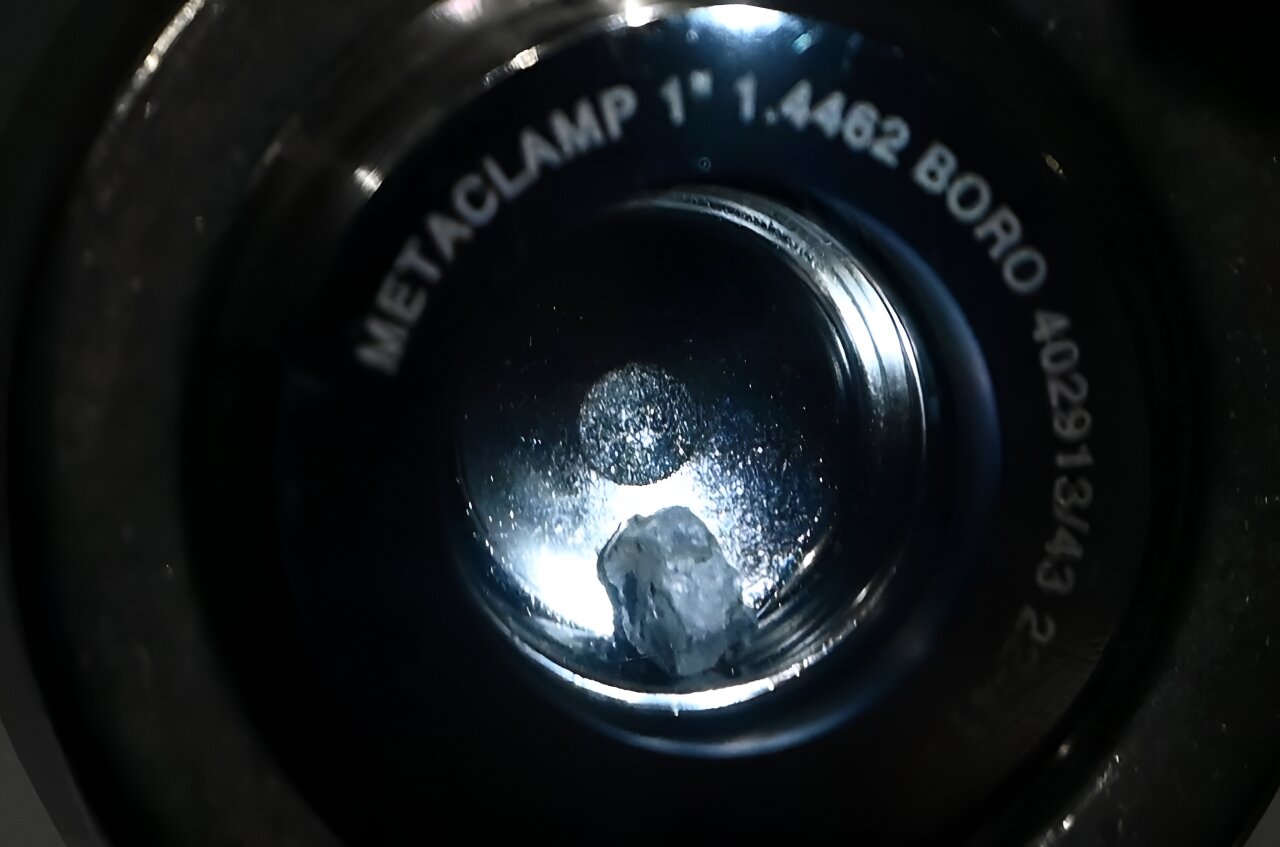
A sample of the asteroid Bennu, containing water and carbon, is on public display for the first time at the Museum of Natural History in Washington, DC. Scientists hope to determine if asteroids brought the building blocks of life to Earth. The sample was collected by NASA's Osiris-Rex mission in 2020 and returned to Earth in September 2023. Visitors at the museum are excited to see and take selfies with the tiny piece of rock, which offers insights into the origins of our planet.