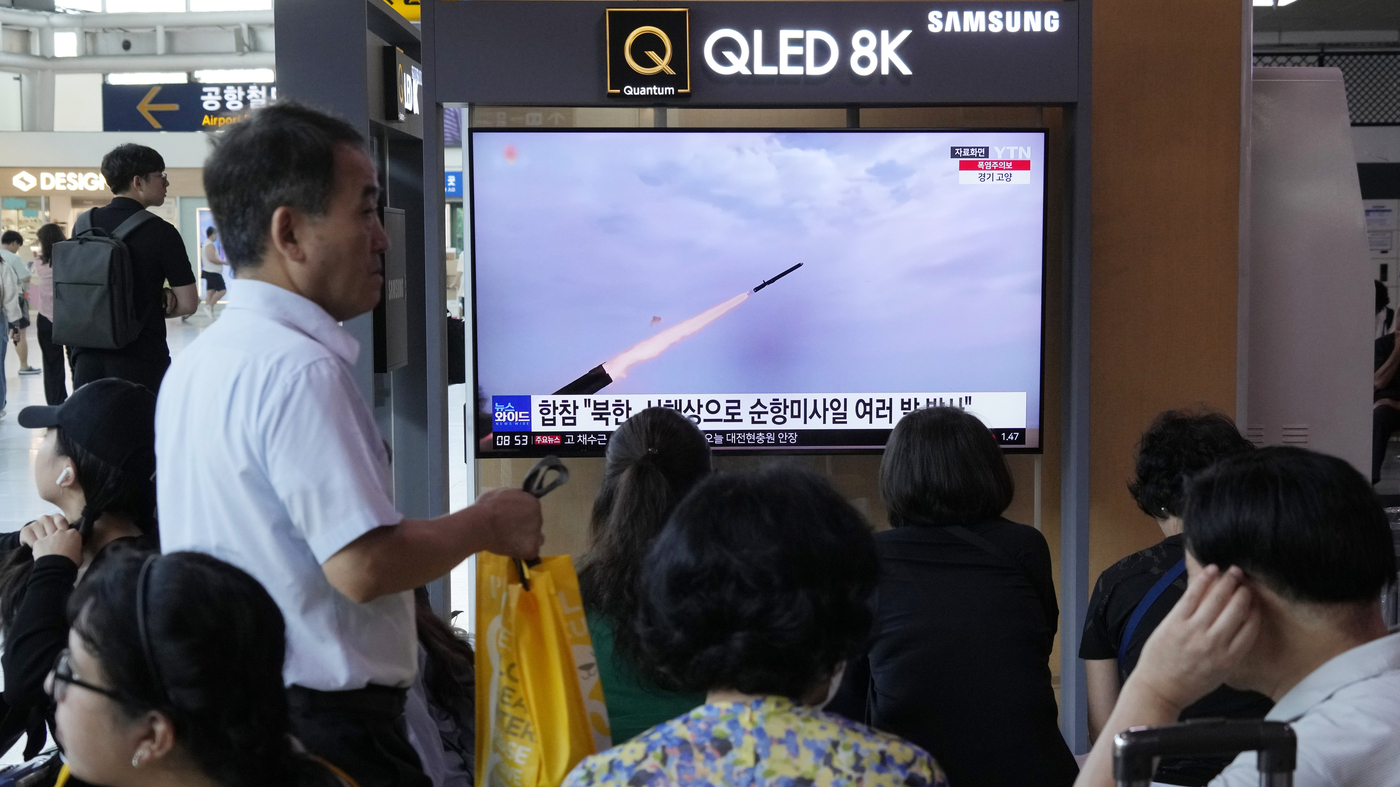
North Korea launched multiple ballistic missiles toward the sea just before South Korea's president's visit to China, amid heightened tensions and ongoing weapons tests related to its nuclear ambitions, while regional and global powers monitor the situation closely.
North Korea fired several cruise missiles towards its western sea in protest of the docking of a U.S. nuclear-armed submarine in South Korea, marking the second launch event this week. Meanwhile, North Korea has remained silent on the fate of an American soldier who crossed the border into the country. The launches are part of North Korea's ongoing testing of newly developed cruise missiles, which experts believe could be armed with nuclear weapons. The country's state media has yet to comment on the American soldier, and it is unclear where he is being held or his condition. Analysts suggest that North Korea may use the soldier as leverage for political and security concessions from the United States.
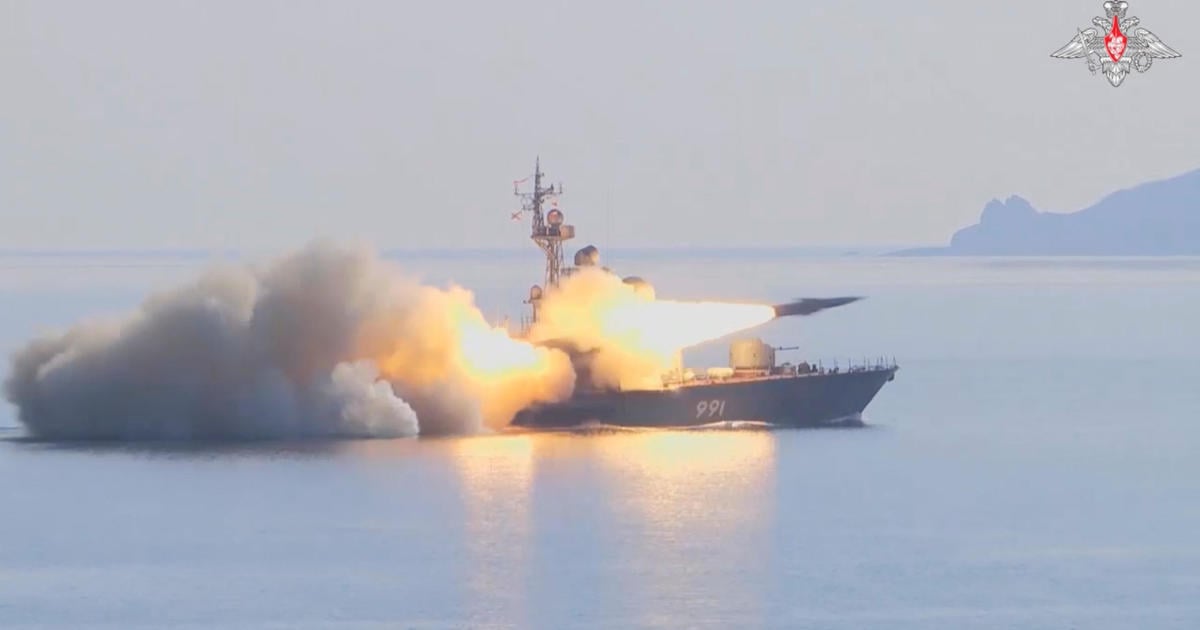
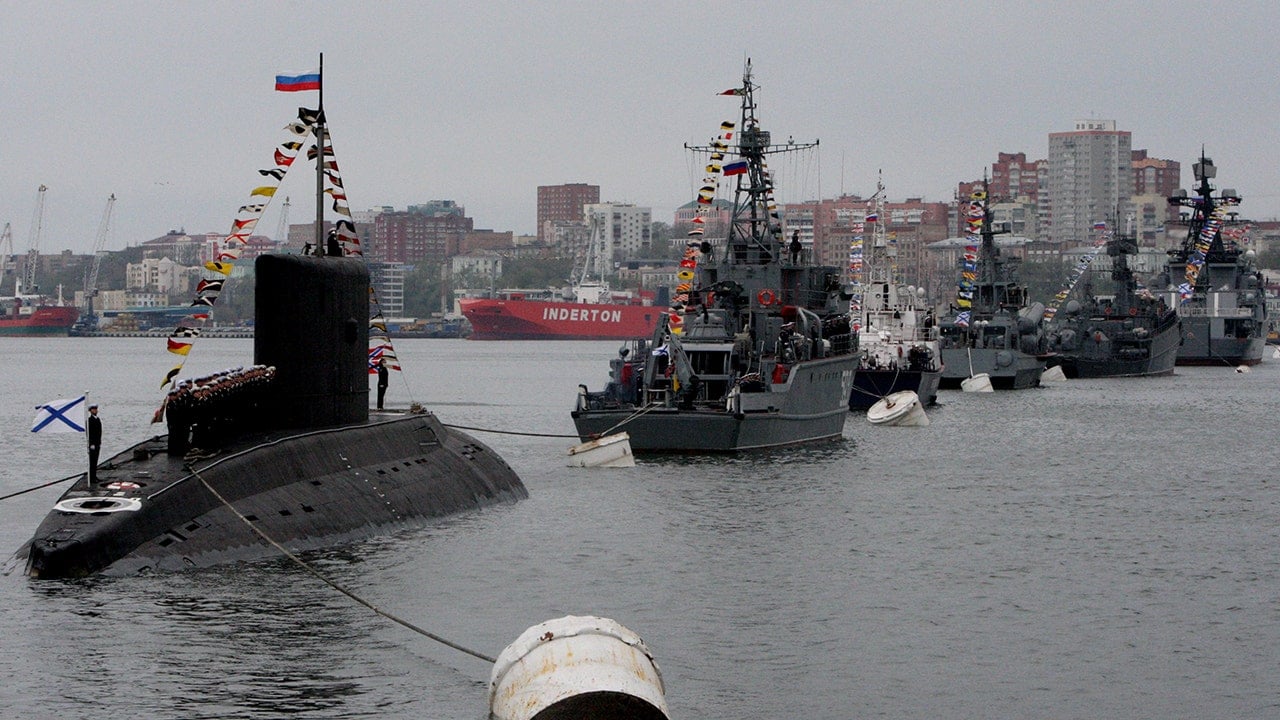
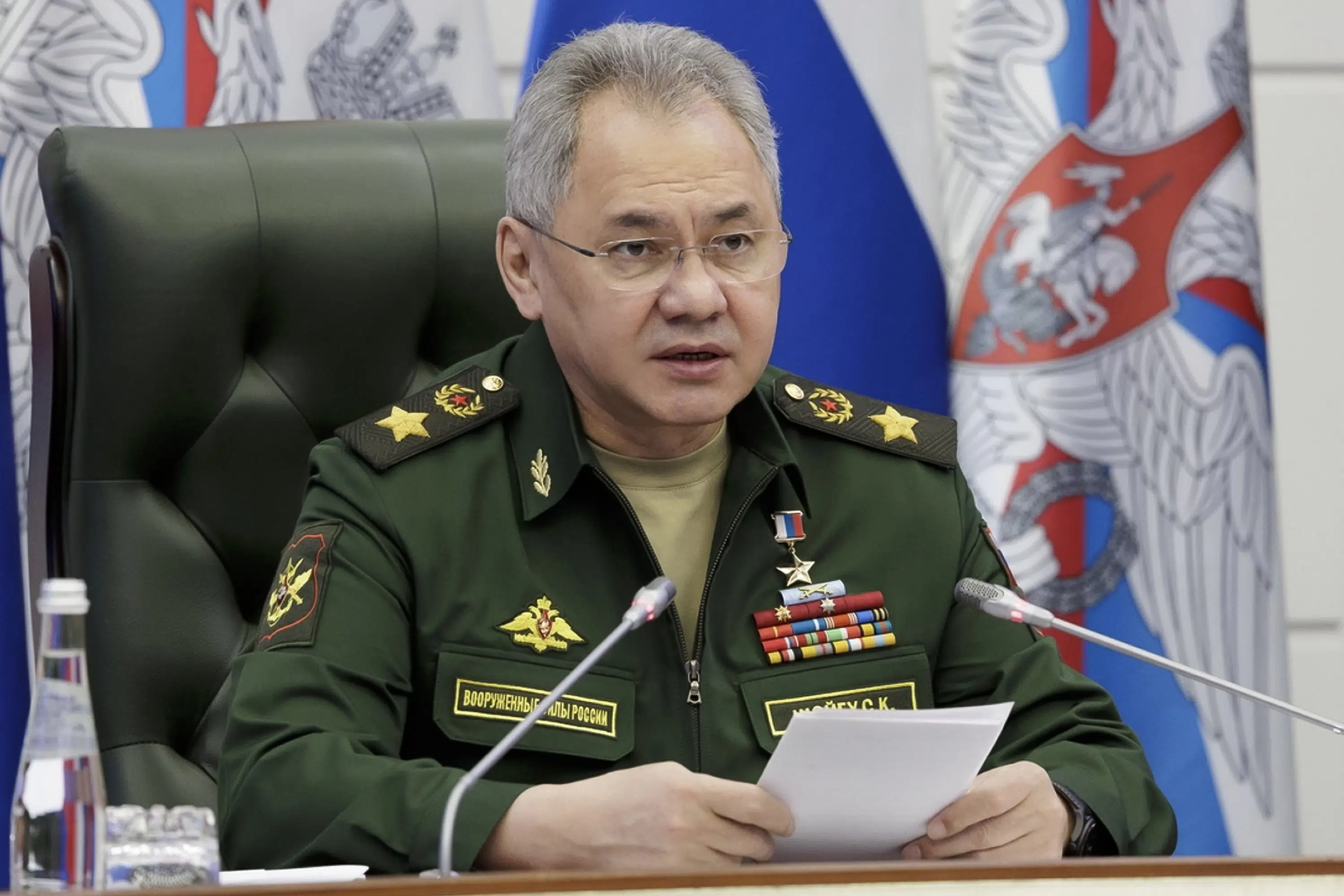
Russia's Pacific Fleet was put on high alert for snap drills that will involve practice missile launches, nuclear-capable strategic bombers, and other warplanes besides the naval aviation of the Pacific Fleet. The drills are a massive show of force amid tensions with the West over the fighting in Ukraine. The goal of the war games is to test the capability of Russia's armed forces to mount a response to aggression. The drills started days before a planned trip to Moscow by Chinese Defense Minister Gen. Li Shangfu.
Russia's Pacific Fleet is on high alert as the country announced war games to test the military's ability to respond to foreign aggression. The drills are expected to demand complex response systems including missile launches and long-range bombers. Despite its ongoing invasion of neighbor Ukraine, the Russian military has maintained a strong presence in the Pacific, performing high-profile drills and drawing complaints from neighbors.
The Russian Pacific Fleet has been put on high alert for snap drills that will involve missile launches and nuclear-capable strategic bombers, as well as other warplanes. The drills are intended to test the capability of Russia's armed forces to respond to aggression. The scenario envisages a response to an adversary's attempt to make a landing on Sakhalin Island and the southern Kuril Islands, which Japan asserts territorial rights to. The drills come amid tensions with the West over the fighting in Ukraine and days before a planned trip to Moscow by Chinese Defense Minister Gen. Li Shangfu.
Russia will conduct missile launches and torpedo tests as part of a surprise inspection of its Pacific naval fleet, amid heightened tension in the Asia-Pacific region. The drills will simulate an enemy landing on Russia's Sakhalin island and on its southern Kuril Islands, some of which are claimed by Japan in a territorial dispute dating back to the end of World War Two. The exercises aim to increase the ability of the Armed Forces to repel the aggression of a probable enemy from the direction of ocean and sea.