
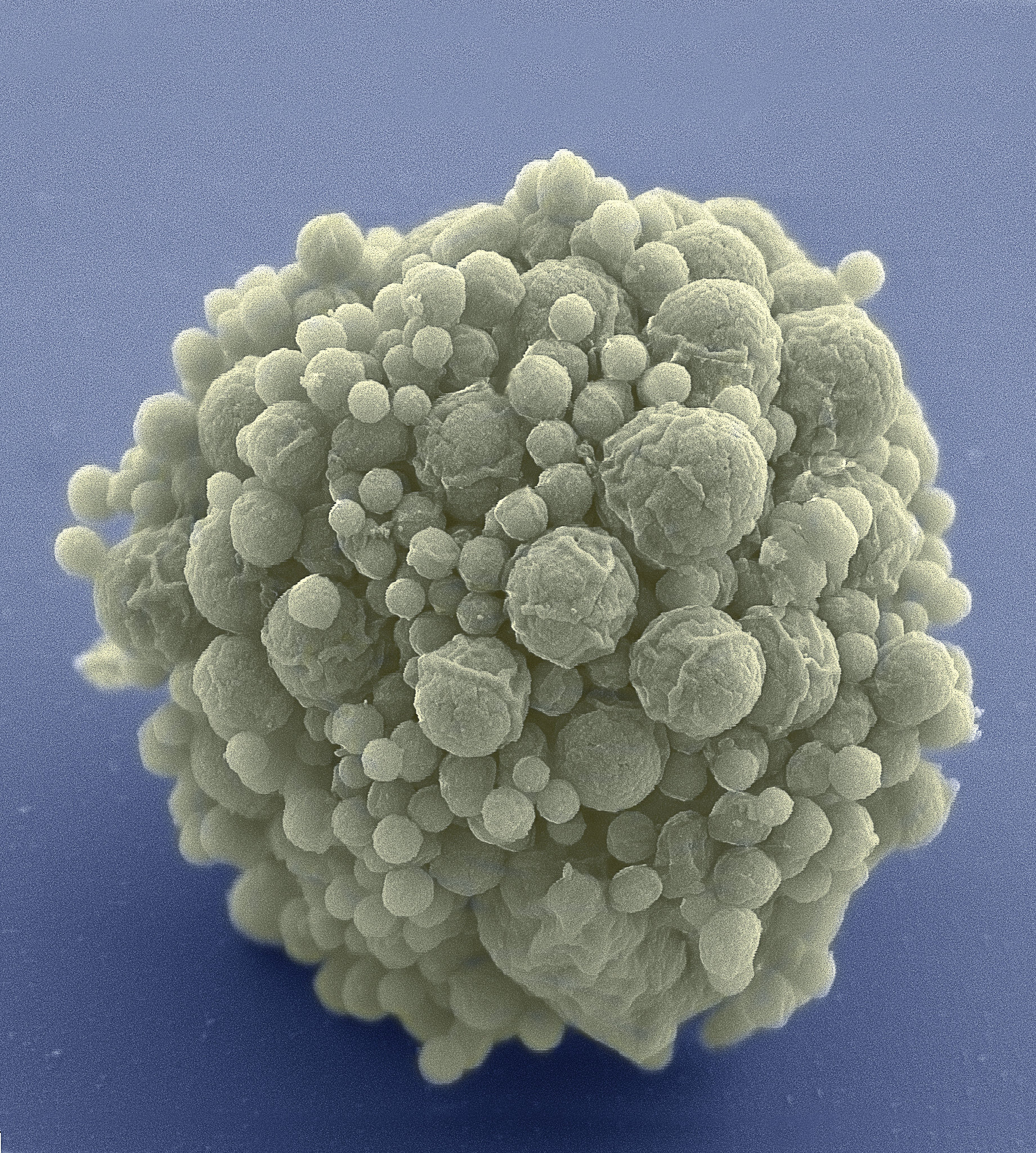
Unveiling the Power of Evolution in Artificial Cells
Researchers studying a synthetically constructed minimal cell, stripped of all but its essential genes, have found that the streamlined cell can evolve just as fast as a normal cell, demonstrating the capacity for organisms to adapt even with an unnatural genome that would seemingly provide little flexibility. The study used a synthetic organism with the smallest known set of genes required for autonomous cellular life, and after allowing it to evolve freely for 300 days, the researchers found that the evolved minimal cells performed better and recovered lost fitness, highlighting the power of natural selection and the robustness of life. The findings have implications for understanding the evolution of cellular complexity and have potential applications in various fields, including clinical treatment and the origin of life.