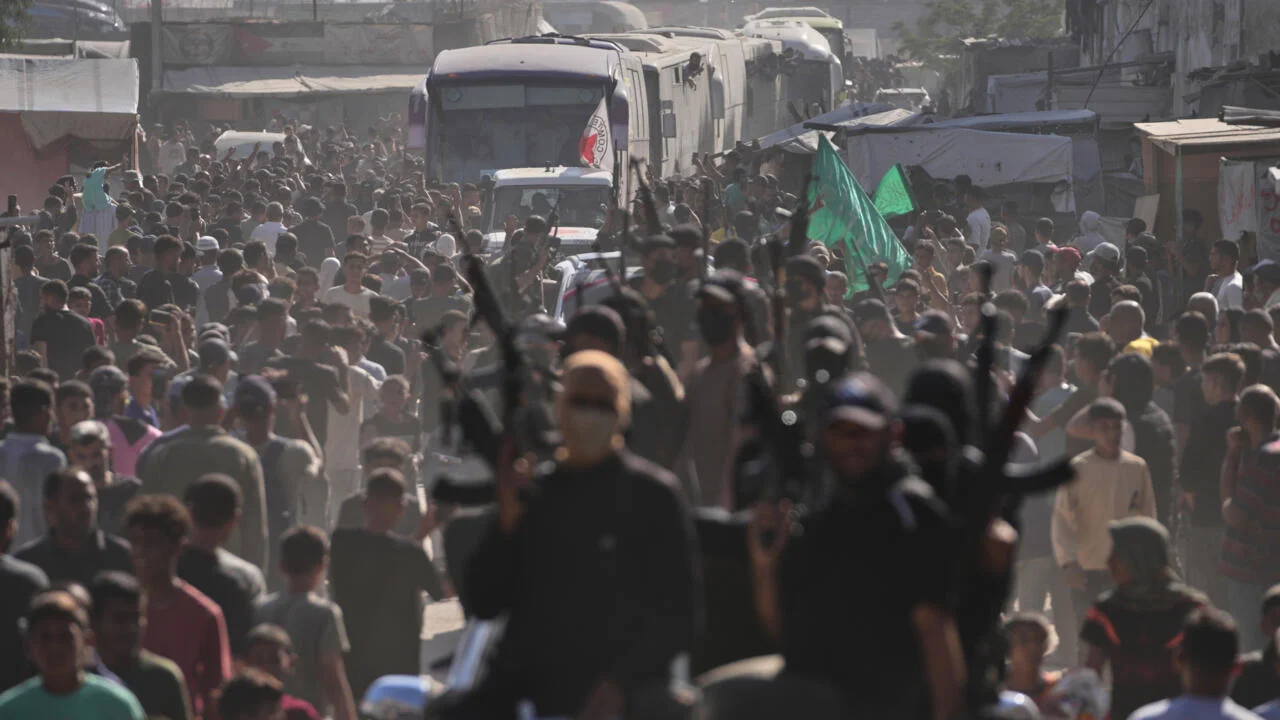
Following a ceasefire with Israel, Hamas has increased its control over Gaza, engaging in violent clashes with rival groups and asserting authority through military and social measures, while the international community debates the future governance and disarmament of Hamas.
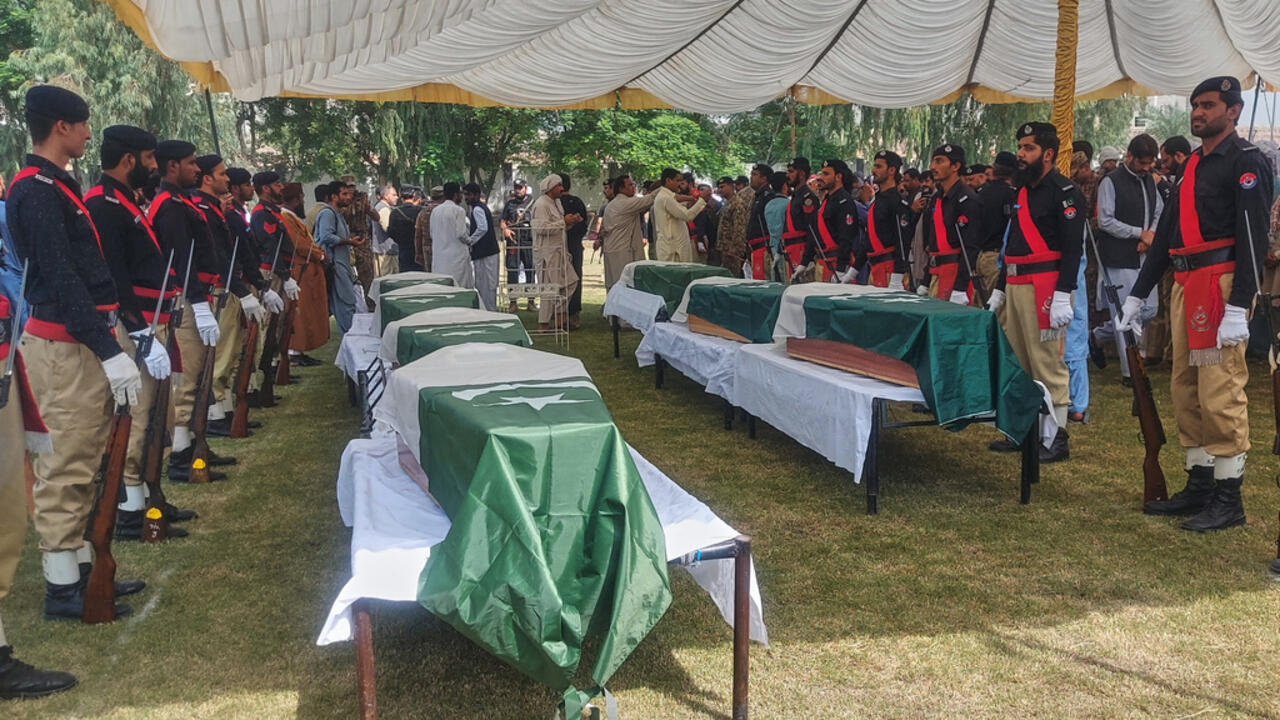
The Pakistani Taliban claimed responsibility for deadly attacks in northwestern Pakistan, killing over 20 security personnel and civilians, amid rising militancy following the US troop withdrawal from Afghanistan and the Taliban's return to power in Kabul.
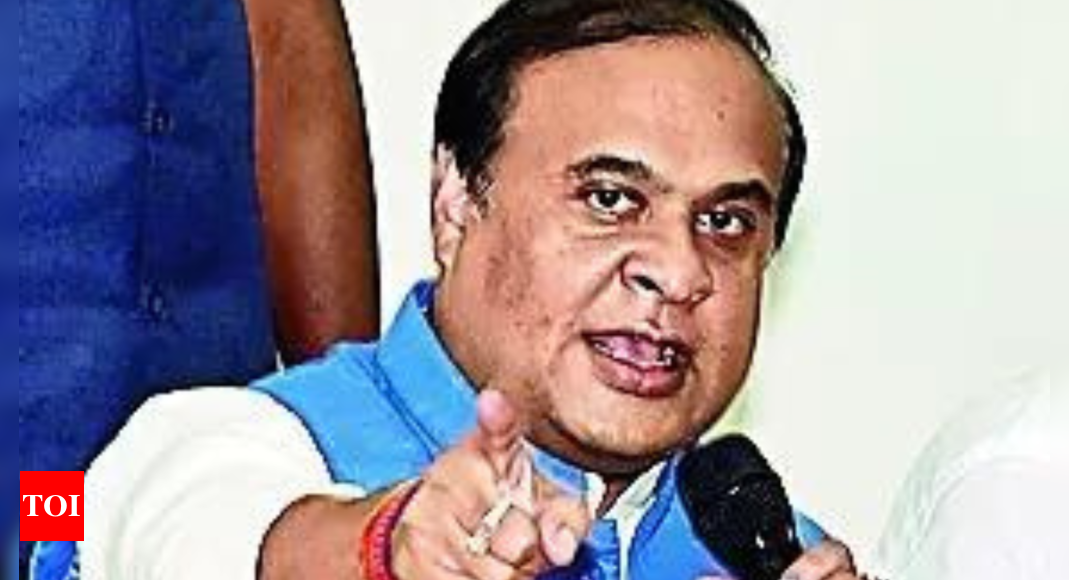
The BJP has secured a significant peace accord with the pro-talks faction of Ulfa in Assam, gaining political leverage ahead of the Lok Sabha elections. This agreement, which excludes the Ulfa(I) and KLO, marks a step towards ending four decades of militancy in the region. The peace deal is a boost for the BJP, which first came to power in Assam in 2016, and supports Chief Minister Himanta Biswa Sarma's efforts to engage with the remaining militant factions.
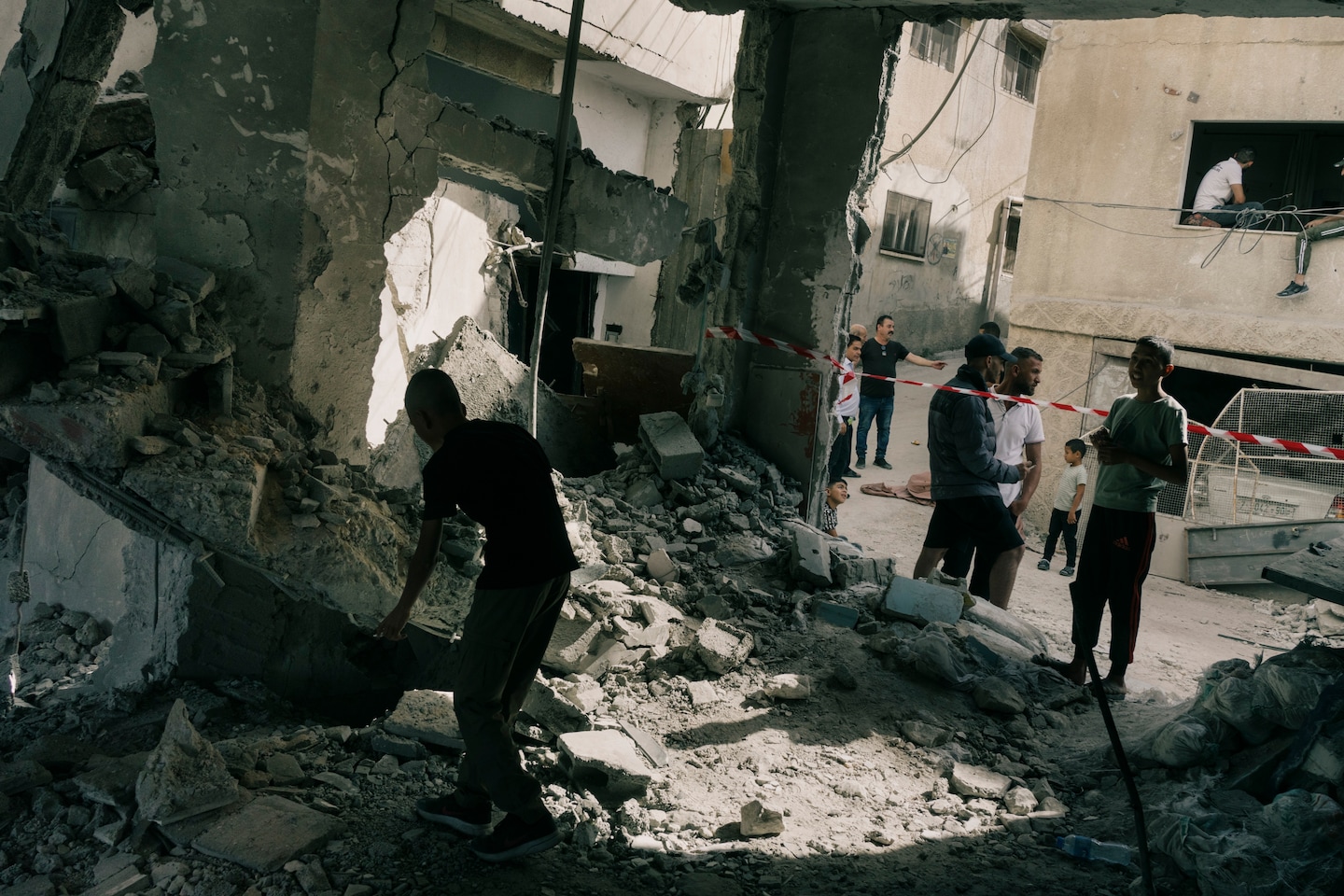
As Israel intensifies its raids and arrests in the West Bank following the conflict with Hamas in Gaza, militancy in the region is surging. Thousands of Palestinians have been arrested and dozens killed, leading to increased anger and radicalization among young militants. The crackdown, aimed at preventing armed resistance, may have the opposite effect, as it fuels resentment and strengthens the resolve of militant groups. The situation in the West Bank is tense, with the ruling Palestinian Authority largely absent and militants taking control. Residents fear that the violence will only escalate further.
Indian security forces killed five foreign militants in a gunfight in Jumagund area near the Line of Control (LOC) in Kashmir. The Indian army and police prevented infiltration across the border by the militants. The search operation in the area is ongoing. Hindu-majority India accuses Pakistan of supporting militancy in Kashmir, while Islamabad denies this and says it only provides diplomatic and moral support to the Kashmiri people.
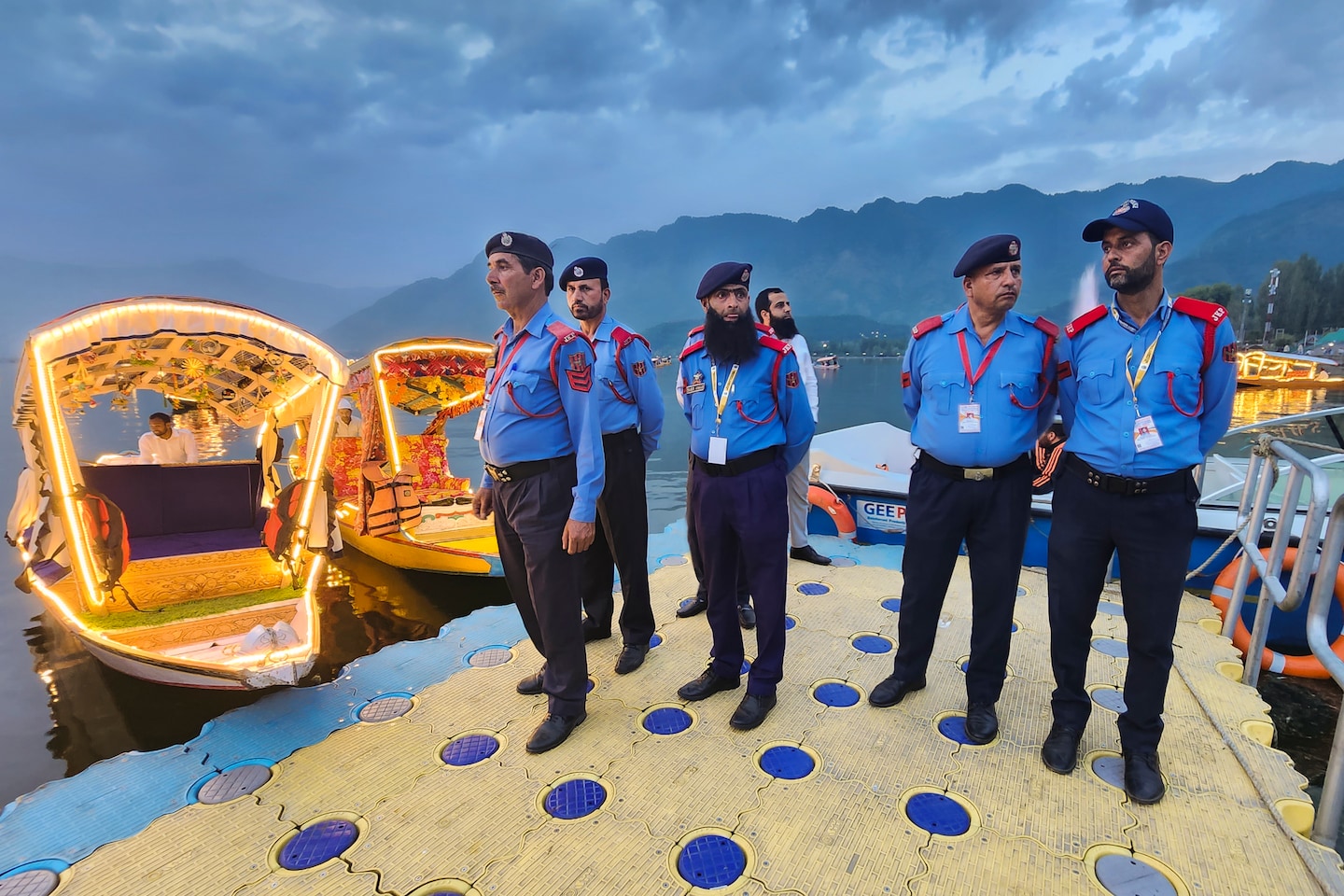
India hosted a G-20 tourism event in Kashmir to showcase the region's return to peace and prosperity, but the heavy security presence and lack of local participation highlighted the ongoing tensions. The region has not seen elections for its legislature in almost a decade, and the decision to hold the event in Kashmir has been controversial, with neighboring Pakistan and the UN special rapporteur on minority issues condemning it. While the government touts new development projects and record tourist numbers, critics argue that without a free and vocal media, it is unclear whether militancy is growing or not.
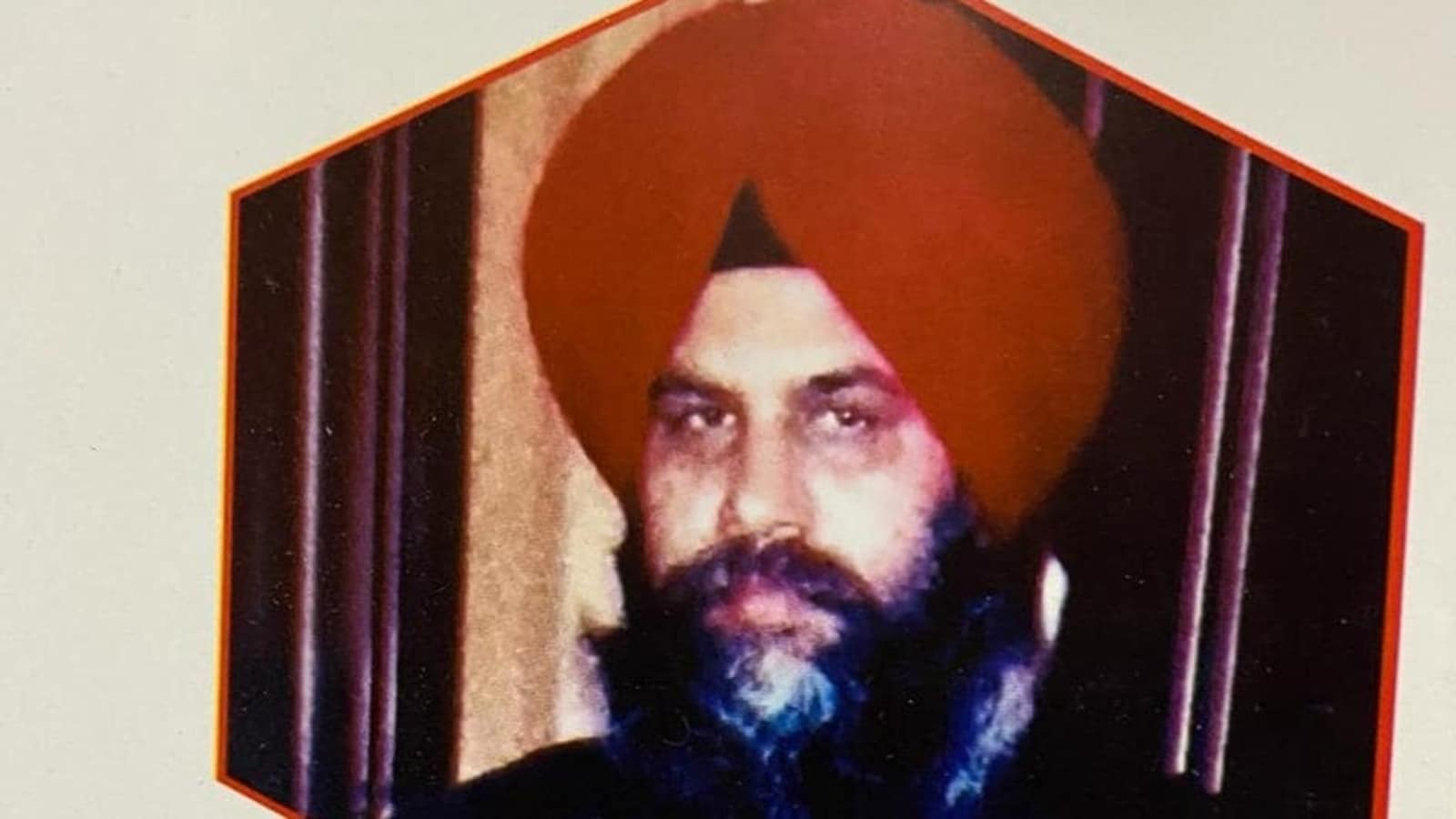
Parmjit Singh Panjwar, the chief of Khalistan Commando Force (KCF), was shot dead in Lahore, Pakistan by unknown assailants. He was among the few militant leaders who formed the backbone of militancy in Punjab during the 1990s. Panjwar was wanted in India and had fled to Pakistan permanently. He was booked in several cases and was one of the most wanted terrorists in India.
Amritpal Singh, the leader of Waris Punjab De, was trained by Pakistan's ISI in Georgia and has close links with Sikhs for Justice (SFJ), according to Indian counter-terrorism officials. Singh, who openly supports the creation of a separate Khalistan, is part of a conspiracy by Pakistan to revive militancy in Punjab, officials said. He was also running a drugs smuggling network in India with the help of ISI and creating a private militia in drug de-addiction centres of Punjab, where weapons procured from Pakistan were being stockpiled.