
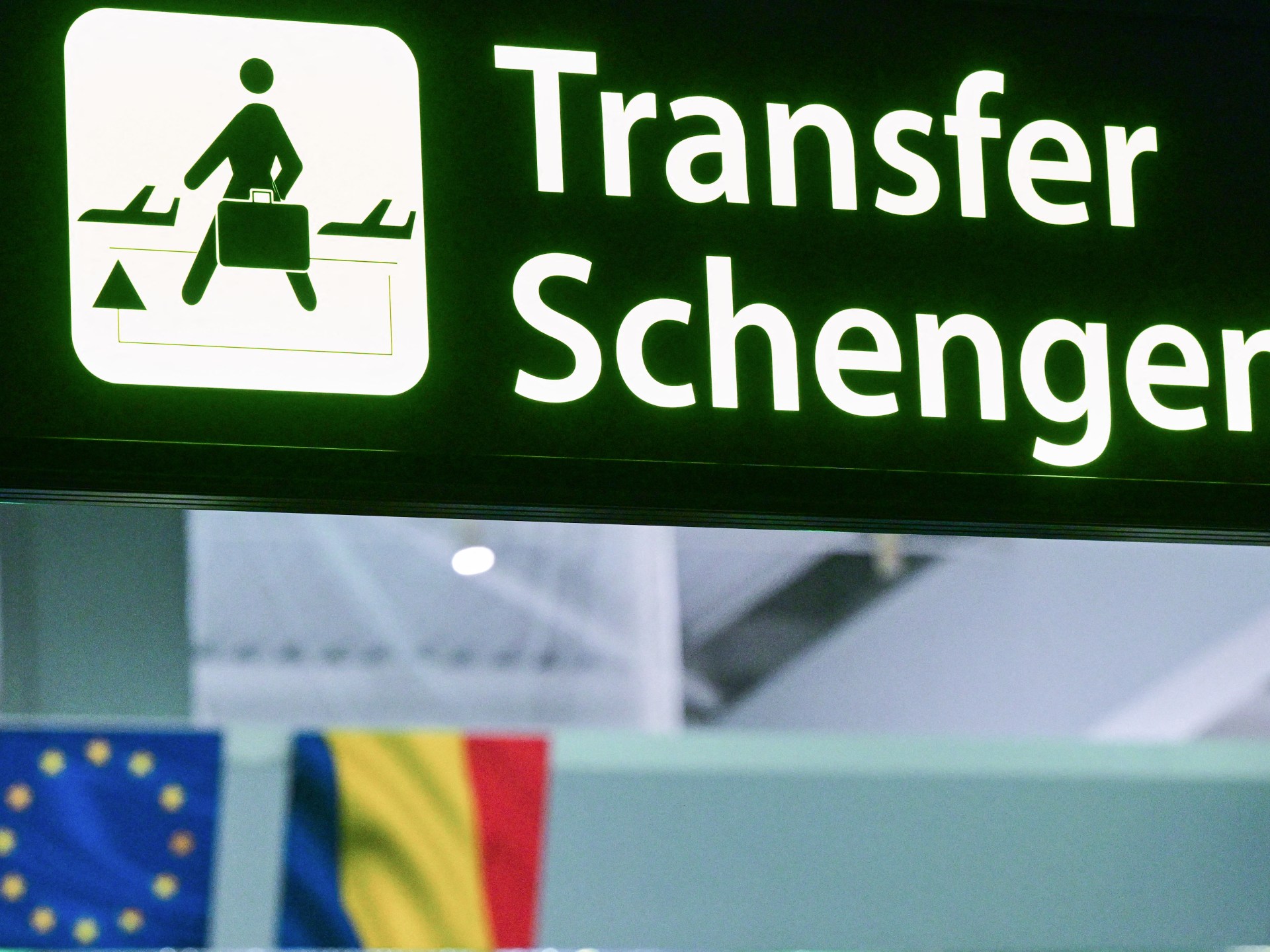
Bulgaria and Romania have partially joined the Schengen area, allowing free movement by air and sea, but not land borders due to Austria's concerns over irregular migration. The move has practical and symbolic significance, but truck drivers and businesses in both countries are frustrated by long border waits and financial losses. Both countries aim to complete negotiations for land border integration by 2024, with efforts to manage irregular migration through regional police initiatives and increased support from the EU's border agency.
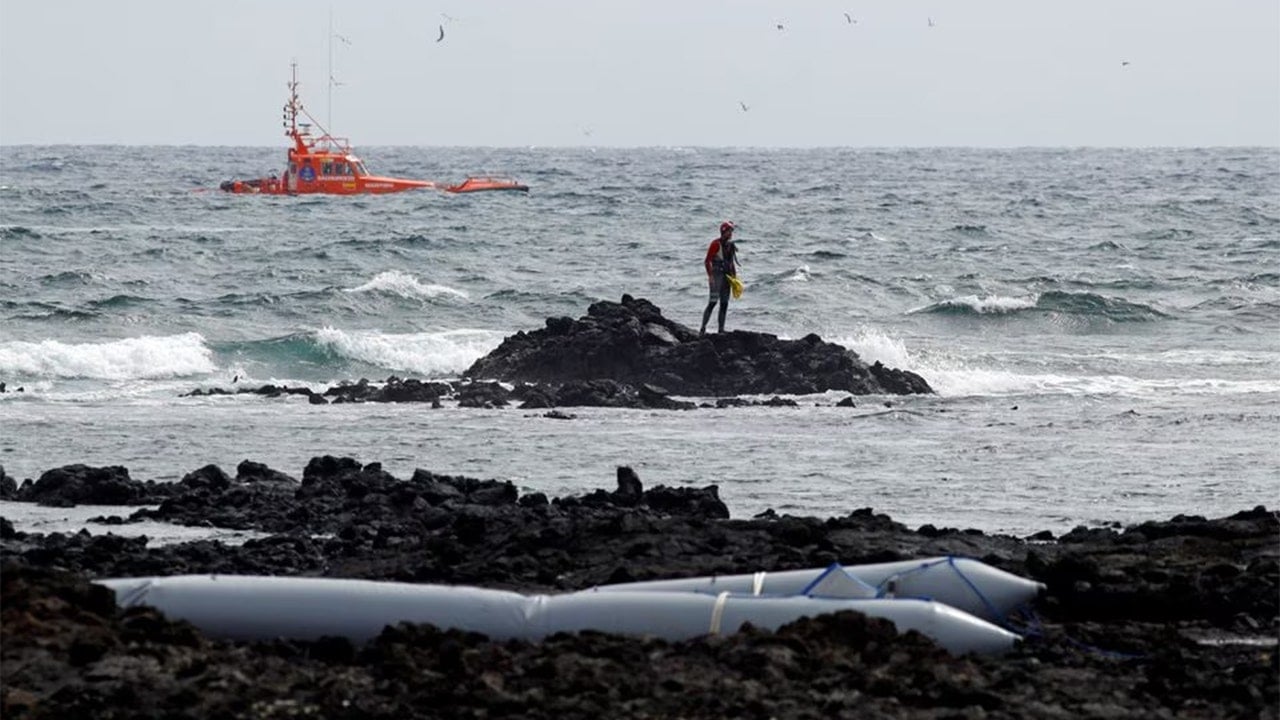
The Spanish Canary Islands have seen a record number of African migrants, with nearly 32,000 reaching the islands by boat this year, surpassing the previous record set in 2006. The increase in arrivals is attributed to calmer seas and milder weather in September. The Canary Islands, located off the coast of southern Morocco, have become a destination for migrants from West Africa seeking a better life or fleeing conflict. The regional authorities have called for assistance from the Spanish government and the European Union to address the humanitarian crisis. In response, the Spanish government plans to create more emergency accommodations for approximately 3,000 migrants.
Lampedusa, an Italian island, is facing an "operational emergency" as it struggles to manage the arrival of over 7,000 migrants from Tunisia. The island's reception center, with a capacity for only 400 migrants, is overwhelmed, and the local authorities have declared a state of emergency. The Italian government has been criticized for failing to prepare Lampedusa for the influx of migrants. While the EU-Tunisia deal aims to prevent irregular migration, rights groups argue that more needs to be done to protect migrants. Lampedusa locals have shown compassion by providing food and support to the migrants, but they call for more assistance from the European Union.