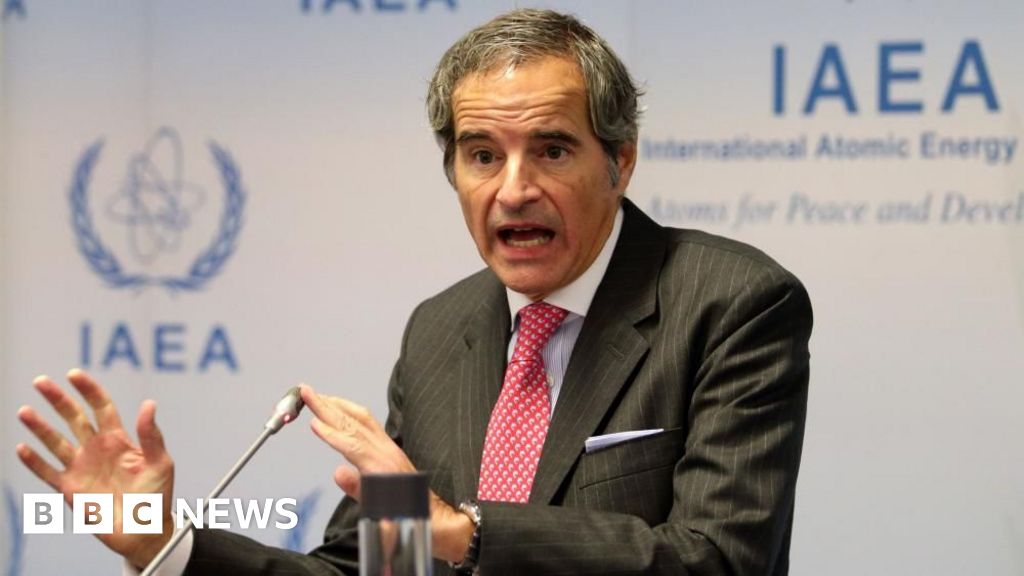
The head of the International Atomic Energy Agency (IAEA), Rafael Grossi, expressed concern over Iran's increased production of 60% enriched uranium, which is close to weapons-grade. This move is seen as a response to regional setbacks and has raised fears of potential nuclear weapon development, despite assurances from Iranian leaders. Grossi warned against any military action by Israel on Iran's nuclear facilities, citing severe consequences. The situation highlights growing tensions and challenges to global nuclear non-proliferation efforts.
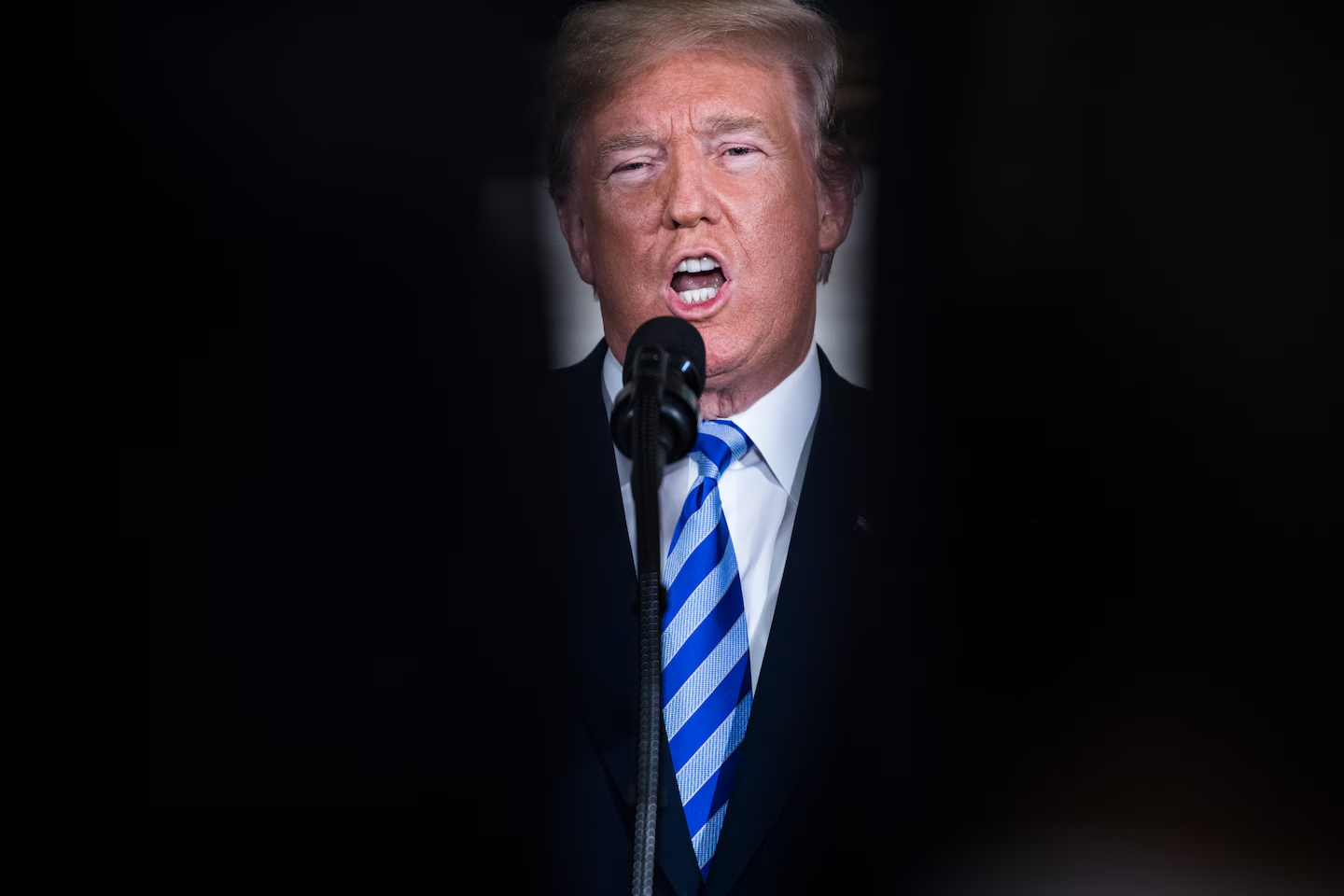
In the wake of Iran's missile launch into Israel, President-elect Donald Trump's administration, with Marco Rubio as the nominee for Secretary of State, is expected to adopt a less hawkish stance towards Iran compared to previous policies. Rubio has advocated for maximum pressure and direct measures to influence Iran's actions, reflecting a shift in the U.S. approach to Middle East tensions.
The Israel-Hamas conflict has reached three months, with high civilian casualties and fears of a wider war escalating. U.S. Secretary of State Antony Blinken is on a Middle East mission, urging restraint and a ceasefire while visiting several countries in the region. Despite international calls for de-escalation, Israeli Prime Minister Netanyahu vows to continue until Hamas is defeated and hostages are returned. Meanwhile, violent incidents in the West Bank and cyber-attacks in Lebanon add to the region's instability. Blinken's diplomatic efforts aim to address the humanitarian crisis and prevent further escalation.
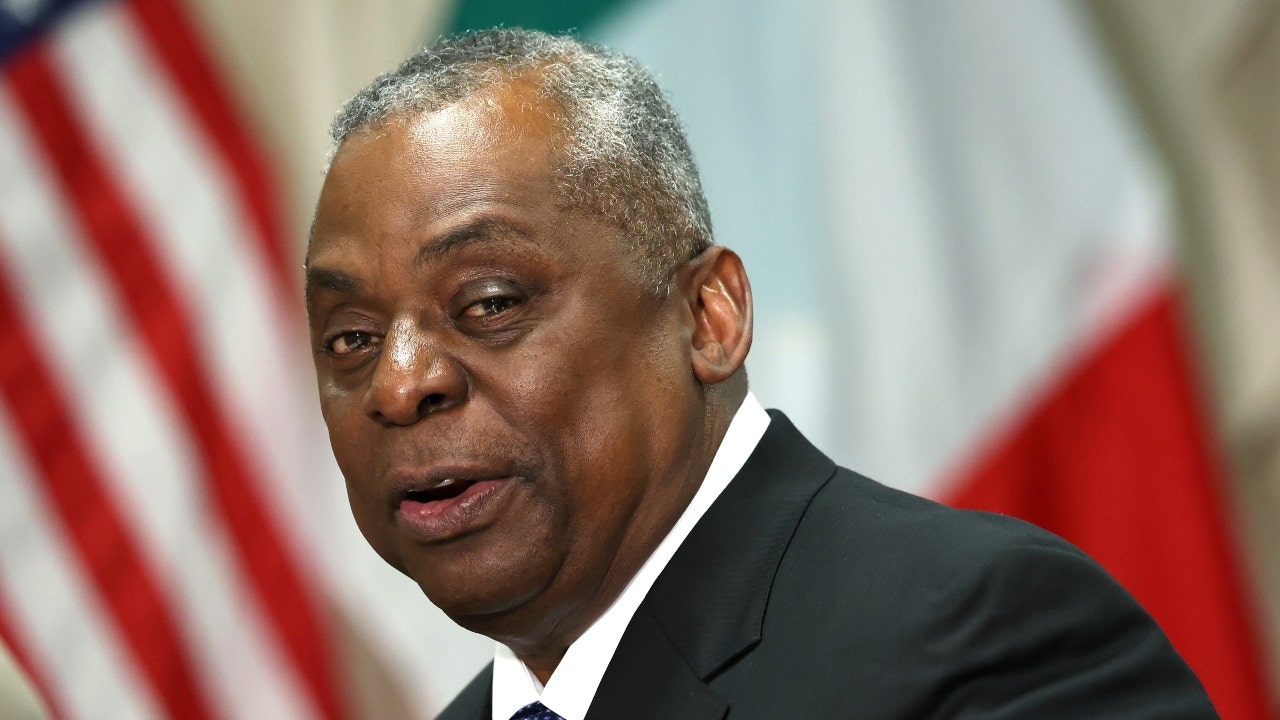
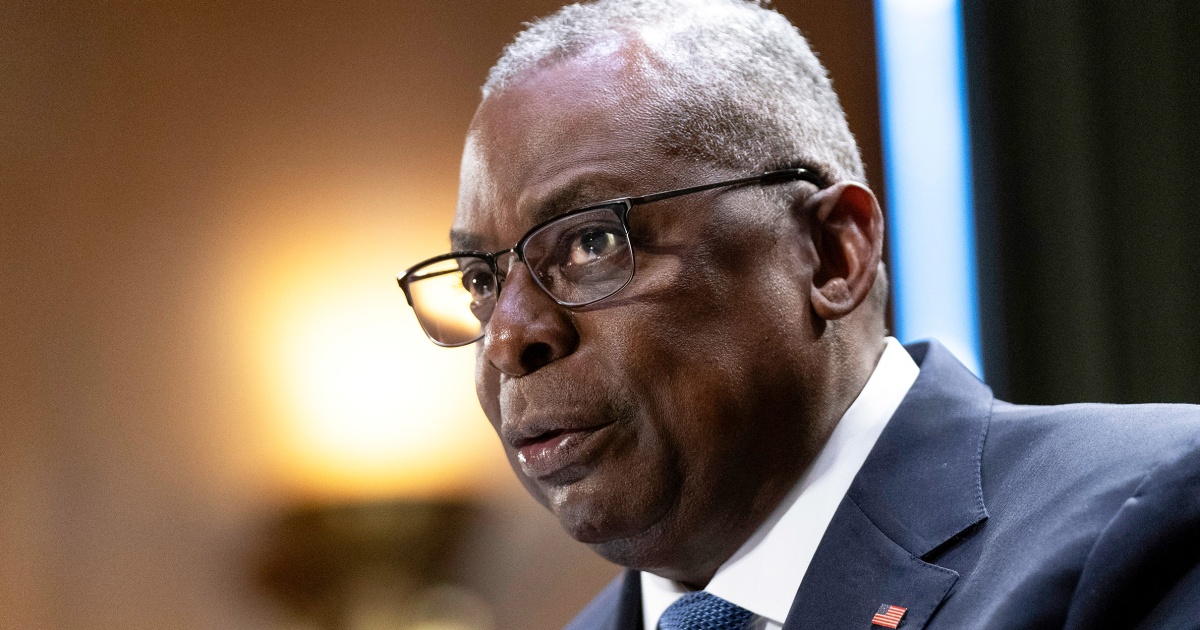
U.S. Secretary of Defense Lloyd Austin was hospitalized in an intensive care unit following complications from an elective medical procedure and has now resumed full duties. The Pentagon kept his hospitalization private due to medical and personal privacy issues, amid a week of heightened tensions in the Middle East. The Pentagon Press Association expressed significant concern over the delayed disclosure of Austin's condition, arguing that the public deserves to know when their leaders are incapacitated. Austin's hospitalization and the subsequent secrecy have raised questions about transparency and protocol within the Defense Department.
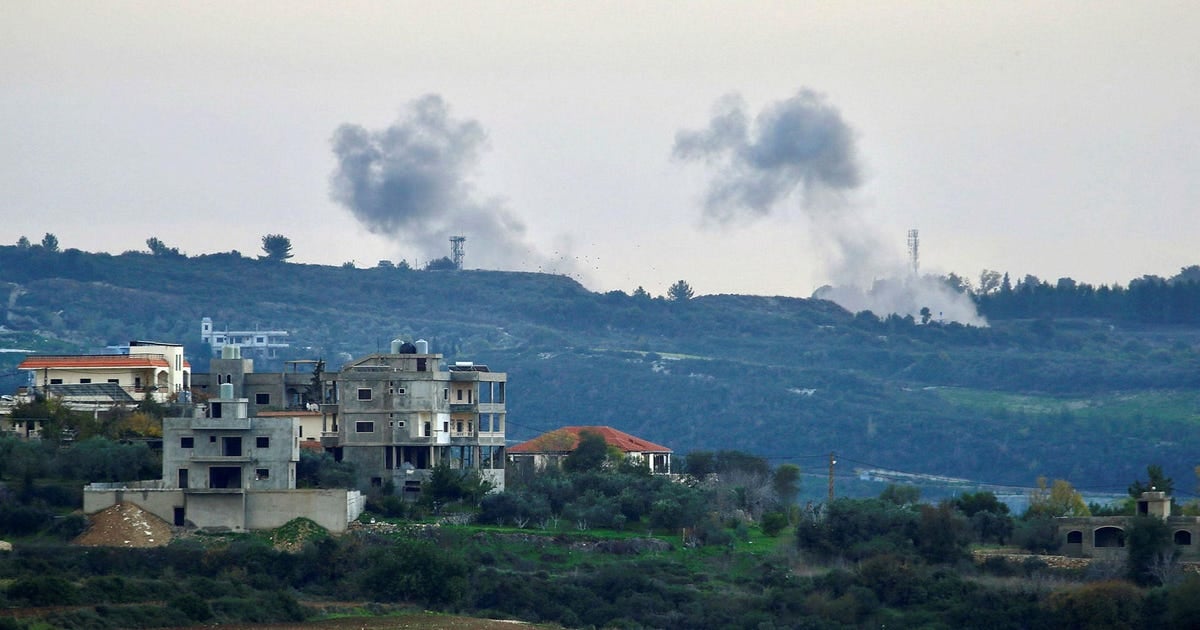
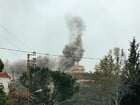
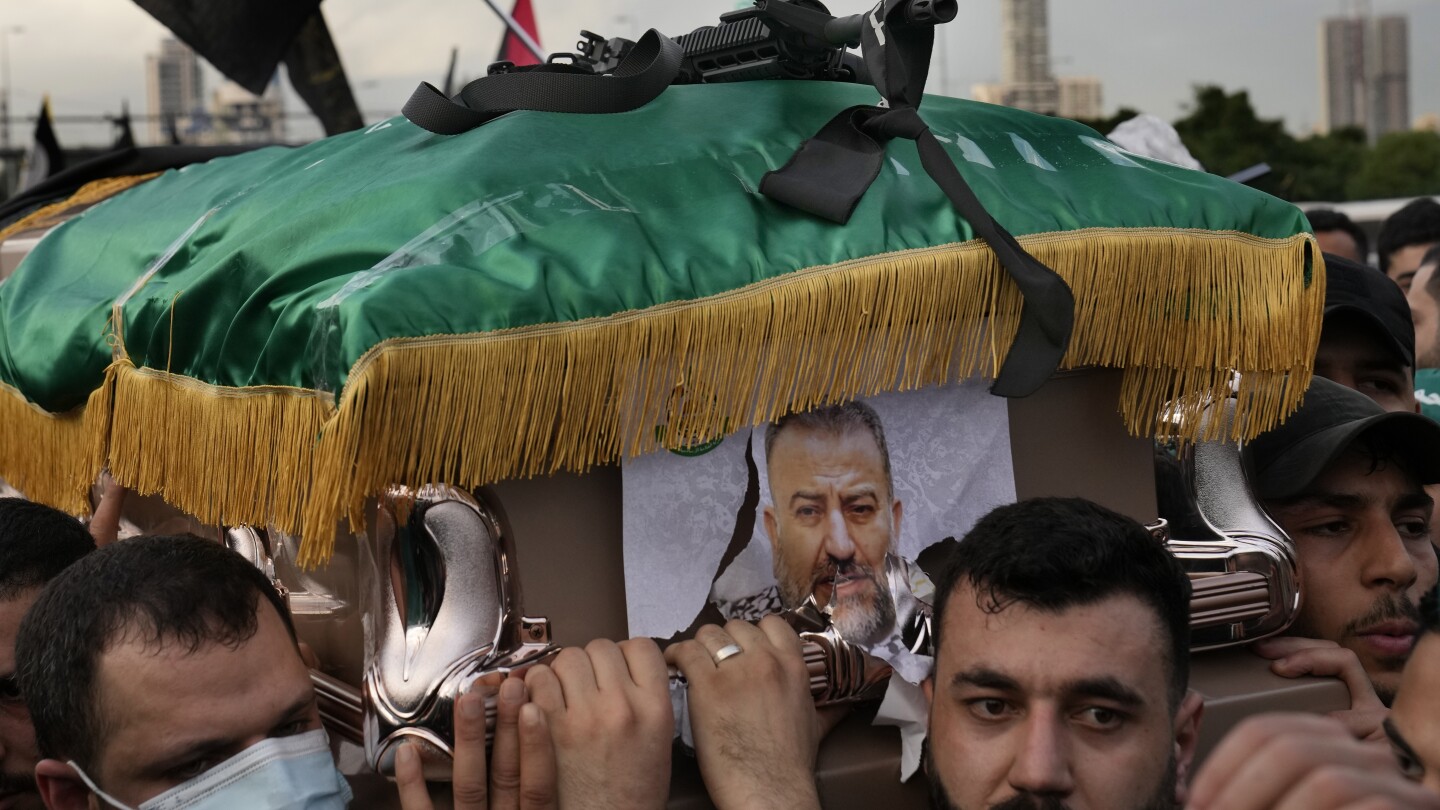
Hezbollah militants in Lebanon fired around 40 rockets into Israel amid heightened Middle East tensions, coinciding with U.S. Secretary of State Antony Blinken's visit to the region aimed at de-escalation. The attack was a response to the killing of Hamas leader Saleh al-Arouri. In retaliation, the Israeli military conducted airstrikes and returned fire at the militants.
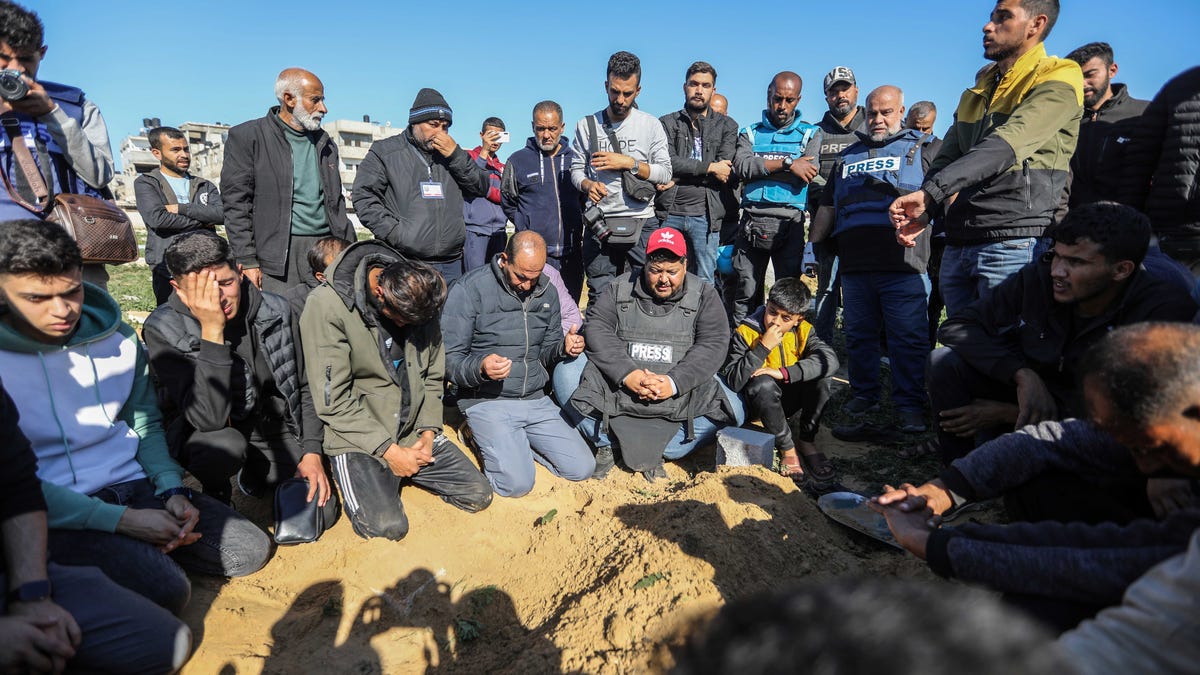
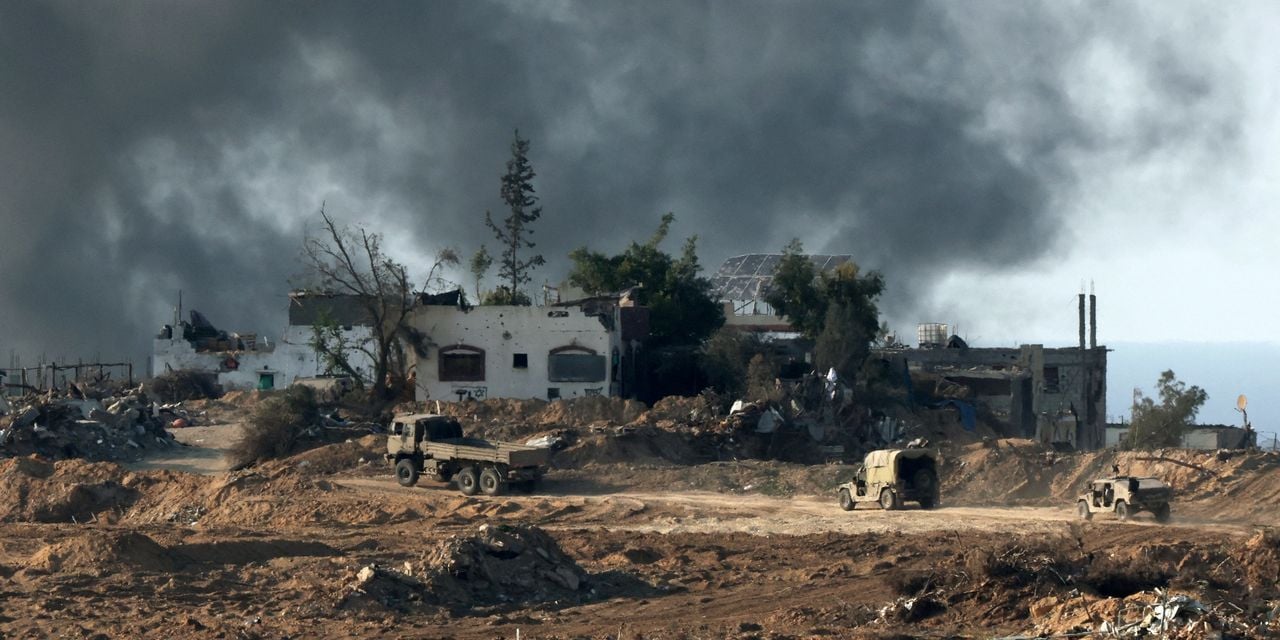
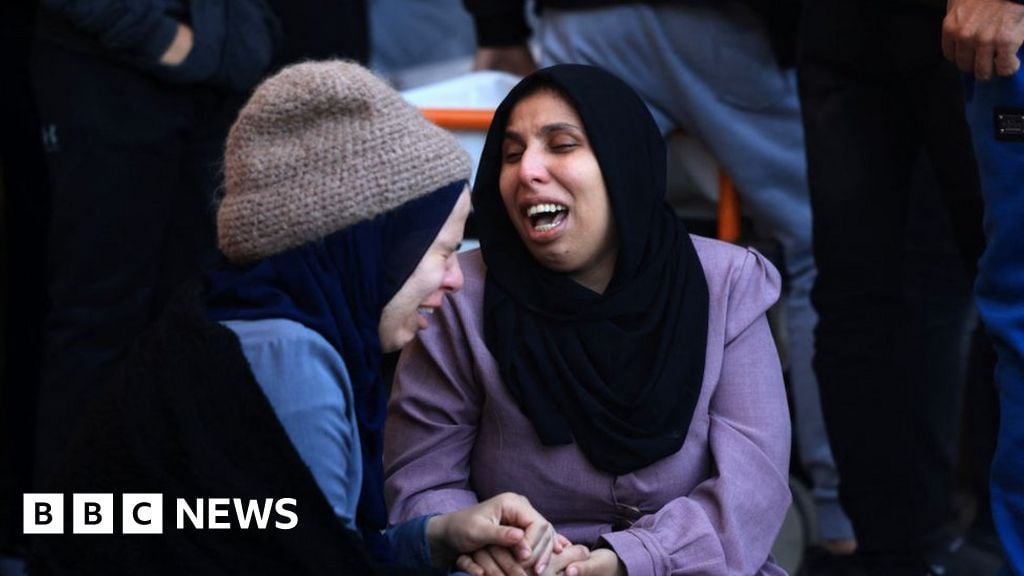
The Israeli Defense Forces (IDF) claim to have dismantled Hamas's military framework in northern Gaza, with significant casualties reported. Amidst the escalating conflict, US Secretary of State Antony Blinken is on a Middle East tour, including stops in Turkey and Greece, aiming to prevent regional escalation. Hezbollah has increased rocket attacks against Israel, and the EU foreign policy chief has warned against a regional conflict. The UN has described Gaza as "uninhabitable," with a dire humanitarian situation unfolding. International efforts are underway to de-escalate tensions and address the humanitarian crisis.
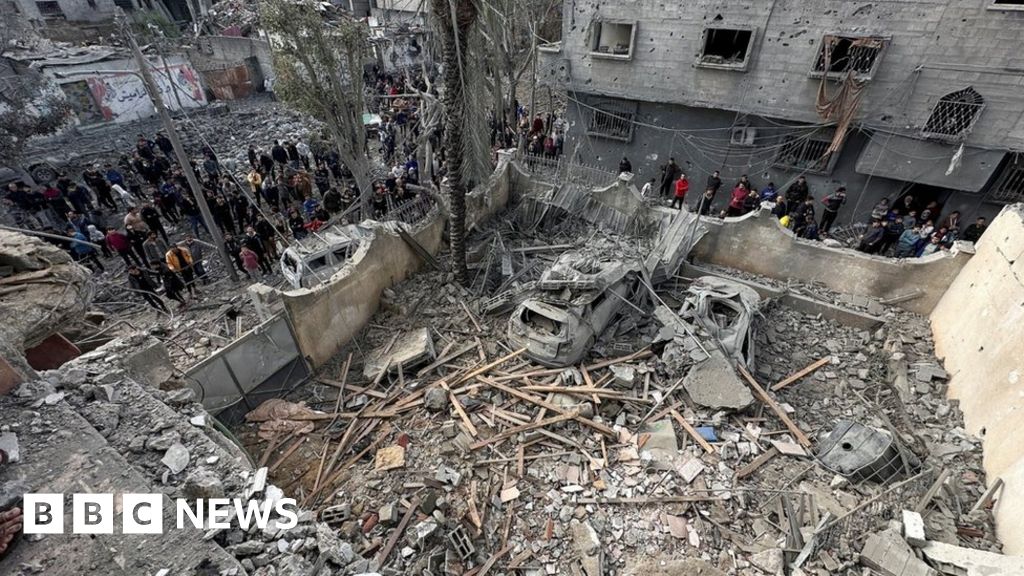
Heavy rocket fire from Lebanon, claimed by Hezbollah as a response to the killing of Hamas' deputy chief, targeted northern Israel, prompting Israeli military retaliation. The escalation comes amid ongoing conflict in Gaza, with significant casualties reported on both sides. U.S. Secretary of State Antony Blinken and EU diplomat Josep Borrell are engaging in diplomatic efforts to prevent further spillover of the Gaza war into neighboring regions. Despite international diplomatic interventions, the violence continues, with recent Israeli attacks in Gaza and the West Bank resulting in more Palestinian deaths.
The Israeli army claims to have destroyed Hamas's command structure in northern Gaza, with sporadic militant activity remaining. Israel reports killing around 8,000 militants in the area, a figure that cannot be independently verified. The conflict has resulted in over 22,000 deaths, according to Hamas, and significant displacement within Gaza. Israeli Prime Minister Netanyahu vows to continue the campaign against Hamas. Meanwhile, Hezbollah has launched rockets into northern Israel in retaliation for the killing of a top Hamas official in Beirut, leading to exchanges of fire. US Secretary of State Antony Blinken is working to prevent the conflict from escalating further.
The Israel Defense Forces (IDF) reported that around 30 rockets were fired from Lebanon into the Upper Galilee region of northern Israel, triggering air raid sirens. In response, the IDF struck the squad responsible for the launches. The escalation comes amid ongoing tensions and violence in the region, with a significant number of casualties reported on both sides since October 7. The situation remains volatile with international figures, including former U.S. Vice President Mike Pence and French Foreign Minister Catherine Colonna, weighing in on the conflict and its broader implications for regional stability and the prospect of a two-state solution.
U.S. Secretary of Defense Lloyd Austin has been hospitalized due to complications from an elective medical procedure and has been unable to perform his duties since New Year's Day. Deputy Secretary of Defense Kathleen Hicks is temporarily fulfilling his role. The Pentagon has not disclosed details about Austin's condition or the procedure. This comes at a time when the U.S. is involved in Middle East tensions, including a strike against an Iranian-backed militia member and attacks on American bases, as well as considering strikes against Houthi militants in response to attacks on shipping in the Red Sea.
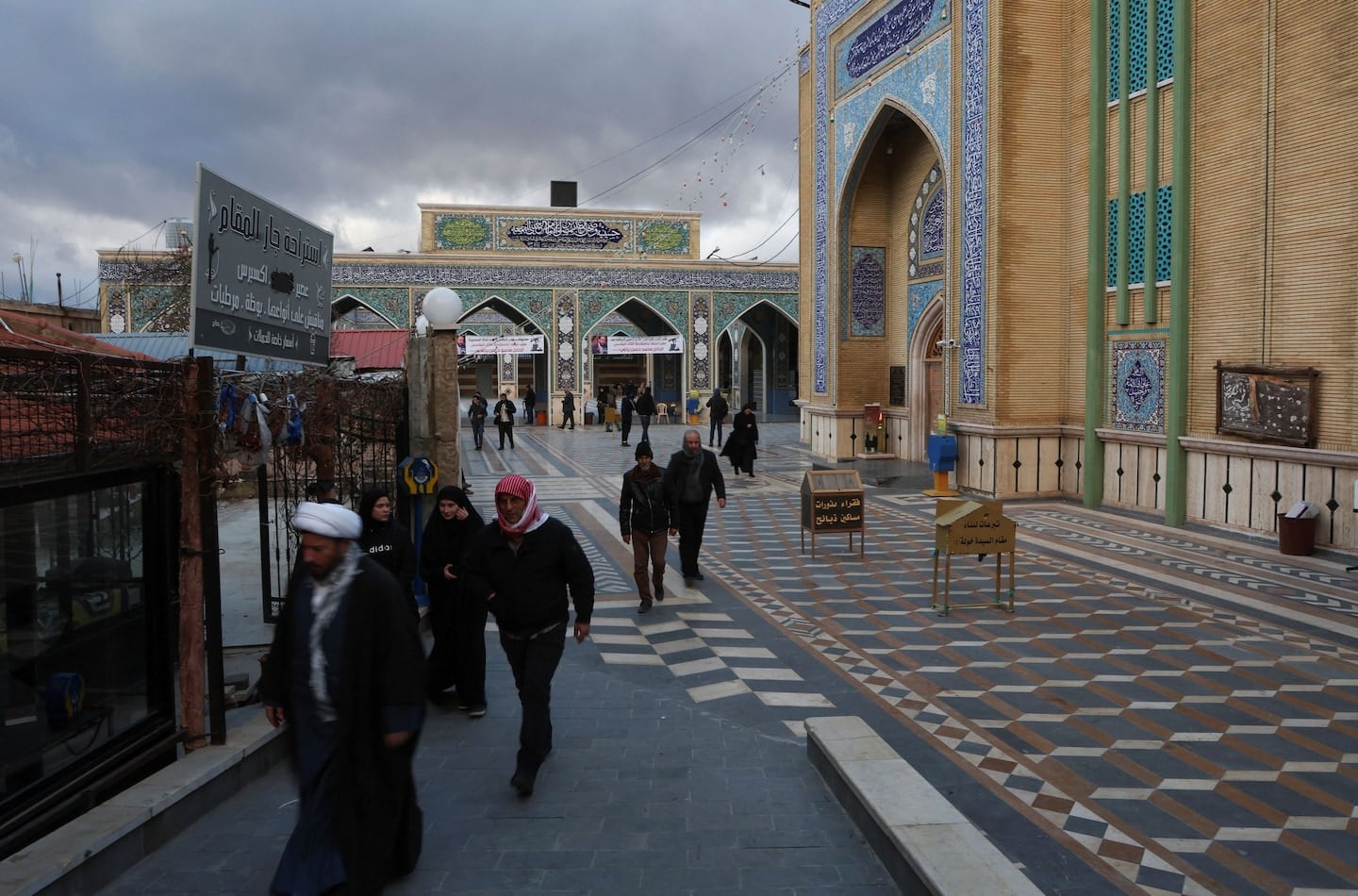
Hezbollah leader Hasan Nasrallah hinted at the possibility of Lebanon entering negotiations with Israel regarding border demarcation, contingent on a cease-fire in Gaza. This comes amidst heightened regional tensions following a suspected Israeli assassination in Beirut and a U.S. airstrike in Baghdad. Despite the aggressive rhetoric and ongoing hostilities, including support for Hamas and exchanges of fire with Israel, Nasrallah's speech suggested a potential shift towards negotiation, as indicated by analysts. The U.S. envoy Amos Hochstein, who previously mediated maritime border talks between Israel and Lebanon, has been involved in discussions to revive border talks. Nasrallah's stance also reflects a consideration of Lebanon's dire economic situation and the broader implications for U.S. interests in the region.
Israeli Defence Minister Yoav Gallant has proposed a plan for Gaza's future governance post-war, suggesting limited Palestinian rule with Israel retaining overall security control. The plan includes a multinational force for rebuilding and an unspecified role for Egypt, while ensuring no hostility towards Israel. The proposal has not been detailed by Prime Minister Netanyahu and has sparked internal disagreement within the Israeli government. Meanwhile, US Secretary of State Antony Blinken is expected to visit the region for talks. The conflict continues with significant casualties reported, and Israel's military strategy involves targeted operations in Gaza.
Israeli warplanes conducted strikes in southern Lebanon ahead of a speech by Hezbollah leader Sayyed Hassan Nasrallah, amidst escalating tensions following the killing of Hamas's Saleh al-Arouri. The region has seen increased violence, including deadly blasts in Iran and a U.S. strike in Baghdad, raising concerns of a wider conflict. Despite experts deeming a larger war unlikely, the potential for miscalculated reprisals poses a risk for further escalation. The ongoing conflict has resulted in numerous casualties on both sides. Nasrallah has promised retaliation for Arouri's death.
The ongoing war between Israel and Hamas continues with heavy fighting in Gaza, where Israeli Defense Minister Yoav Gallant proposes a new combat approach and post-war administration. Despite high casualties, including the death of a top Hamas commander in Beirut, diplomatic efforts are still in play, with improved relations between Spain and Israel and potential talks with Hezbollah. U.S. Senator Lindsey Graham discusses the possibility of Israel-Saudi Arabia normalization and former U.S. Vice President Mike Pence expresses support for Israel. Meanwhile, the Israeli military targets Hamas weaponry labs and infrastructure in Gaza.
The Biden administration is preparing for the possibility that the conflict in Gaza could escalate into a wider regional war. U.S. officials are concerned about Iran-backed Houthi militants attacking commercial shipping in the Red Sea and are considering military strikes on Houthi targets in Yemen. The administration is also wary of potential attacks on U.S. forces by Iranian proxies in Iraq and Syria. These developments come at a sensitive time for President Biden, who is approaching the 2024 election campaign with a focus on domestic issues but may be drawn deeper into Middle East conflicts, potentially affecting his reelection chances.