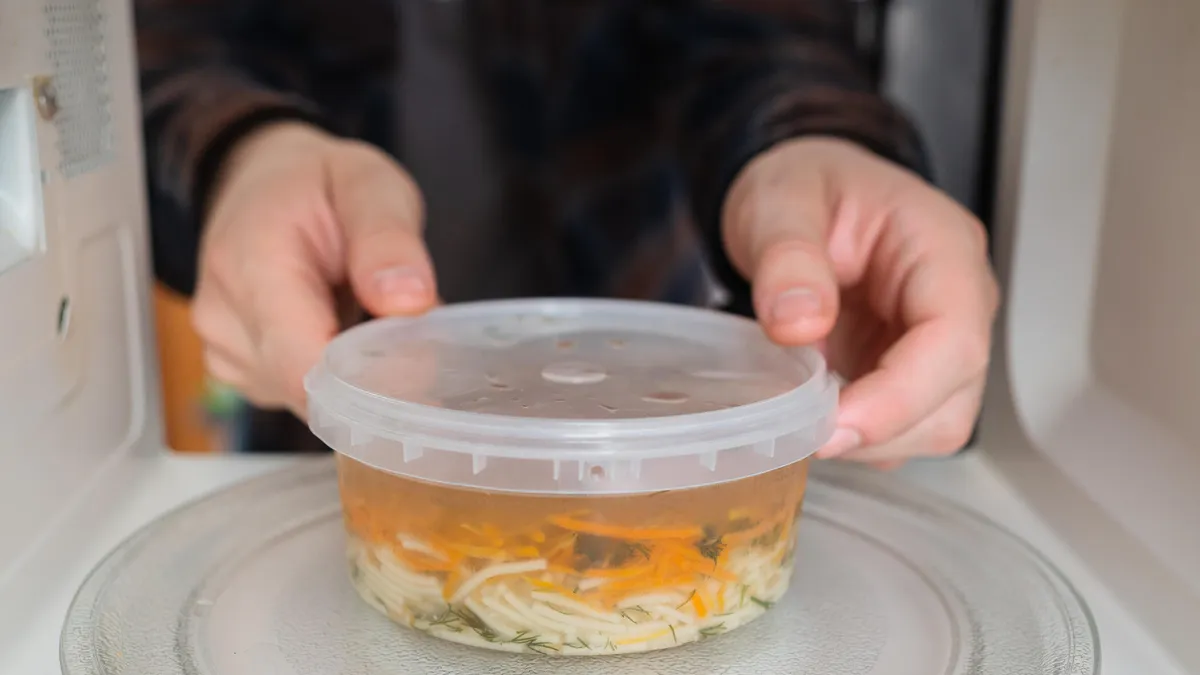
Using the microwave safely involves understanding which materials are appropriate; glass and ceramic are generally safe, while plastics should be carefully chosen and damaged containers discarded. Metals are never safe in microwaves, and decorative or damaged containers can pose risks. Always look for microwave-safe labels and avoid sudden temperature changes to prevent accidents and chemical leaching.
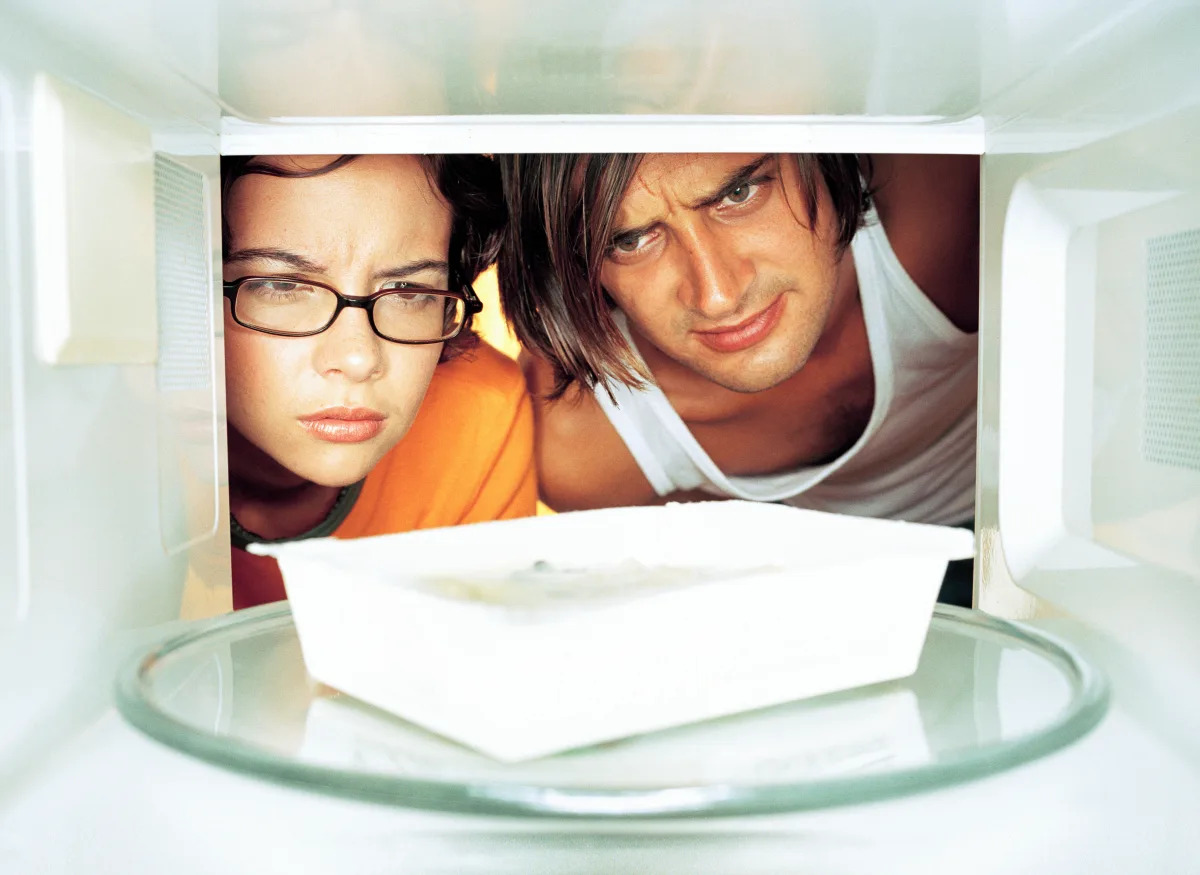
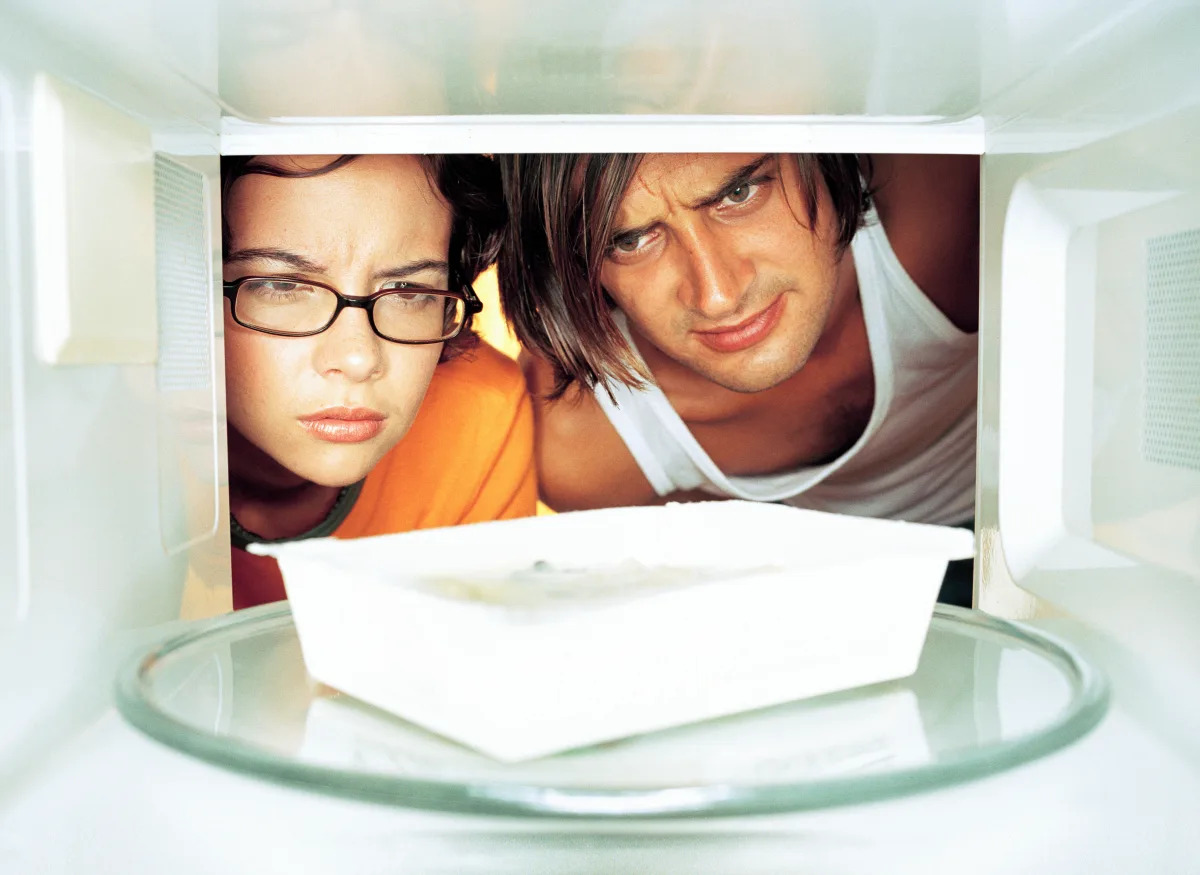
Experts say that standing in front of a properly functioning microwave is safe, as the electromagnetic radiation it emits remains confined to the appliance and does not cause radioactivity in food or people. The FDA regulates microwave ovens to ensure safety, and the only risk comes from damaged devices potentially emitting harmful waves. Using microwave-safe materials and handling hot items with care are important for avoiding burns, but overall, there is no significant reason to fear using a microwave.
Experts say that standing in front of a properly functioning microwave is safe, as the electromagnetic radiation it emits remains confined to the appliance and does not cause radioactivity in food or people. The FDA regulates microwave ovens to ensure safety, and the risk of harm only arises if the oven is damaged and leaking radiation. Using microwave-safe materials and handling hot food with care are important for avoiding burns, but there is no real reason to fear using a microwave as long as it is in good condition and used properly.