Mothership is a new independent website launched by former Polygon staff, focusing on gender and identity in gaming, as a response to the collapse of mainstream gaming media and the sale of Polygon. It aims to provide quality journalism without ads, emphasizing underrepresented perspectives and a critical, identity-first approach to gaming culture.
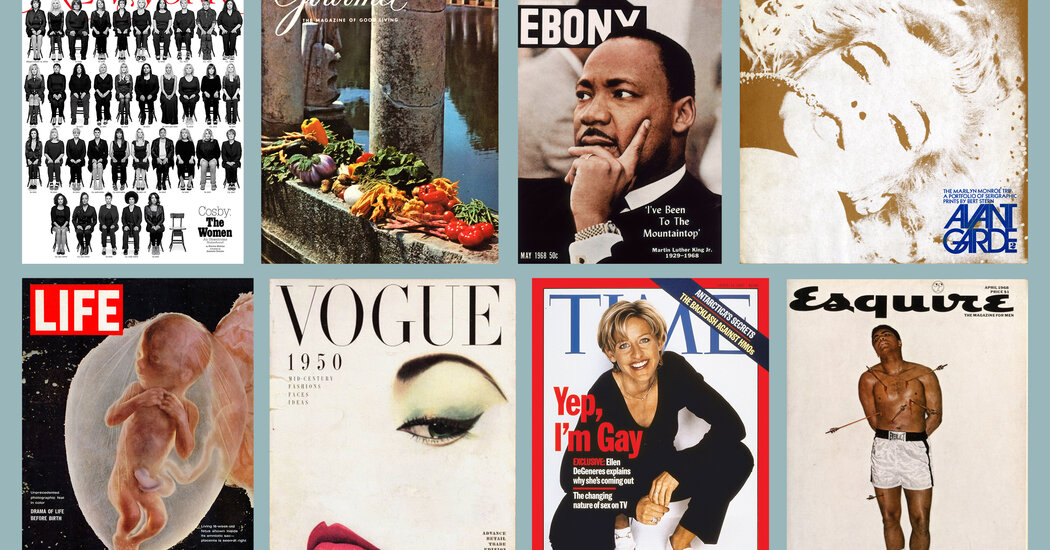
A panel of experts selected the 25 most influential magazine covers of all time, highlighting their enduring impact on culture and media despite the decline of print, and emphasizing the significance of magazine covers in shaping public perception and visual history.
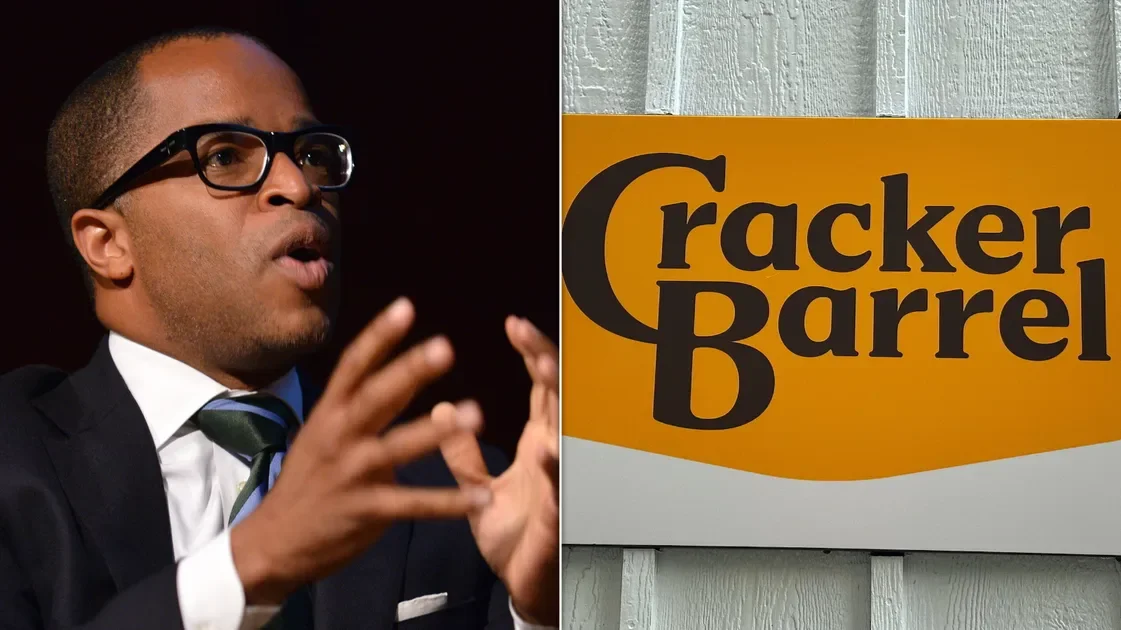
MSNBC host Jonathan Capehart criticized conservative reactions to Cracker Barrel's new logo, which some on the right labeled as 'woke,' arguing that their outrage over the rebrand is excessive compared to real societal issues.
The documentary filmmaking community faces significant challenges due to federal funding cuts, including the rescinding of the CPB's budget, leading to budget reductions at PBS and other organizations. Despite these setbacks, filmmakers and media organizations are exploring alternative funding sources and digital platforms to continue producing and distributing documentaries, emphasizing resilience and innovation in the face of financial adversity.
The article discusses the rise of social media influencers and livestreamers covering Sean 'Diddy' Combs' sex-trafficking trial outside the courtroom, highlighting a shift from traditional media to digital platforms in shaping public perception and the challenges and opportunities this new media landscape presents.
Stephen Colbert criticized climate activists for spray-painting Stonehenge as part of a protest against fossil fuels, expressing sarcastic outrage and noting that the damage is not permanent.
Israeli documentarian Yuval Abraham's acceptance speech for 'No Other Land' at the Berlin International Film Festival has been labeled as antisemitic by the Kan public broadcaster, sparking controversy over the mention of the occupation. The creators of the documentary faced criticism upon their return to Israel, with any reference to the occupation being deemed as antisemitic by some.
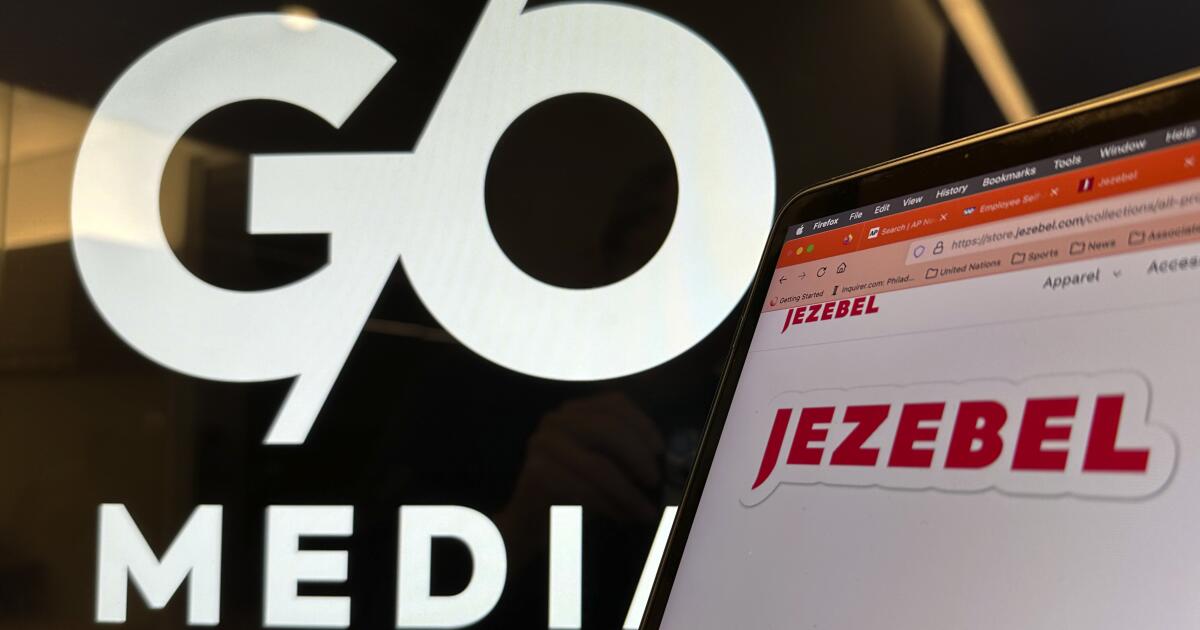
Jezebel, the groundbreaking women's website, was abruptly shut down by its current owner, G/O Media, after more than 15 years. The site was known for its in-depth analysis of media, particularly in relation to nonwhite men, and its coverage of reproductive rights, workplace injustices, and body positivity. Jezebel played a significant role in shaping the media landscape and empowering its audience through media literacy. Its closure marks the end of an era in women's media and leaves a void in the online journalism space.