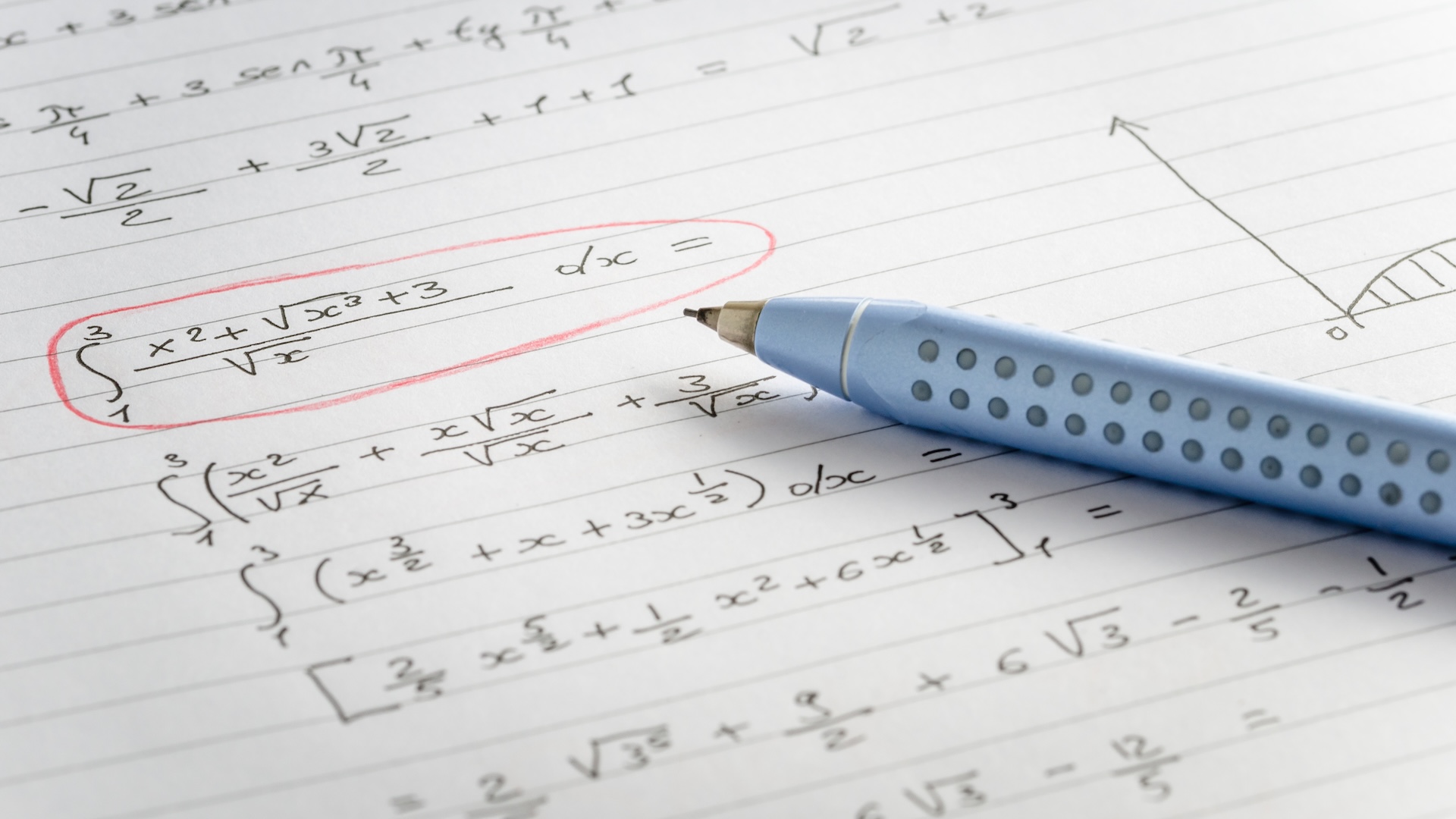
The article emphasizes the importance of sharpening math skills in the age of AI, while also highlighting concerns about personal data privacy and the need for digital literacy. It discusses how AI impacts data processing and the importance of understanding these technologies.

A large-scale French study over five years shows that gender differences in math skills emerge rapidly after children start school, with boys outperforming girls increasingly as they progress through grades, suggesting that early math instruction, rather than innate ability or social bias, may contribute to the gender gap.
A study in PLOS Biology found that mild electrical brain stimulation can improve math performance, especially in low performers, by enhancing neural connectivity between key brain regions, offering potential for educational and cognitive advancements.
A study found that mild electrical brain stimulation can improve math skills in college students, especially those with weaker neural connectivity, suggesting potential for at-home use and applications for learning difficulties, though more research is needed to confirm safety and effectiveness.
A recent OECD survey reveals that about 20% of adults aged 16 to 65 in wealthy countries have math and reading skills comparable to a primary school student. The study also indicates a decline in adult literacy over the past decade.
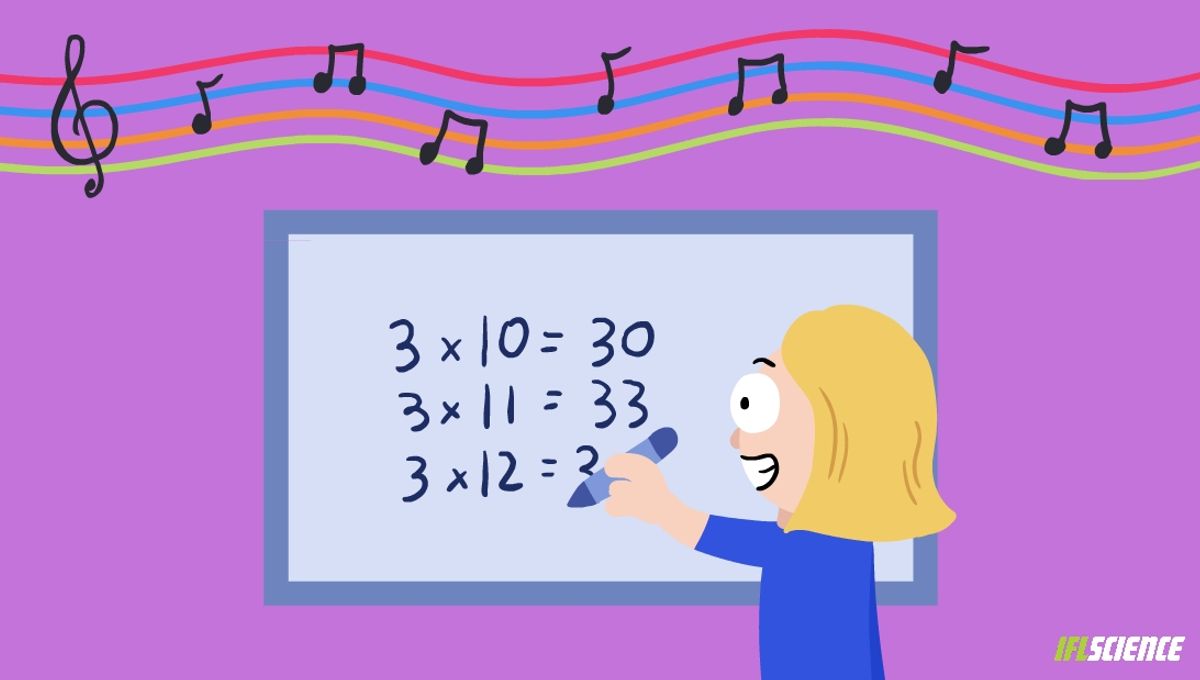
The belief that there's a link between math and musical skills is widespread, with examples of high-profile individuals excelling in both fields. Research suggests that teaching music to young children can improve their math skills, with integrated music-mathematics interventions showing the greatest effect. This interdisciplinary approach not only enhances math scores but also helps alleviate math anxiety. Dr. Ayça Akın's study indicates that embedding music within the math curriculum from an early age could benefit students, making math more accessible and enjoyable.