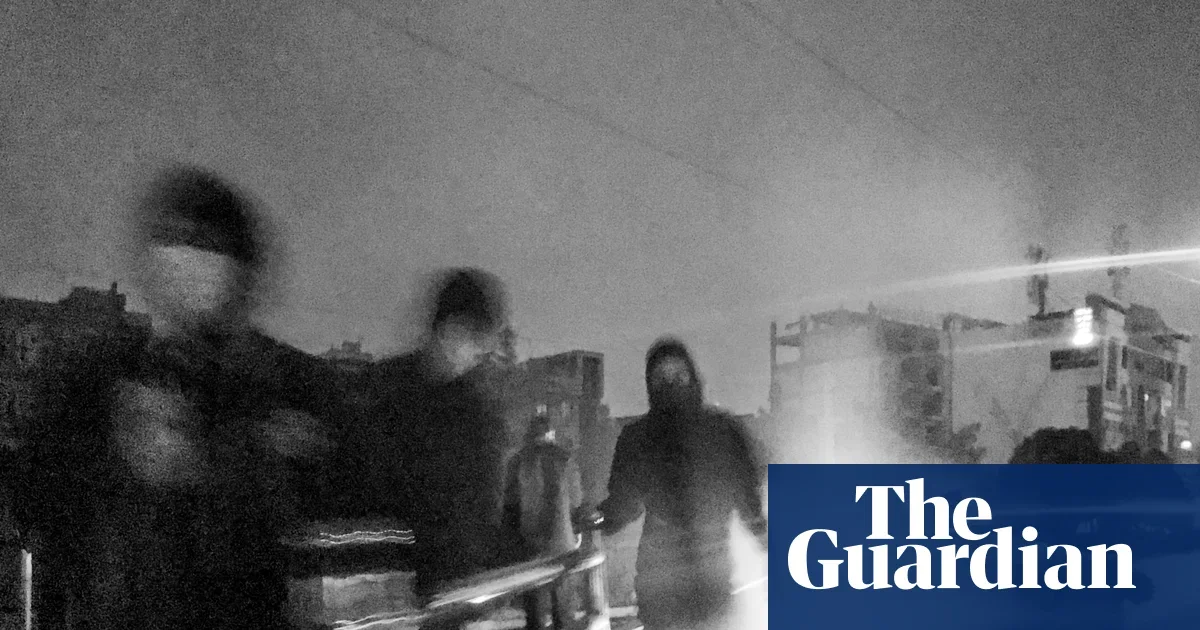
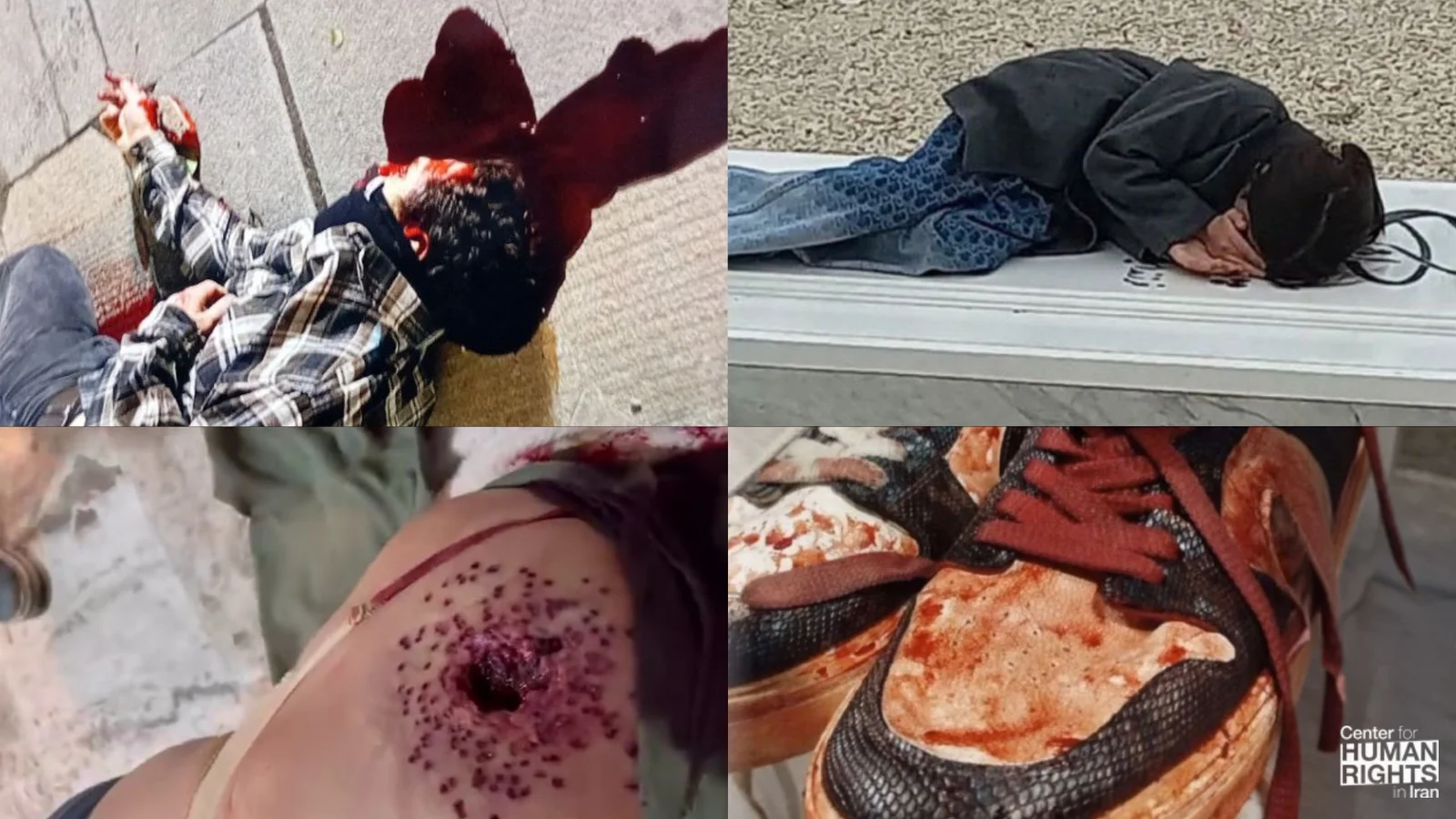
Exclusive Guardian images and survivor testimonies from Tehran detail a January 2026 crackdown in which security forces allegedly killed thousands of protesters, with accounts of pellet injuries, live-fire shootings, and mass casualties after a nationwide internet blackout.
CHRI documents an unprecedented Iran-wide crackdown on January 2026 protests, including shoot-to-kill orders, use of heavy weapons and pellet rounds, mass arrests, violent night raids, and trials conducted without lawyers, with detainees held in unofficial facilities under IRGC supervision. Eyewitnesses describe enforced disappearances, family coercion, and attempts to bury bodies to obscure casualties across cities like Kerman, Khorramabad, Andimeshk, Qorveh, Mahabad, Sanandaj, and Arak, signaling systemic state violence and martial-law-like conditions. The report calls for international accountability, internet access for information, and targeted sanctions against Iranian officials.
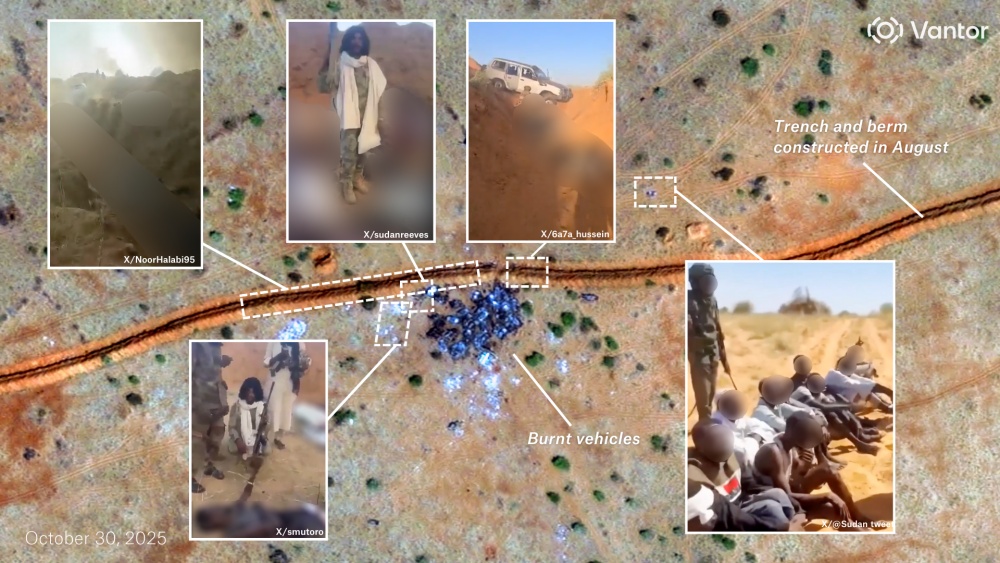
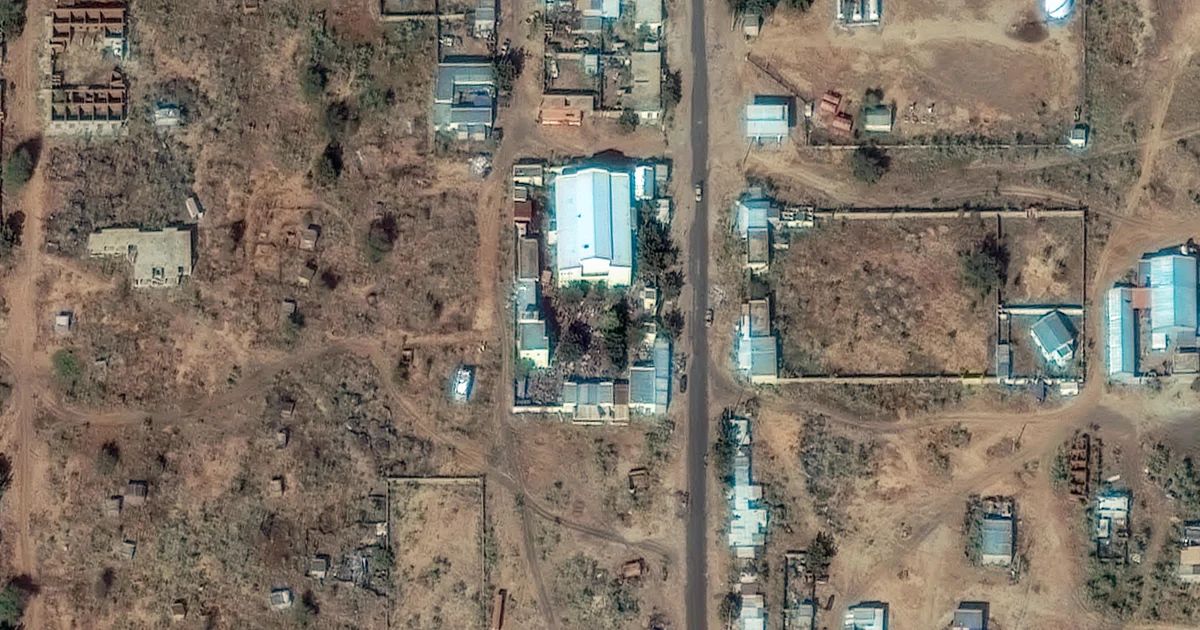
Yale University researchers report that Sudan's RSF is attempting to cover up mass killings in el-Fasher by burying and burning bodies, with satellite images indicating ongoing efforts to destroy evidence of widespread violence during their capture of the city, amidst ongoing civil war and humanitarian crisis.
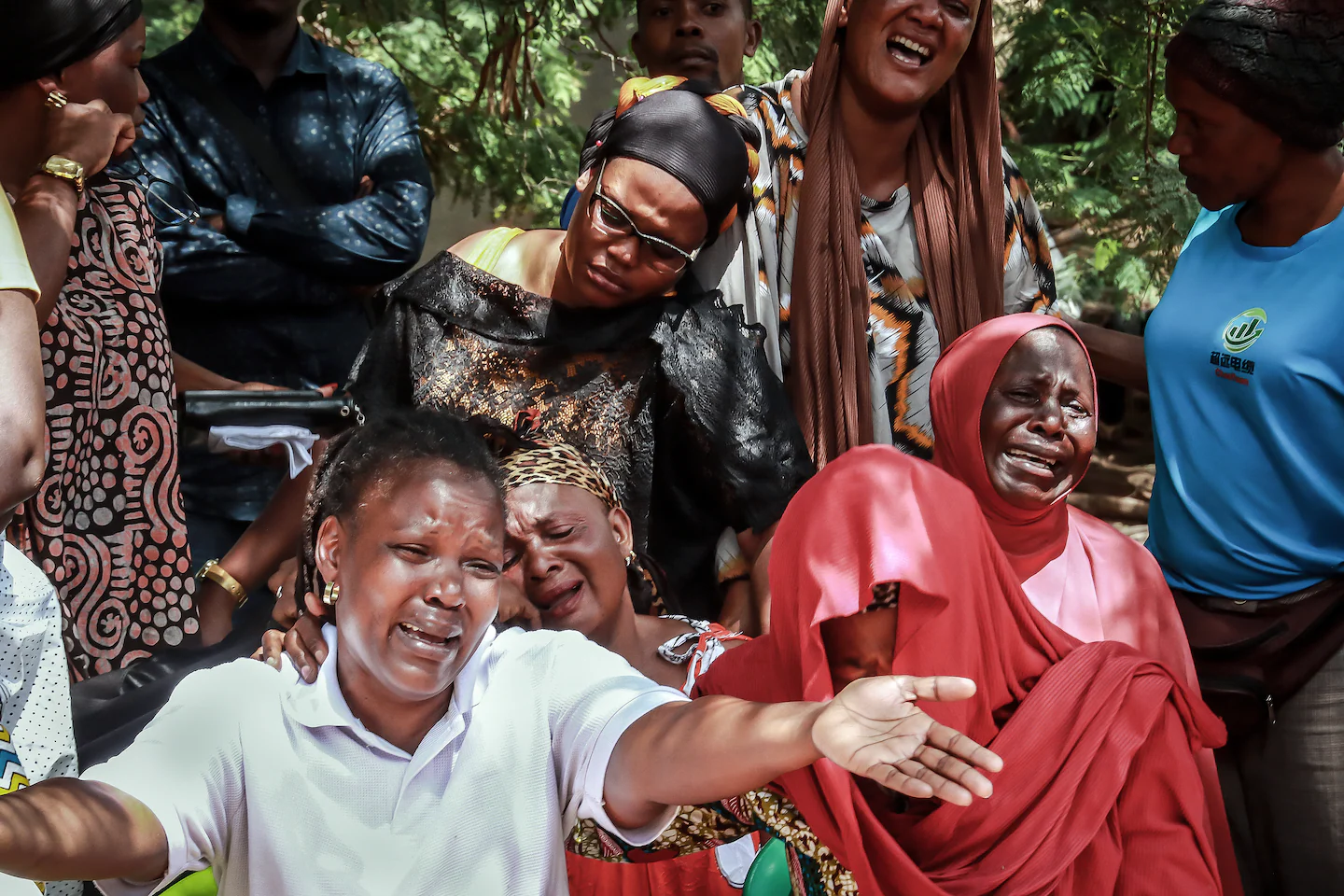
In Tanzania, over 1,000 people are believed to have been killed by security forces amid political violence, with families searching for bodies and witnesses reporting widespread atrocities.
A Bellingcat investigation has pinpointed the location of a mass killing outside Al Fashir, Darfur, where over 80 people were killed by RSF fighters during the recent conflict, with evidence suggesting systematic and unlawful violence, including videos and satellite imagery confirming the scene and the involvement of RSF commanders. The incident highlights ongoing atrocities and lack of accountability in the region.
Satellite images indicate ongoing mass killings in and around El-Fasher, Sudan, with reports of atrocities, civilian casualties, and a worsening humanitarian crisis as the Rapid Support Forces take control of the region amid international concern and accusations of war crimes.
UN leaders condemned the mass killings and atrocities committed by the Rapid Support Forces in El Fasher, Sudan, highlighting widespread human rights violations, chaos, and the urgent need for international action to protect civilians and address the ongoing conflict.
Systematic killings and ethnic violence have erupted in el-Fasher, Darfur, amid ongoing conflict between the RSF and Sudanese military, echoing past genocides with reports of atrocities, mass displacement, and international concern over potential genocide.
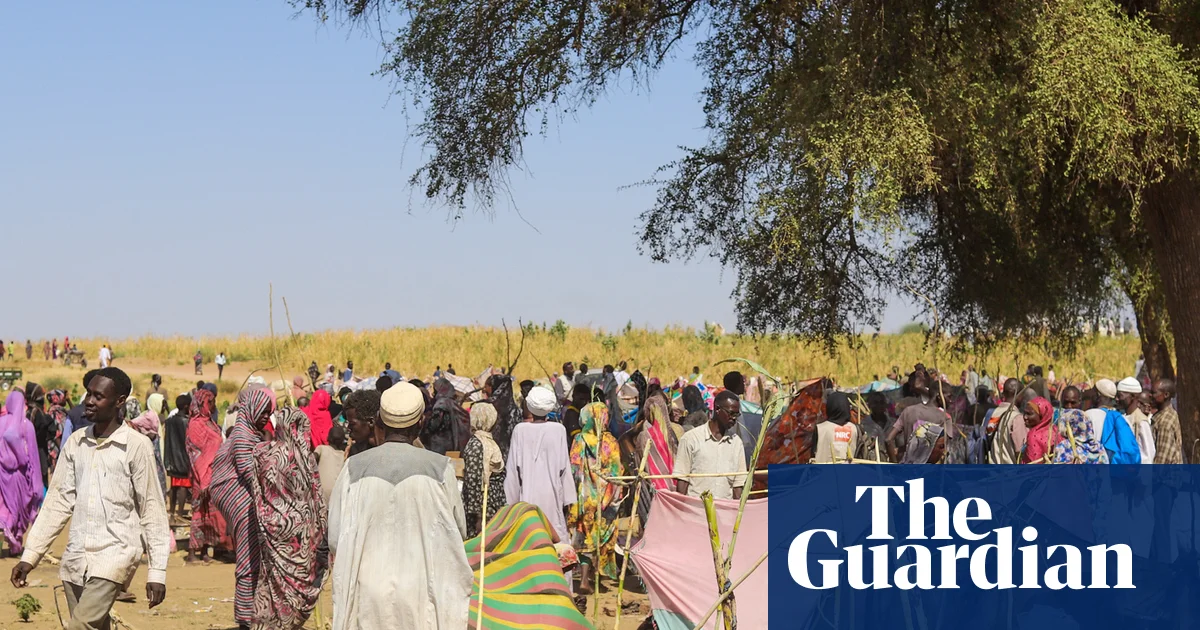
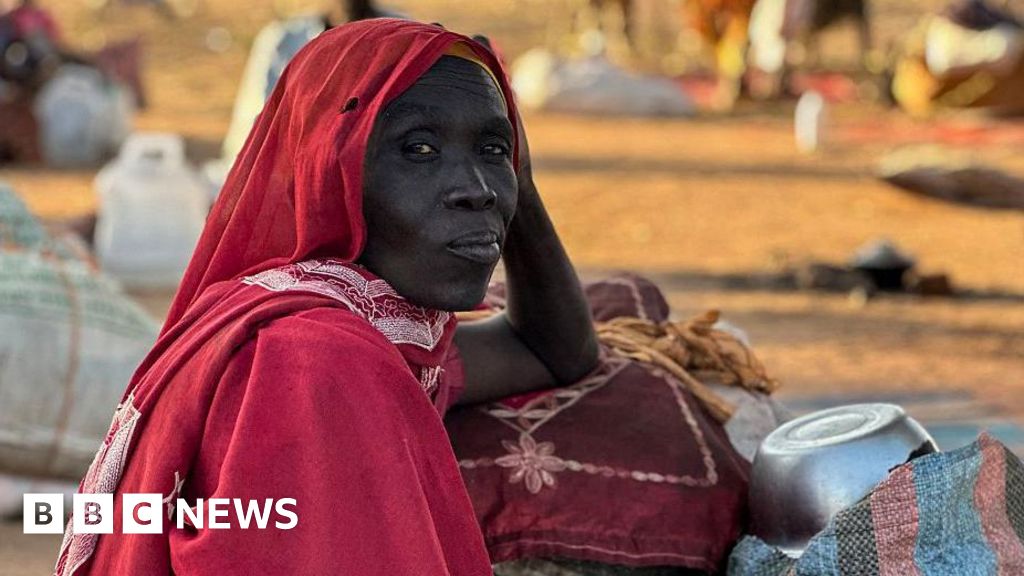
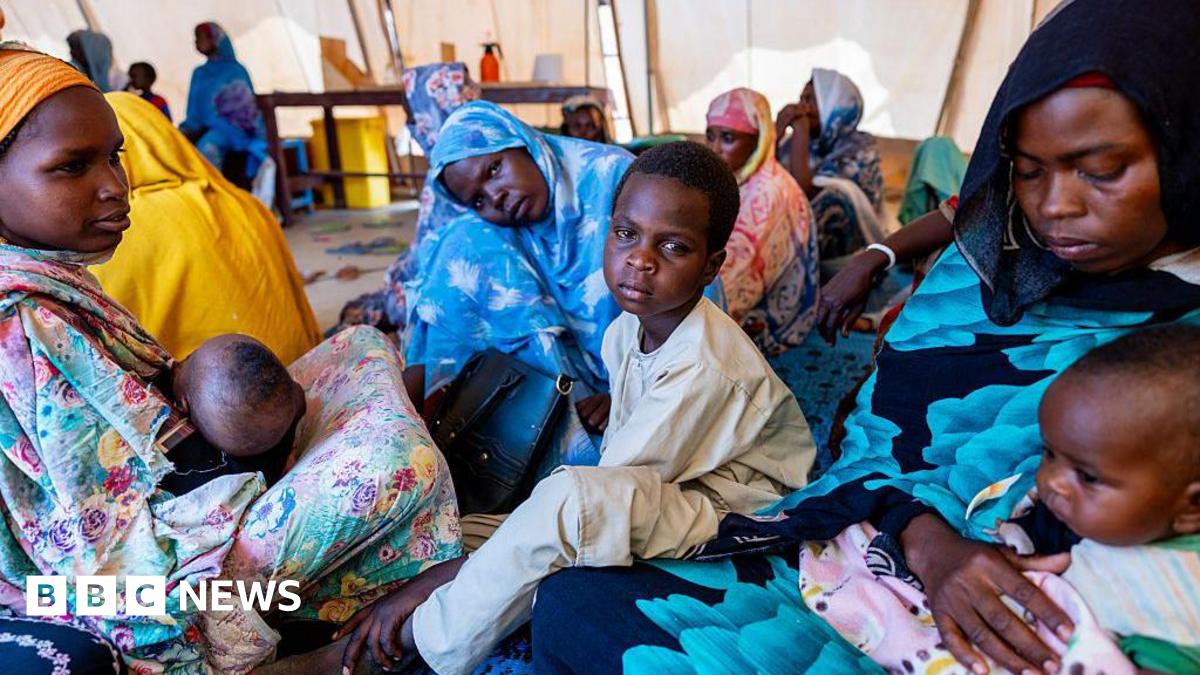
The paramilitary Rapid Support Forces (RSF) have taken control of the key city of el-Fasher in Sudan after an 18-month siege, marking a significant escalation in the ongoing civil war that has caused widespread violence, displacement, and reports of mass killings, with satellite evidence suggesting ethnically targeted atrocities.
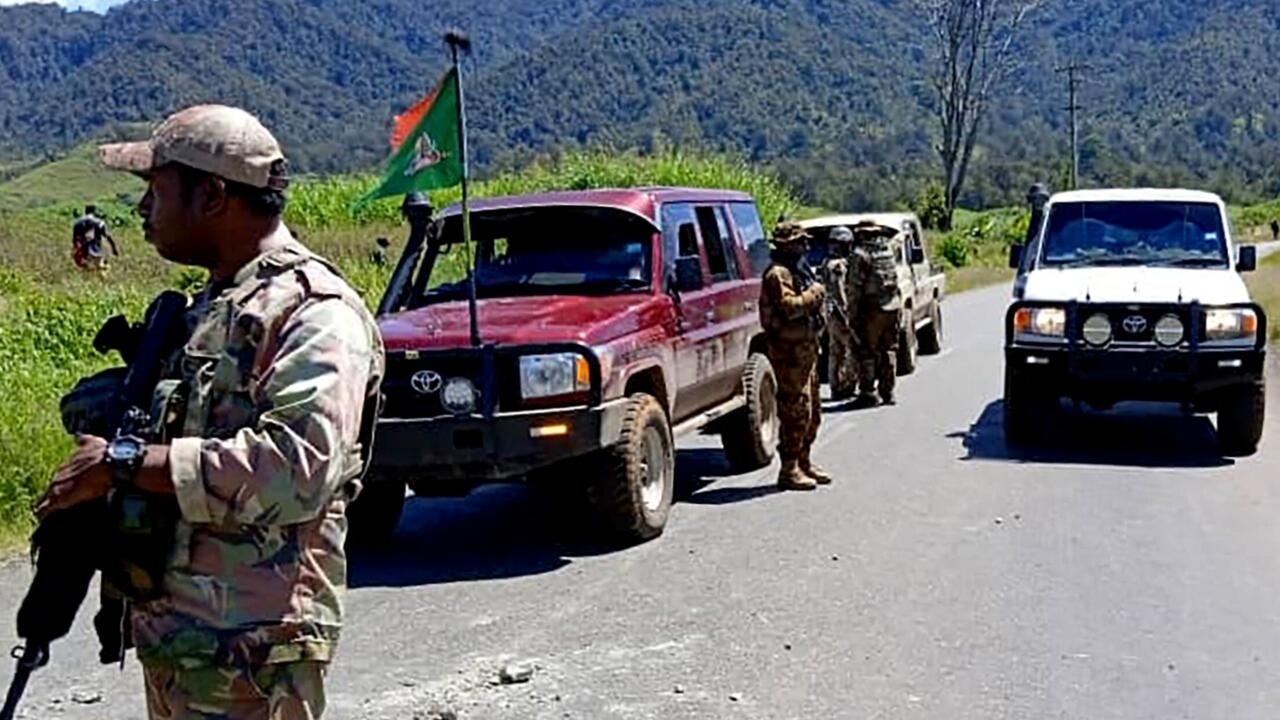
Sixty-four bodies have been found in Papua New Guinea's highlands following an ambush by a rival tribe, marking an escalation in the long-standing violence between local warring tribes. The area has been plagued by tit-for-tat mass killings, with the use of mercenaries and automatic weapons intensifying the cycle of violence. The government's efforts to control the violence have had little success, and the police force is reportedly ill-equipped to handle the situation. The incident has prompted calls for increased police deployment and support from neighboring countries.
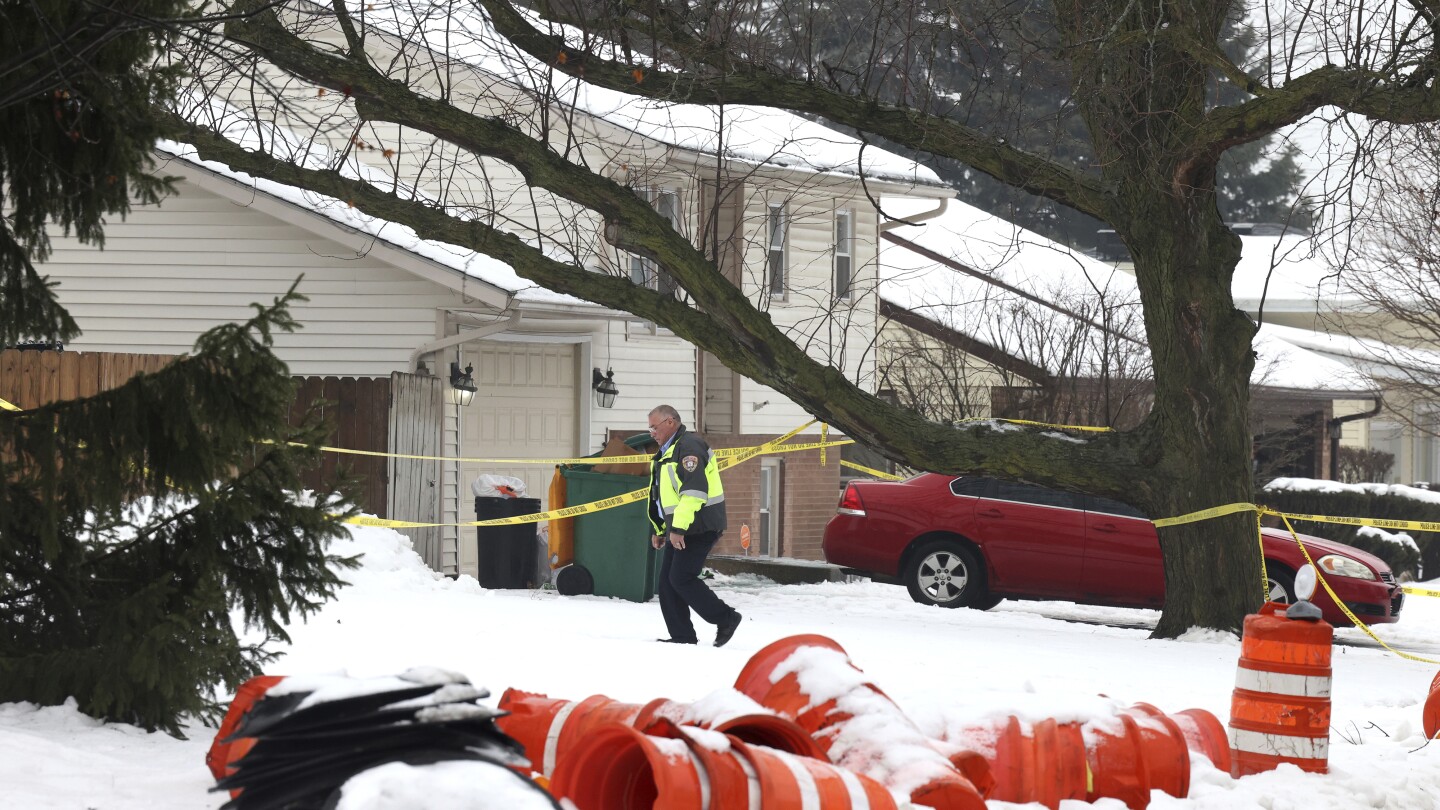
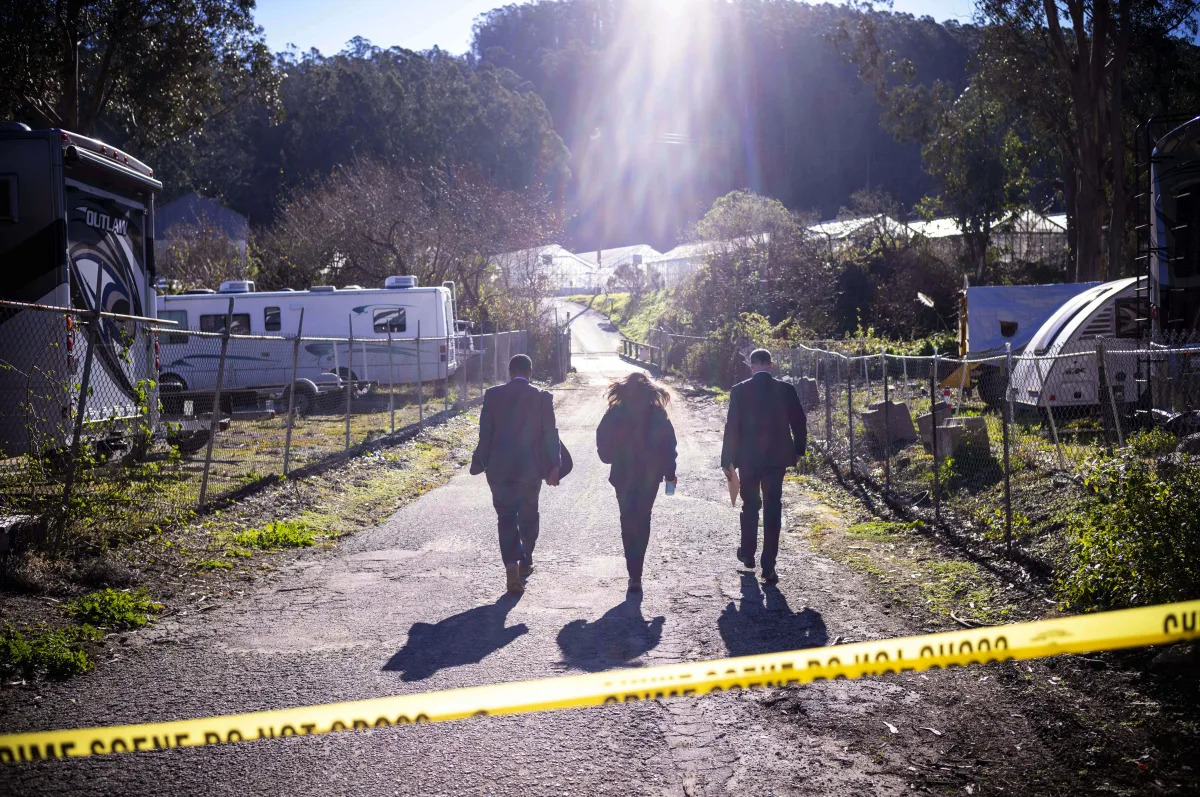
A 23-year-old man is suspected of shooting and killing eight people and injuring one in suburban Chicago before fatally shooting himself during a confrontation with law enforcement in Texas, marking the fourth mass killing in the U.S. this year. The nation has already seen the second-highest number on record of mass killings and deaths at this point in a single year, with a total of 20 deaths. Other mass killings this year include a domestic-related shooting in Tinley Park, Illinois, a fatal shooting in Richmond, Texas, and a 17-year-old boy charged with killing four members of a neighboring family in Reedley, California.
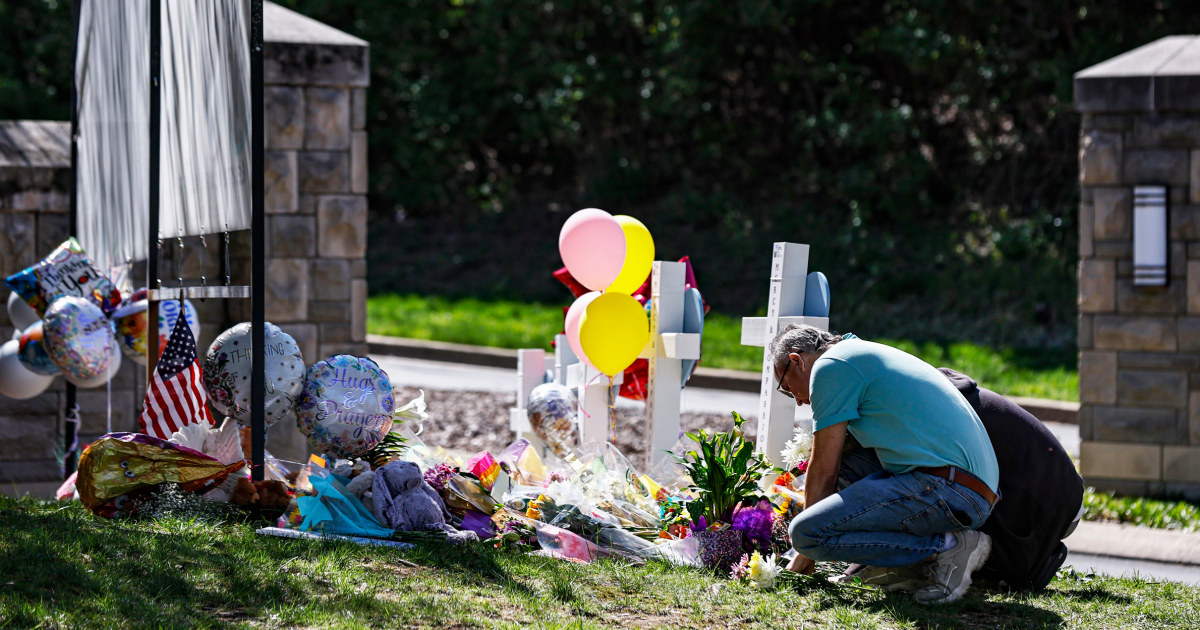
The United States has experienced the deadliest six months of mass killings since at least 2006, with 28 mass killings resulting in 140 victims from January to June 2023. The majority of these incidents involved guns, and the death toll continued to rise throughout the period. Experts attribute the rising violence to a growing population and increased access to firearms. While mass killings represent a fraction of overall gun violence, they often prompt calls for gun law reform. However, the National Rifle Association remains opposed to regulating firearms. Families affected by mass shootings are advocating for change, expressing concerns about the future safety of their children.
The United States has experienced the deadliest six months of mass killings since at least 2006, with 28 mass killings resulting in 140 victims from January 1 to June 30, 2023. The majority of these incidents involved guns. Experts attribute the rising bloodshed to a growing population and increased availability of firearms. While mass killings represent a fraction of overall gun violence, they often prompt calls for gun law reform. However, the National Rifle Association remains staunchly opposed to regulating firearms. Survivors and families of victims are advocating for change, expressing concerns about the future safety of their communities and schools.
The United States has experienced the deadliest six months of mass killings since at least 2006, with 28 mass killings resulting in 140 victims from January 1 to June 30, 2023. The majority of these incidents involved guns. Experts attribute the rising bloodshed to a growing population and an increased number of firearms in the country. While mass killings represent a fraction of overall gun violence, they often prompt attempts to reform gun laws. However, the National Rifle Association remains opposed to regulating firearms. Survivors and families of victims are calling for action to prevent further bloodshed and protect future generations.
A series of shooting rampages across the United States on the Fourth of July left at least 13 people dead and over 30 wounded. In Philadelphia, a 40-year-old man was charged with killing five people and injuring several others. The shootings were part of the nation's 29th mass killing in 2023, the highest on record for this time of year. Other incidents occurred in Shreveport, Louisiana; Washington, D.C.; and Salisbury, Maryland. The Philadelphia shooter had a scanner to monitor police movement and may have obtained the weapons illegally. The incidents have reignited calls for stricter gun control measures.