Tag

Manhattan Project

All articles tagged with #manhattan project

travel1 year ago

"Tracing Oppenheimer: From Science to Streaming Success"

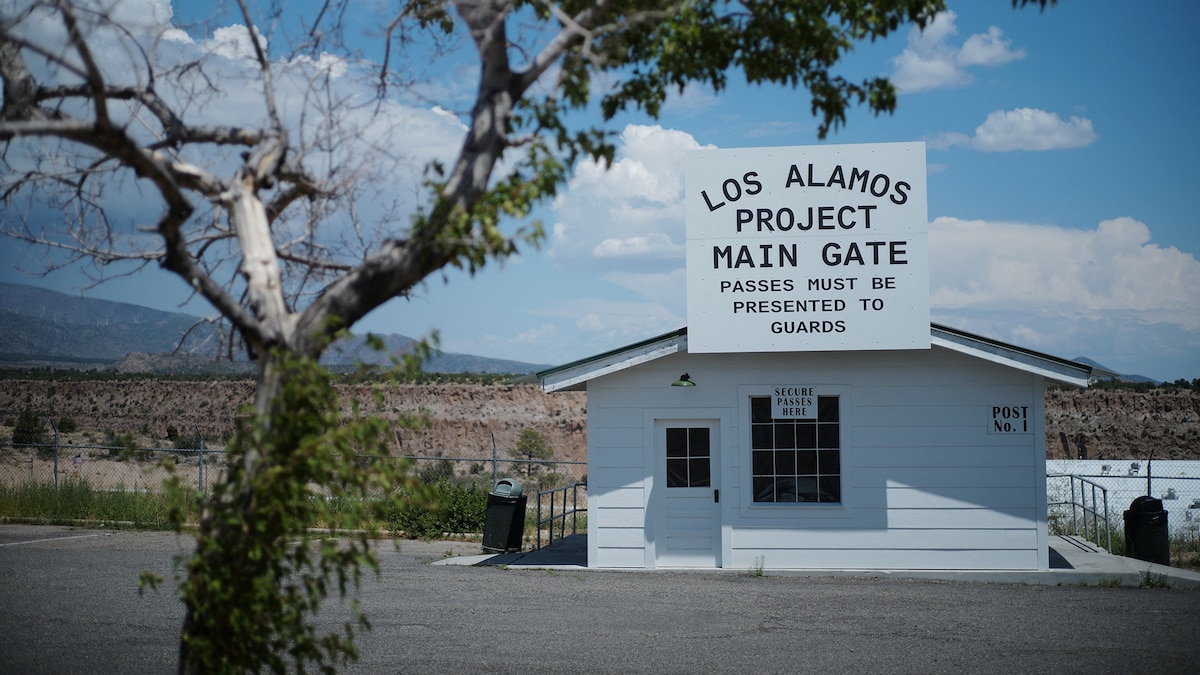
As Christopher Nolan’s film Oppenheimer brings attention to J. Robert Oppenheimer, known as the "father of the atomic bomb," travelers can retrace his significant steps from New Mexico to the Caribbean. From Los Alamos, the birthplace of the atomic bomb, to the Trinity site where the first atomic blast occurred, and the Nevada Test Site where nuclear devices were tested, to Oppenheimer Beach in St. John, U.S. Virgin Islands, where he sought solace from the nuclear arms race, these locations offer a glimpse into the physicist's legacy and the history of nuclear weaponry.

entertainment2 years ago

"Rochester Scientist David Hill's 2024 Oscar Predictions and Bias at the Oscars"

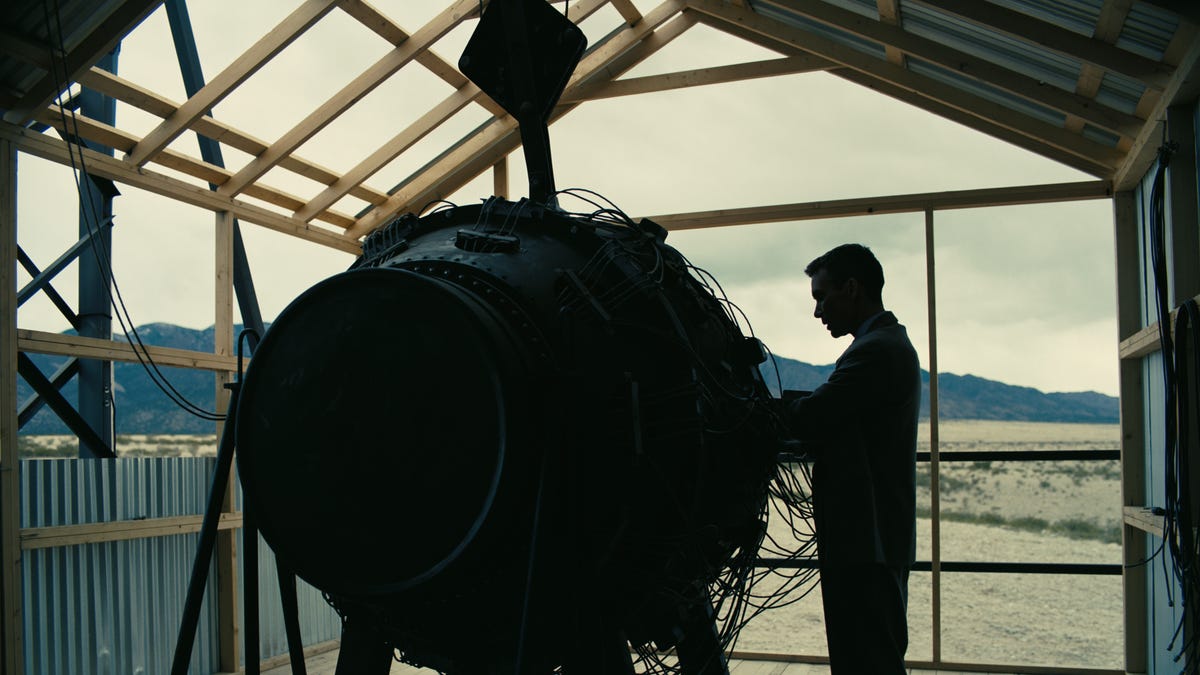
The hit film "Oppenheimer" has sparked curiosity about David Hill, a renowned physicist who played a role in the Manhattan Project and is portrayed by Rami Malek. Hill's children, who live in the Rochester region, have shared insights into their father's life and his significant contributions to nuclear physics. Malek's portrayal of Hill in the film has garnered attention, as the movie received 13 Oscar nominations. Hill's testimony about Lewis Strauss, portrayed by Robert Downey Jr. in the film, was discovered by filmmaker Christopher Nolan during research for "Oppenheimer."

science-and-technology2 years ago

Unveiling the Manhattan Project's Scientific Network through Network Science

Milan Janosov, a network scientist, has used network science methods to map the relationships between scientists involved in the Manhattan Project, a top-secret program that developed the first atomic bombs during World War 2. By analyzing Nobel laureates' Wikipedia pages, Janosov created a network of scientists based on mentions and references, revealing the collaborations and social connections within the project. The resulting map highlights research circles and historical cliques, showcasing the contributions of scientists like J. Robert Oppenheimer and the Hungarian immigrants known as the "Martians." This study demonstrates the value of network science in visualizing complex systems and could have implications for various fields of research.

historycultural-events2 years ago

Historic A-Bomb Site Set for Revitalization

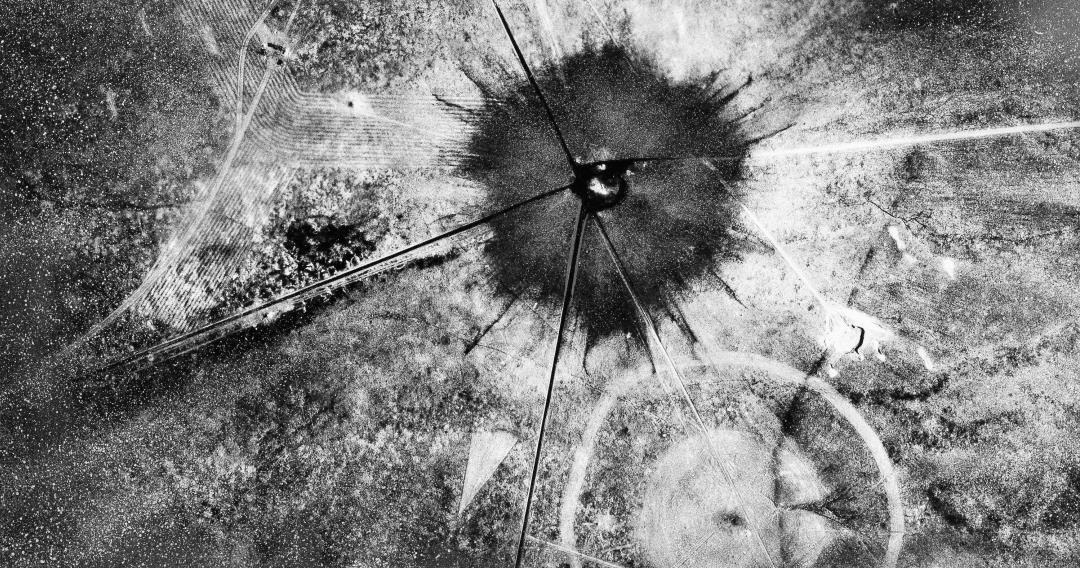
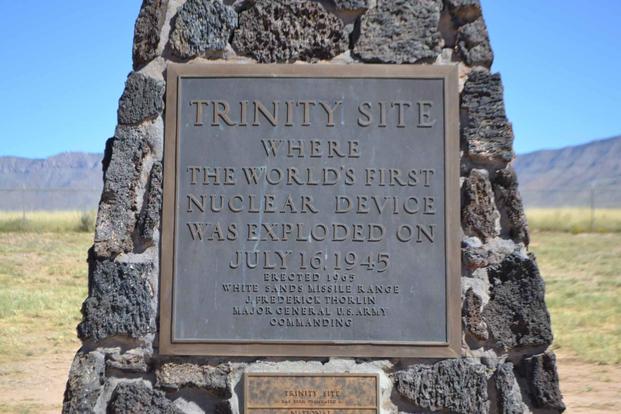
Thousands of visitors are expected to visit Trinity Site in southern New Mexico, where the world's first atomic bomb was detonated, due to the ongoing popularity of Christopher Nolan's film Oppenheimer. The site, usually closed to the public, opens twice a year, but this year's turnout is expected to be record-breaking. Visitors are warned of long wait times, limited facilities, and no cell service. While the film highlights the Manhattan Project, the Tularosa Basin Downwinders group plans to protest outside the gates, reminding visitors of the negative impact the atomic bomb had on residents' health and the environment.

history2 years ago

Oppenheimer's Impact on Nuclear Power, World Government, and AI Explored

The Nazis failed to develop a nuclear bomb due to a combination of factors. Germany was losing scientists, with many fleeing persecution and joining the Manhattan Project in the US. Wartime pressure and resource scarcity also hindered progress. Additionally, Hitler's lack of understanding and support for the project limited its resources and budget. The German scientists themselves were morally opposed to the atomic bomb and secretly sabotaged the effort. Ultimately, the German nuclear program shifted focus to building a nuclear reactor, but it never achieved a successful chain reaction.

history2 years ago

The Covert Genesis of Los Alamos: Oppenheimer's Secret City

Los Alamos, New Mexico, was a secret city created during the development of the atomic bomb as part of the Manhattan Project. It housed scientists such as Oppenheimer, Fermi, Teller, and Feynman, along with their families. The population grew rapidly, with maternity wards and accommodations like hutments and apartment buildings being constructed. Other secret sites involved in the project included the University of Chicago, Oak Ridge, Tennessee, and the Hanford Engineer Works in Washington State. Los Alamos became the site where the bomb was created, and it was there that Oppenheimer witnessed the Trinity test and famously said, "Now I am become Death, the destroyer of worlds."

history2 years ago

Limited Access: Trinity Test Site Opens for One Final Time

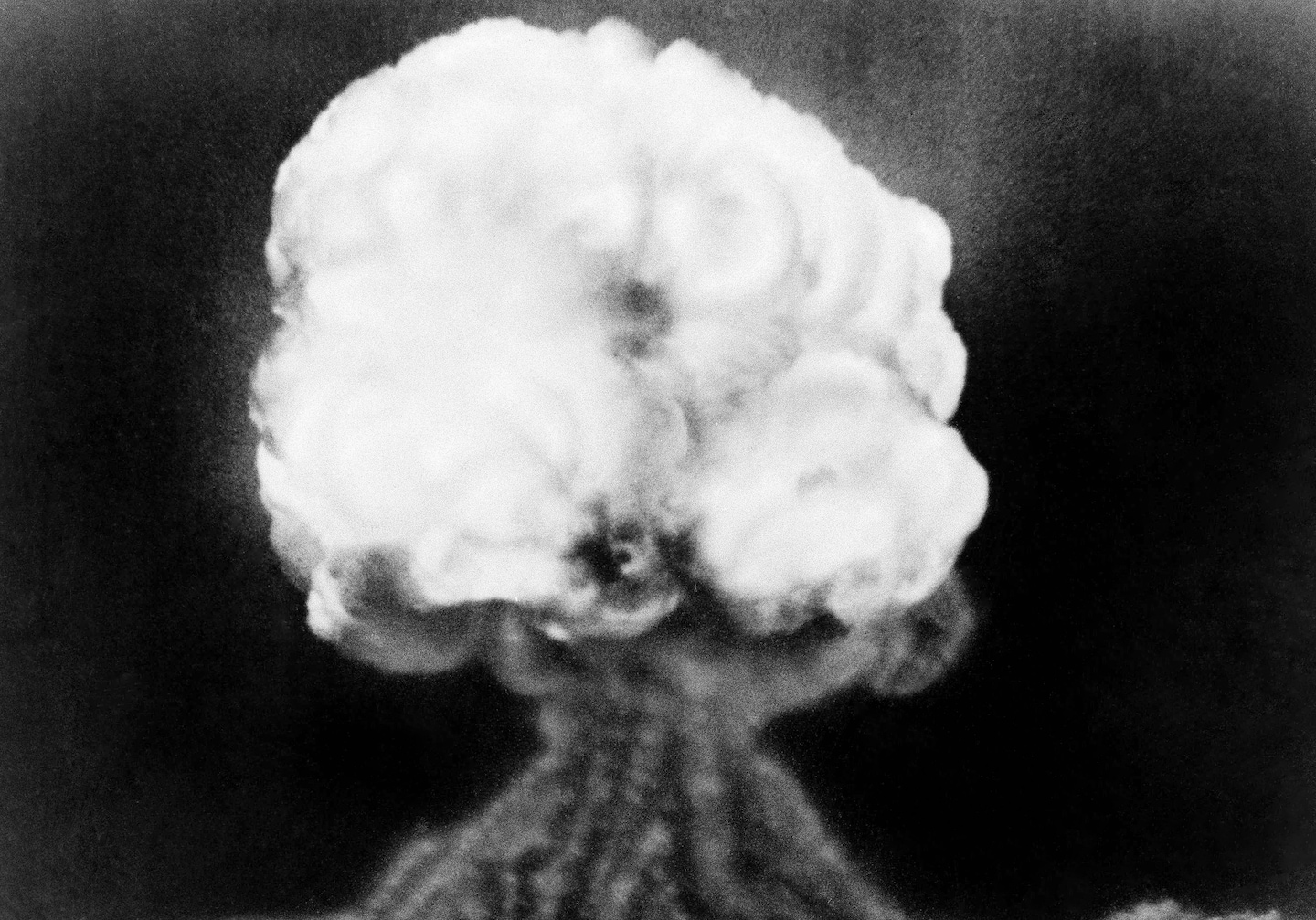
The Trinity nuclear test site in New Mexico, where the world's first nuclear weapon was detonated in 1945, will be open to the public on October 21, but due to the popularity of the movie "Oppenheimer," the Army expects larger crowds than usual and warns that visitors may experience wait times of up to two hours. The site is only open twice a year, and the next opportunity to visit will be in April 2024. The Army assures that the site is safe for visitation, with radiation levels below those of an X-ray or CT scan. The Trinity site, located in a desolate area, features a commemorative obelisk and serves as a reminder of the monumental scientific achievement and the dark turn in modern warfare brought by the development of atomic weapons.

historyinternational-relations2 years ago

Unveiling the Intriguing Tale of Oppenheimer's Stolen Secrets and Nolan's Biopic

The movie "Oppenheimer" directed by Christopher Nolan explores the life and moral decisions of J. Robert Oppenheimer, the leader of the team that built the first atomic bomb. While the film focuses on allegations that Oppenheimer was a Soviet spy, declassified records have disproven these claims. However, Soviet espionage did occur within the Manhattan Project, with multiple scientists providing critical information to the Soviet Union. The movie raises questions about the ongoing threat of foreign governments stealing technological secrets, as the world stands on the brink of transformative technological revolutions.

science-and-technology2 years ago

Unveiling the Truth: Oppenheimer's Role in the World-Altering Trinity Nuclear Test

The new movie "Oppenheimer" revives the question of whether scientists involved in the Manhattan Project believed that detonating the first atomic bomb could destroy the world through atmospheric ignition. However, physicists knew that this scenario was highly unlikely long before the Trinity test in 1945. Discussions and calculations on the issue persisted, but scientific evidence consistently showed that the explosive force of the bomb was not enough to trigger a planet-destroying chain reaction. The fascination with this doomsday scenario may stem from a misunderstanding of what physicists mean by "near zero" probability. Scientists say such disaster scenarios are sometimes the price of crossing new thresholds of discovery, and it is important not to doubt the knowledge and expertise of the scientists involved in the Manhattan Project.

entertainment2 years ago

Unveiling the Power and Impact of Christopher Nolan's 'Oppenheimer'

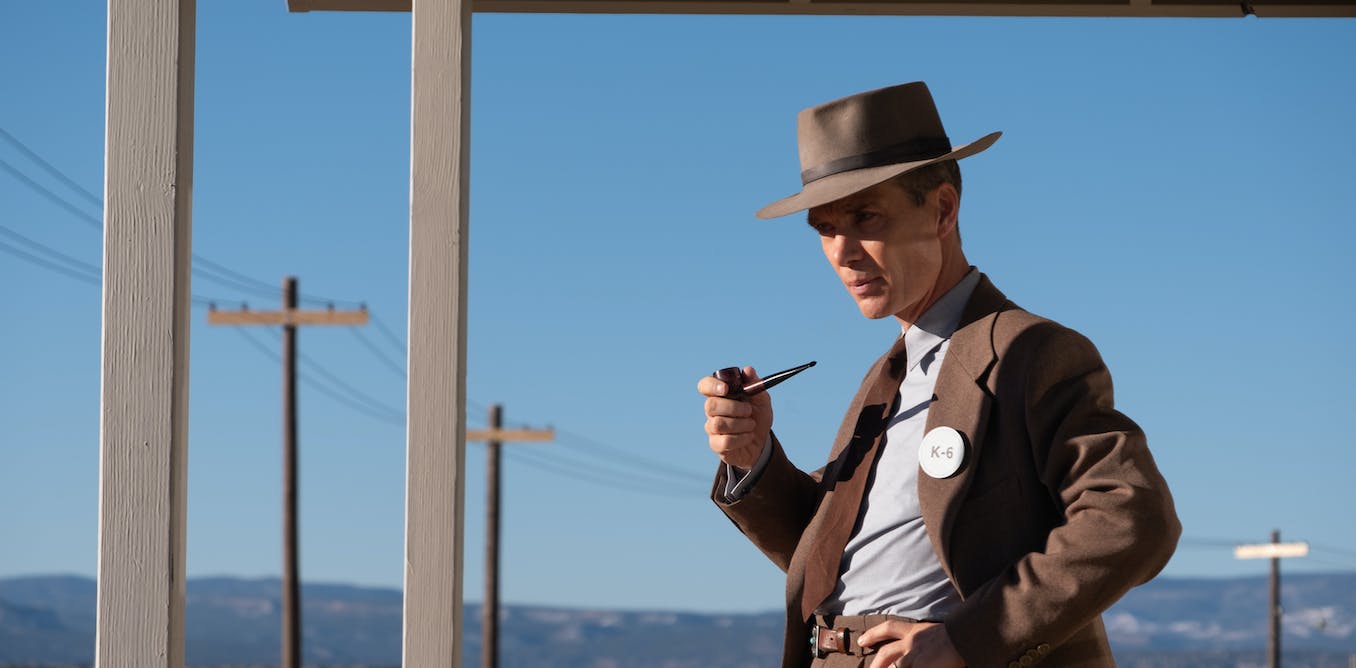
Christopher Nolan's new film, "Oppenheimer," explores the life of J. Robert Oppenheimer, the physicist who led the Manhattan Project and played a key role in the creation of the atomic bomb. The film delves into Oppenheimer's personal life, his political leanings, and his complex legacy. Oppenheimer's involvement in the development of nuclear weapons, his opposition to the hydrogen bomb, and his spiritual perspective on the destructive power of science are explored. Despite facing scrutiny during the Red Scare, Oppenheimer was later honored by the U.S. government. The film sheds light on the controversial figure and his significant contributions to history.

film2 years ago

Unveiling the Jewish story and box-office performance of Christopher Nolan's 'Oppenheimer'

Christopher Nolan's biopic "Oppenheimer" explores the life of J. Robert Oppenheimer, the father of the atomic bomb, and delves into his complex relationship with his Jewish heritage. Born to German Jewish parents, Oppenheimer distanced himself from Jewish traditions and identified more with secular humanism and rationalism. The film portrays his encounters with other Jewish characters, including Albert Einstein and Isidor Rabi, and highlights his involvement in the Manhattan Project, where he worked alongside a significant number of Jewish scientists and technicians. The movie also explores the personal feud between Oppenheimer and Lewis Strauss, who clashed over the development of the hydrogen bomb and had differing approaches to their Jewish identities.

history2 years ago

Unveiling the Enigmatic J. Robert Oppenheimer

J. Robert Oppenheimer, widely considered the father of the atomic bomb, was a renowned physicist employed by the US government to create the bomb during World War II. However, his career was marred by moral conflict as he grappled with the implications of his creation. Oppenheimer's opposition to the development of the hydrogen bomb led to his disgrace and loss of security clearance. Despite this, his loyalty and love of country have been affirmed, and his security clearance revocation was formally vacated by the US Department of Energy in 2021.

entertainment2 years ago

Robert Downey Jr. Reflects on "Oppenheimer": A Nuanced Masterpiece

Robert Downey Jr. discusses the importance of context in understanding historical moments, such as the Manhattan Project depicted in Christopher Nolan's film "Oppenheimer." He reflects on the film's ability to invite the audience to meditate on the subject matter and praises Nolan's exploration of subtleties and the subjective experience of J. Robert Oppenheimer. Downey also comments on the absence of women in the film and expresses his belief in the need for a matriarchal society. He sees parallels between the mid-century Red Scare and the current political climate, emphasizing the importance of dialogue and optimism in finding solutions.

technology2 years ago

The Dangerous Race for Advanced AI: A Nuclear Arms Race of the 21st Century?

Sam Altman, CEO of OpenAI, compared the company's work on artificial intelligence to the Manhattan Project, which developed the first nuclear weapons during World War II. OpenAI's latest deep learning model, GPT-4, exhibits human-level performance on various professional and academic benchmarks. After its release, more than 2,000 tech experts and leaders signed a letter calling for a pause on research at AI labs. Altman warns that the hype over AI is currently "out of control" and supports a pause to create safeguards and rules on artificial intelligence.