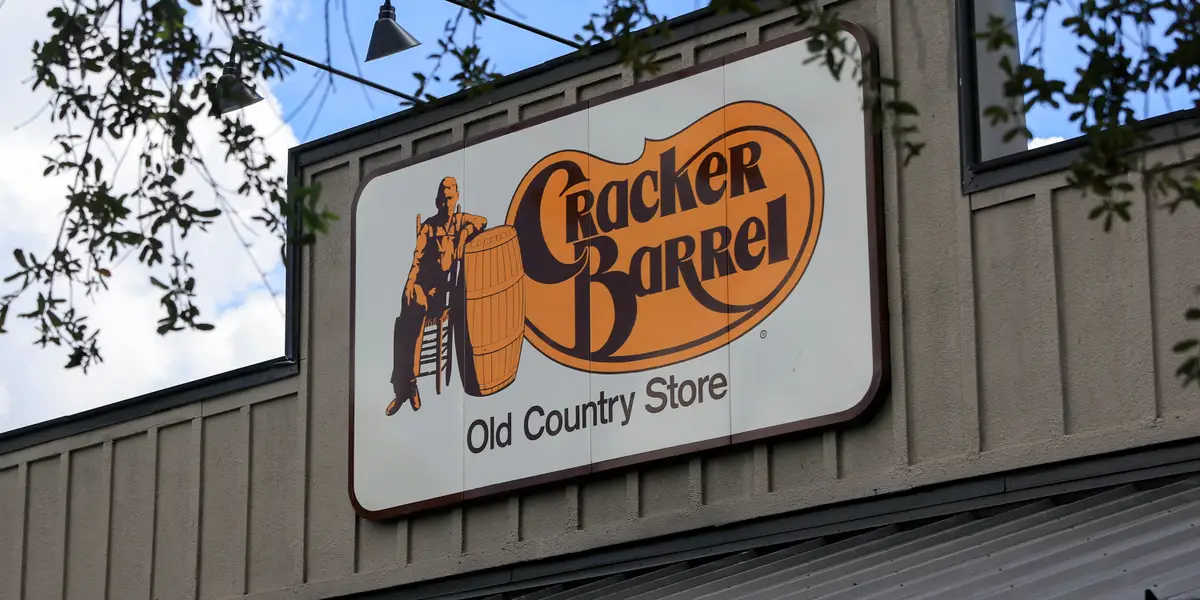
Cracker Barrel has suspended its restaurant remodels following widespread backlash over its new logo and modern redesign, opting to revert to its vintage Americana style after customer and public criticism, including from President Trump.
Cracker Barrel's sales declined after a controversial logo change sparked social media outrage and political debate, leading the company to revert to its original logo amid a significant hit to its brand image and stock value.
Cracker Barrel reversed its recent logo redesign after significant public backlash, including political commentary from Donald Trump, leading to the return of its classic logo featuring Uncle Herschel, amid concerns over losing its Americana identity.
Cracker Barrel's new minimalist logo sparked right-wing outrage, leading to a stock drop of over 12%, prompting the company to backtrack and reaffirm its traditional branding elements amidst a broader cultural debate.
Cracker Barrel, a restaurant and general store chain founded in 1969, has a long history marked by various controversies including a recent logo change that sparked social media backlash, as well as past issues with discrimination and trademark disputes. Originally inspired by roadside country stores, it expanded rapidly after going public in 1981, but faced challenges such as the end of gas sales post-1970s, discrimination policies in the 1990s, and legal disputes over branding. Despite these, it remains a notable American brand with a rich history.
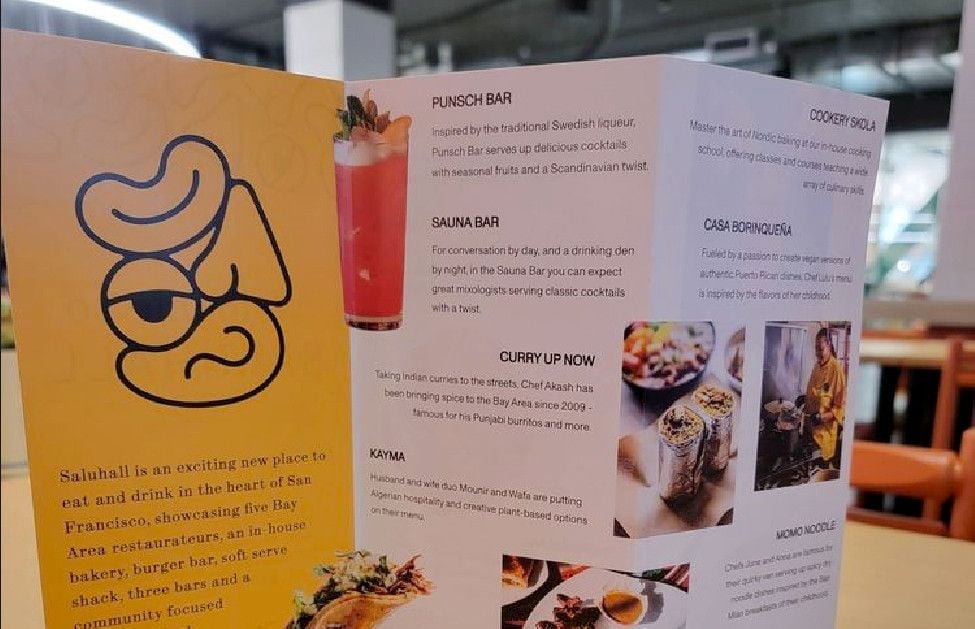
The new IKEA-affiliated food court Saluhall in San Francisco has come under fire from illustrator Tim Lahan, who claims that the food hall's logo is a blatant copy of his own illustration published in The New Yorker. The logo, featuring a disjointed eye, ear, mouth, and nose, bears a striking resemblance to Lahan's work. While Lahan has not formally registered a copyright for his illustration, legal experts suggest that it could still be considered a derivative work and potentially merit a trademark infringement case. Saluhall's operator, Ingka Centres, has stated that they are looking into the matter after it was brought to their attention.
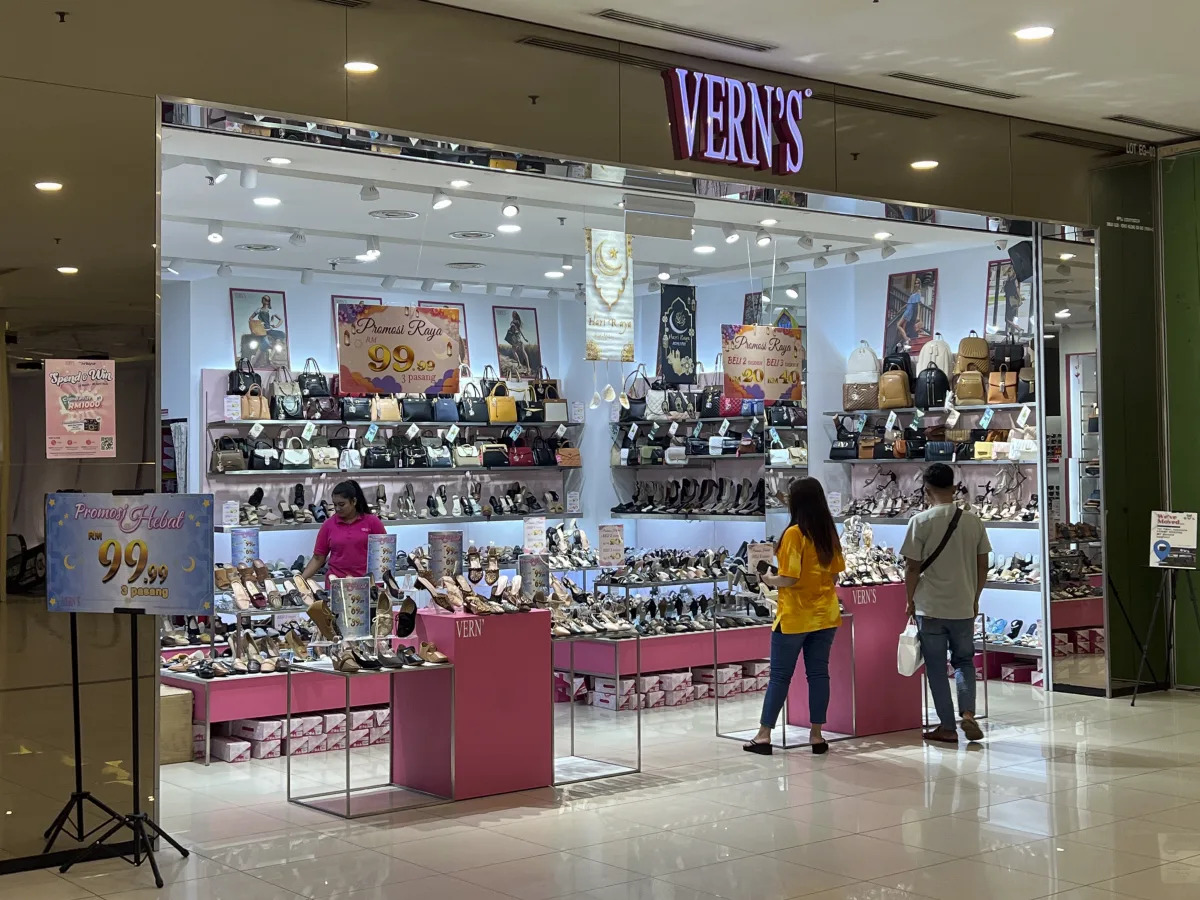
A Malaysian shoe company has apologized and ceased sales of some footwear after Muslims objected to a logo resembling the Arabic word for God. The company acknowledged the design's shortcomings and offered refunds, while police confiscated over 1,100 shoes. The Department of Islamic Development summoned the company's founder, warning of legal action if the logo was intentionally created to mimic the word "God." This incident follows a recent controversy over socks printed with "Allah," reflecting the sensitivity of religious issues in Malaysia, where Muslims make up the majority.
Malaysian shoe company Vern’s Holdings apologizes and halts sales of high-heeled shoes with a logo that some Muslims say resembles Arabic writing for God, acknowledging design shortcomings and offering refunds. This follows a recent controversy over socks printed with the word "Allah" in a Malaysian convenience store chain, leading to charges and tensions. Religion is a sensitive issue in Malaysia, where Muslims make up the majority, and the matter has sparked investigations and calls for boycotts.
A Malaysian shoe company has apologized and ceased sales of some high-heeled shoes after facing backlash from Muslims who claimed the logo on the soles resembled Arabic writing for the word God. The company acknowledged the design's shortcomings and expressed no intention to insult any religion. This incident follows a recent controversy over socks printed with the word "Allah," which led to charges against a convenience store chain and supplier. Tensions remain high, with religious authorities and police investigating the shoe logo matter, while a nationalist party's youth leader faces investigation for calling for a boycott of the chain.