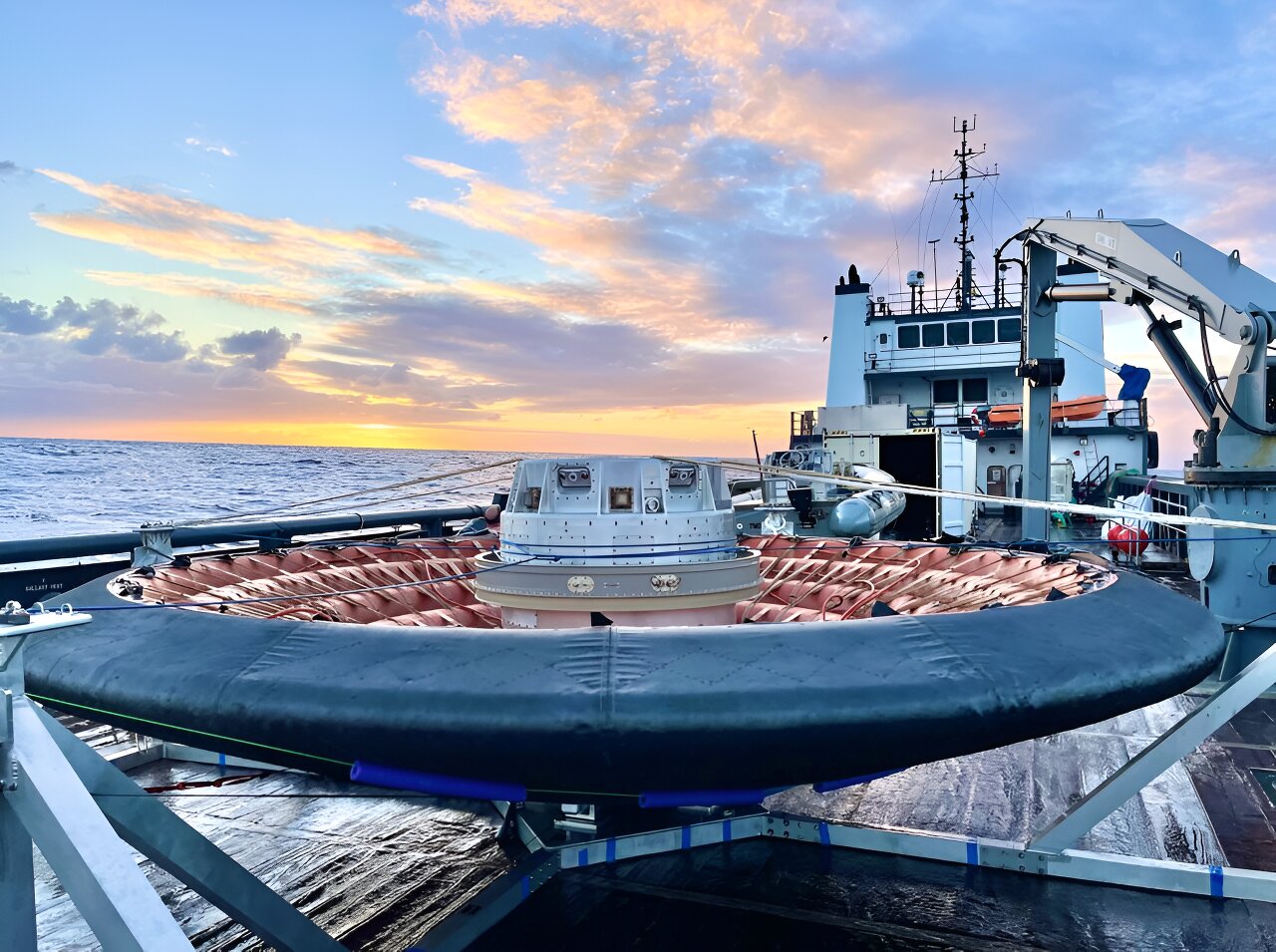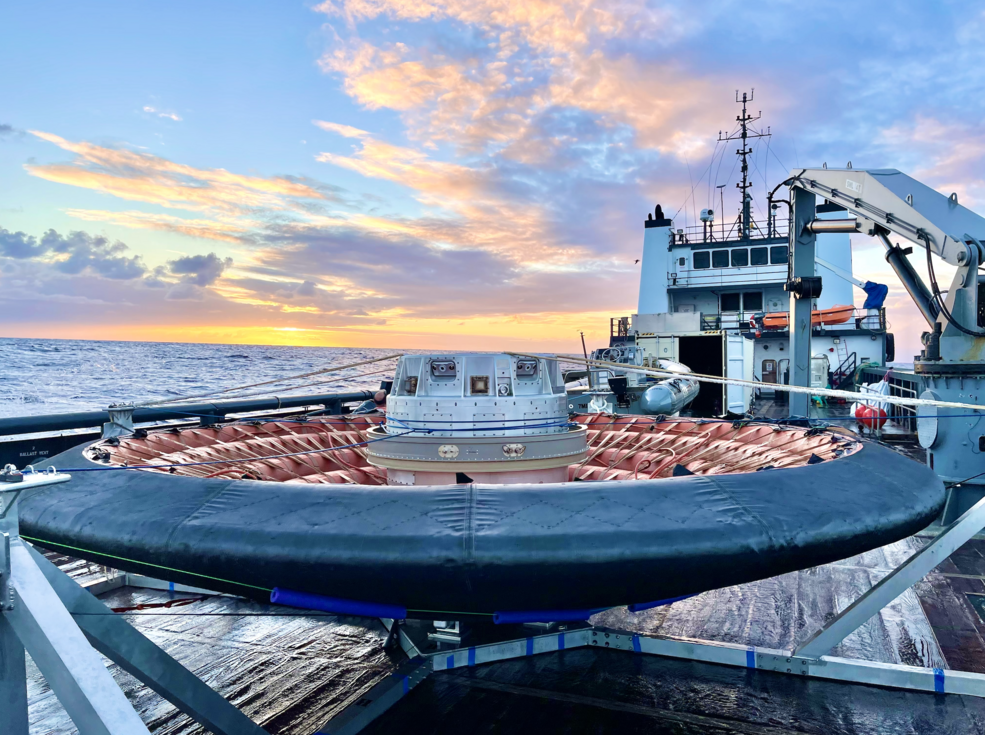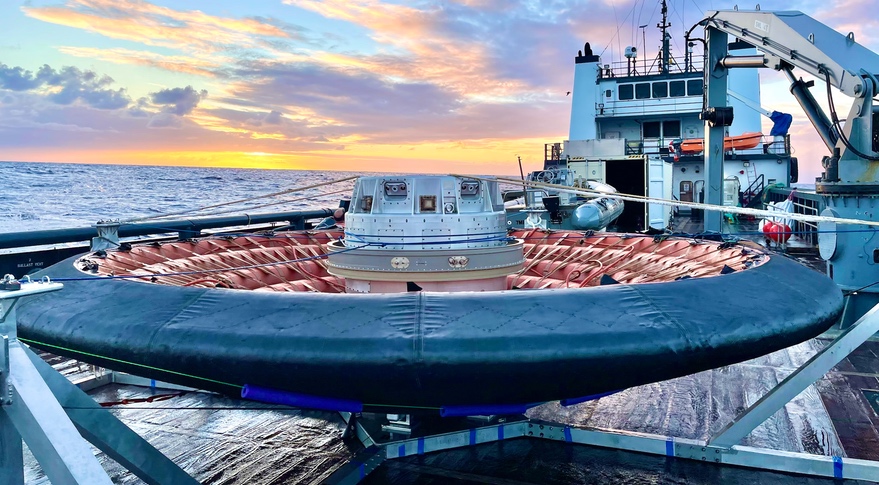
NASA's successful demonstration of an inflatable heat shield has attracted interest from multiple companies, including United Launch Alliance (ULA) and Outpost, who are now working with NASA to advance the technology. ULA is collaborating with NASA on designing a larger aeroshell, while Outpost is exploring commercial reentry systems using inflatable systems. NASA is also partnering with other undisclosed "bigger names" in the industry for even larger aeroshells. These collaborations are crucial for the development of large-scale inflatable decelerators, which NASA sees as a key technology for future human missions to Mars. However, NASA acknowledges the need for continued investment in the technology alongside industry partnerships.
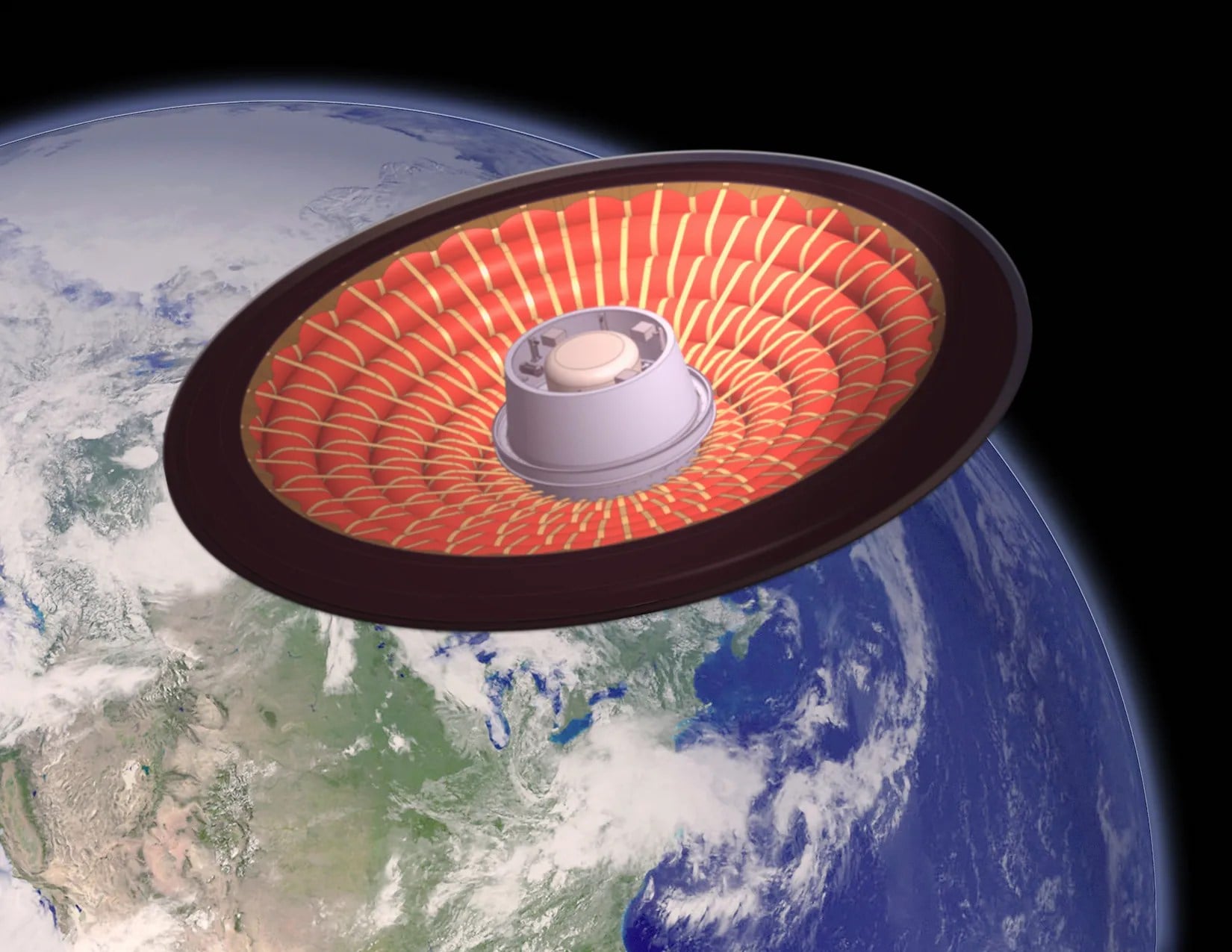
NASA has successfully tested an inflatable heat shield as part of its Low-Earth Orbit Flight Test of an Inflatable Decelerator (LOFTID) program. The tests have proven exceptionally successful, demonstrating that the inflatable heat shield can slow down a test vehicle and withstand the heat exerted by the atmosphere. This technology could improve the return of the Orion spacecraft to Earth and enable future missions to other planets, as larger spacecraft would not need heavier materials for landings or re-entry. NASA believes that an even larger inflatable heat shield could be used on Vulcan engines for recovery and re-use in low Earth orbit.
NASA's Low-Earth Orbit Flight Test of an Inflatable Decelerator (LOFTID) successfully demonstrated an inflatable heat shield, known as a Hypersonic Inflatable Aerodynamic Decelerator (HIAD) aeroshell. This technology could enable larger spacecraft to safely descend through the atmospheres of celestial bodies like Mars, Venus, and Saturn's moon, Titan. The LOFTID mission was deemed "flawless" by NASA, and the agency plans to partner with United Launch Alliance (ULA) to develop a larger HIAD aeroshell for future missions.
NASA's Low-Earth Orbit Flight Test of an Inflatable Decelerator (LOFTID) successfully demonstrated an inflatable heat shield, known as a Hypersonic Inflatable Aerodynamic Decelerator (HIAD) aeroshell. This technology could enable larger spacecraft to safely descend through the atmospheres of celestial bodies like Mars, Venus, and Saturn's moon, Titan. The LOFTID mission was deemed highly successful, with the heat shield appearing pristine upon recovery. NASA plans to partner with United Launch Alliance (ULA) to develop a larger HIAD aeroshell for recovering ULA's Vulcan engines from low Earth orbit.