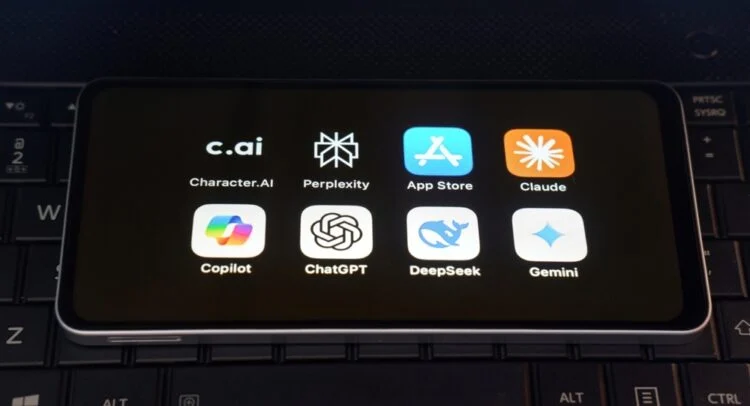
Meta's Llama AI has been approved for use by the U.S. government, joining other AI models like Gemini and Claude, marking a significant step in government adoption of advanced AI technologies.
Meta is racing to release its latest Llama AI model, Llama 4.X, by the end of the year, after the initial Llama 4 models faced criticism for underperformance. A team within Meta Superintelligence Labs is working to fix bugs and improve the model, with the goal of making it production-ready. The company is also developing other AI projects, including the postponed Behemoth model, amidst a broader effort to push AI innovation under new organizational structures and high-profile talent recruitment.
Meta is making its Llama AI models available to U.S. government agencies and contractors for national security applications, partnering with companies like Oracle and Lockheed Martin. This move aims to counter concerns about its AI aiding foreign adversaries, following reports of unauthorized use by Chinese researchers. While Meta's policy typically prohibits military use, exceptions are being made for certain government agencies. The use of AI in defense remains controversial due to potential risks, including data vulnerabilities and biases.
The recent drama surrounding Sam Altman's departure and return to OpenAI could benefit Meta, as it positions itself as a stable alternative for technologists and businesses looking to diversify their reliance on a single company's large language model. With Microsoft's association with OpenAI backfiring, Meta has the opportunity to boost its open-source Llama AI initiatives and attract AI researchers. Additionally, the OpenAI fiasco has prompted businesses to seek multiple AI vendors, potentially benefiting Meta's Llama-branded generative AI software. By encouraging developers to access and customize Llama, Meta can lower its operating costs and offer more stability to companies and developers.