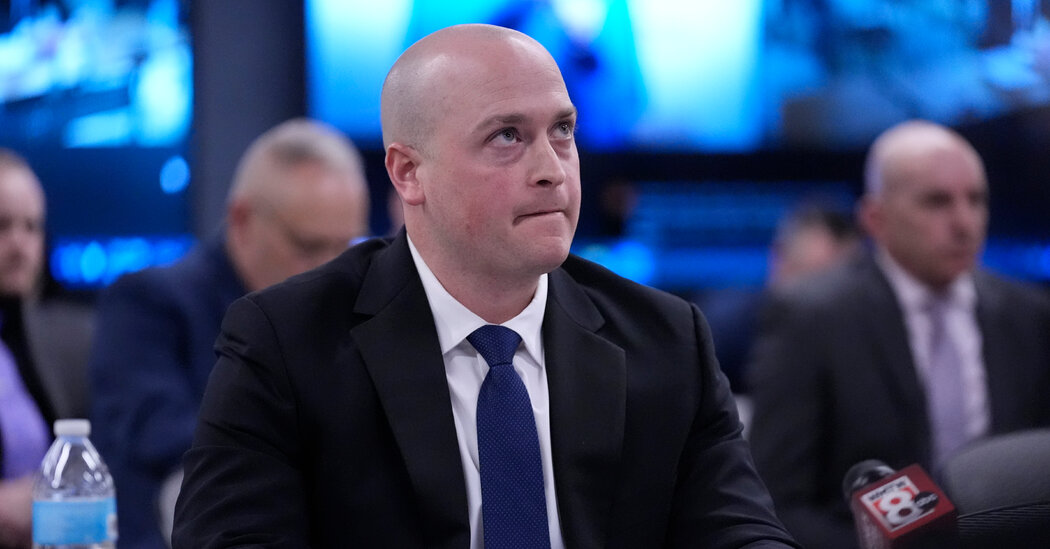
A commission investigating the October mass shooting in Lewiston, Maine, questioned Army Reserve colleagues of the gunman, Robert R. Card Jr., about their inaction before the rampage, seeking accountability among law enforcement agencies and military personnel who knew of the shooter’s threats and erratic behavior. The commission pressed for answers about failed efforts to prevent the gunman from inflicting harm and elicited detailed accounts of the months leading up to the tragedy, which resulted in the death of 18 people.
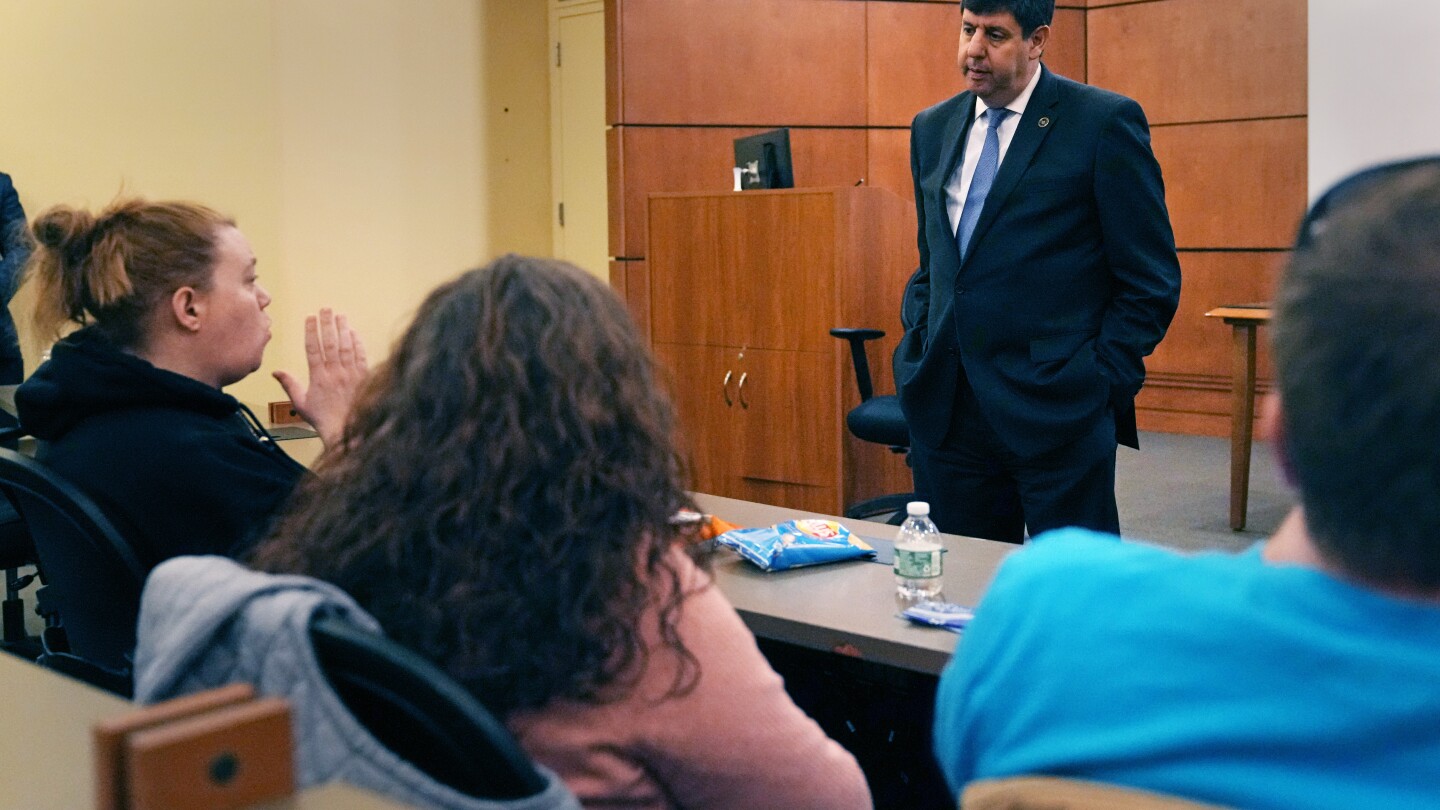
The head of the ATF, Steve Dettelbach, expressed concern that the frequency of mass shootings and gun violence in the US could desensitize people to the bloodshed, hindering efforts to find solutions. He met with family members of victims from the Lewiston shooting and emphasized the importance of community voices in driving change. Dettelbach also highlighted the need to make it harder for individuals who should not have firearms to obtain them and expressed support for universal background checks and banning assault weapons.
Testing is being conducted on the brain of Lewiston shooter Robert Card at Boston University's UNITE Brain Bank, a renowned research facility for traumatic brain injuries and chronic traumatic encephalopathy. The New York Times has raised questions about whether Card's exposure to blasts during his time in the Army Reserve contributed to his mental state during the shooting. Results from the testing may take 6 to 8 months to be available. The Maine State Medical Examiner's Office believes that conducting this testing is necessary to provide answers in such cases. Governor Janet Mills has formed an independent commission to investigate the circumstances surrounding the shooting, but the commission's initial public meeting has been postponed.
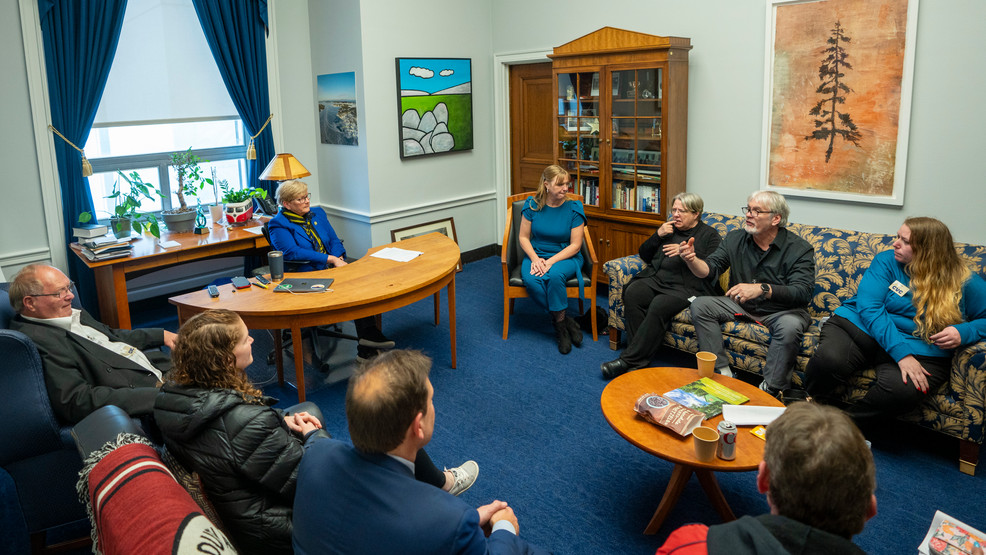
Maine's congressional delegation, including senators Susan Collins and Angus King and representatives Chellie Pingree and Jared Golden, is demanding a comprehensive review of the Lewiston mass shooting from the inspector general of the Army. They are calling for an independent investigation of the army reserve, as they believe the army's own investigation is insufficient. The delegation wants to know what steps the Army reserve took to investigate the gunman who killed 18 people in October.
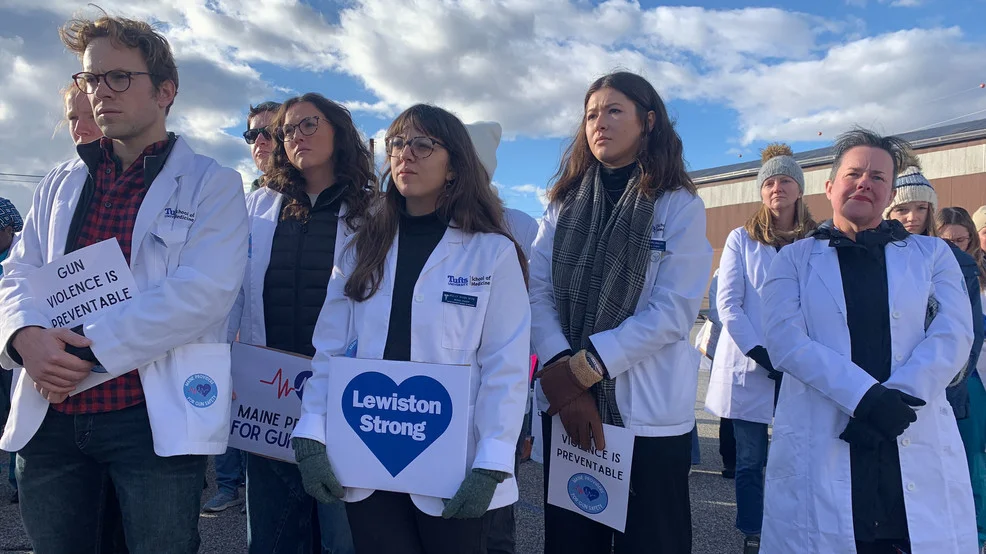
Healthcare workers in Maine rally for stricter gun laws following the tragic shooting in Lewiston, demanding change and calling for measures such as implementing a red flag law. They emphasize the need for responsible gun ownership while protecting the community, urging lawmakers to pass legislation that allows temporary gun removal from individuals who pose a risk to themselves or others, without solely relying on mental health assessments. The rally attendees encourage Mainers to write letters to lawmakers in support of stronger gun legislation.