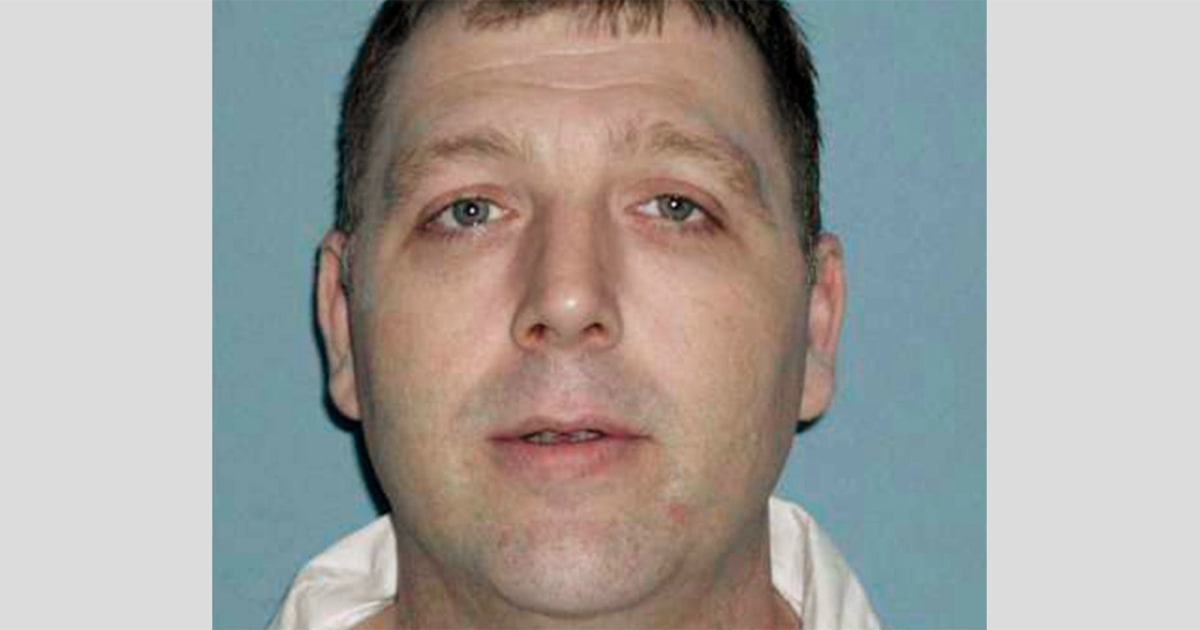
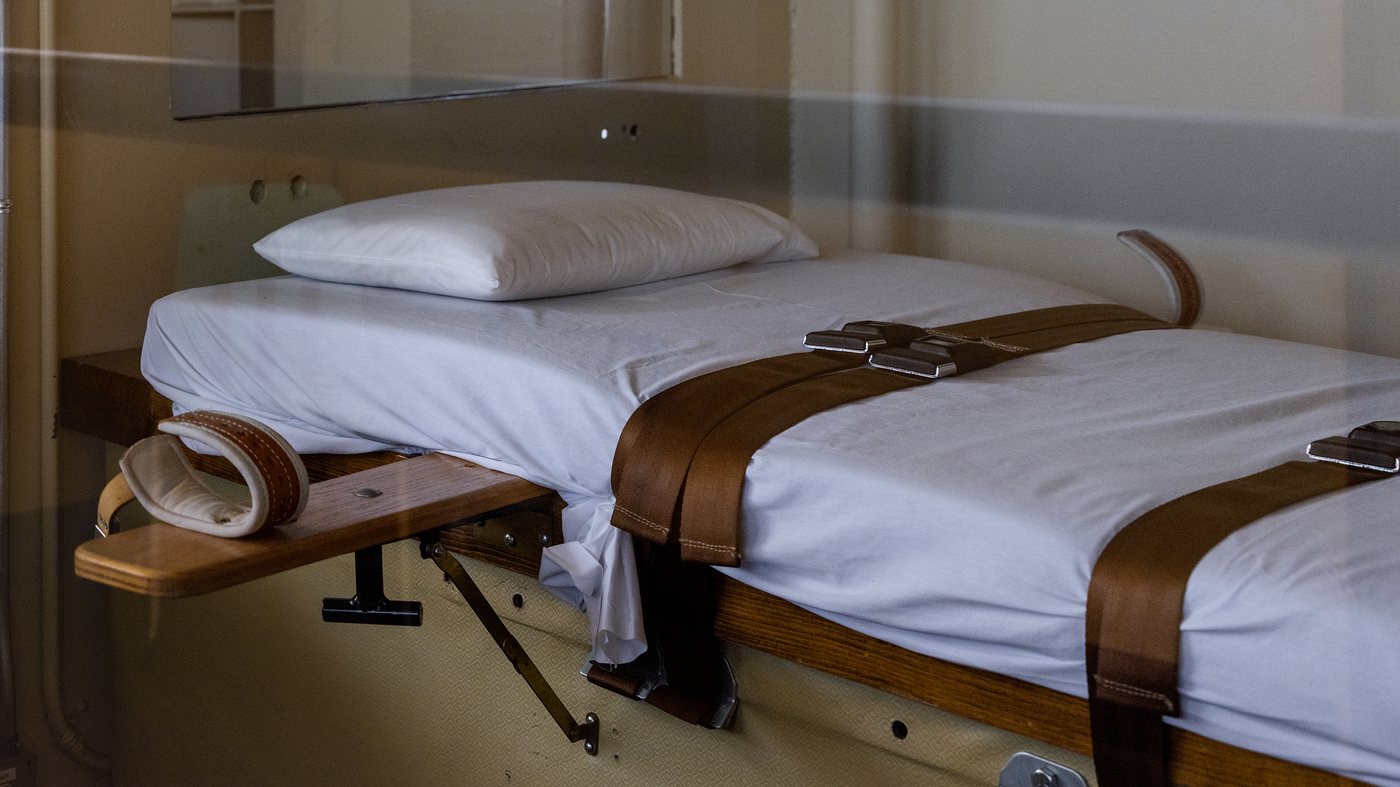
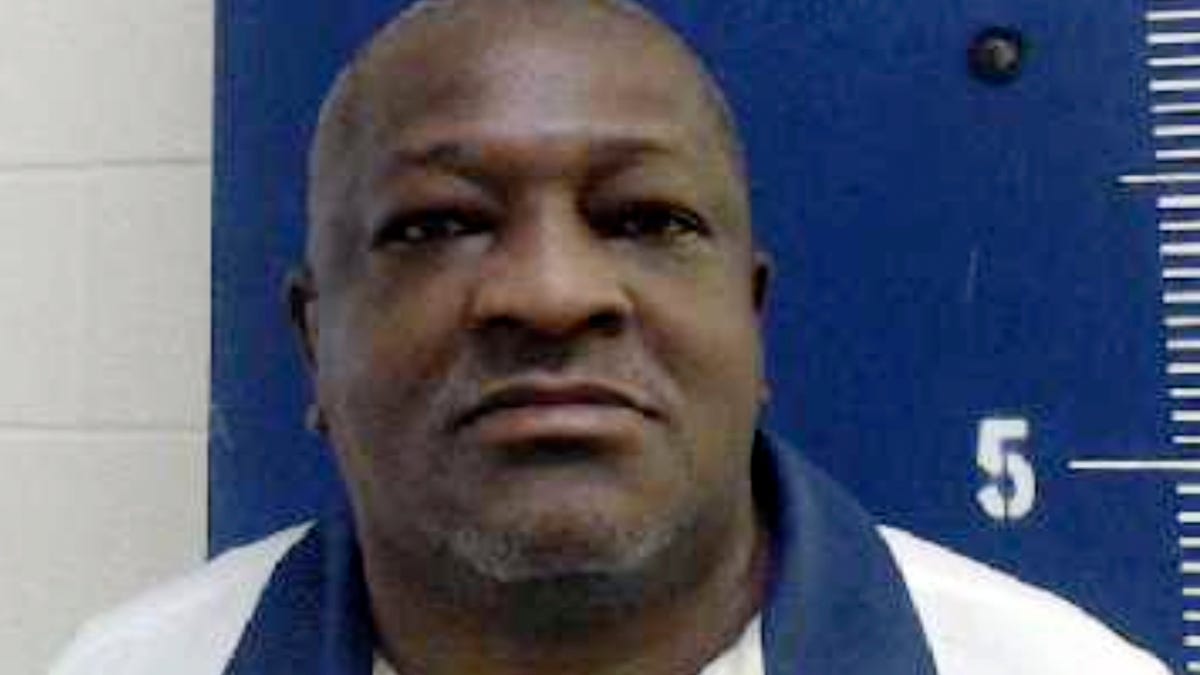
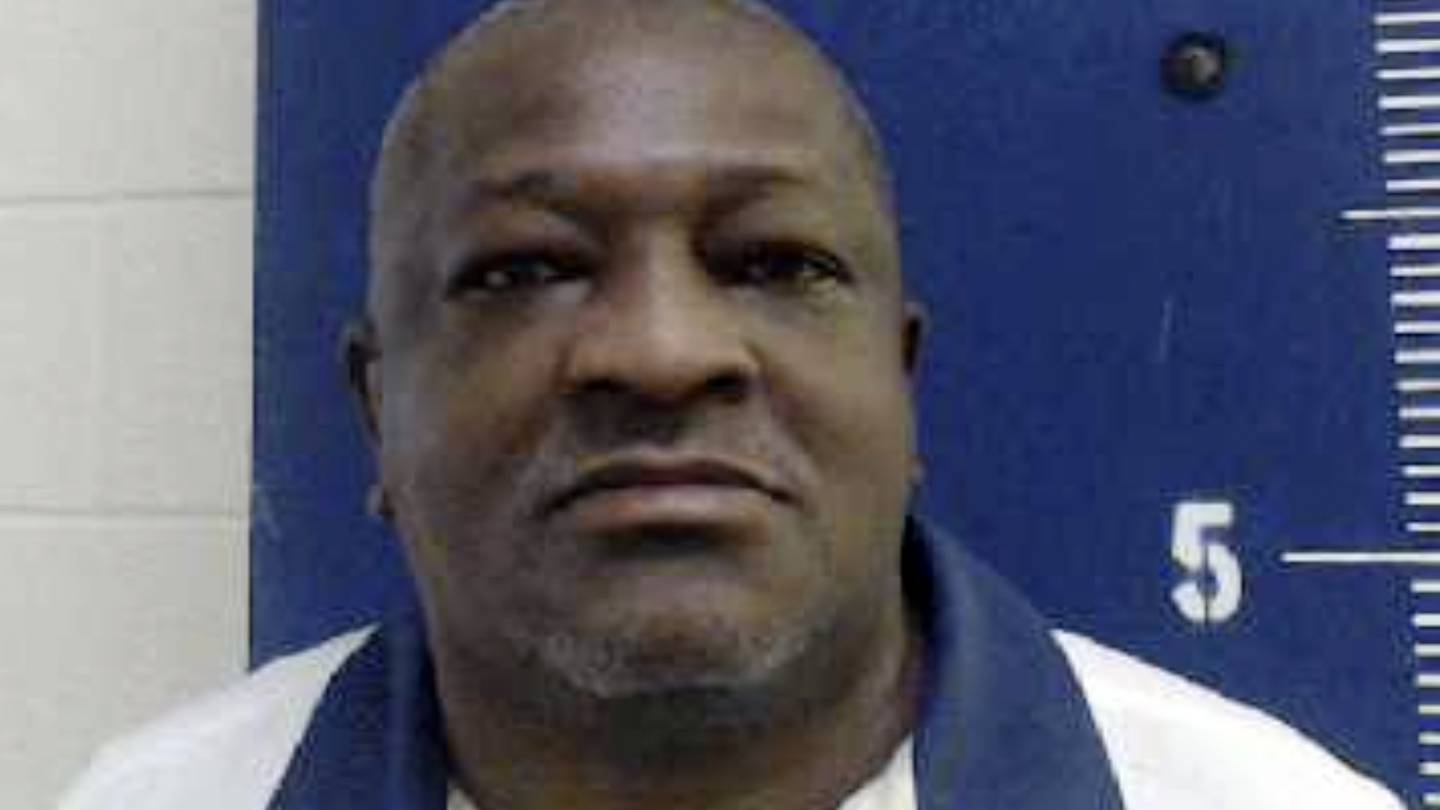
Tennessee death row inmate Harold Wayne Nichols declined to choose his preferred method of execution, resulting in the state defaulting to lethal injection for his scheduled Dec. 11 execution. Nichols, convicted of murder and rape, had previously chosen the electric chair but did not specify a preference this time. The state has been updating its lethal injection protocols due to concerns over drug testing and execution methods.
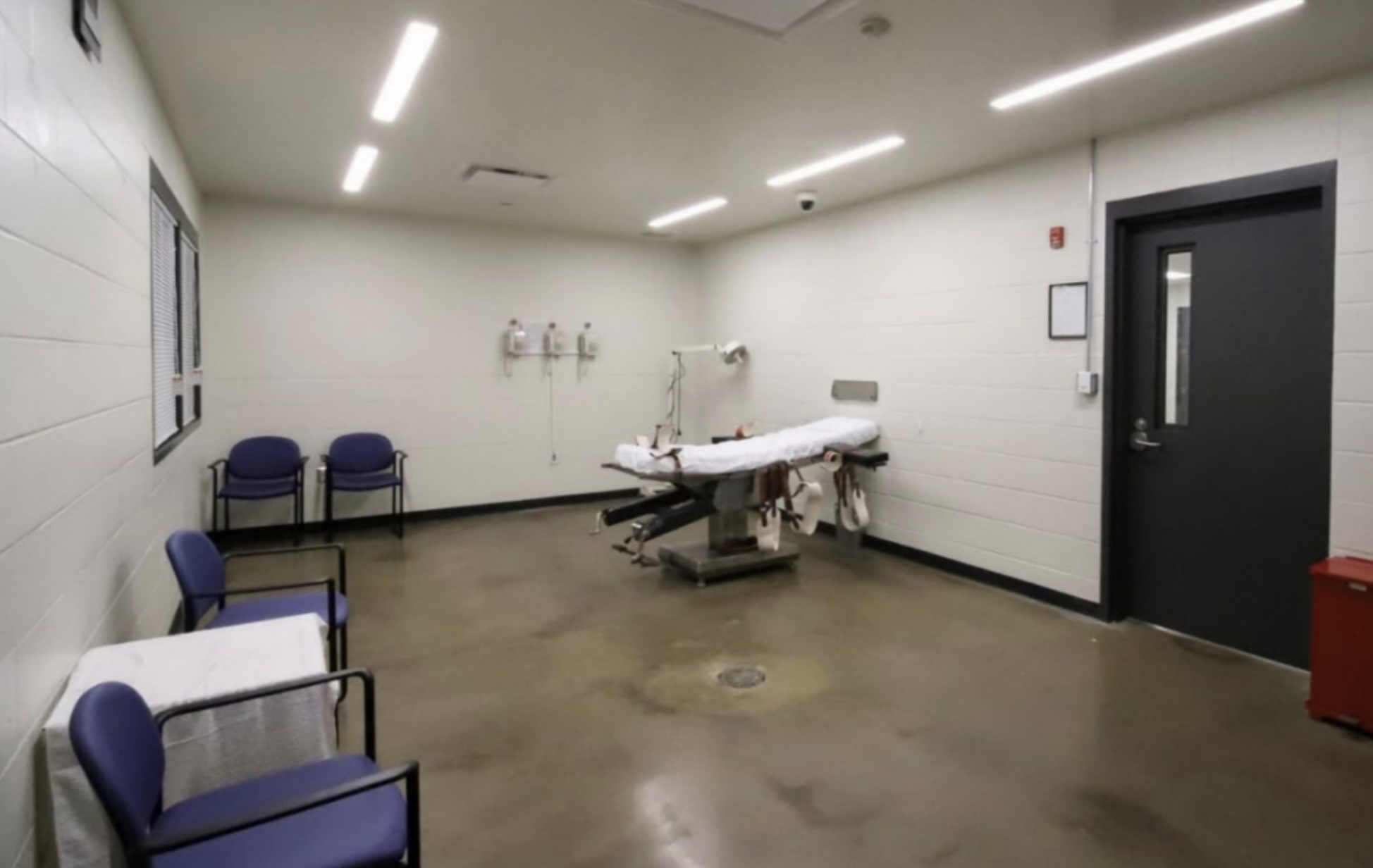
Roy Lee Ward was executed in Indiana for the 2001 murder of Stacy Payne, marking the state's third execution since resuming the death penalty in 2024, amid ongoing secrecy and legal debates over lethal injection procedures.
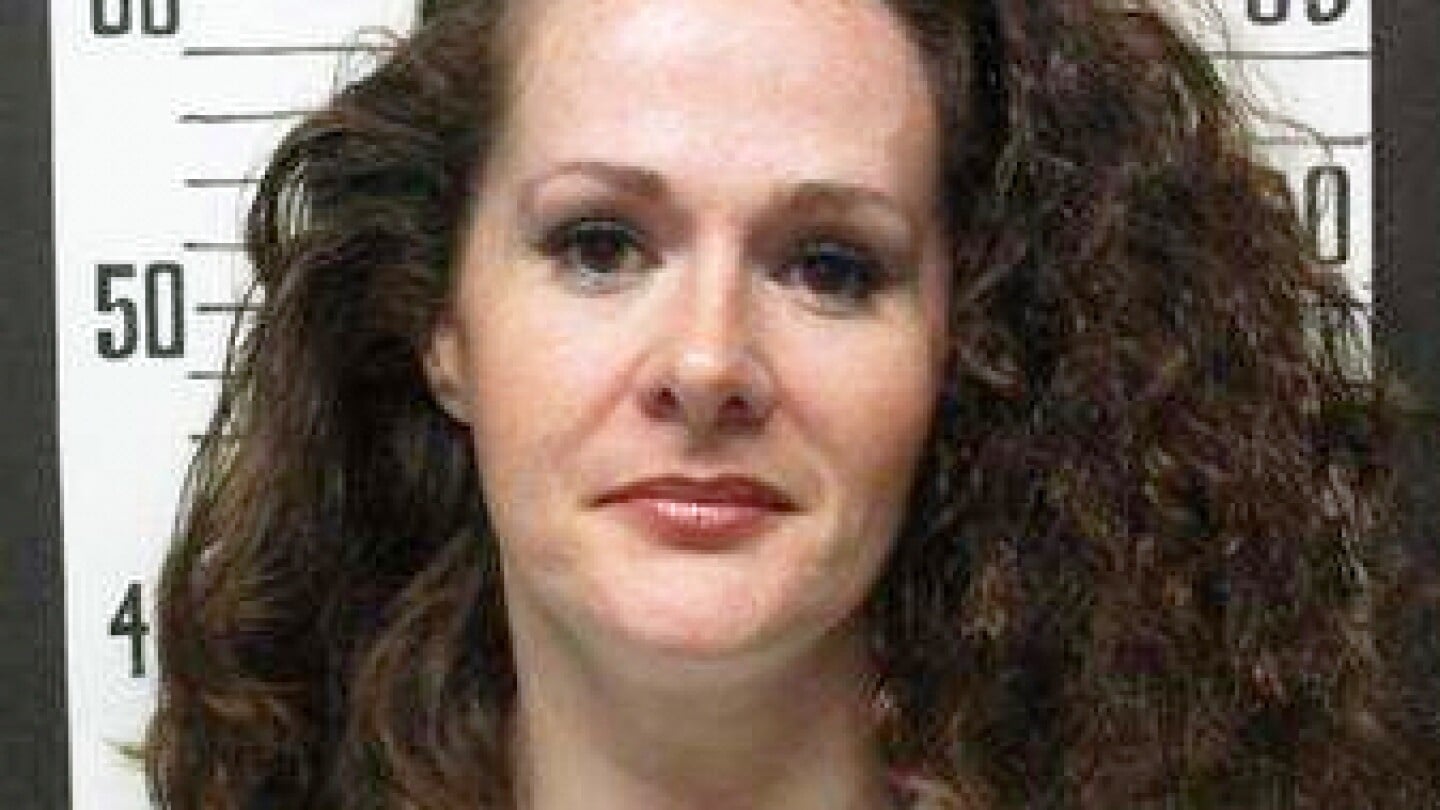
The Tennessee Supreme Court has scheduled execution dates for four inmates, including Christa Pike, the state's only woman on death row, amidst ongoing concerns about the state's lethal injection protocols and past issues with drug testing and transparency.
Byron Black, a man with significant health issues and intellectual disabilities, was executed in Tennessee under controversial circumstances, with witnesses describing signs of suffering and distress during the process, raising concerns about the pain inflicted and the legality of his execution.
A man convicted of killing his girlfriend and her daughters was executed in Tennessee, during which he expressed pain and discomfort, raising concerns about the use of his implanted defibrillator. The legal battle over whether to deactivate the device before execution was a key issue, with authorities ultimately proceeding despite objections. Black's attorneys plan to review autopsy and device data to understand what occurred during the execution.
Tennessee executed Byron Black without deactivating his implanted defibrillator, raising concerns about potential pain and legal disputes, amidst ongoing debates over his intellectual disability status and the ethics of execution procedures.
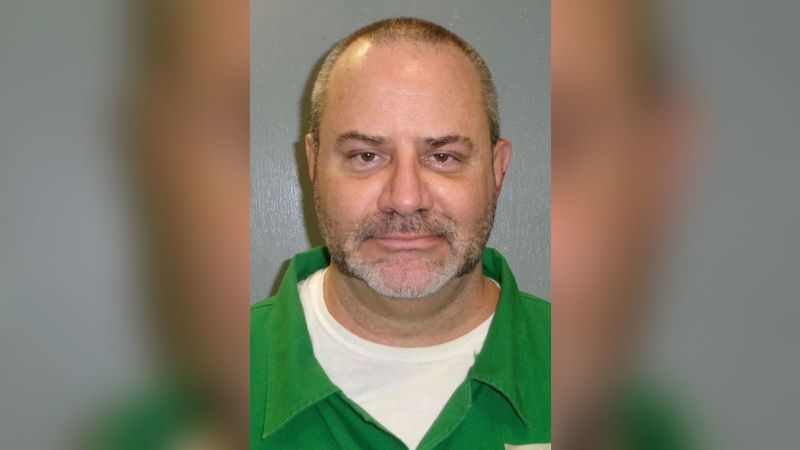
Stephen Stanko, a man serving death sentences for two separate murders, was executed in South Carolina via lethal injection, marking the state's sixth execution in nine months amid ongoing debates over execution methods and legal challenges.
Alabama is set to execute Jamie Ray Mills for the 2004 murders of an elderly couple, despite his claims of innocence and new evidence suggesting prosecutorial misconduct. Mills' attorneys argue that the prosecution lied about a plea deal with Mills' wife, who testified against him. The state maintains there is ample evidence of Mills' guilt, including murder weapons found in his car. This will be Alabama's first execution since its nitrogen gas execution in January.
A new report by the nonprofit Reprieve found that states made significantly more mistakes during the executions of Black people than they did with prisoners of other races, with half of the botched lethal injection executions being of Black people, despite them accounting for only a third of the prisoners executed. The study suggests that racism extends even to the final step of the death penalty, and experts believe that systemic racial discrimination and biases in healthcare may contribute to the disparities in the administration of lethal injections. The authors of the report recommend imposing a moratorium on lethal injection executions and commissioning investigations to better understand the issues.
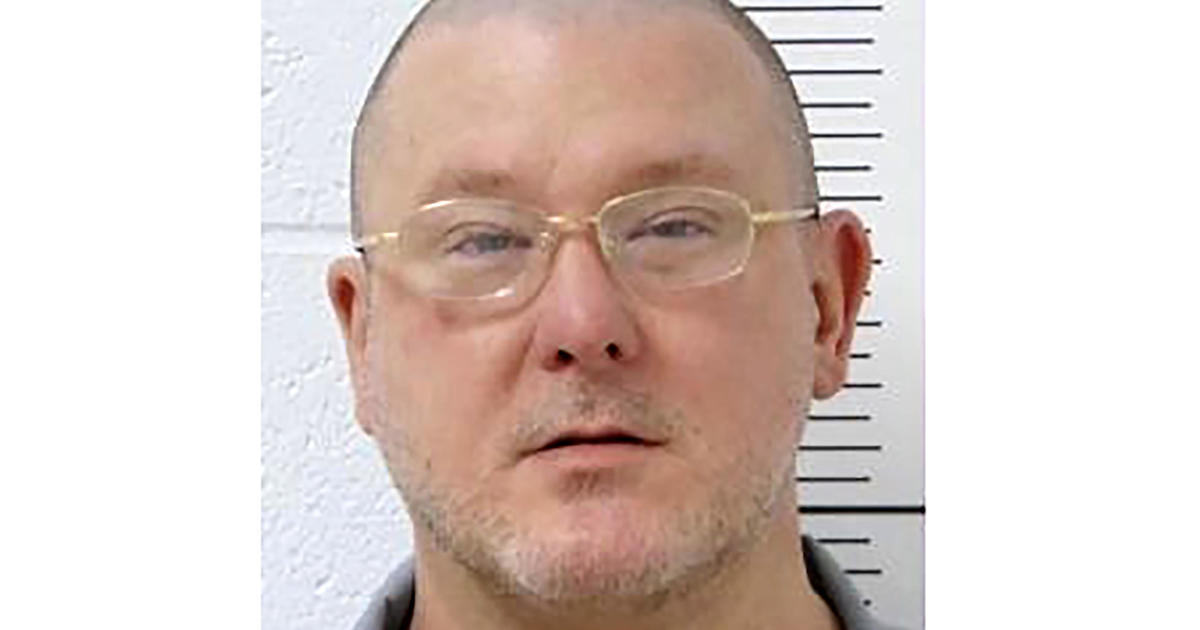
Missouri's execution protocol allows for "surgery without anesthesia" if finding a suitable vein for lethal injection doesn't work, raising concerns of cruel and unusual punishment for death row inmate Brian Dorsey, who is scheduled for execution. His lawyers argue that the invasive "cutdown procedure" could be necessary due to his obesity and health conditions, and that it would violate his constitutional rights. The appeal for clemency and pending appeals focus on the execution process, attorney fees, and the qualifications of the Department of Corrections' acting director.
Missouri's execution protocol allows for "surgery without anesthesia" if finding a suitable vein for lethal injection doesn't work, raising concerns of cruel and unusual punishment for condemned inmate Brian Dorsey. His lawyers argue that the procedure, which involves an incision and tearing tissue away from a vein, would be extremely painful and violate his constitutional rights. Dorsey's attorneys are seeking clemency and have appeals pending, while also questioning the qualifications of the state's acting corrections director.
Missouri's execution protocol allows for "surgery without anesthesia" if finding a suitable vein for lethal injection doesn't work, raising concerns of cruel and unusual punishment for condemned inmate Brian Dorsey. His lawyers argue that the procedure, which involves an incision to find a vein, would be excruciating and violate his constitutional rights. Dorsey's attorneys are seeking clemency and have appeals pending, while also questioning the qualifications of the state's acting corrections director overseeing the execution.
Willie James Pye was executed in Georgia for the 1993 rape and murder of his former girlfriend, marking the state's first execution since 2020. Despite late appeals to the U.S. Supreme Court, Pye's execution proceeded after being convicted and sentenced to death in 1996. His lawyers argued that he was mentally disabled and had a troubled upbringing, but their appeals were ultimately denied. Pye's last meal consisted of two chicken sandwiches, two cheeseburgers, french fries, two bags of plain potato chips, and two lemon-lime sodas.
Georgia executed its first inmate in four years, Willie James Pye, for the 1993 rape and murder of his ex-girlfriend. Despite claims of intellectual disability and a chaotic upbringing, the Georgia Parole Board denied clemency. Pye's last meal consisted of two chicken sandwiches, two cheeseburgers, french fries, chips, and sodas. He did not record a final statement before being put to death by lethal injection, becoming the 54th inmate executed in this manner.
The execution of Thomas Eugene Creech, one of the nation's longest-serving death row inmates, was halted in Idaho after the medical team failed to establish IV access despite eight attempts, raising concerns about the competence of executioners and the secrecy surrounding lethal injections. Factors such as dehydration, stress, and inexperienced personnel may contribute to the difficulty in finding suitable veins. It remains unclear when Creech's execution may be attempted again, and his attorneys have filed a request for a stay, arguing that a second execution attempt would be unconstitutional.