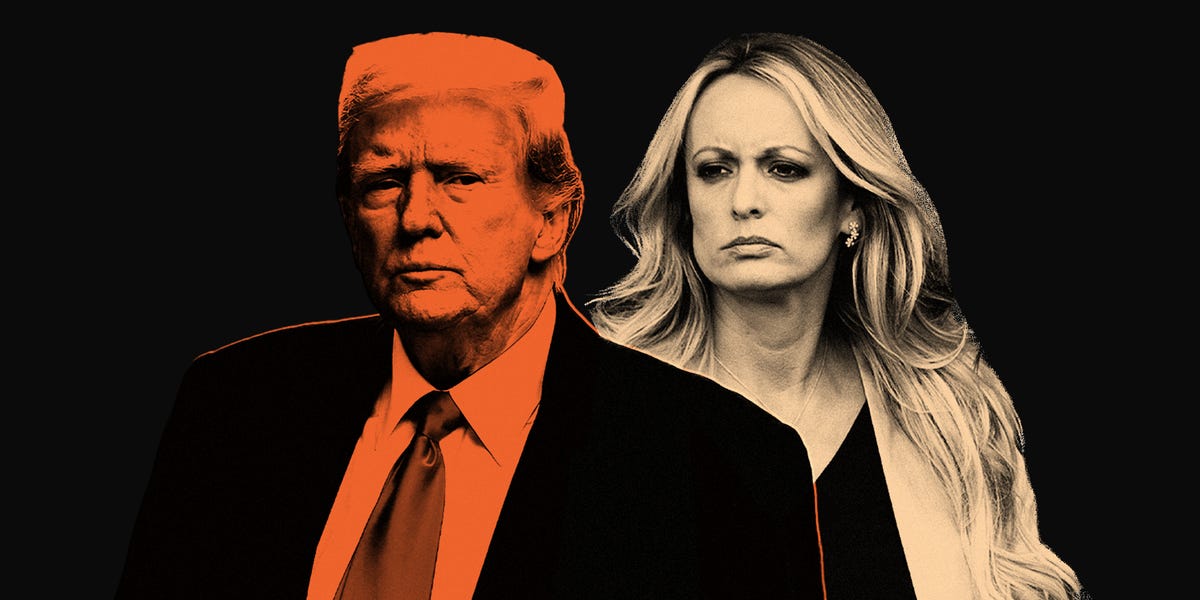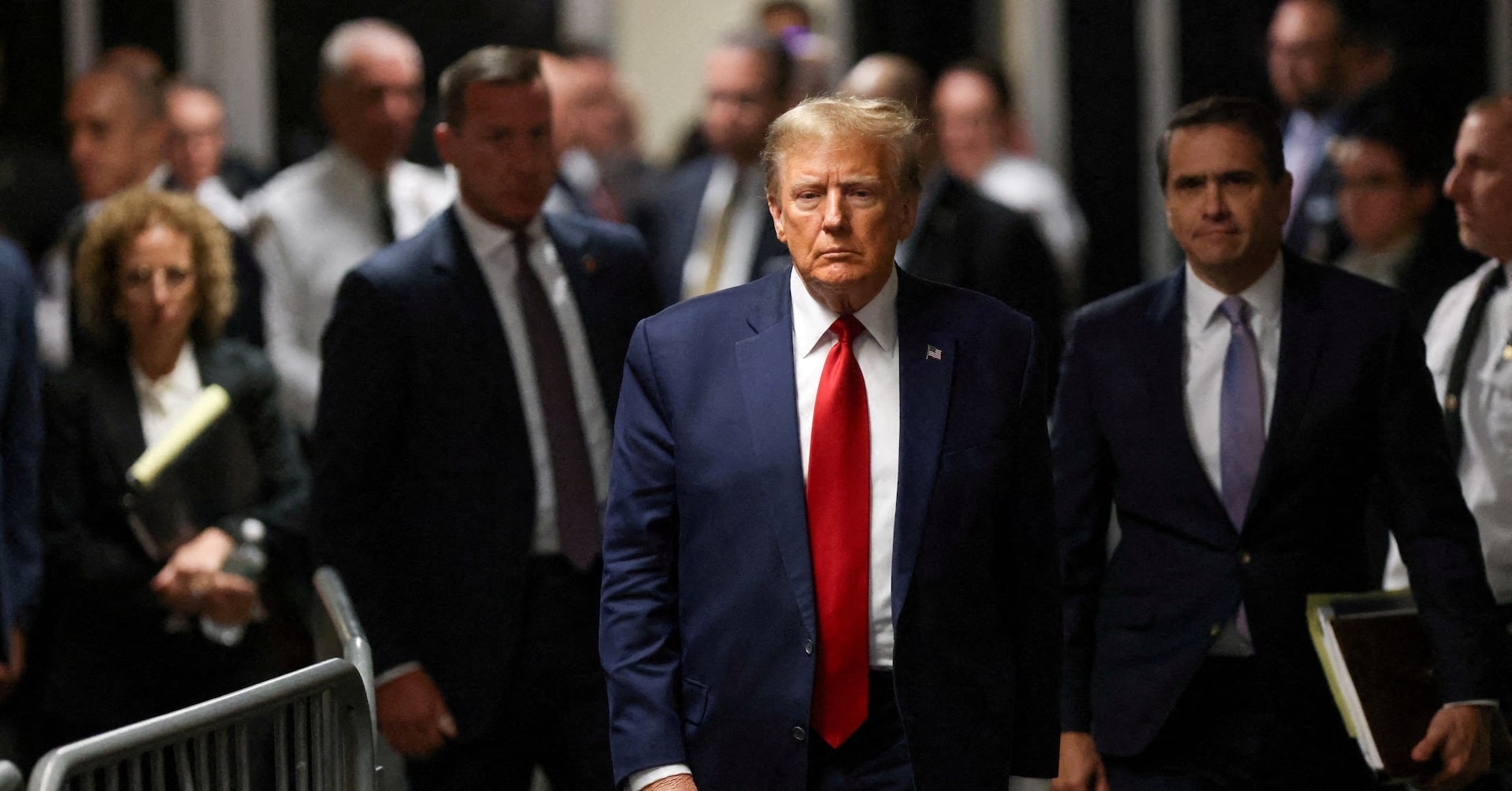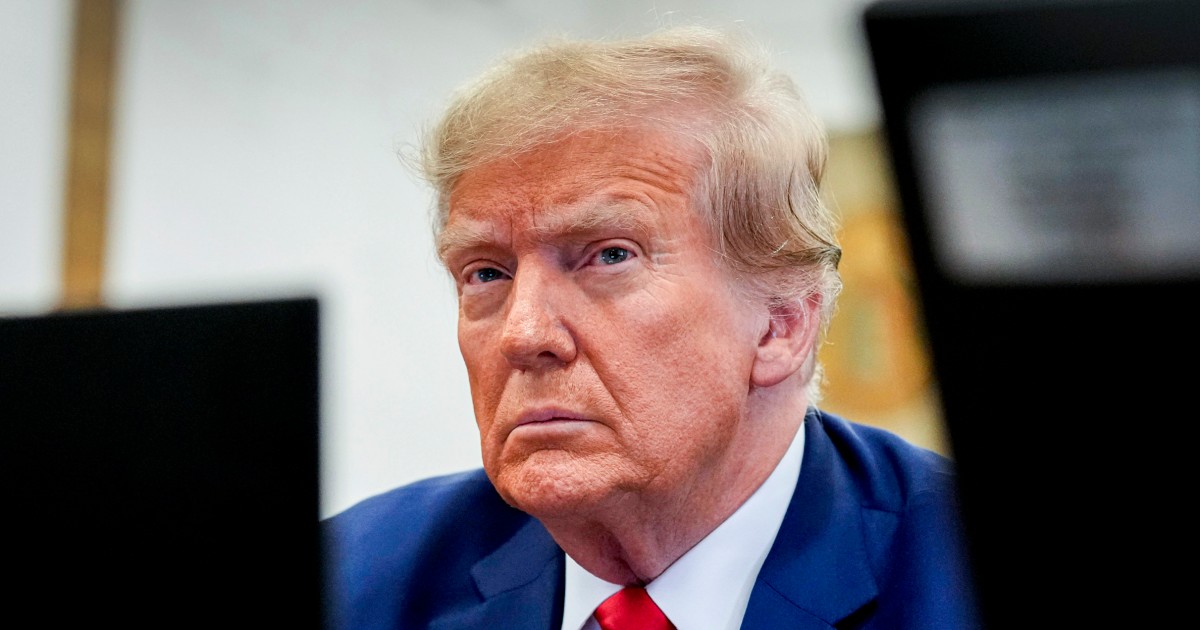
Legal expert Joyce Vance claims that Donald Trump is ignoring basic legal advice by not standing up to face potential jurors during his hush money trial for allegedly orchestrating the payment of hush money to Stormy Daniels. Vance speculates on whether Trump will personally testify in the case, but notes that his legal team is likely to urge him not to. New York attorney Colleen Kerwick highlights the potential impact of a pro-Trump "stealth juror" on the trial's outcome, while Trump faces three other criminal trials over separate allegations.
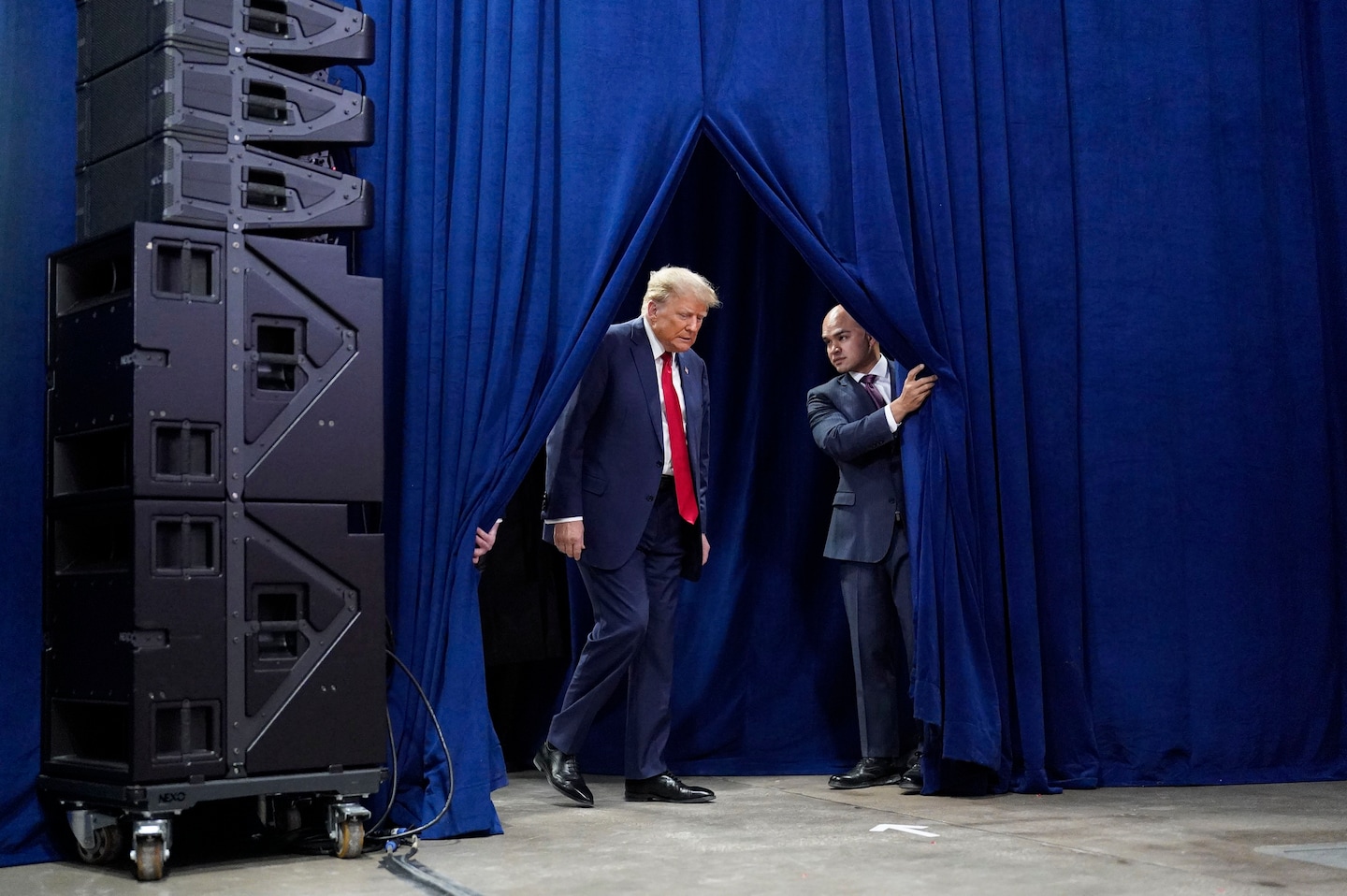
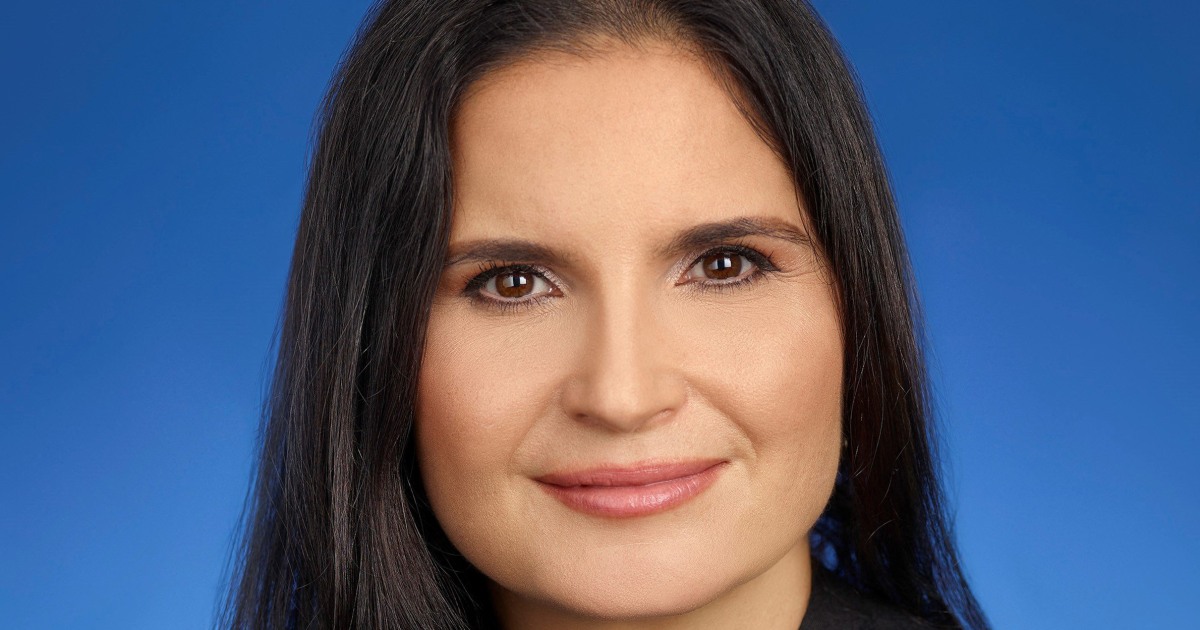
U.S. District Judge Aileen M. Cannon denied dismissal motions by Donald Trump’s co-defendants, ruling that federal prosecutors had met the legal threshold for obstruction charges in the classified document case. The co-defendants had argued lack of evidence and knowledge of ongoing investigation, but the judge stated that such arguments could be made at trial. The prosecutors claim that the co-defendants misled investigators and plotted to delete security footage to prevent officials from retrieving the boxes from Trump’s property. Cannon also rejected requests for a bill of particulars, stating that the indictment is detailed enough.
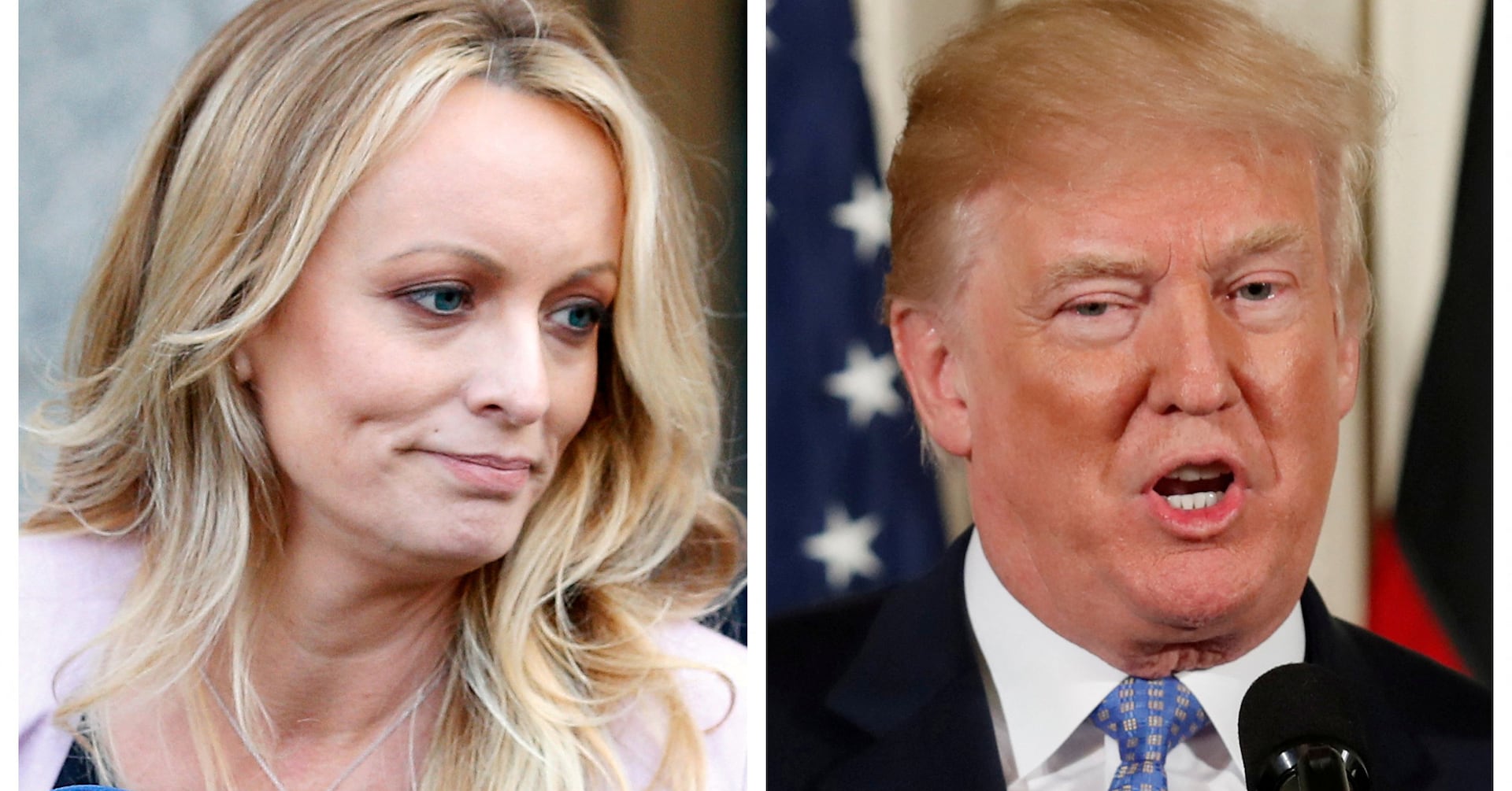
Legal experts predict that Stormy Daniels will provide dramatic testimony in the first-ever criminal trial of a former president, involving hush money paid to her by Donald Trump. The trial, which centers on alleged falsified business records, will likely feature PG-13 testimony about her 2006 encounter with Trump. Prosecutors aim to connect the hush money to Trump and may steer the testimony to complete the narrative. Trump's potential outbursts during Daniels' testimony could lead to contempt-of-court findings, while his lawyers may aggressively cross-examine her. Daniels, known for her public sparring with Trump, is expected to be a difficult witness to control on cross-examination.
A judge denied Donald Trump's request to adjourn his hush money trial due to pretrial publicity just three days before the trial is set to begin, stating that concerns about potential juror exposure to news about the case can be addressed through a robust jury selection process. Trump's lawyers also requested a modification to the jury selection process to inquire about political bias and assess potential jurors' ability to be fair or impartial. The trial is scheduled to start on Monday in New York City, where Trump faces a 34-count indictment related to a hush money payment made just before the 2016 presidential election.
Co-defendants Walt Nauta and Carlos De Oliveira, along with former President Donald Trump, are seeking to have charges related to the handling of classified documents dismissed. Nauta's attorney argues that the indictment fails to allege corrupt conduct, while De Oliveira is also asking for dismissal. The judge is expected to delay the trial start date following recent arguments from both the defense and the special counsel.
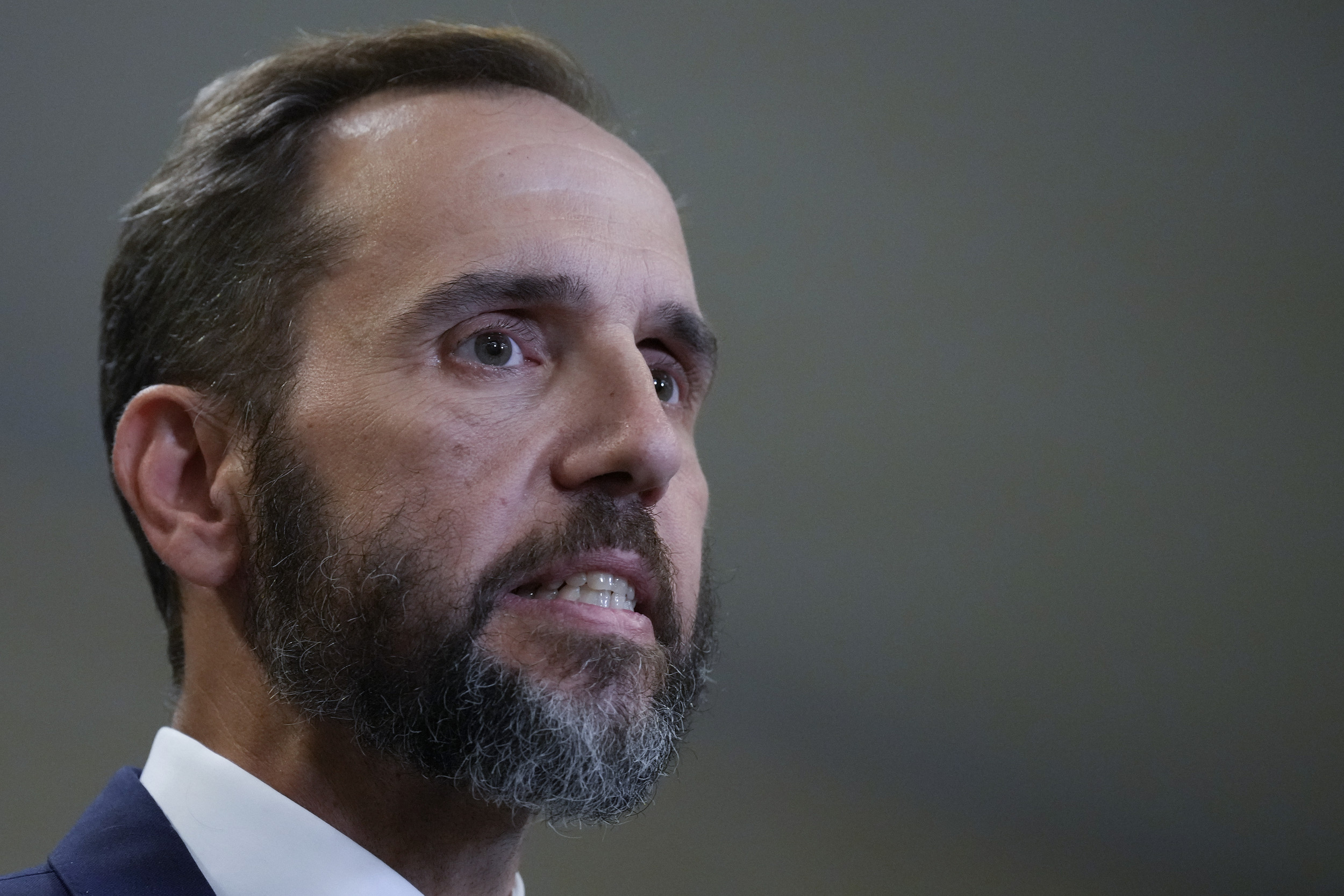
Judge Aileen Cannon criticized prosecutor Jack Smith for his alleged failure to provide adequate legal arguments and comply with court rules in the case involving Donald Trump's retention of classified documents. The judge granted Smith's request to redact the names of government witnesses while expressing her disapproval of his handling of the case, highlighting their deteriorating relationship and ongoing legal sparring.
The judge overseeing Donald Trump's classified documents case has granted federal prosecutors' request to keep the names of government witnesses sealed, addressing safety concerns while criticizing the special counsel for not raising their arguments earlier. The order allows redaction of potential witnesses' names and partial disclosure of witness statements, with public versions of Trump's motion to compel discovery and exhibits to be available by April 22. The case, one of four criminal indictments against Trump, focuses on allegations of mishandling classified documents and does not yet have a trial date.
Former President Donald Trump's request to delay his April 15 trial on criminal charges related to hush money paid to a porn star was denied by an appeals court, as his lawyers sought to challenge a gag order in the case. The gag order restricts Trump from making public comments about potential witnesses and court staff. Trump's lawyers argued that the order should be modified to allow him to respond to public criticism, but the request was denied. The trial is set to proceed as Trump faces charges of falsifying business records to cover up a payment to Stormy Daniels before the 2016 election.
Donald Trump is facing another court appearance, unrelated to classified documents or the January 6th Capitol riot. The lawsuit is brought by Meidas Touch, a political action committee, and alleges that Trump and his campaign violated the Ku Klux Klan Act by conspiring to interfere with Congress's certification of the 2020 election results.
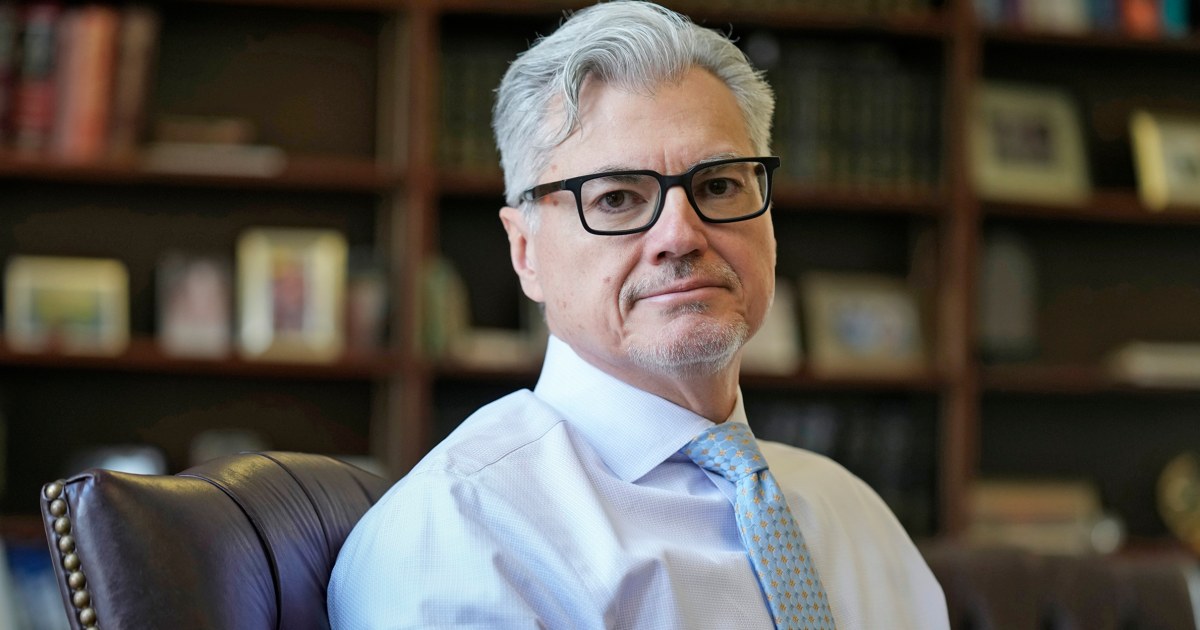
Former President Donald Trump's attorneys have filed a motion seeking Judge Juan Merchan's recusal from his hush money trial, arguing that Trump's status as the presumptive GOP presidential nominee makes him a "political target" due to the judge's daughter's work with a company that worked on Vice President Kamala Harris' 2020 presidential campaign. However, Merchan had previously rejected a similar request and is unlikely to be swayed by this argument. The motion comes just before jury selection begins and is seen as a long-shot bid to disrupt the case, which is set to be the first of Trump's four criminal cases to go to trial.
A judge has blocked Donald Trump's subpoena to NBCUniversal for materials related to a recent documentary about porn star Stormy Daniels, stating that Trump's claim of conspiracy was unsupported and the subpoena was a fishing expedition. Trump is accused of covering up a payment to Daniels and has pleaded not guilty to falsifying business records. The trial has been delayed, and this hush money case in New York state court could be the only one to go to trial before the 2024 election.
U.S. District Judge Aileen Cannon denied Donald Trump's motion to dismiss a case involving mishandling of presidential records, prompting former federal prosecutor Glenn Kirschner to interpret her ruling as potentially biased. Kirschner believes Cannon's decision to wait until after the jury is sworn in before potentially giving a "lawless jury instruction" favoring Trump is concerning. The case involves special counsel Jack Smith's clash with Cannon over jury instructions related to the Presidential Records Act.
A judge denied former President Donald Trump's attempt to dismiss a case alleging mishandling of classified documents, rejecting his argument that the papers were considered personal under the Presidential Records Act. The judge stated that the charges against Trump do not reference the Presidential Records Act and do not rely on it for stating an offense. The judge also disputed the demand to decide the issue now, calling it "unprecedented and unjust." The case revolves around whether national security documents could be considered personal under the Presidential Records Act, with prosecutors arguing that Trump's reliance on the Act is not based on any decisions made during his presidency.
A judge denied former President Donald Trump's motion to dismiss the Georgia election interference case on First Amendment grounds, stating that even core political speech is not immune from prosecution if allegedly used to further criminal activity. The judge ruled that the indictment alleges more than just political statements and that the speech and conduct alleged is not protected political speech. Trump's attorney expressed disagreement with the ruling but noted that they were allowed to raise the issue later, while Trump has criticized the investigation as politically motivated.
The judge overseeing Donald Trump's hush money case rejected his attempt to use presidential immunity as part of his defense, stating that Trump had waited too long to raise the issue. The judge also denied Trump's motion to delay the trial until the U.S. Supreme Court rules on his immunity claims in a separate case. Trump's attorneys sought to keep out evidence related to his statements about key witnesses, but the judge ruled that Trump had been aware of the prosecution's intentions for months. The trial is scheduled to start on April 15, and the judge rejected the request to pause it pending the Supreme Court's ruling on Trump's immunity arguments.