President Biden's energy policies, including restrictions on drilling in the Arctic National Wildlife Refuge (ANWR) and a study on LNG exports, could create legal and bureaucratic hurdles for former President Trump if he attempts to reverse them. The Biden administration's approach includes environmental safeguards and minimal leasing, which complicates Trump's plans to expand drilling and exports. Legal challenges and policy reviews could delay or impede Trump's energy agenda, despite potential support from Washington under his leadership.

Democratic leaders across the U.S. are mobilizing to resist Donald Trump's second-term agenda, focusing on safeguarding state-level institutions and values. Governors like California's Gavin Newsom and Illinois' JB Pritzker are preparing legal and legislative strategies to counter potential federal overreach on issues such as immigration, reproductive rights, and environmental regulations. With Democrats out of power in Washington, blue state leaders are seen as crucial in opposing Trump's policies, while also positioning themselves for future political opportunities. The resistance includes forming coalitions and updating strategies to address anticipated challenges from a more prepared Trump administration.
Documents suggest that UK Prime Minister Rishi Sunak had significant doubts about the effectiveness and cost of the Rwanda asylum plan when he was chancellor, preferring to send fewer migrants and questioning the plan's ability to deter Channel crossings. Despite his previous concerns and the plan being ruled unlawful by the UK Supreme Court, Sunak has committed to changing the law to allow the deportation flights to proceed. The plan, which has faced legal challenges and has not yet resulted in any deportations, aims to deter illegal immigration by sending some asylum seekers to Rwanda for processing. Critics, including Labour MP Yvette Cooper, have called the scheme costly and ineffective, while a government source defended Sunak's support for the plan as a deterrent and fiscal responsibility.
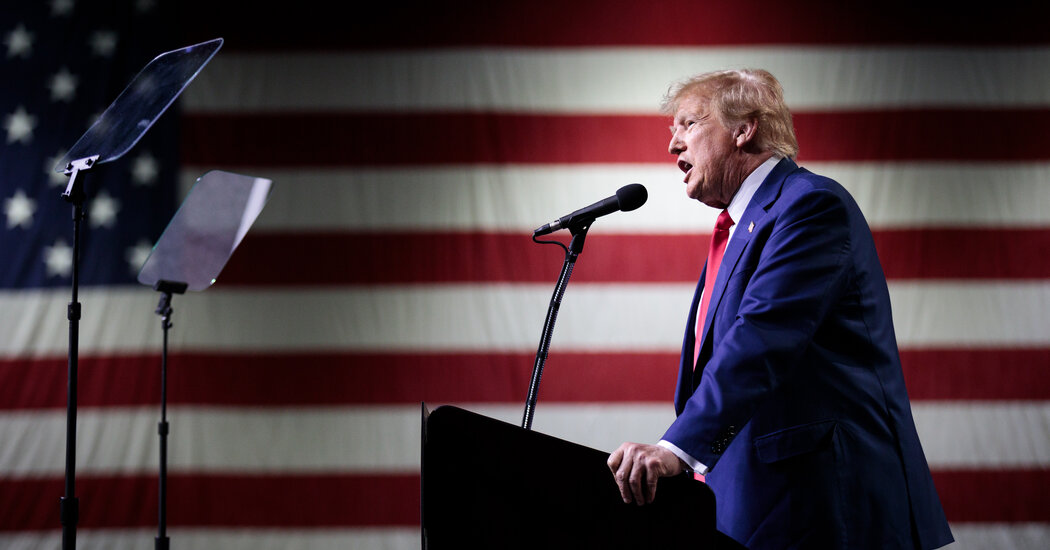
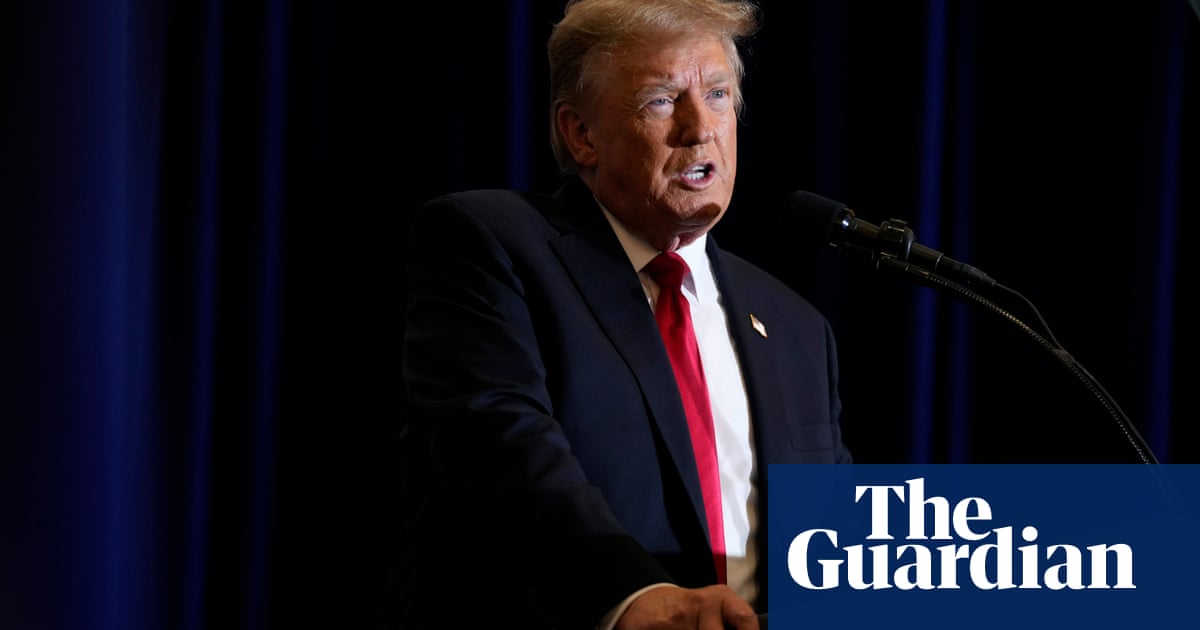
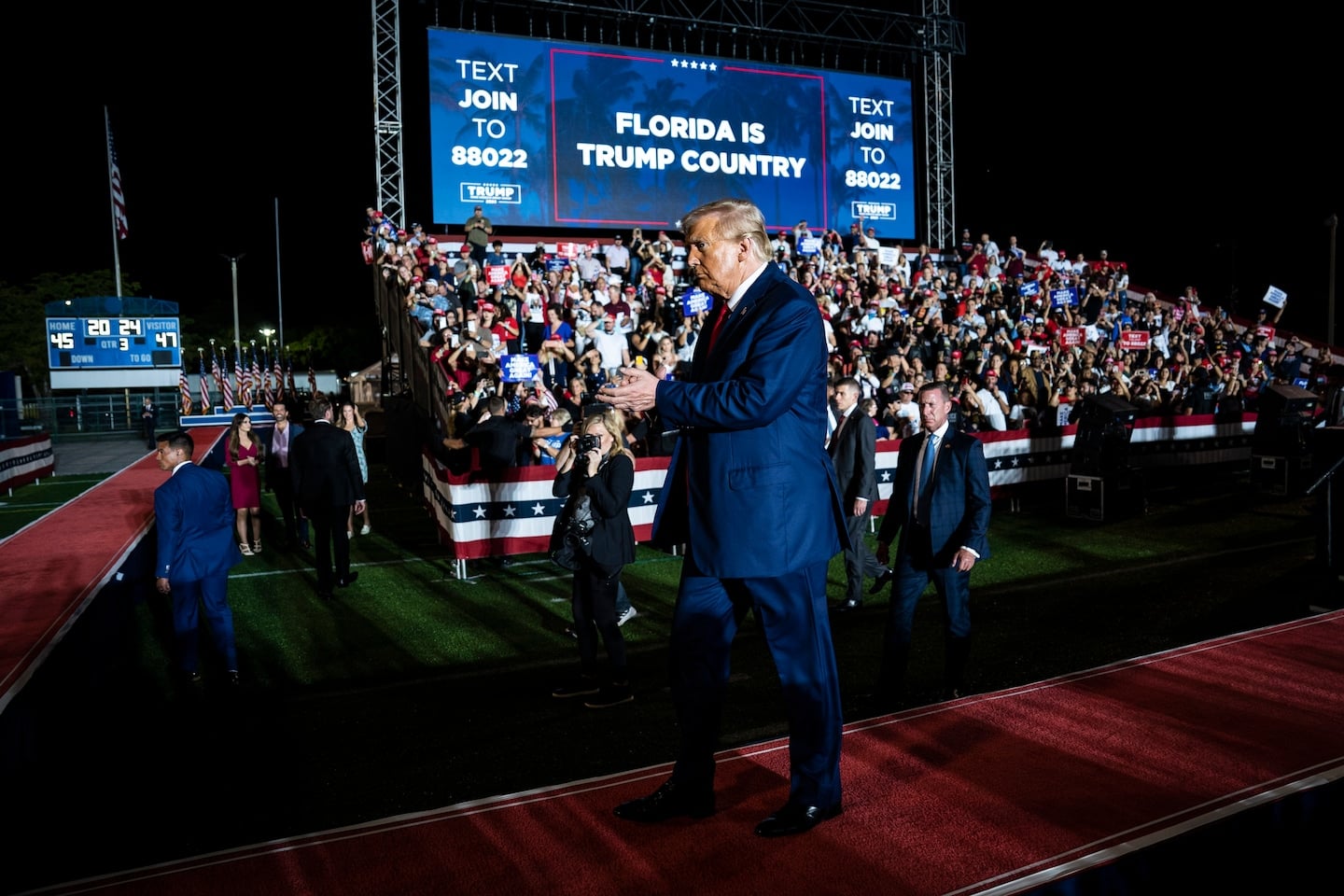
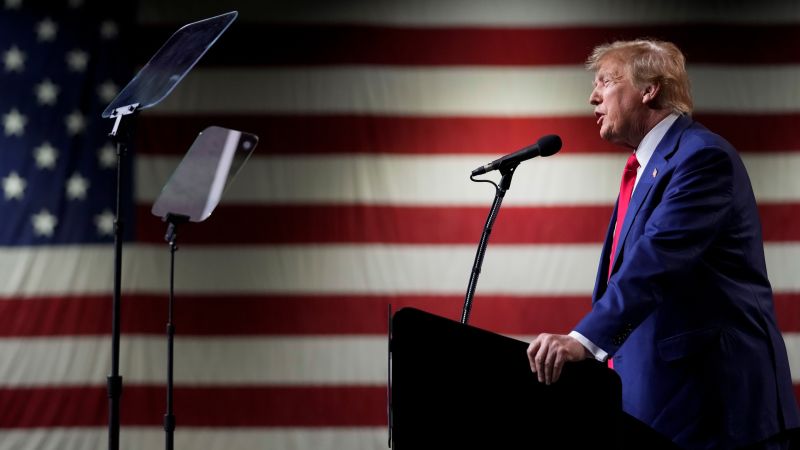
Former President Donald J. Trump is aggressively campaigning for the 2024 Republican nomination, despite facing multiple court cases that could potentially impact his run. His campaign is incorporating these legal battles into their messaging and fundraising efforts, aiming to secure the nomination quickly before any legal outcomes can interfere. Political correspondent Maggie Haberman provides insight into how Trump's legal issues are shaping his campaign strategy and public image.
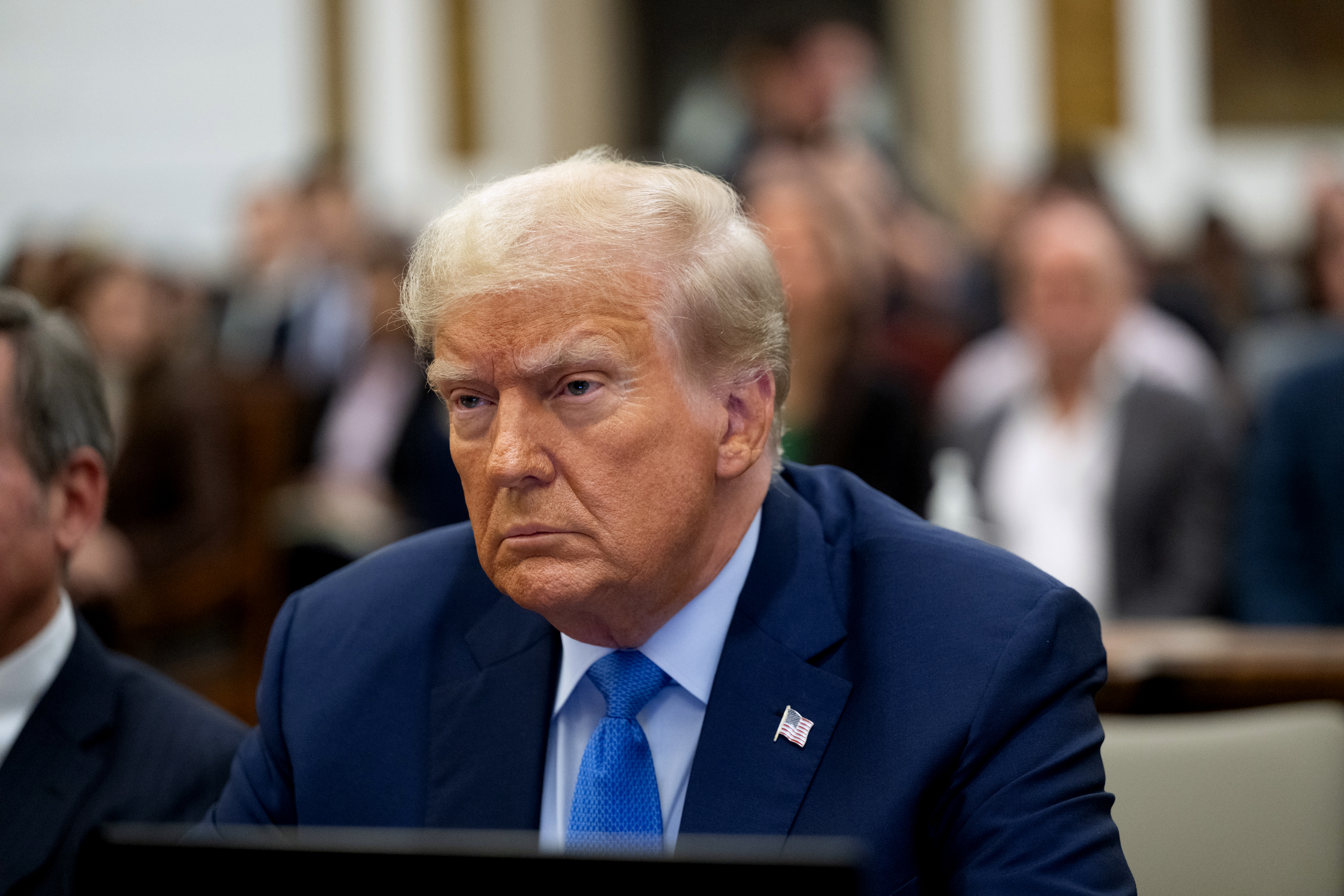
Donald Trump's legal troubles are set to intersect with his 2024 presidential campaign as he faces multiple criminal trials while seeking the Republican nomination. His potential candidacy could be historic if he runs as a convicted felon, depending on the outcomes of his trials. Trump's legal issues stem from his actions surrounding the 2020 election and his claims of political persecution. Meanwhile, his Republican rivals are cautious about leveraging his legal predicaments, fearing backlash from his base. As Trump plans campaign events in Iowa, he also contends with efforts to bar him from ballots and battles in court, including a civil fraud trial in New York and a racketeering trial in Georgia. The intertwining of Trump's legal and political battles poses a unique challenge to American democracy and the upcoming election.
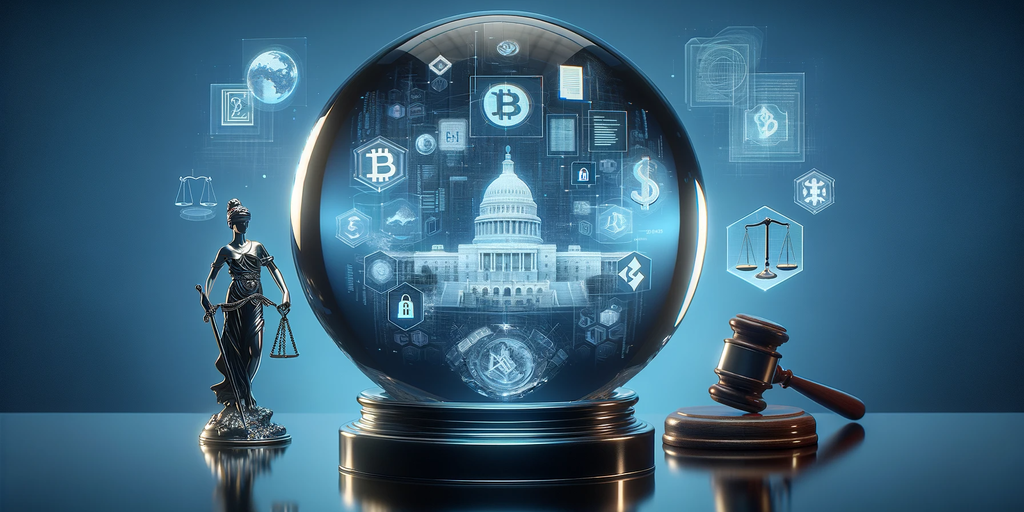
The year 2024 is anticipated to be pivotal for cryptocurrency regulation in the United States, with several major legal cases and proposed rules potentially bringing clarity to the industry. Key developments include a Coinbase legal challenge to the SEC, a Supreme Court case that could limit federal agencies' power, and the conclusion of Ripple's lawsuit with the SEC. Proposed rules from the SEC, IRS, and Treasury Department could significantly impact the crypto landscape, with outcomes ranging from stifling DeFi development to prompting Congress to establish a regulatory framework. However, the exact direction of U.S. crypto regulation remains uncertain, with industry leaders acknowledging the difficulty in predicting congressional actions.
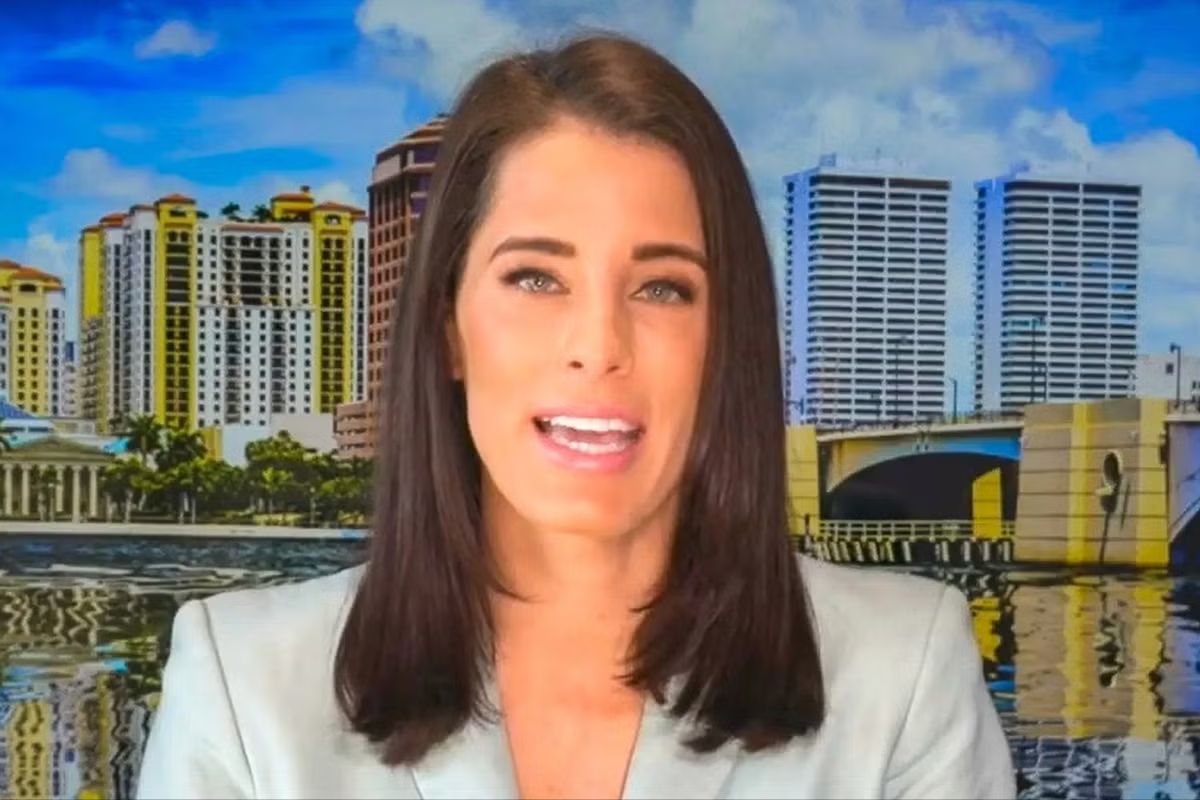
Donald Trump's attorney, Christina Bobb, has argued that the former president's supporters should not believe he has legal issues, despite his removal from the Republican ballot in Maine under the 14th Amendment's ban on insurrectionists holding office. This follows a similar decision in Colorado last month. Bobb accused Maine's Secretary of State Shenna Bellows of election interference and suggested she be investigated and possibly impeached. Trump's advisers are preparing to challenge these decisions, amid concerns that even conservative Supreme Court justices he appointed might rule against him. Trump is also involved in multiple other legal proceedings, including a fraud trial in New York.
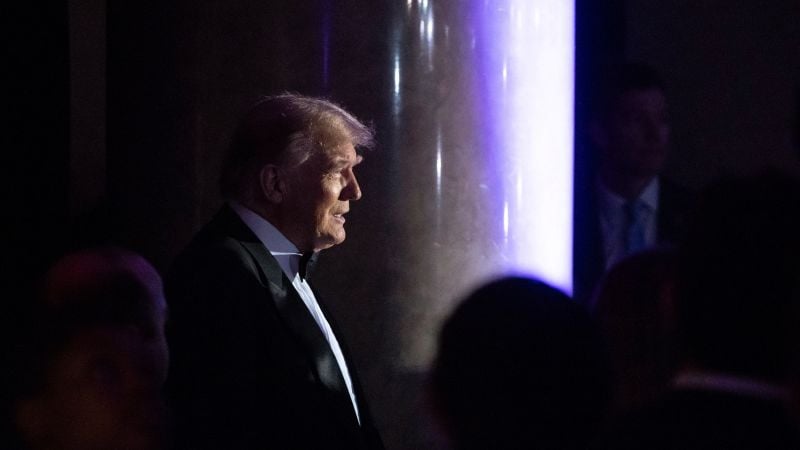
Former President Donald Trump is facing a tumultuous start to the New Year with a series of legal battles that could impact his 2024 presidential campaign. He is currently leading the Republican nomination race despite a civil fraud trial and a defamation trial set to begin in January. Trump also faces four criminal trials, including charges related to the 2020 election and mishandling classified documents. Additionally, his eligibility to appear on state primary ballots is being challenged in multiple states under the insurrection clause of the Constitution. Despite these challenges, Trump maintains a strong lead in GOP polls and is also polling well against President Joe Biden for a potential 2020 rematch.
Former President Donald Trump has faced a tumultuous year with multiple criminal charges and legal battles, yet these challenges have paradoxically strengthened his political position within the Republican Party. Despite the potential for prison time and the presence of high-profile rivals like Florida Governor Ron DeSantis, Trump's campaign has gained momentum, with indictments seemingly rallying GOP voters and representatives around him. This support has positioned him as a strong contender for a historic third presidential nomination, even as some party members fear his legal issues could jeopardize a general election victory.
Donald Trump is preparing to legally contest the decisions made by Maine and Colorado to remove his name from their primary ballots, arguing that the states' interpretations of the 14th Amendment—which aims to prevent those who have engaged in insurrection from holding office—are incorrect. The legal battle raises questions about states' rights to interpret constitutional matters and the role of the judiciary versus the electorate in deciding election outcomes. Trump's team anticipates that the conservative-leaning Supreme Court may eventually hear the case, while critics argue that voters should determine election results, not state officials or courts. The situation is creating a complex mix of legal, constitutional, and political tensions as Trump continues to face various legal challenges related to his actions surrounding the January 6 Capitol riot.
The article discusses the potential impact of 2024 on Donald Trump and the United States, highlighting Trump's numerous legal battles and his influence on the Republican primary and general election. It compares Trump's political strategy to that of George Wallace, emphasizing Trump's ability to capture and exploit his supporters' hopes and fears. The piece suggests that persuading Trump voters to change their stance is futile and underscores the importance of the upcoming election in determining the nation's values and direction. The author urges readers to stay engaged and vote, indicating the high stakes of the 2024 election for America's future.
January is a significant month for Donald Trump as he campaigns for the 2024 GOP presidential primary and contends with various legal challenges. Key dates include a deadline to appeal a Colorado Supreme Court decision on January 4, a court case regarding election subversion on January 9, a Republican primary debate on January 10, closing arguments in a New York civil fraud trial on January 11, the Iowa caucuses on January 15, the start of E. Jean Carroll's damages trial on January 16, another GOP debate on January 21, and the New Hampshire primary on January 23.