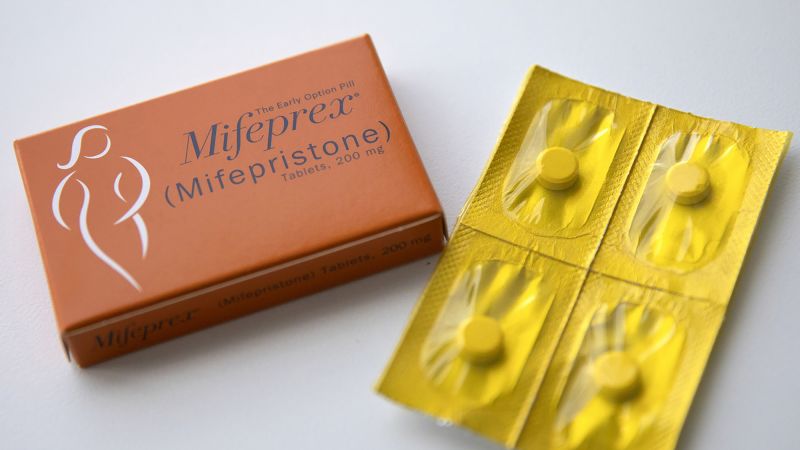
Texas lawmakers have approved a law allowing private citizens to sue abortion pill providers, making it the first of its kind in the US, as part of the state's broader efforts to restrict abortion access. The law permits lawsuits against manufacturers, doctors, and mailers of abortion-inducing drugs, with potential damages up to $100,000, and aims to enforce Texas's existing abortion bans. The legislation has faced criticism for encouraging vigilantism and targeting out-of-state providers, while supporters claim it protects women and fetuses. The law is expected to be signed by Governor Greg Abbott and will take effect in December, likely sparking legal challenges.
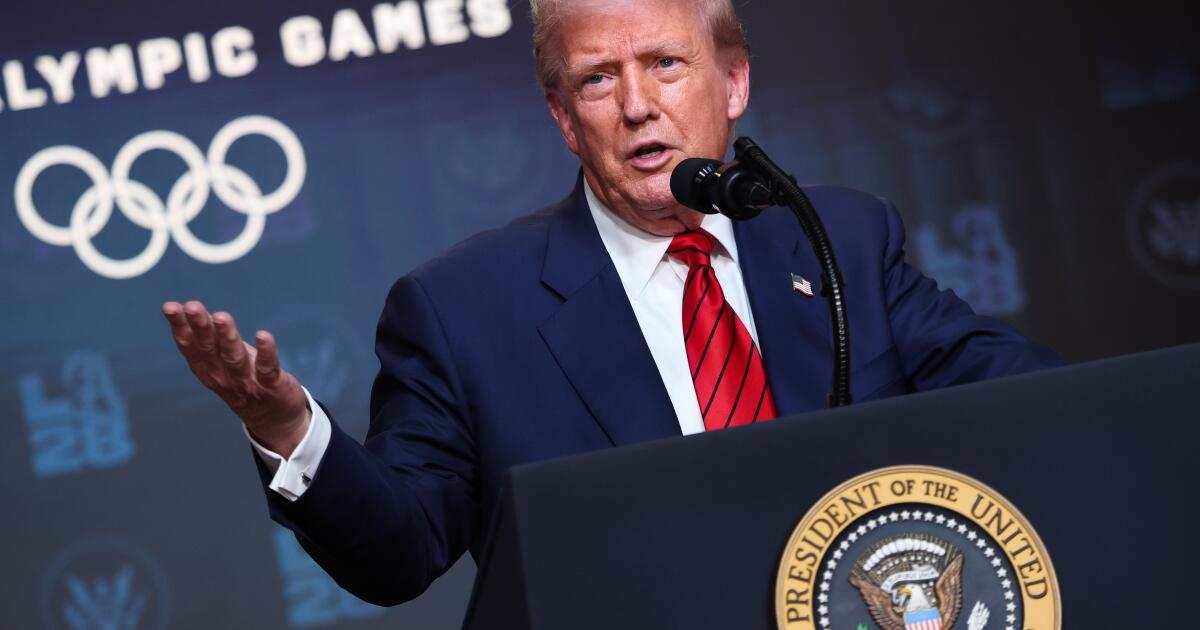
A federal judge blocked the Trump administration from withholding funds from Los Angeles and other cities with sanctuary policies, ruling that such funding cuts are unconstitutional and violate separation of powers, marking a significant legal victory for these jurisdictions in their resistance to federal immigration enforcement efforts.
A federal judge has struck down President Trump's executive order targeting the law firm WilmerHale, ruling it unconstitutional and emphasizing the importance of judicial independence and free speech, marking a setback for Trump's efforts to penalize firms associated with critics like Robert Mueller.
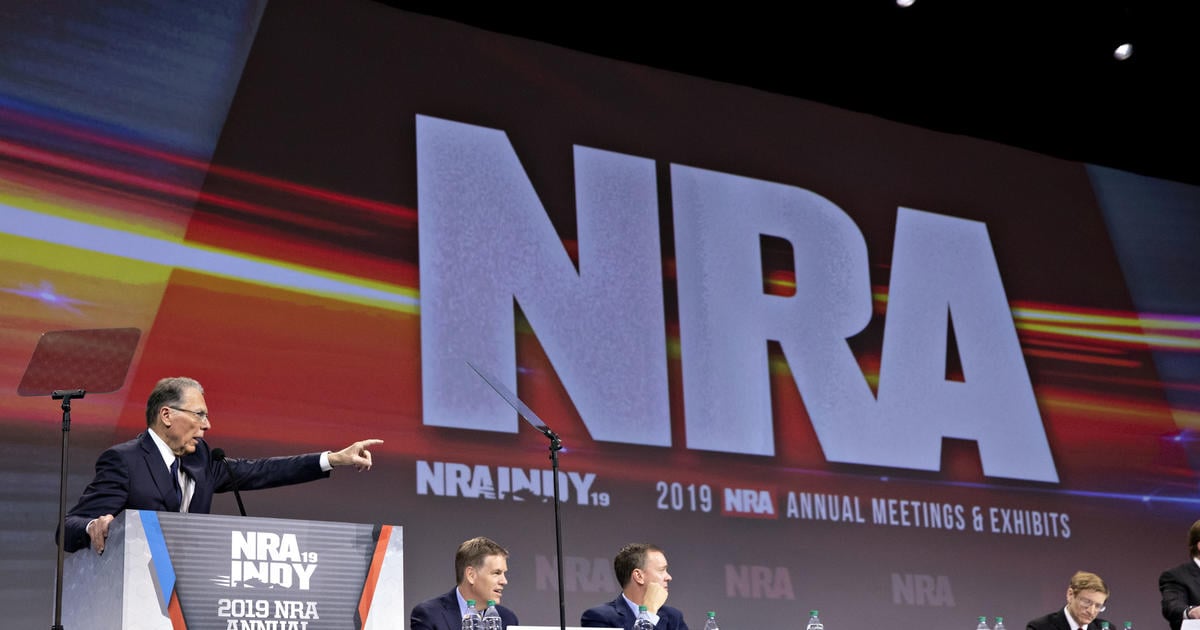
The U.S. Supreme Court has revived the NRA's lawsuit against former New York official Maria Vullo, accusing her of coercing financial institutions to cut ties with the gun rights group, which the NRA claims violated its First Amendment rights. The unanimous decision emphasizes that government officials cannot use their power to suppress speech they dislike. The case will return to lower courts for further analysis.
The Supreme Court ruled unanimously in favor of the NRA, allowing its lawsuit against former New York financial regulator Maria Vullo to proceed. The NRA alleges that Vullo violated its First Amendment rights by coercing banks and insurance companies to sever ties with the group to suppress its pro-gun advocacy. The decision overturns a lower court's dismissal of the case and emphasizes that government officials cannot use their regulatory power to punish or suppress disfavored political speech.
A new Louisiana law criminalizes approaching within 25 feet of a police officer under certain circumstances, raising concerns about its impact on the public's ability to film police and potential First Amendment violations. Proponents argue it ensures officer safety, while critics fear it could hinder police accountability and transparency.