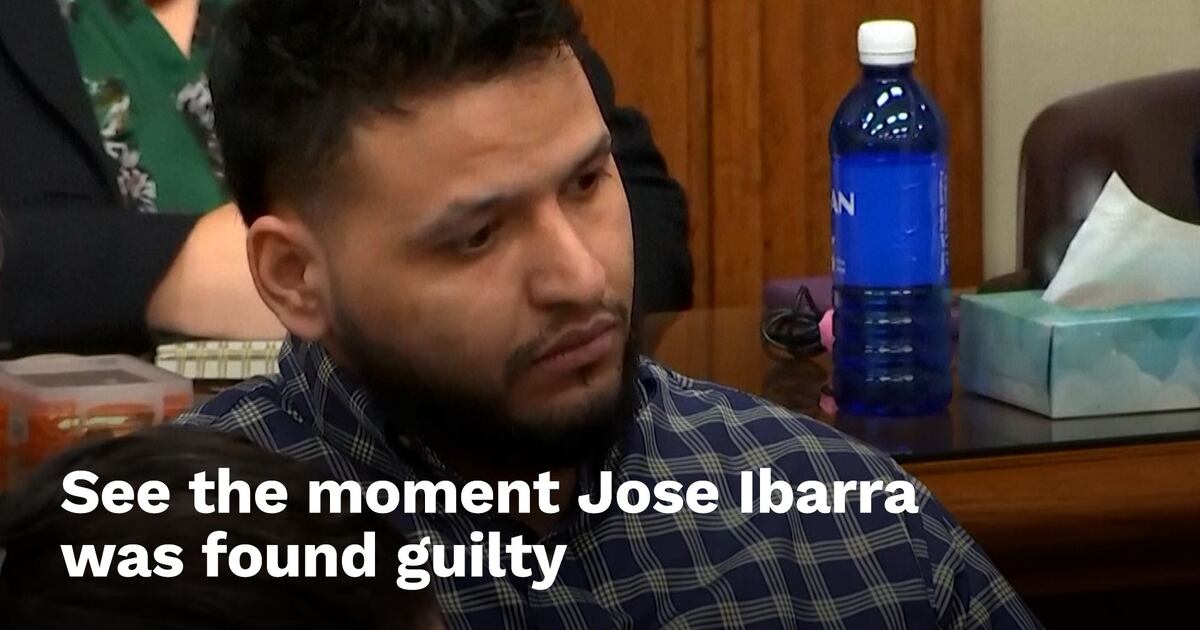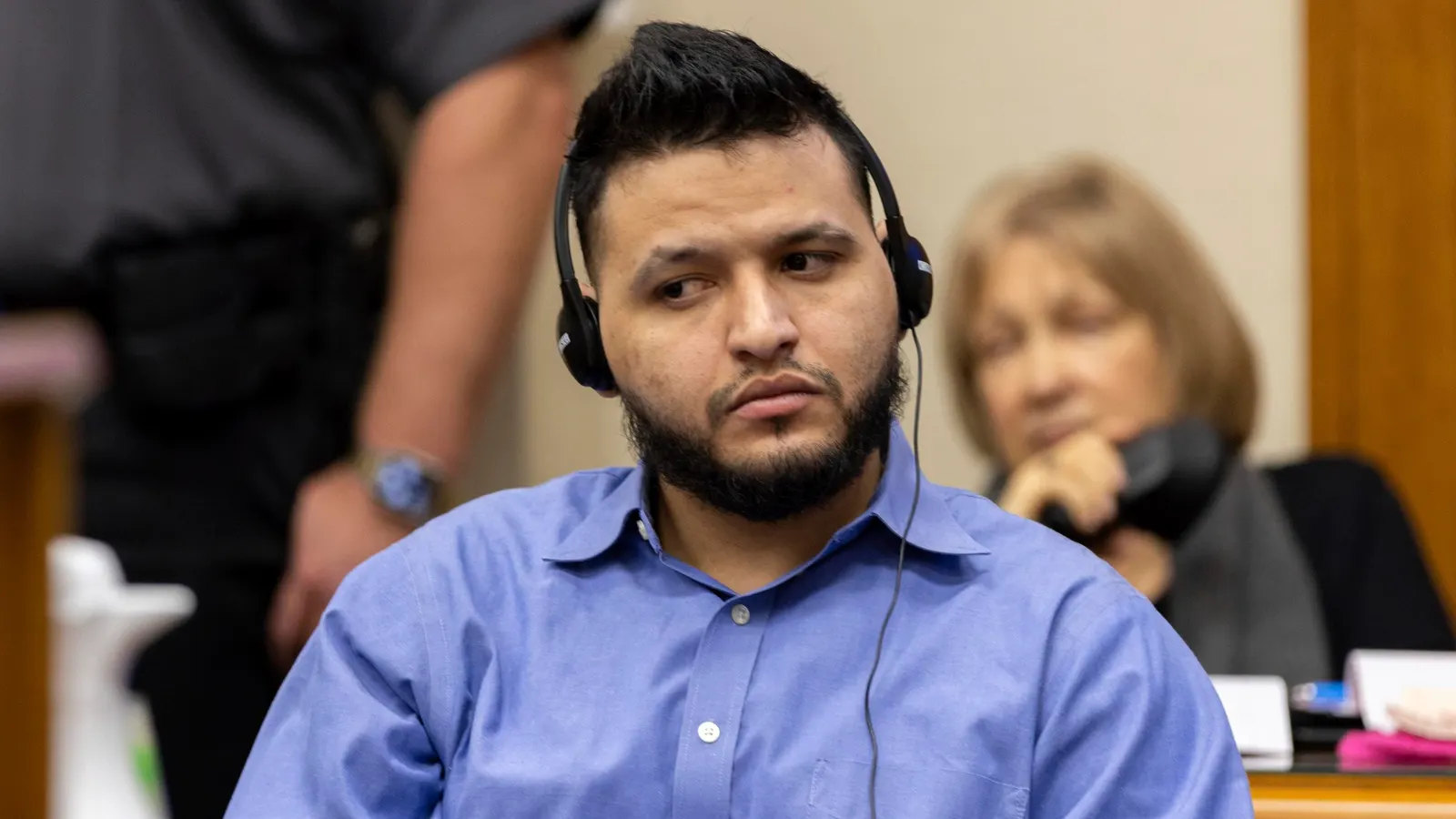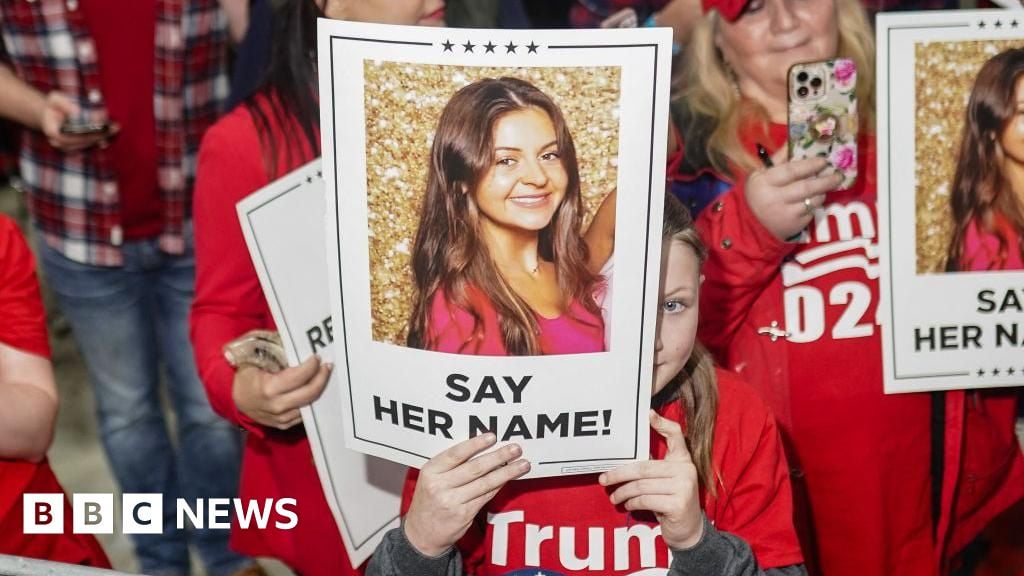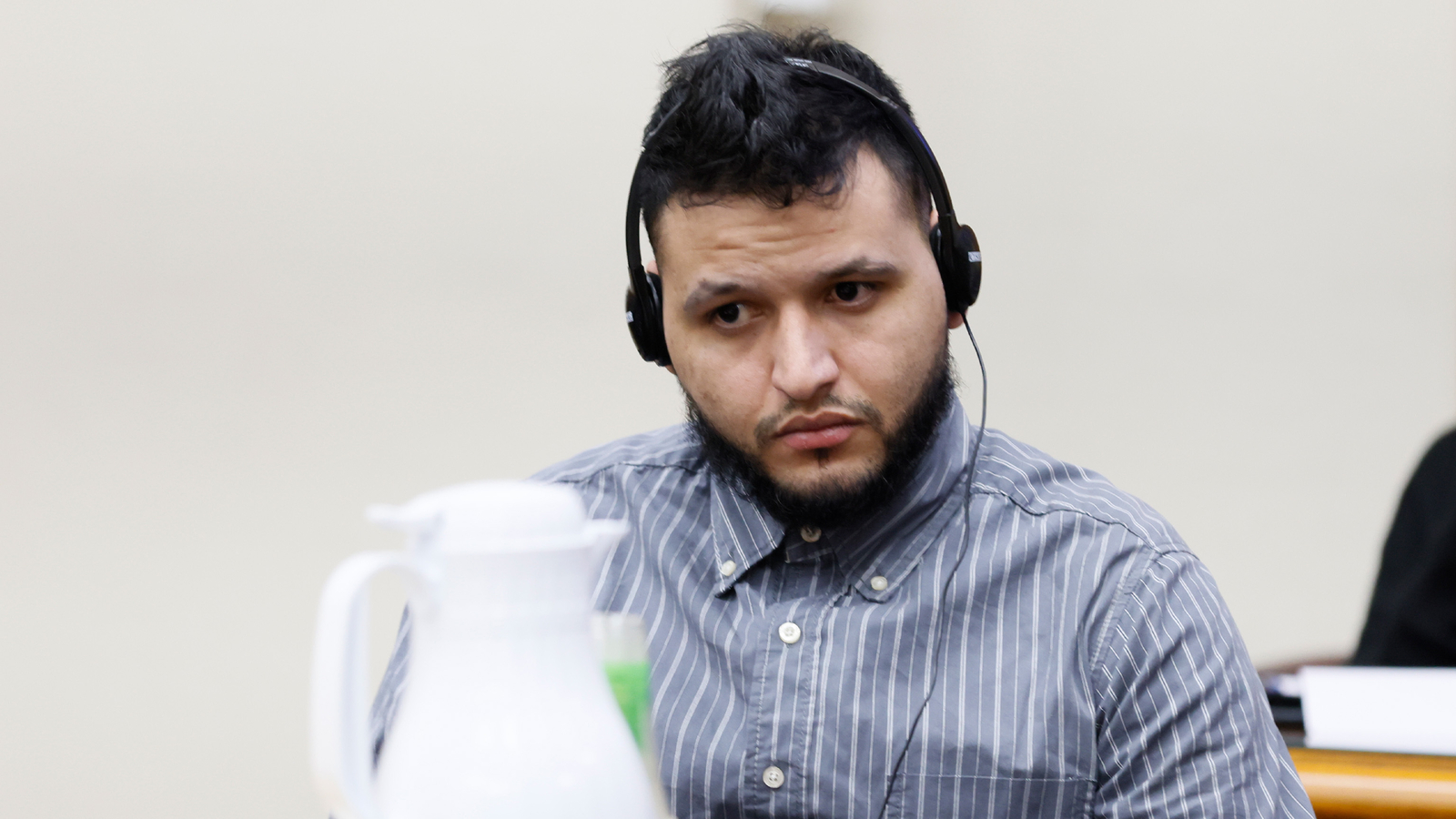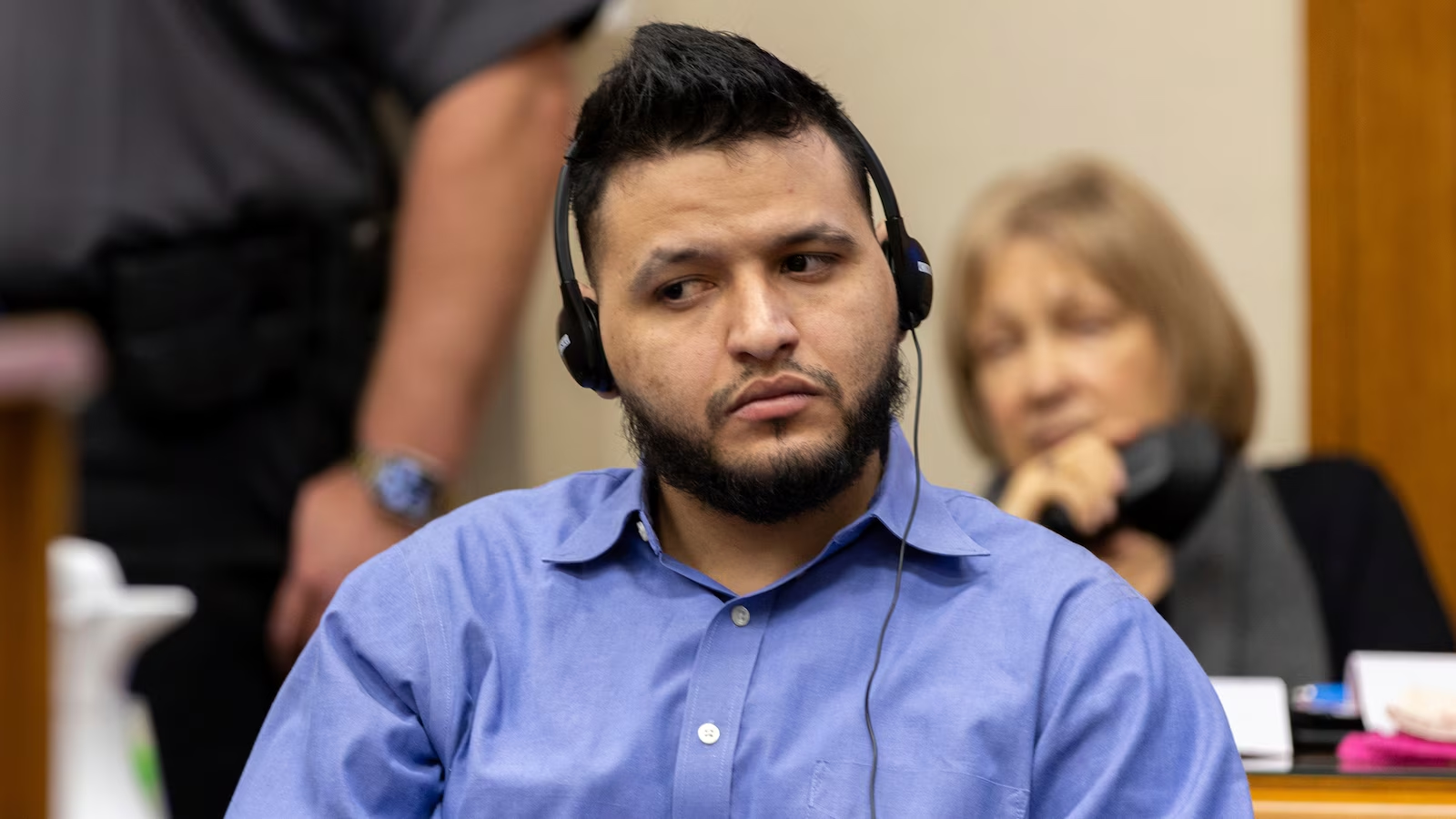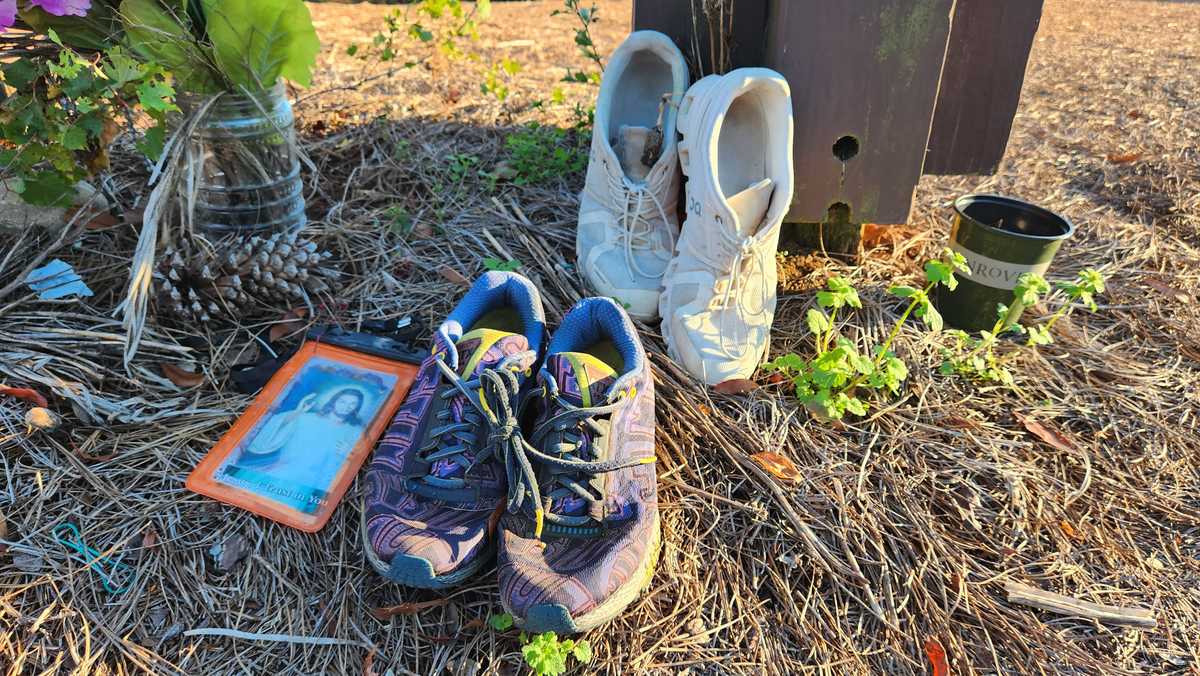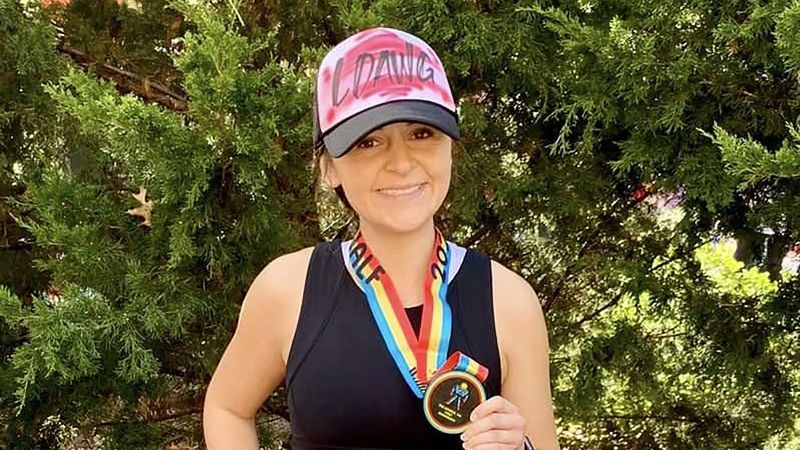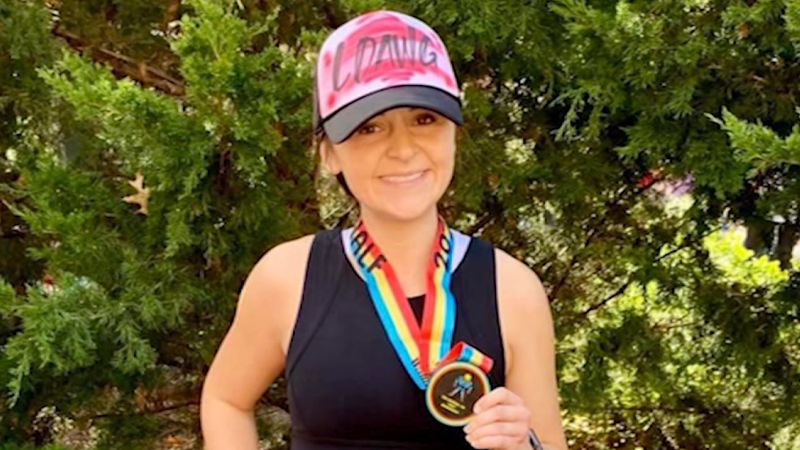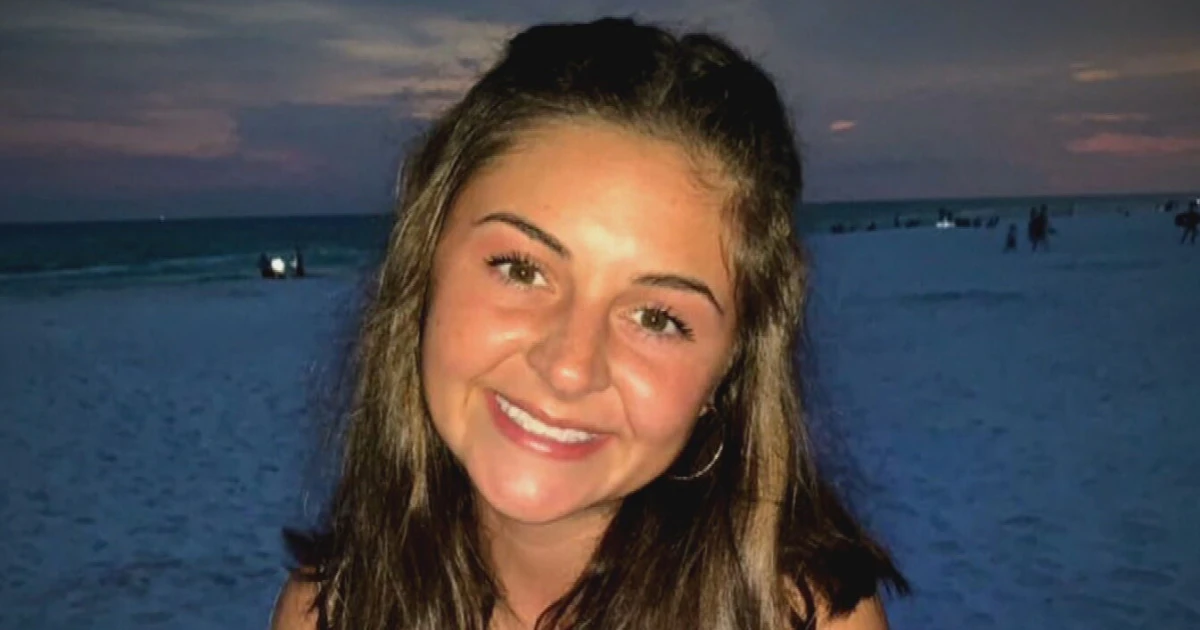
Jose Antonio Ibarra was convicted of murdering Georgia nursing student Laken Riley and sentenced to life without parole. The defense opted for a bench trial due to overwhelming evidence, hoping to avoid harsher sentencing. Despite the political controversy surrounding Ibarra's illegal entry into the U.S., the trial's outcome was predictable. The judge imposed consecutive sentences, reflecting the severity of the crime and the impact on Riley's family.
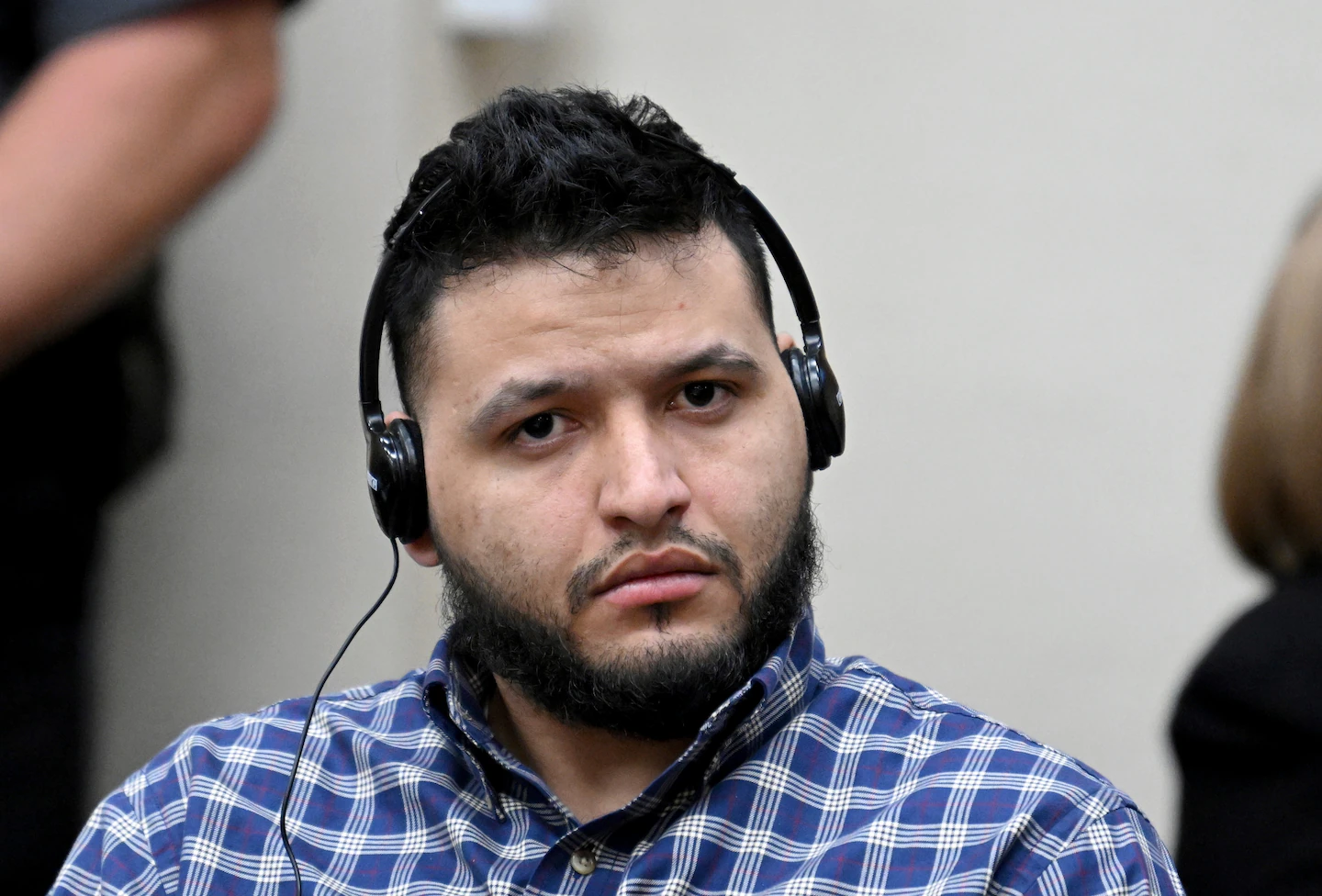
Jose Antonio Ibarra, a Venezuelan national, was sentenced to life without parole after being found guilty of murdering Laken Riley, a 22-year-old nursing student. The case has intensified discussions on immigration, becoming a focal point in the presidential election.
Jose Ibarra was sentenced to life without parole for the murder of Laken Riley, a University of Georgia student, after DNA evidence linked him to the crime. Riley was attacked while jogging, and her death has fueled debates on illegal immigration, as Ibarra was in the U.S. illegally. The trial included emotional victim impact statements from Riley's family, highlighting the profound loss they experienced.
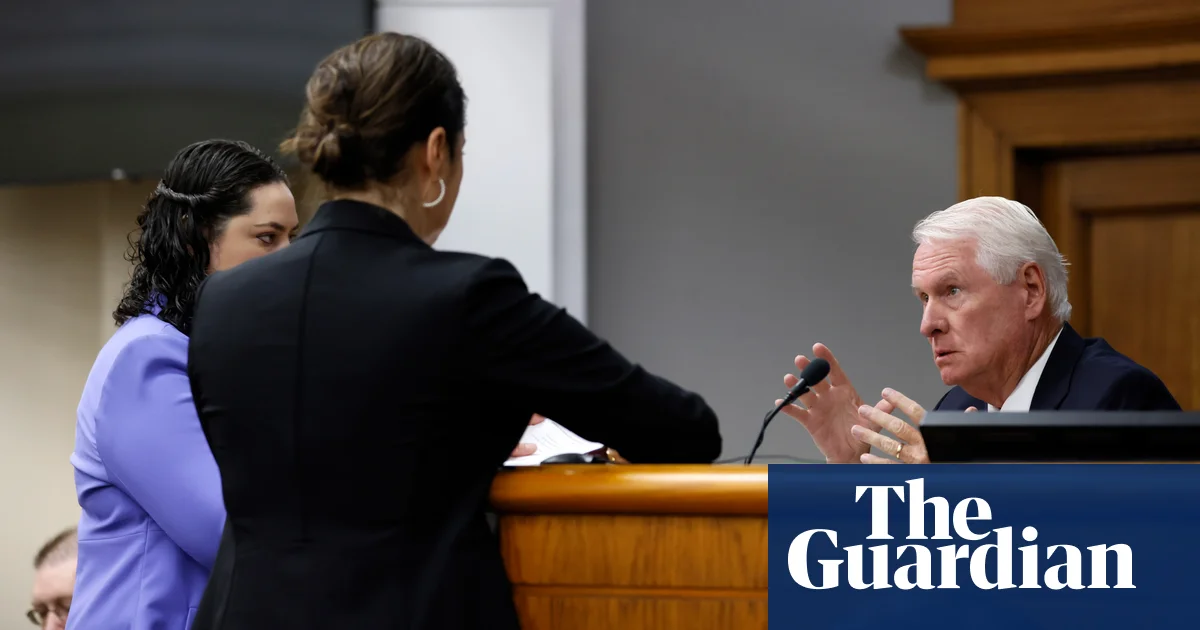
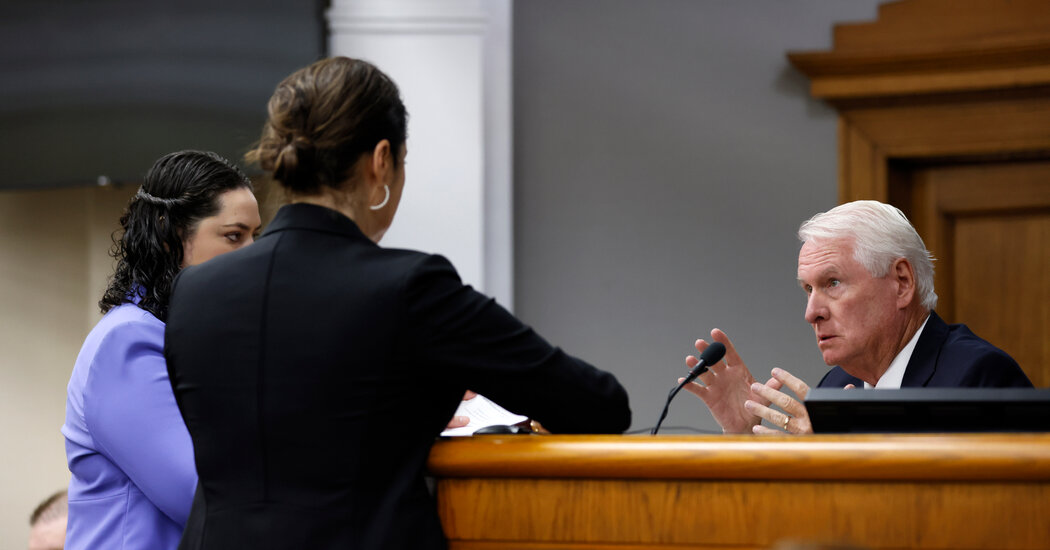
Jose Ibarra, a Venezuelan man, has been sentenced to life in prison without parole for the murder of Georgia nursing student Laken Riley. Ibarra was found guilty of multiple charges, including malice murder and attempted sexual assault, by Judge H. Patrick Haggard in Athens, Georgia. The case, which did not mention Ibarra's immigration status during the trial, has fueled national debate over immigration policies. Prosecutors presented overwhelming evidence, including DNA and video footage, while the defense argued the evidence was circumstantial.
Jose Ibarra, a 26-year-old undocumented immigrant, was sentenced to life in prison without parole for the murder of Laken Riley, a University of Georgia nursing student. The case, which became a focal point in the national immigration debate, saw Ibarra found guilty of multiple charges including malice murder and aggravated assault. Riley was killed in February while out for a run, and her death was politicized by figures like Donald Trump, who criticized immigration policies. Prosecutors did not seek the death penalty, opting for a life sentence instead.
Jose Antonio Ibarra, an undocumented Venezuelan immigrant, has been found guilty of murdering 22-year-old nursing student Laken Riley on the University of Georgia campus. The case, which became a focal point in the 2024 presidential election, saw Ibarra convicted on multiple charges, including felony murder and kidnapping. The trial highlighted issues of border security, with Republican figures blaming the Biden administration for Ibarra's presence in the US. Ibarra's sentencing is pending, with prosecutors seeking life without parole.
José Ibarra, a Venezuelan man, has been convicted of the murder of Laken Riley, a Georgia nursing student, in a case that intensified the national debate over US immigration. Ibarra, who entered the US illegally in 2022, was found guilty by Judge H Patrick Haggard after waiving his right to a jury trial. The trial featured testimonies from law enforcement and acquaintances of both Riley and Ibarra. The case highlighted immigration issues as Ibarra was allowed to stay in the US while his immigration case was pending.
Jose Ibarra, an undocumented migrant, was found guilty of murdering Laken Riley, a University of Georgia nursing student, on all charges including malice and felony murder. The case, which has been a focal point for immigration reform discussions, was decided by Judge H. Patrick Haggard after Ibarra waived his right to a jury trial. Prosecutors presented overwhelming evidence, including DNA and digital data, linking Ibarra to the crime, which occurred after Riley resisted an attempted rape. Sentencing is pending.
A Venezuelan migrant has been found guilty of murdering Laken Riley in Georgia. The case has drawn attention due to the migrant's background and the circumstances surrounding the crime.
Jose Ibarra was found guilty of all charges, including malice and felony murder, in the killing of University of Georgia student Laken Riley. The evidence presented by prosecutors was deemed overwhelming, with DNA and digital evidence linking Ibarra to the crime. The defense suggested Ibarra might have been an accomplice rather than the killer, but the judge dismissed this theory. The case has sparked discussions on immigration reform, as Ibarra is an undocumented migrant. He faces a minimum sentence of life in prison with the possibility of parole.
The trial of Jose Ibarra, accused of murdering 22-year-old nursing student Laken Riley, revealed her final moments through court testimonies and evidence. Riley was killed while jogging on the University of Georgia campus, with DNA evidence linking Ibarra to the crime. Prosecutors argue Ibarra, an undocumented migrant, attacked Riley after she resisted his advances. The case has sparked discussions on immigration reform. Ibarra, who has pleaded not guilty, waived his right to a jury trial, leaving the verdict to Judge H. Patrick Haggard.
A witness has testified that New York City assisted a migrant, who is now accused of killing Laken Riley, in relocating to Georgia. This development has raised questions about the city's role in the movement of individuals who may pose a threat to public safety.
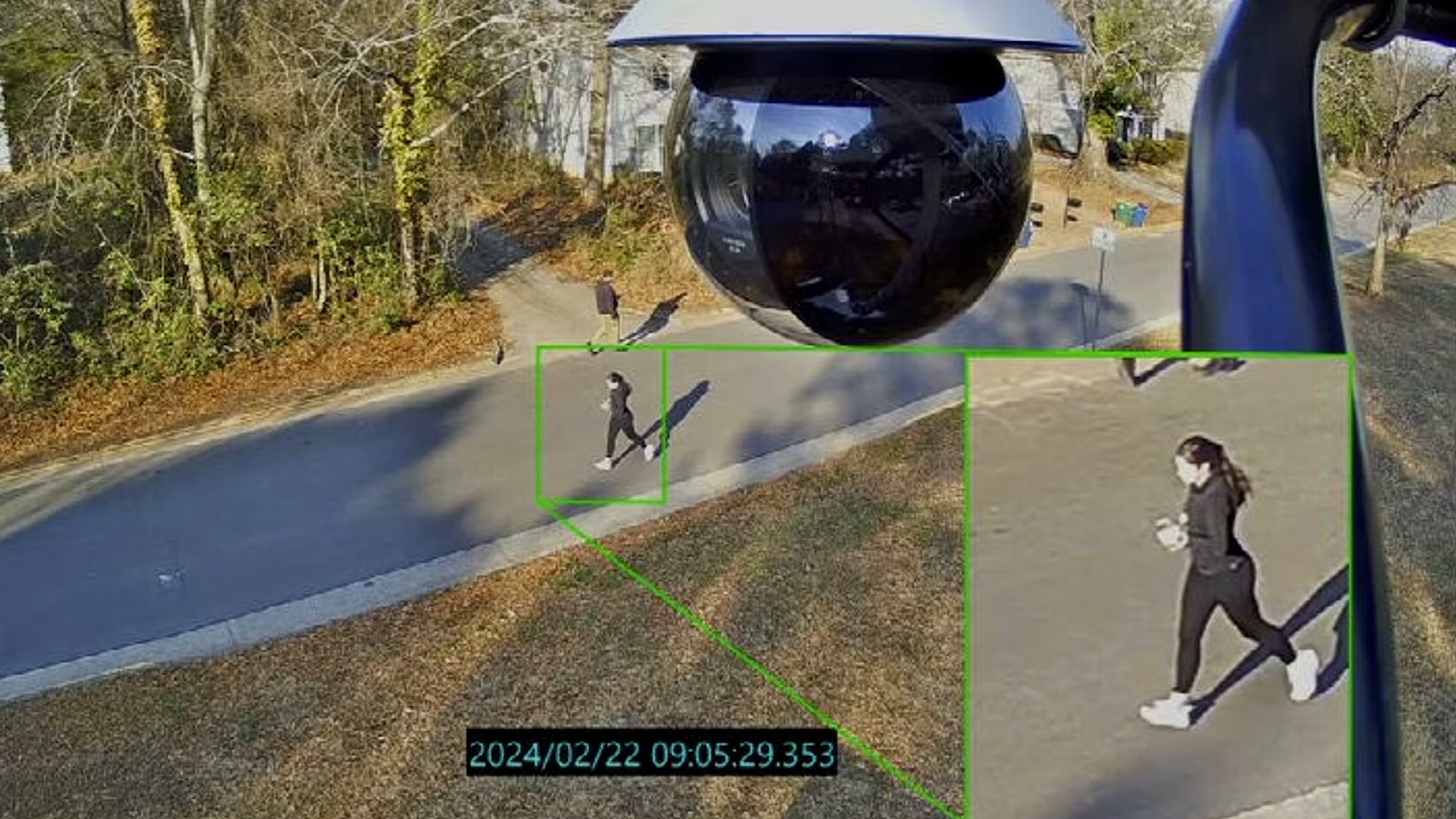
Laken Riley, a 22-year-old nursing student, was found dead after a morning jog on February 22, with evidence suggesting she was murdered by Jose Ibarra, an undocumented Venezuelan migrant. Riley's smartwatch and phone data, including a 911 call and DNA evidence, are central to the prosecution's case, which claims Ibarra struck her with a rock and asphyxiated her. The trial, which began with opening statements, is expected to reveal more details about the crime and Ibarra's alleged involvement.
Laken Riley, a 22-year-old nursing student, was found dead after going for a morning jog near the University of Georgia. Her death is the focus of a murder trial against Jose Ibarra, an undocumented Venezuelan migrant, who is accused of killing her by striking her with a rock and asphyxiating her. Prosecutors presented evidence including DNA and technology data, such as a 911 call and smartwatch data, to support their case. Ibarra's defense argues the evidence is circumstantial. Riley's final moments were pieced together through technology and witness testimonies.
In the murder trial of Jose Ibarra, accused of killing nursing student Laken Riley, prosecutors presented evidence from Riley's smartwatch, which recorded her movements and heart rate during the attack. The smartwatch data, along with DNA evidence found under Riley's fingernails and a thumbprint on her phone, are key components of the prosecution's case. Ibarra, an undocumented migrant, faces multiple charges, including malice murder and aggravated assault. The trial has sparked political debate over crime and immigration.