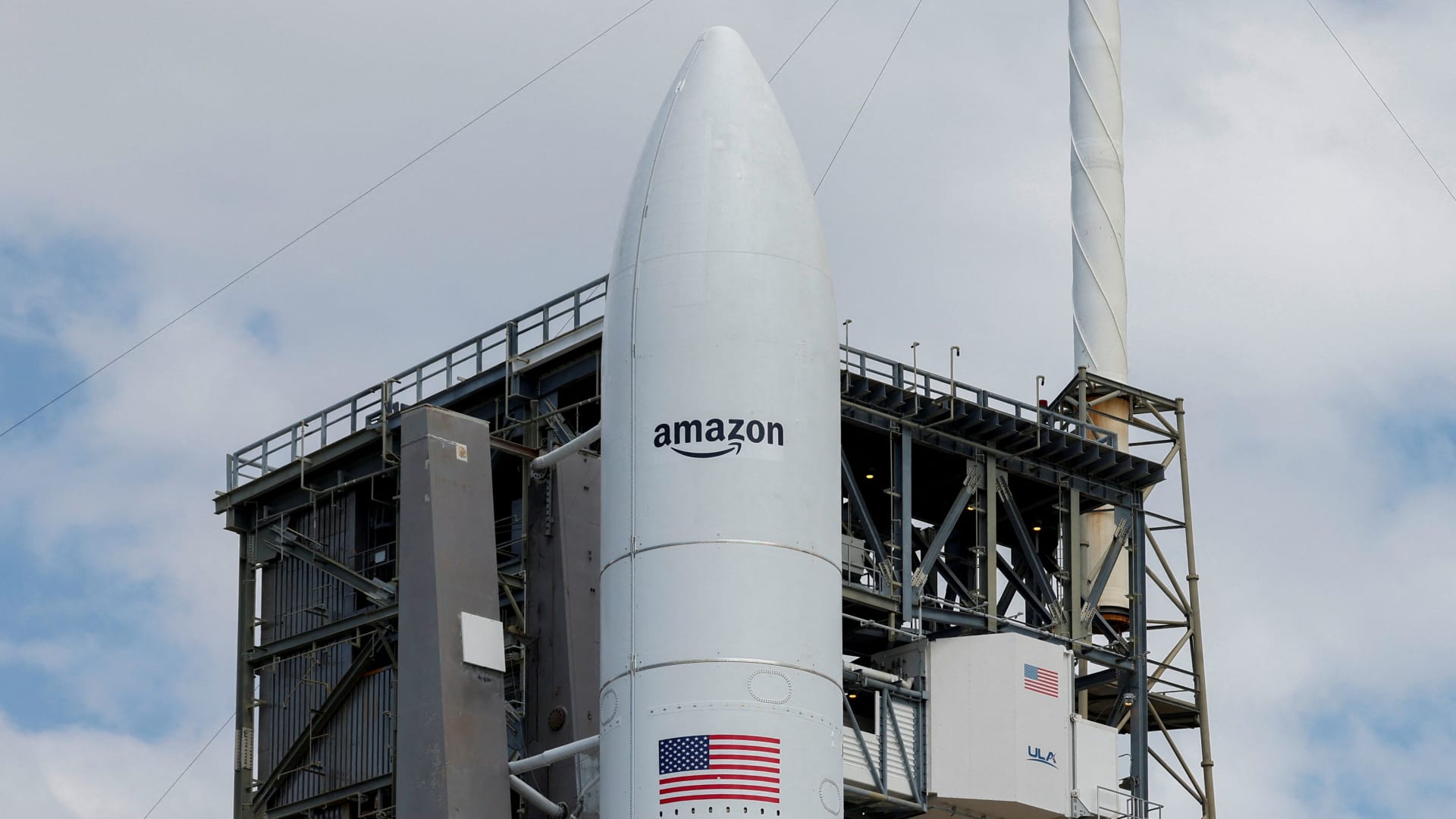
Amazon's Kuiper Satellite Launches Face Weather Delays
Amazon's significant investment in its Kuiper internet satellite project is turning out to be a successful strategic move, enhancing its position in the satellite internet industry.

All articles tagged with #kuiper
Amazon's significant investment in its Kuiper internet satellite project is turning out to be a successful strategic move, enhancing its position in the satellite internet industry.
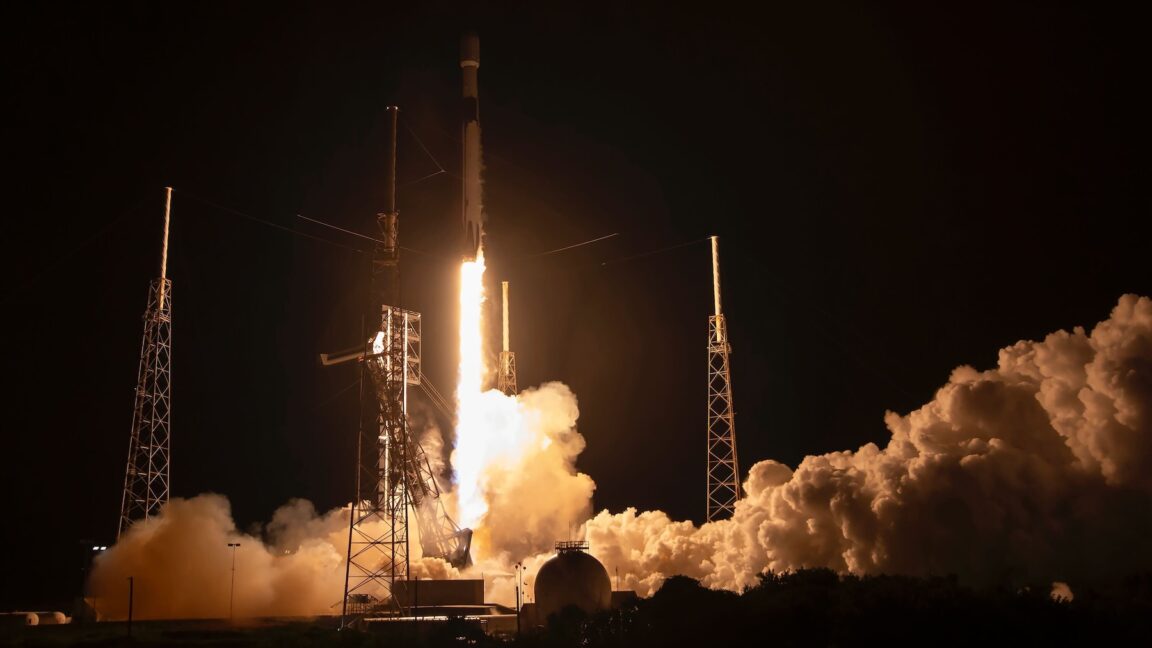
Amazon has launched 78 of its planned 3,232 Kuiper broadband satellites, with the latest launch using SpaceX's Falcon 9 rocket, marking a step forward in Amazon's effort to compete with SpaceX's Starlink. The project is costly, with over $10 billion spent on launches alone, and faces delays due to rocket availability, leading Amazon to rely on SpaceX for some launches. The full constellation aims to provide global broadband coverage, but Amazon may need to request an extension for FCC launch deadlines due to these delays.
Amazon's Project Kuiper is receiving support from its rival SpaceX, which will launch 24 Kuiper satellites on a Falcon 9 rocket, increasing the constellation to 78 satellites. Amazon aims to deploy over 3,200 satellites to compete in the satellite internet market, currently dominated by Starlink. Despite being competitors, SpaceX is helping Amazon meet its FCC-mandated deployment deadlines through a three-launch deal, with other launches planned by ULA and Blue Origin.
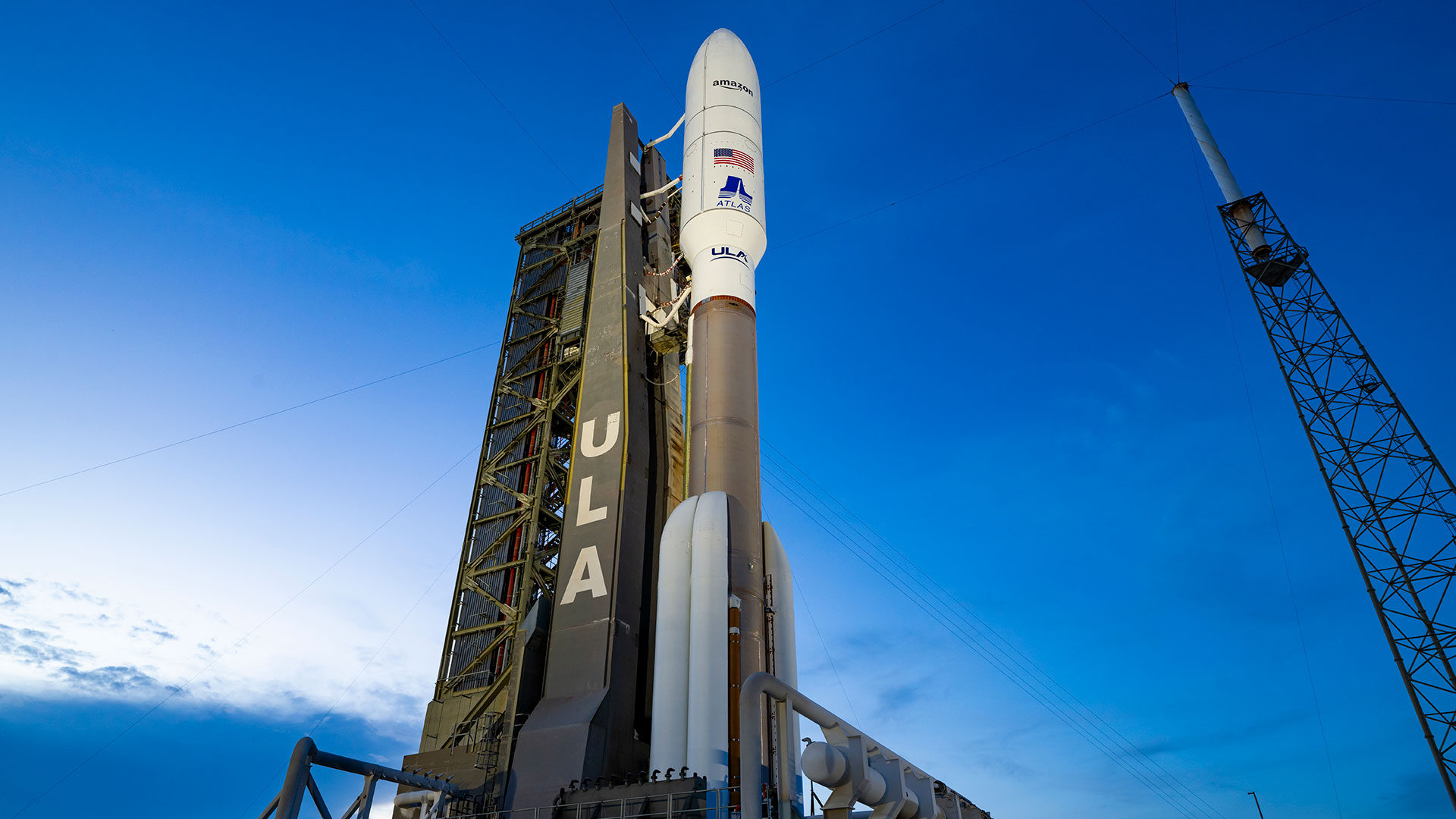
United Launch Alliance is set to launch Amazon's second batch of Kuiper internet satellites on June 16 from Cape Canaveral, with live coverage available, aiming to expand global internet coverage through a constellation of over 3,200 satellites.
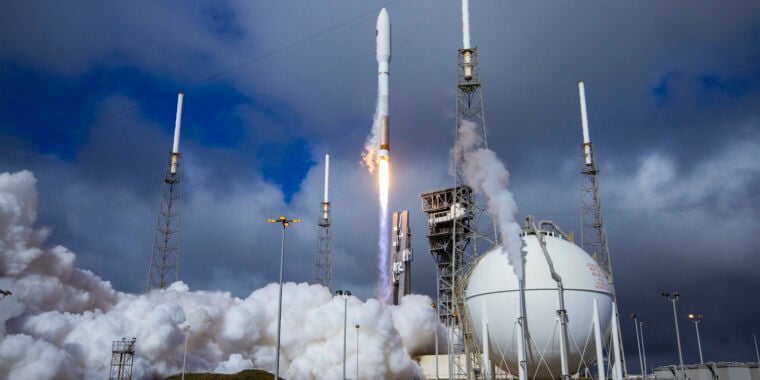
Amazon has decided to launch its first two test satellites for the Kuiper broadband network on a United Launch Alliance (ULA) Atlas V rocket instead of ULA's new Vulcan rocket, which has been delayed due to structural issues. The launch is scheduled for September 26 and will be part of ULA's launch queue. Amazon's Kuiper network aims to deploy over 3,200 broadband satellites, similar to SpaceX's Starlink constellation. Amazon has signed a significant commercial launch contract with ULA, Blue Origin, and Arianespace, totaling 77 launches.
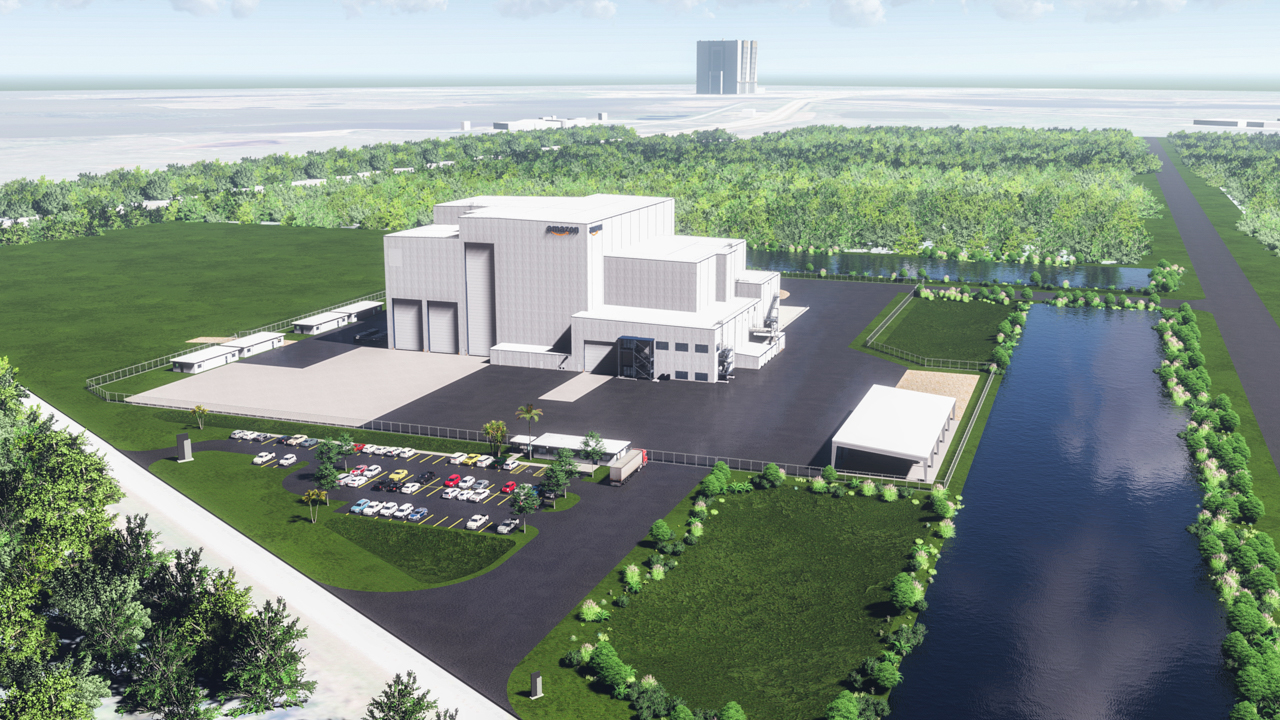
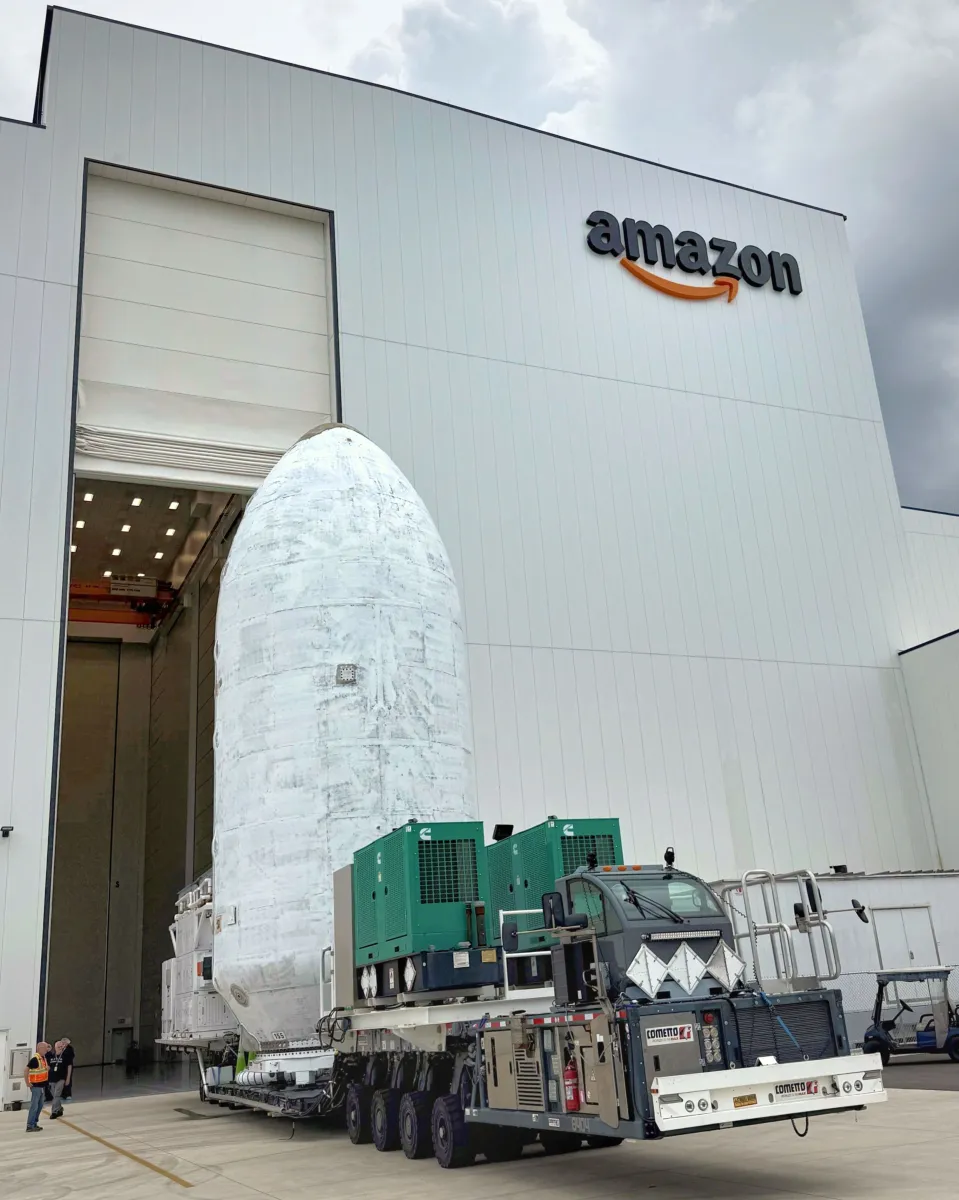
Amazon plans to invest $120 million in building a satellite processing facility in Florida for its Kuiper satellite constellation. The facility, located at Kennedy Space Center, will be operational by 2025 and capable of supporting up to three simultaneous launch campaigns per month. The Kuiper satellites will be built in Washington before being transported to Florida for final preparations and launch. Amazon has already secured multiple launch contracts for its constellation, and the first test satellites are scheduled to launch on Vulcan Centaur.