Huawei, facing crippling sanctions from the US, partnered with Semiconductor Manufacturing International Corporation (SMIC) to develop a new smartphone chip called Charlotte, later known as the Kirin 9000S. Despite challenges and restrictions, the Kirin 9000S offered comparable performance to Qualcomm chips. The release of the Mate 60 series phone powered by the Kirin 9000S was met with enthusiasm in China, while US officials expressed surprise and sought more information. The success of the Kirin 9000S raises questions about China's ability to compete in the semiconductor industry and achieve global technological supremacy amidst ongoing geopolitical challenges.
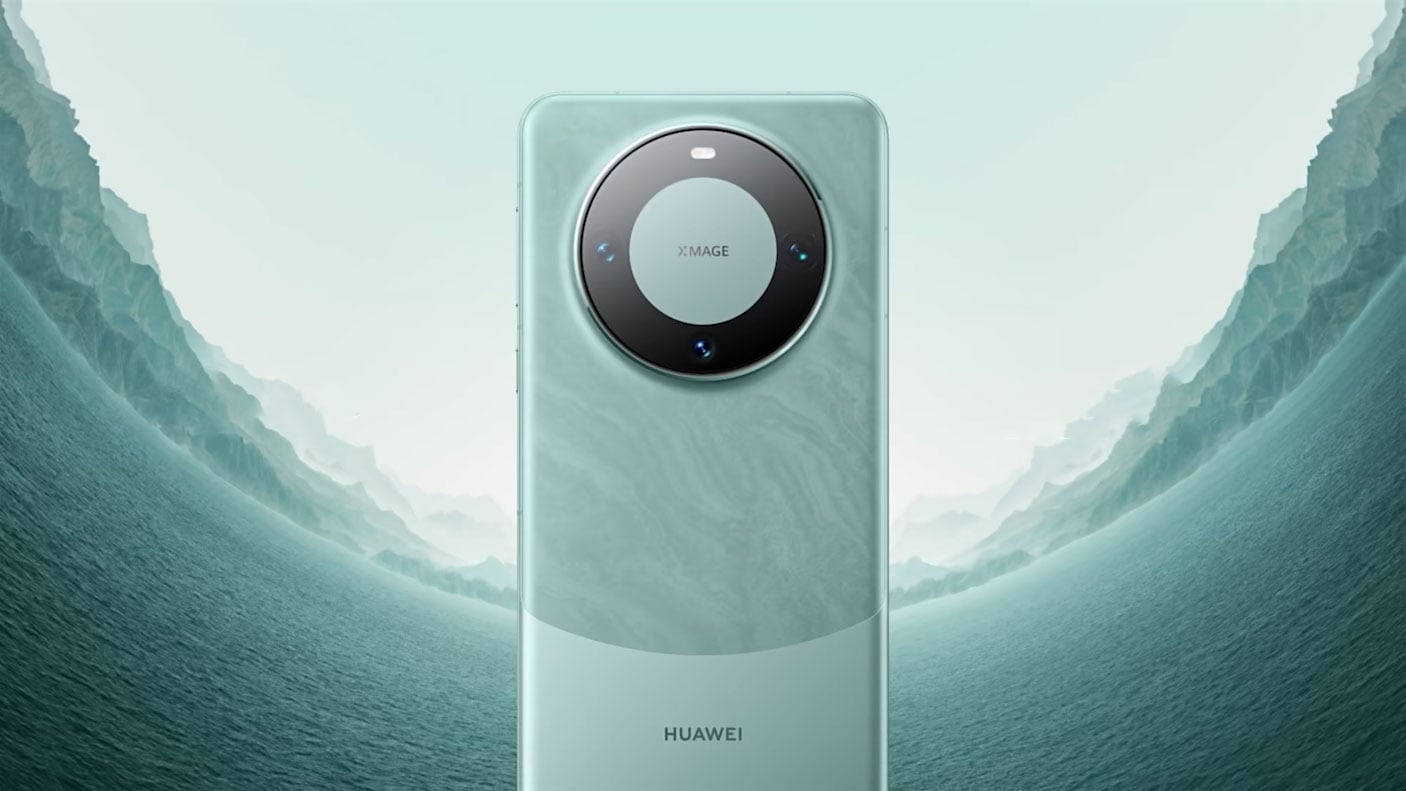
Huawei is forecasting smartphone shipments of 100 million units in 2024, a 40% increase compared to earlier estimates. The company's Mate 60 lineup is expected to reach shipments of 20 million in 2023, boosting confidence in future models. Despite facing U.S. sanctions, Huawei launched the Kirin 9000S chipset, which has helped rekindle its fortunes. The increased production target could have ramifications for competitors like Qualcomm and Apple, while benefiting suppliers like BOE and Visionox.
Despite facing U.S. sanctions, Huawei released its Mate 60 flagship line equipped with a 7nm Kirin 9000s application processor (AP) that supports 5G. The introduction of the Mate 60 series with its 5G chipset has had a significant impact on Huawei's bottom line, with the company reporting a 118% increase in profits in the third quarter. Despite losing support from its once loyal customers, Huawei continues to innovate and regain its status in the Chinese smartphone market.
Huawei's new Mate 60 Pro smartphone is rumored to be powered by HiSilicon's Kirin 9000S chip, which is speculated to be manufactured by China-based SMIC using its 2nd generation 7nm-class fabrication process. The chip is said to feature CPU and GPU microarchitectures developed in-house by Huawei. The Kirin 9000S is a complex SoC with high-performance and energy-efficient cores, as well as a graphics processing unit. The low clock frequencies of the CPU and GPU cores may be due to SMIC's unannounced 2nd generation 7nm process. SMIC's 5nm-class manufacturing technology, referred to as N+2, is believed to be used for the chip. The Kirin 9000S also reportedly utilizes stacking technology, marking a breakthrough for SMIC and/or Huawei's HiSilicon.