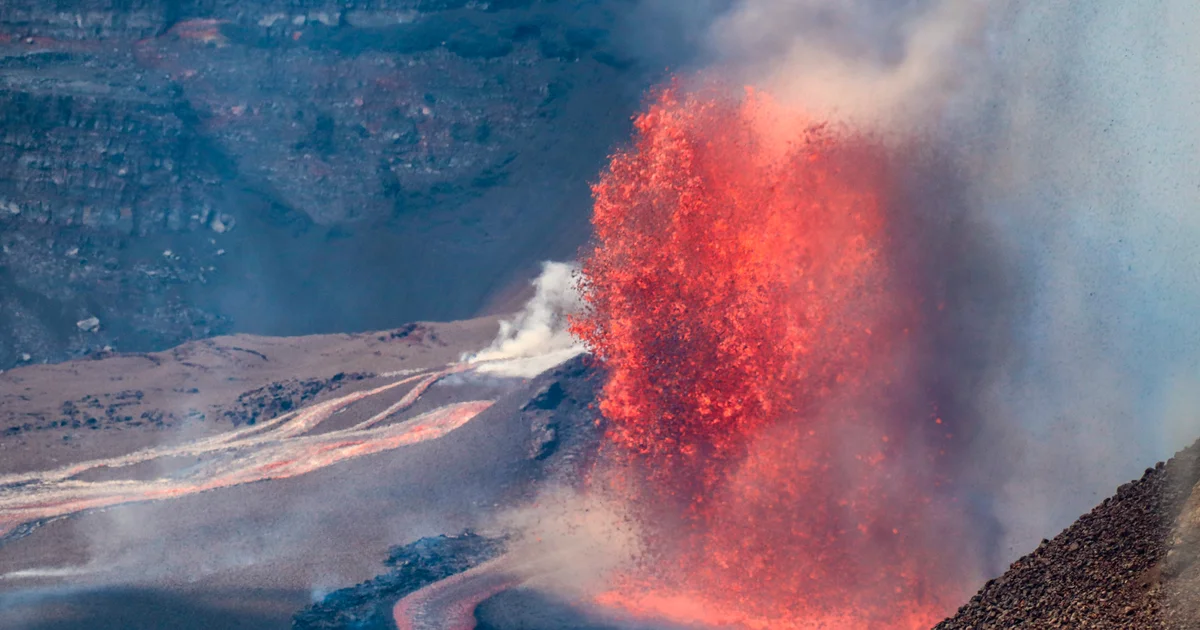
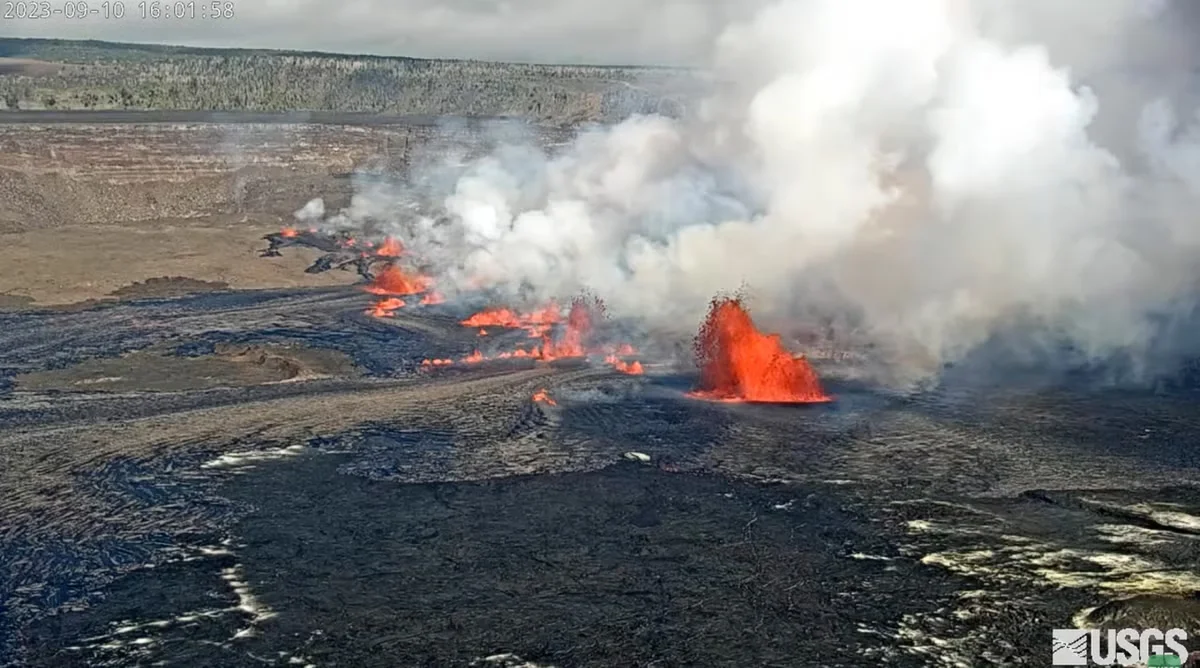
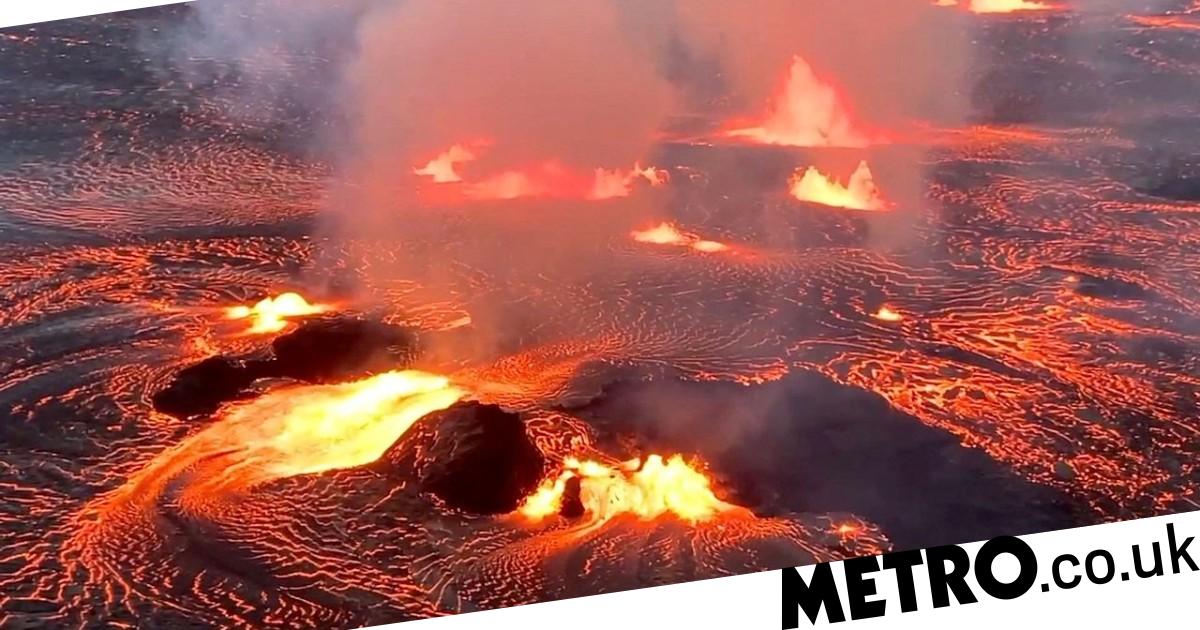
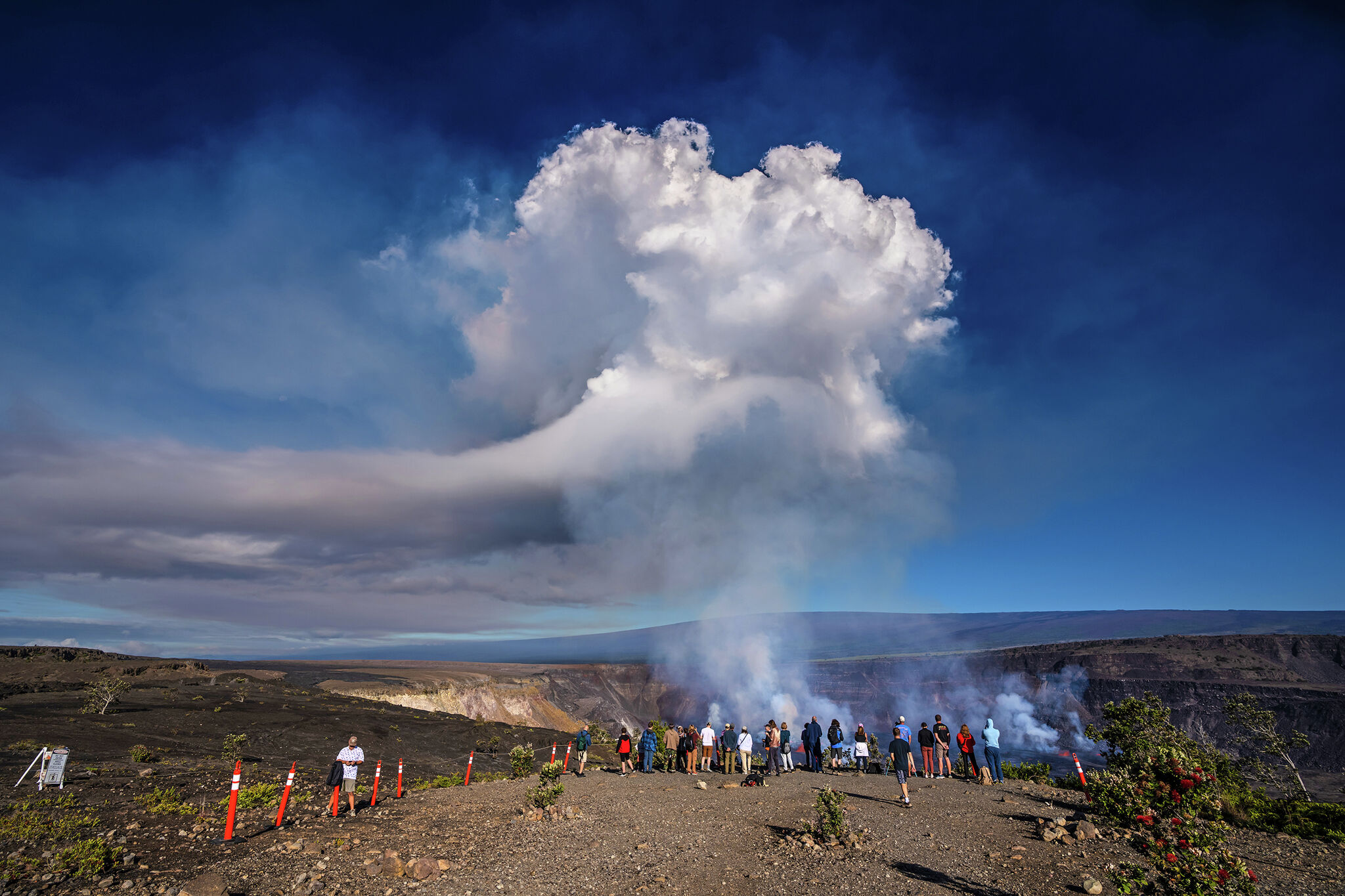
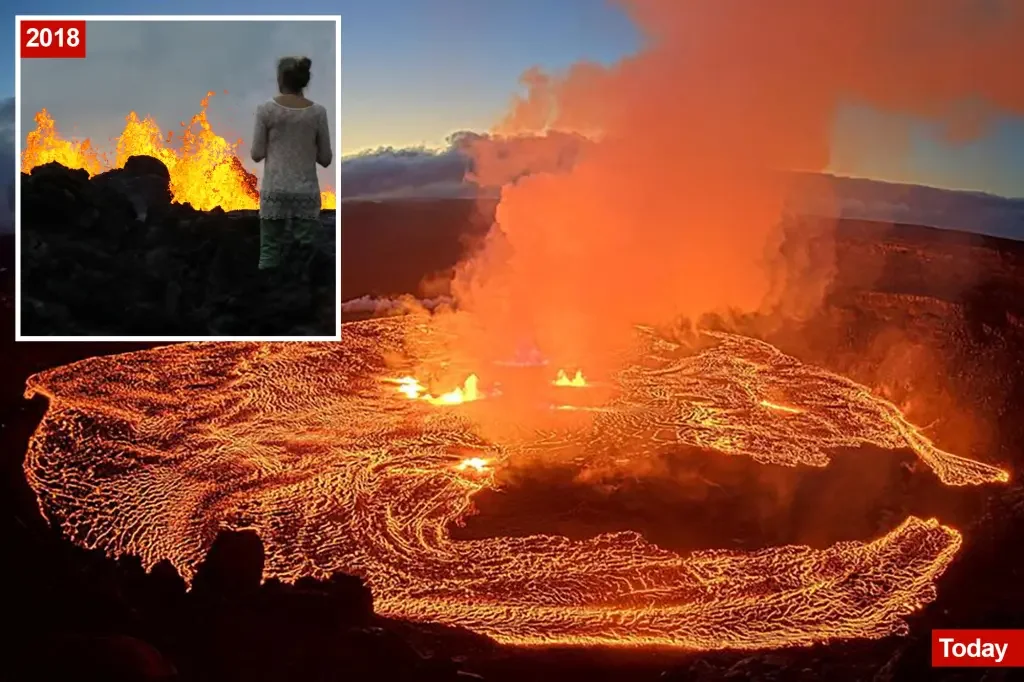
Hawaii's Kilauea volcano erupted again, shooting lava 500 feet into the air and producing significant volcanic activity, including fountains and lava flows, while releasing large amounts of sulfur dioxide gas, with no injuries reported.
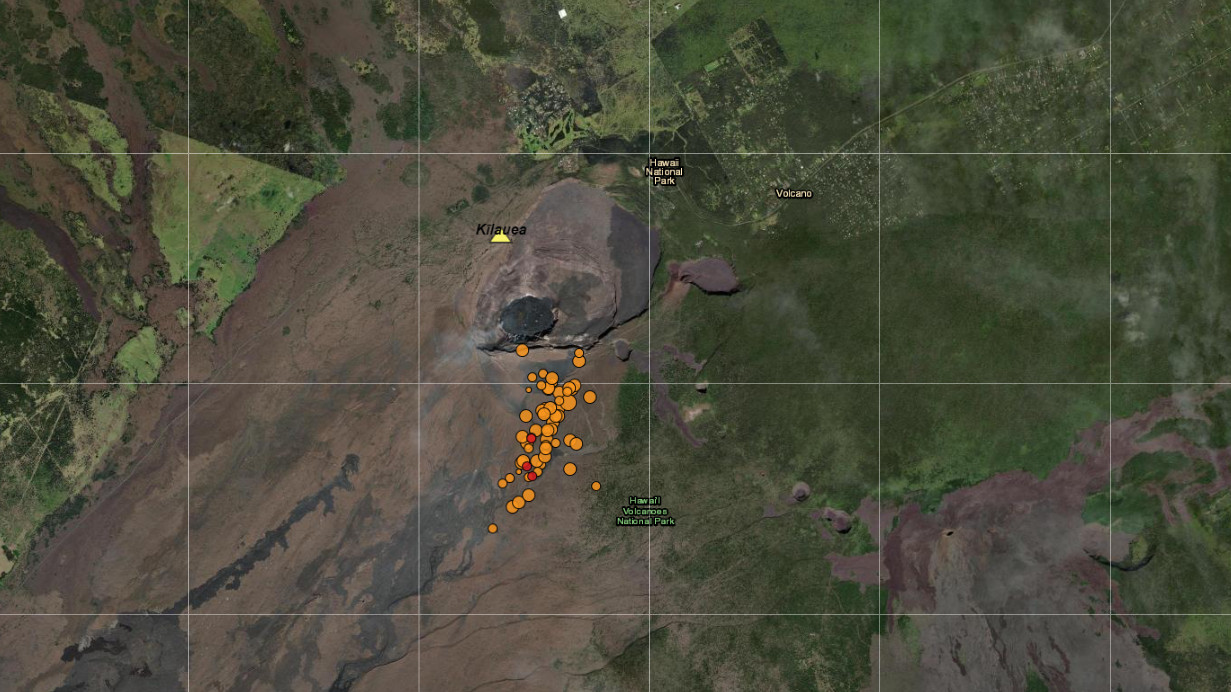
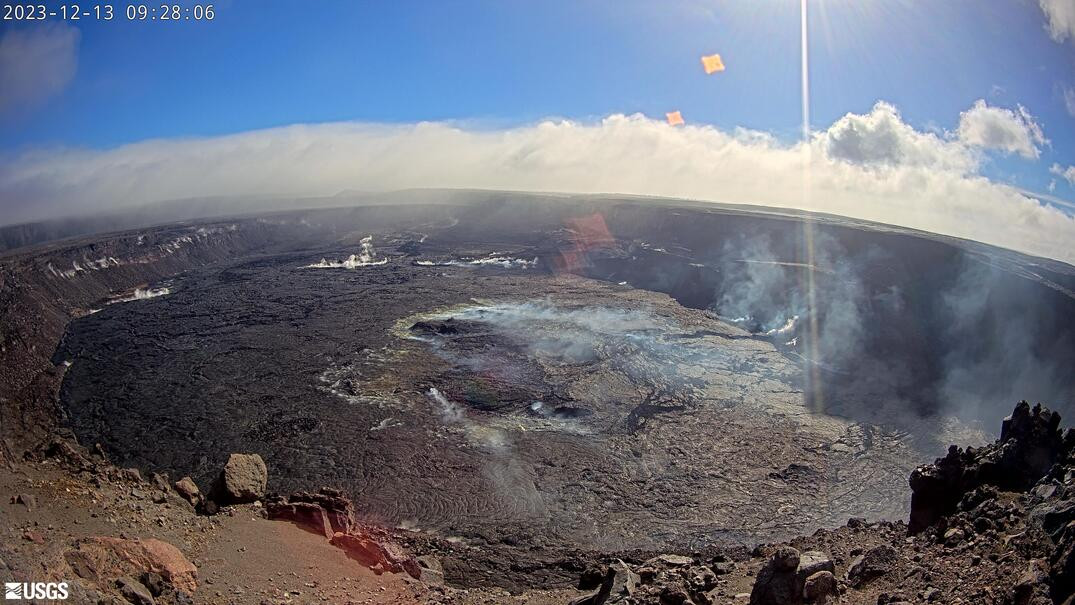
The Kīlauea volcano in Hawaii is currently not erupting, but there has been an increase in seismic activity just south of the summit caldera, ending a period of low seismicity. The USGS has maintained the Kīlauea Alert Level at ADVISORY as seismicity picked up in the south caldera region but remained steady. The summit region remains at a high level of inflation, and scientists expect periods of increased seismicity to continue during the repressurization of the summit magma reservoir.
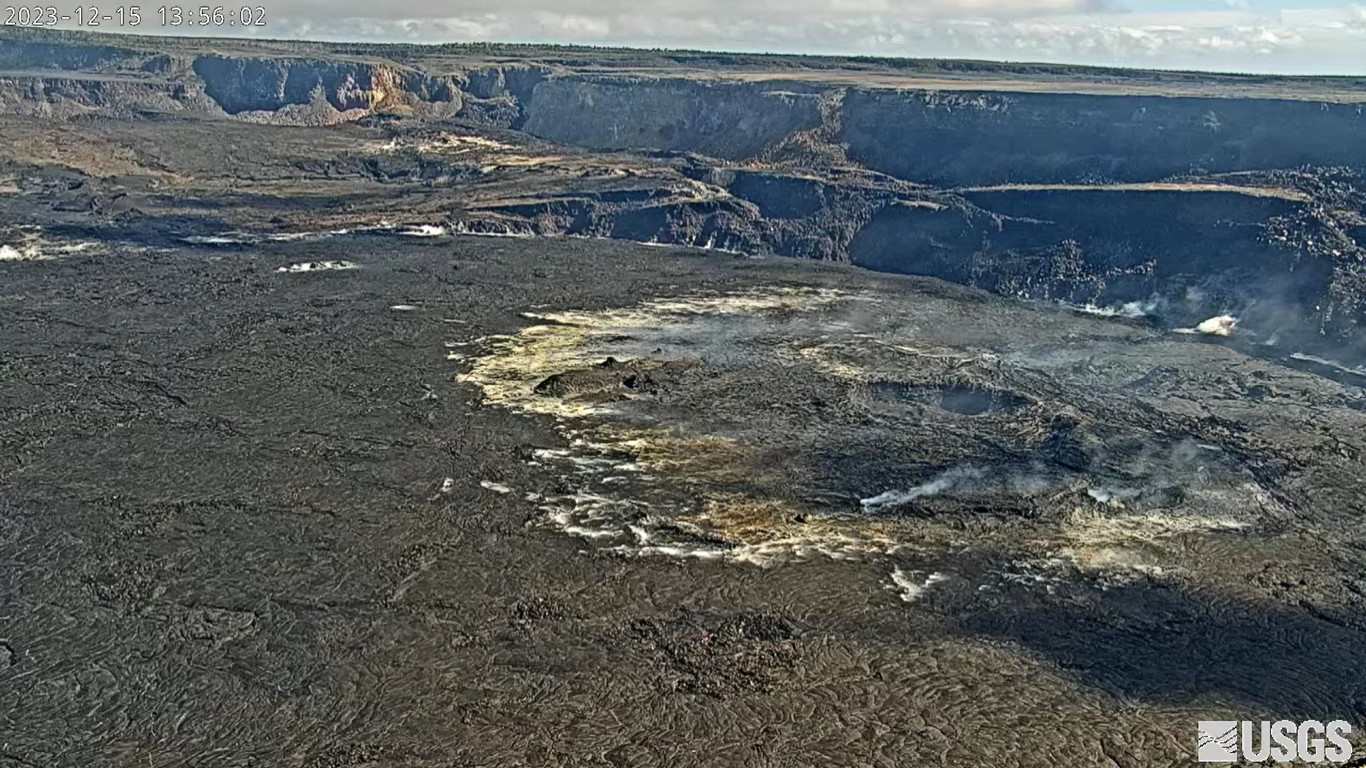
The Kīlauea volcano in Hawaii is currently not erupting, with the alert level remaining at ADVISORY. Moderate seismic activity continues in the summit region, with a recent flurry of deeper earthquakes located below the summit caldera. Seismic activity has slightly declined in the upper East Rift Zone and Southwest Rift Zone. While there are no signs of an imminent eruption, scientists warn that eruptive activity could still occur in the near future with little or no warning. Sulfur dioxide gas emissions remain low, and the volcano's summit region remains unsettled with a high level of inflation and continued seismic activity.
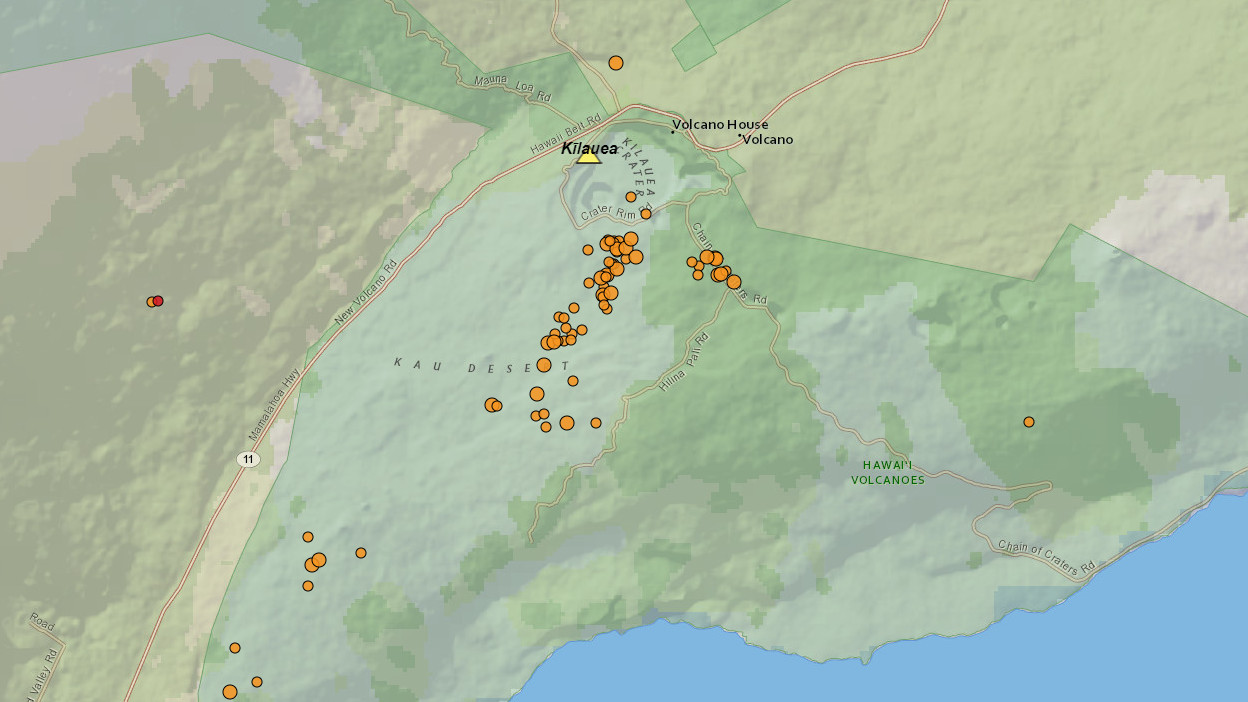
Kīlauea volcano in Hawaii is currently not erupting, but there has been moderate seismic activity in the summit region, upper East Rift Zone, and Southwest Rift Zone. The volcano remains at an advisory level, with no signs of an imminent eruption, but the summit region is unsettled and eruptive activity could occur with little or no warning. The Mauna Iki Trail in Hawaiʻi Volcanoes National Park is closed due to volcanic unrest. Seismicity and inflation in the summit region are being monitored, but there is currently no indication of magma movement towards the surface.
The Kīlauea volcano in Hawaii is currently not erupting, but there has been a slight increase in seismic activity in the summit region. The USGS Hawaiian Volcano Observatory has observed moderate seismicity focused in two clusters just south and southeast of the Kaluapele caldera. There has also been a slight increase in seismic activity in the upper East Rift Zone and Southwest Rift Zone. The volcanic unrest remains at an advisory level, and there are currently no signs of an imminent eruption. However, scientists warn that the situation may change with little or no warning.
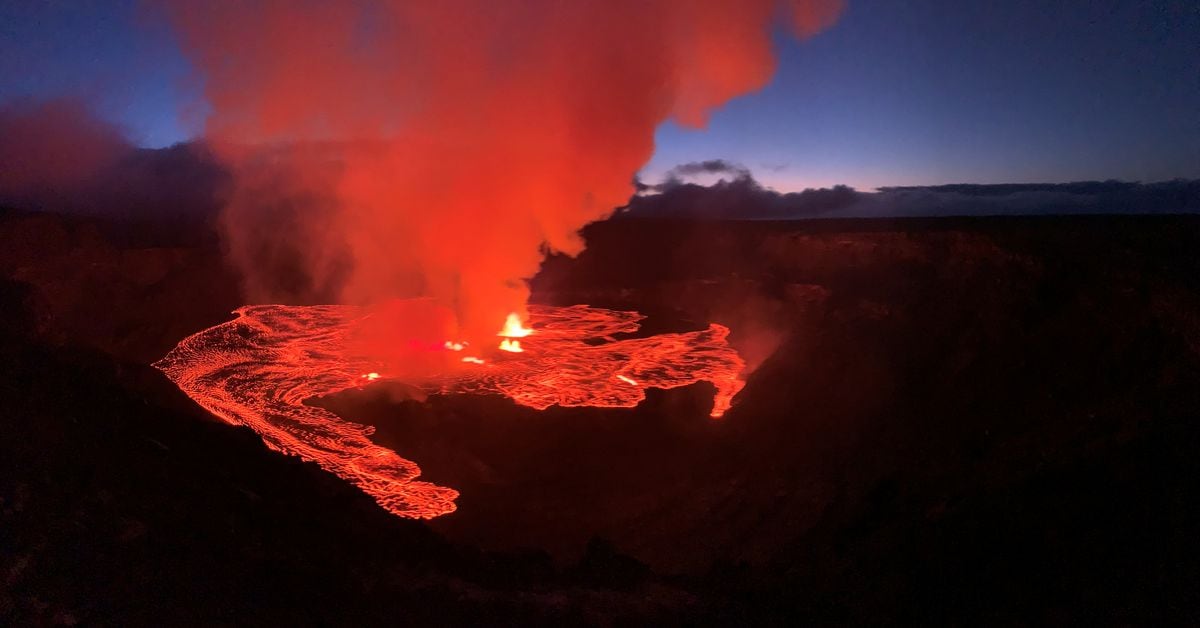
Hawaii's Kilauea volcano has erupted for the third time this year, spewing lava and prompting authorities to issue a "red" warning. The eruption, which began at the Halemaʻumaʻu crater, has led to increased seismic activity and the release of volcanic smog, affecting air quality. While there is no immediate threat to residents at a safe distance, they are advised to avoid volcanic particles. Kilauea previously erupted in 2018 and 2019, causing significant damage to homes and structures.
The Kilauea volcano on Hawaii's Big Island erupted for the third time this year, with lava flows currently confined to the surrounding crater floor. The eruption does not pose a threat to communities, but volcanic particles and gases may cause breathing problems. The U.S. Geological Survey (USGS) elevated the volcano's aviation color code to red and its volcano alert from watch to warning. Kilauea, located in a closed area of Hawaii Volcanoes National Park, is one of the world's most active volcanoes.
The Kilauea volcano in Hawaii is erupting, spewing out molten lava and Pele's hair, thin strands of golden hair-like volcanic glass that can cause injury if coming into contact with the skin or eyes, or inhaled. The United States Geological Service has warned residents to minimise their exposure to Pele’s hair, and also raised the prospect of vog, crater wall instability, ground cracking and rockfalls. The entire area has been closed to the public since 2007.
Hawaii's Kilauea volcano erupted after a three-month pause, with lava fountains shooting up 200 feet from the Halemaumau crater. The eruption is contained to the summit, and there is no threat to surrounding communities. The Hawaiian Volcano Observatory raised the volcano alert level to "warning" but has since lowered it to "watch." Hawaii Volcanoes National Park is open 24 hours a day, and visitors can view the spectacle from marked trails.
The Kilauea volcano on Hawaii's Big Island erupted on Wednesday morning, prompting warnings as experts continued to monitor the site. The alert level for Kilauea was raised to red for "warning," and locals are urged to stay indoors and wear masks outside to reduce exposure to volcanic gas. The eruption may cause "very light ashfall" in some districts of Hawaii Island, and some volcano smog, or "vog," has already been observed downwind of the volcano. The storied volcano has erupted several times over the years, including from Jan. 5 through March 7 this year, and intermittently from Sept. 2021 through March 2022.