Actor Michael Douglas visited Kibbutz Be’eri in southern Israel to show solidarity after the Oct. 7 Hamas attack, meeting with families of hostages and Israeli President Isaac Herzog. Douglas criticized pro-Palestinian protesters on American campuses, accusing them of being "brainwashed."
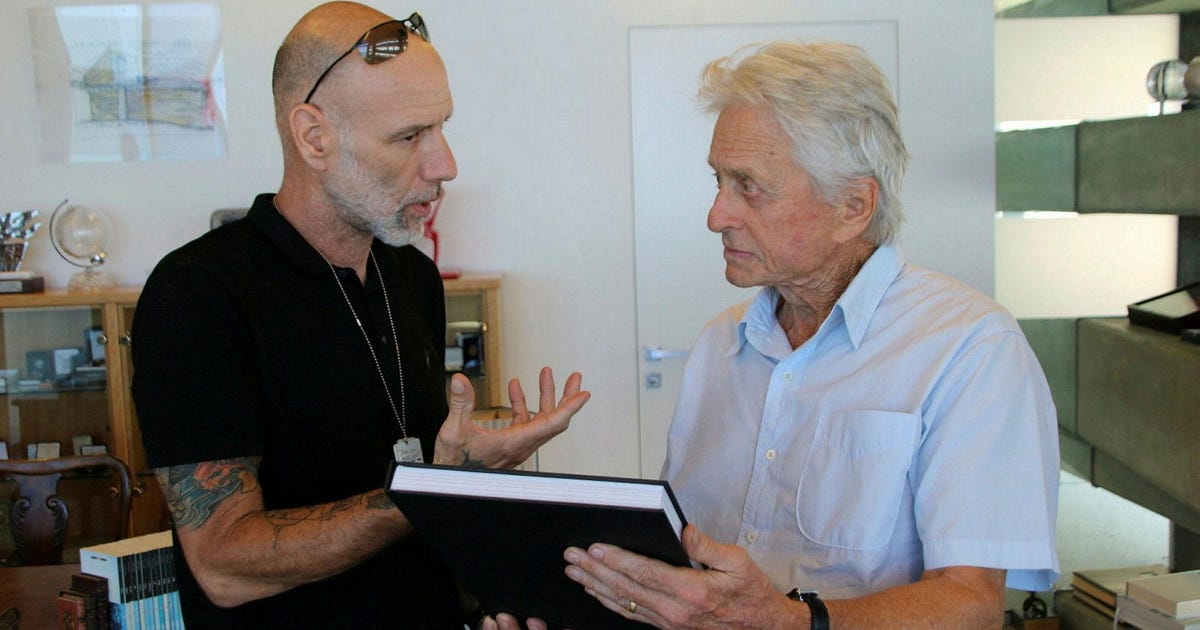
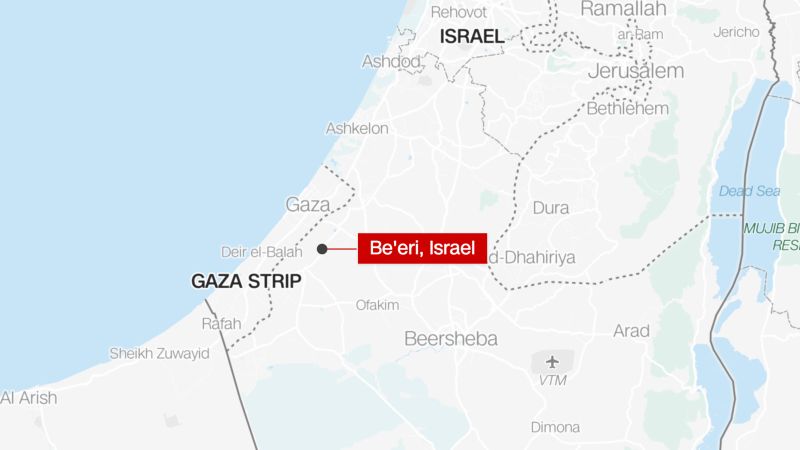
Actor Michael Douglas visited Kibbutz Be'eri on the Gaza border, where nearly 100 people were killed and 26 taken hostage in an October 7 Hamas attack, before heading to Tel Aviv for a photography exhibit.
Kibbutz Be’eri spokesperson rejects New York Times' claim that two victims were sexually assaulted during October 7 attacks, undermining the credibility of the paper's exposé. Family members contest the Times' claims, stating that the victims were shot but not sexually abused. The Times' reporting process and sources have been called into question, with conflicting accounts from the victims' family and Israeli government spokesperson. The controversy has led to internal conflict at the Times, including a leak investigation and mounting public scrutiny.
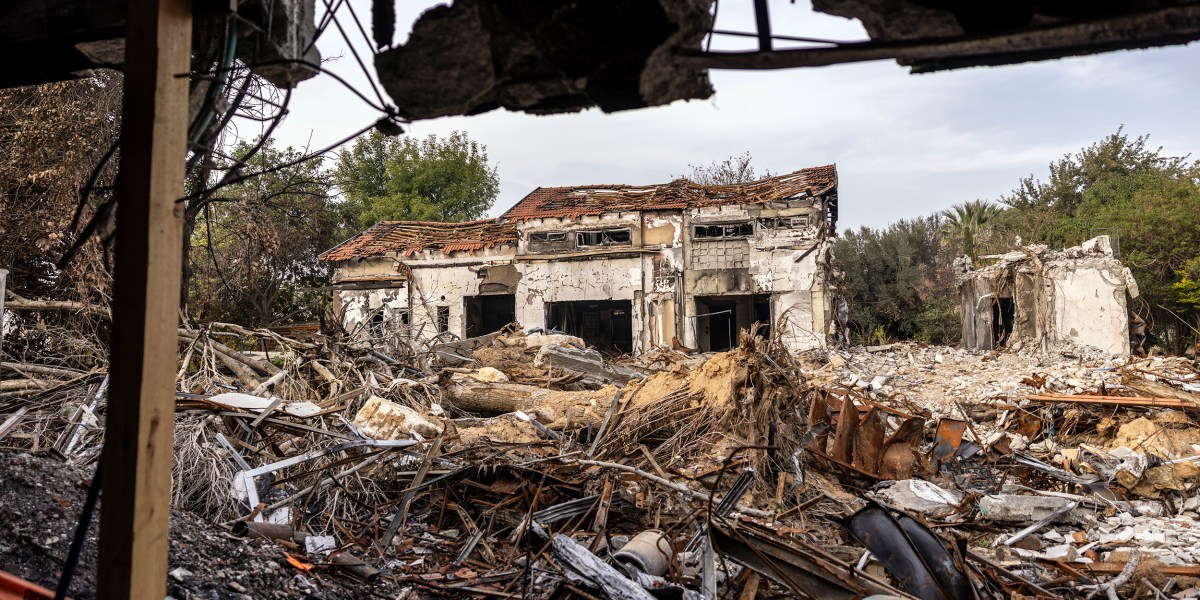
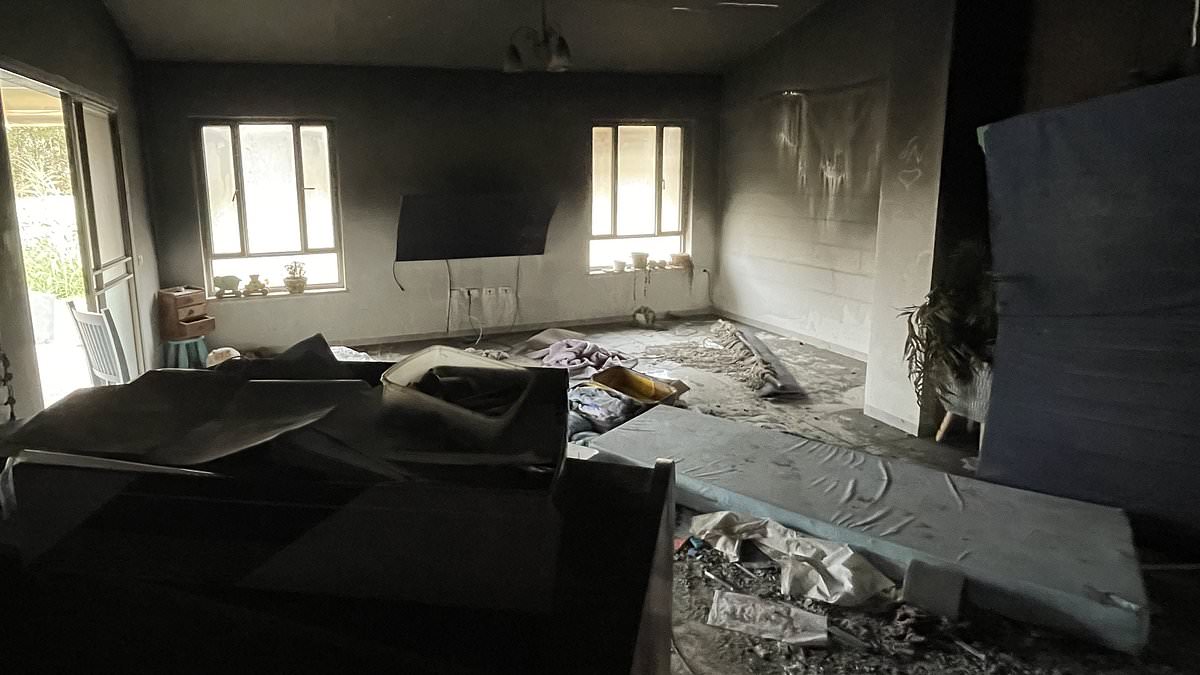
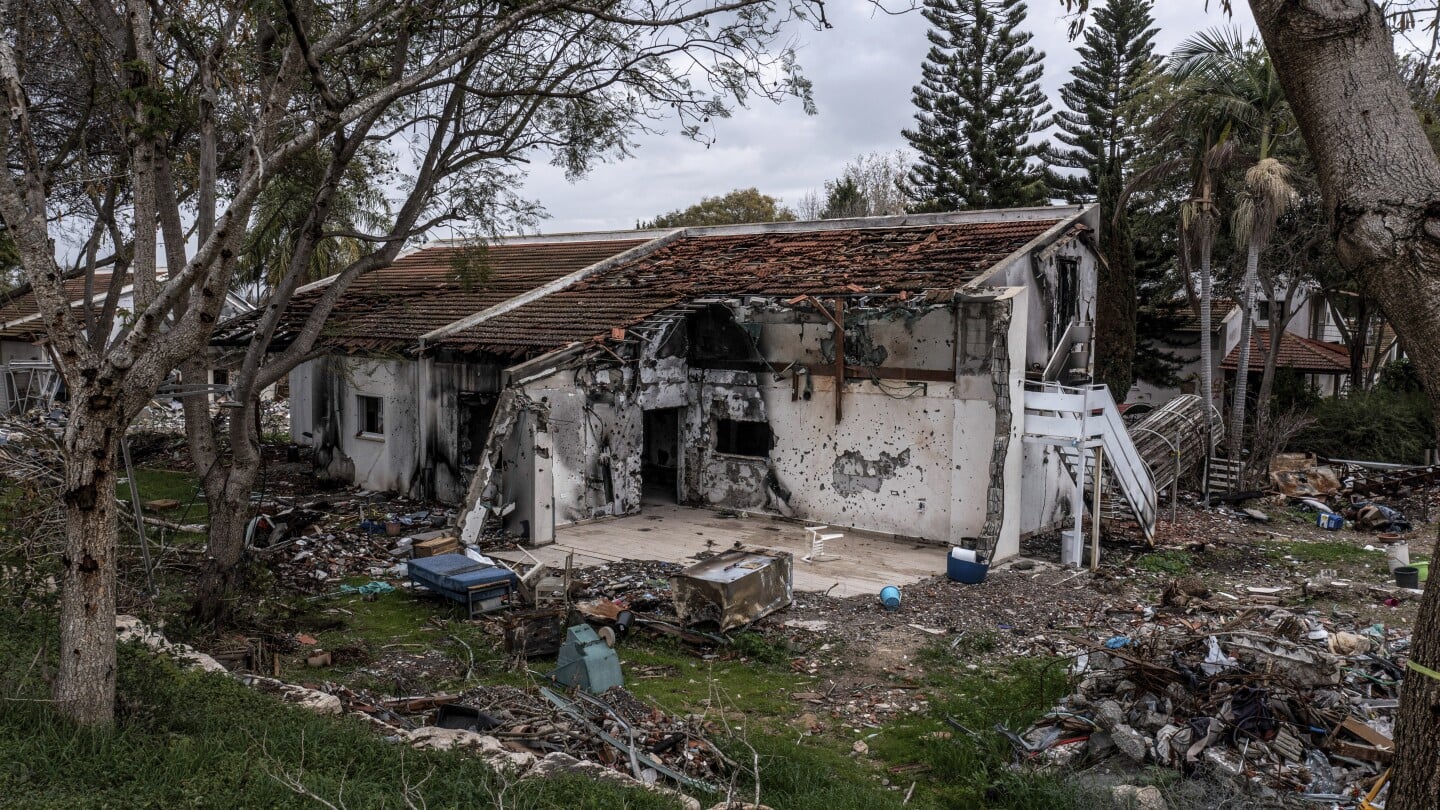
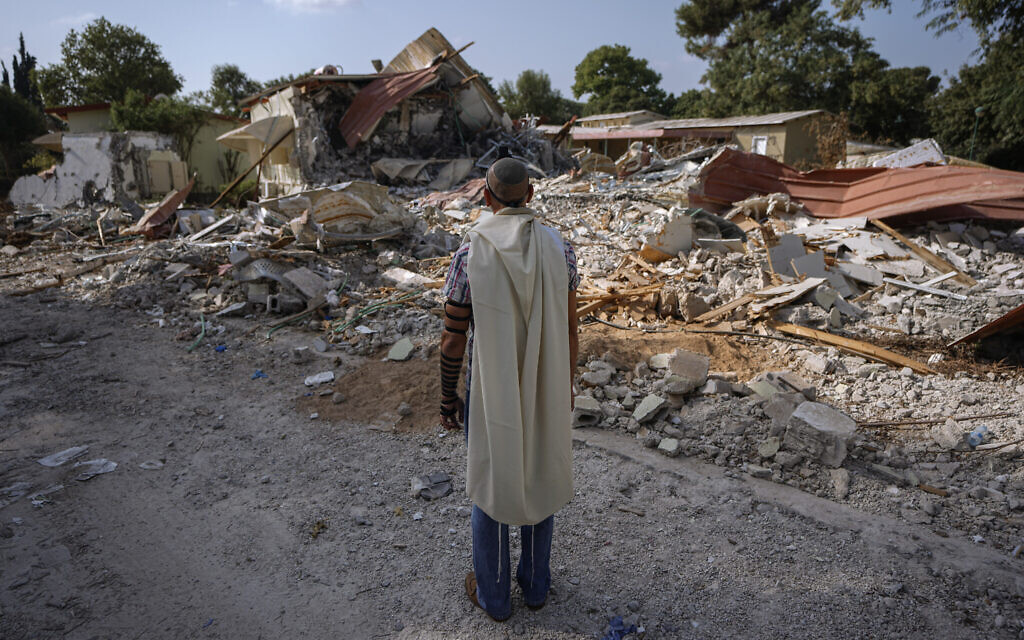
Survivors of the deadly Hamas attack on Kibbutz Be'eri, one of the wealthiest Israeli settlements near the Gaza border, have chosen not to return due to fear of further attacks and the constant reminder of war. The community still bears the scars of the massacre, with homes left abandoned and destroyed. The attack, which killed over 1,200 civilians, including women and children, has left the survivors traumatized and unwilling to go back to their once thriving settlement.
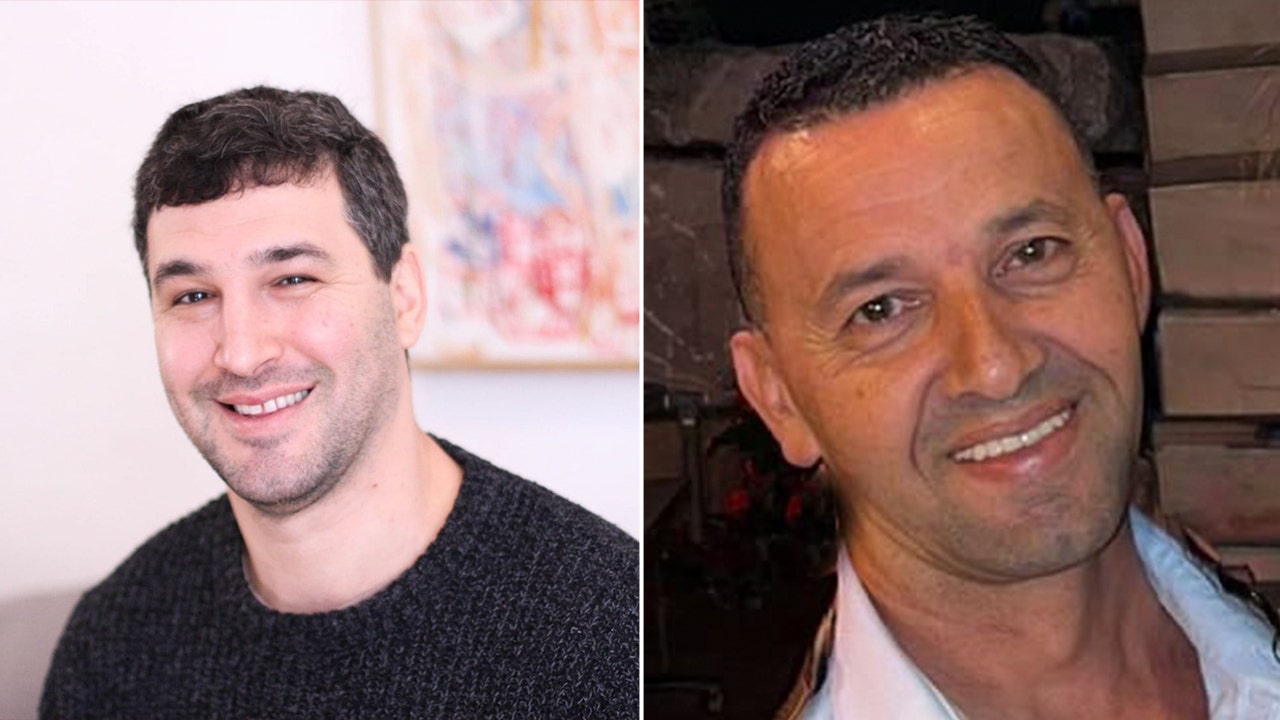
Israeli Kibbutz Be'eri confirmed the deaths of two hostages, Yossi Sharabi and Itai Svirsky, who were held captive by the Hamas terror group in Gaza. The confirmation came after a new video released by Hamas on the 100-day anniversary of the October 7 massacre. The bodies of the hostages are still being held by Hamas, and there are still 136 hostages in their hands. The European Union imposed sanctions on Hamas leader Yahya Sinwar for his role in planning the October 7 massacre, and the Israeli military has been attempting to capture or kill Sinwar.
Families of civilians killed during a Hamas attack on Kibbutz Be'eri in southern Israel on Oct. 7 are demanding an immediate military investigation into signs that some may have been killed by Israeli security forces during the violent standoff. The families fear that valuable evidence could be lost as the war with Hamas continues, and they are calling for a public release of the findings. The military has promised a thorough investigation once the war is over, but the families argue that waiting is not an option. The incident has raised concerns about friendly-fire deaths and the public's faith in the country's leadership.
Sahar Baruch, an Israeli hostage taken by Hamas during their October 7 attack, has died according to his kibbutz. Over 130 hostages are still in captivity, and Israeli warplanes continue to strike the Gaza Strip. The kibbutz and the Hostages and Missing Families Forum Headquarters are demanding the return of Baruch's body as part of any hostage exchange agreements. The death toll in Gaza has risen to over 17,400, with more than 46,000 wounded in the past two months.
Survivors of the Kibbutz Be'eri massacre in Israel, where over 100 members were killed and 10 kidnapped by Hamas terrorists, are now living in a hotel-turned-refugee camp near the Dead Sea. They follow a morbid routine of attending multiple funerals a day and gathering for nightly meetings to hear updates on the missing and dead. The community feels like refugees in their own country and are unsure if they will return to the kibbutz until Hamas is toppled. The trauma is taking a toll on their mental health, and therapists are providing support to prevent post-traumatic stress disorder.
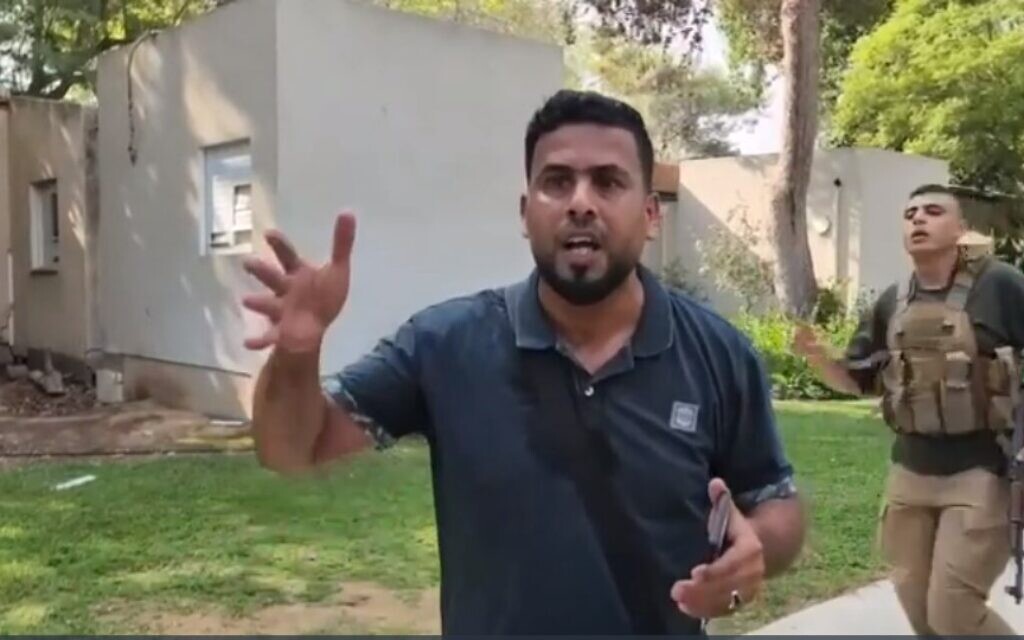
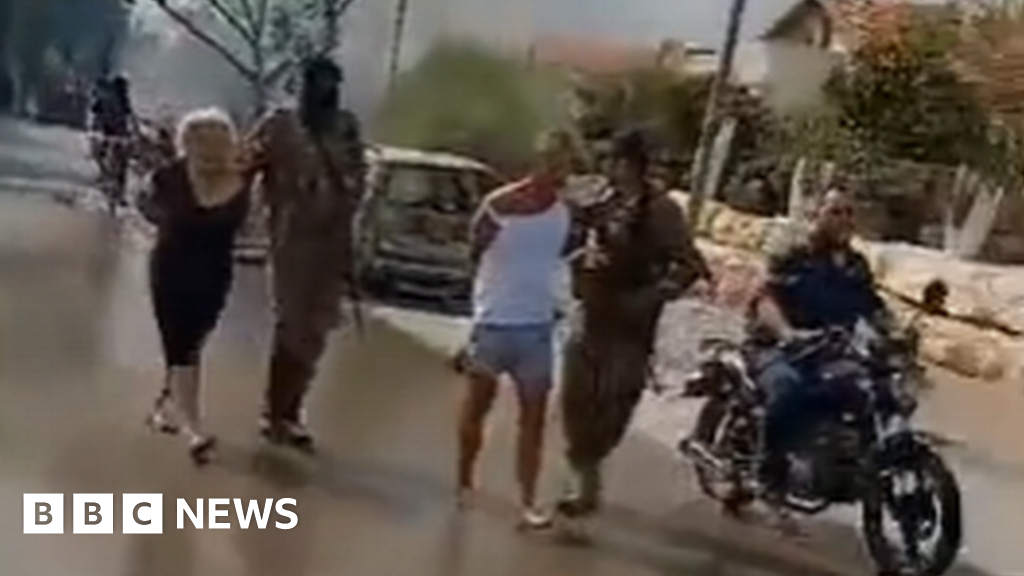
More than 100 bodies have been found in the Israeli kibbutz Be'eri after a surprise attack by Palestinian Hamas militants. The militants breached the border and targeted the farming community, killing and taking hostages. Videos show armed militants carrying out the attack, with terrified residents reporting assailants going door to door. Most of the bodies discovered were of local residents, but some were Israeli security forces. The attack on Be'eri coincided with an assault on a music festival nearby, where over 260 bodies were found. Other towns and settlements near the Gaza border were also targeted. The death toll continues to rise as Israel responds with airstrikes, and questions are being raised about the failure of Israeli military and intelligence.
The surprise attack by hundreds of Hamas terrorists on Kibbutz Be'eri near Ofakim has exposed a military weakness in Israel and reminded many Israelis of the uncertainties and fortitude of the country's early years. The terrorists gained control of the kibbutz, killing residents and abducting others. The invasion has raised existential fears and highlighted the vulnerability of Israeli homes under attack. Prime Minister Benjamin Netanyahu has declared war on Hamas and vowed to crush its capabilities. The events in Be'eri have prompted a reassessment of Israel's military readiness and raised concerns about the potential involvement of Hezbollah.
A significant number of Israeli civilians and soldiers, including children, women, the elderly, and the disabled, are being held hostage by Hamas militants in the Gaza Strip. Some hostages are alive while others are presumed dead. Videos circulating online show Israelis in the hands of Hamas fighters, and Israeli forces have conducted rescue operations in Kibbutz Be'eri and Kibbutz Urim. The Israeli military holds Hamas responsible for the hostages' wellbeing and vows to settle the score with anyone who harms them.