Tag

Kenneth Smith

All articles tagged with #kenneth smith

law-and-justice1 year ago

"Alabama's First Nitrogen Gas Execution Sparks Controversy and Sets Precedent for Capital Punishment"

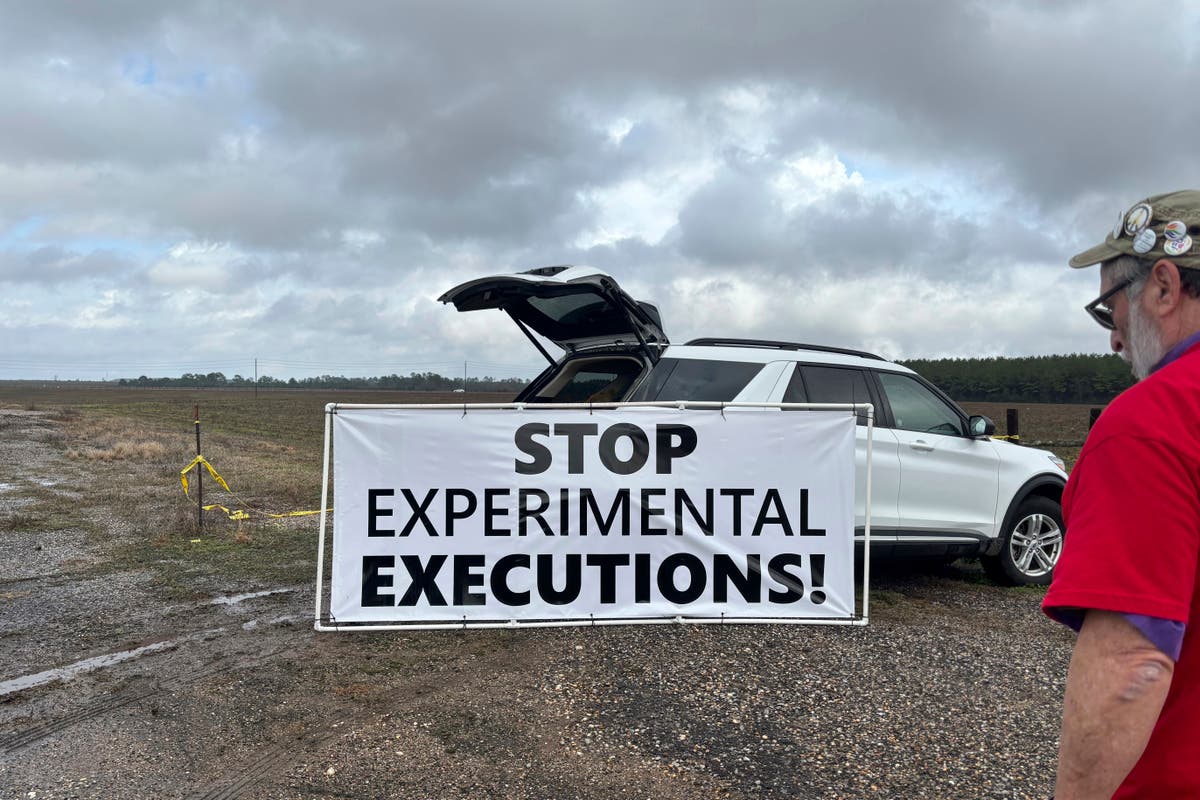
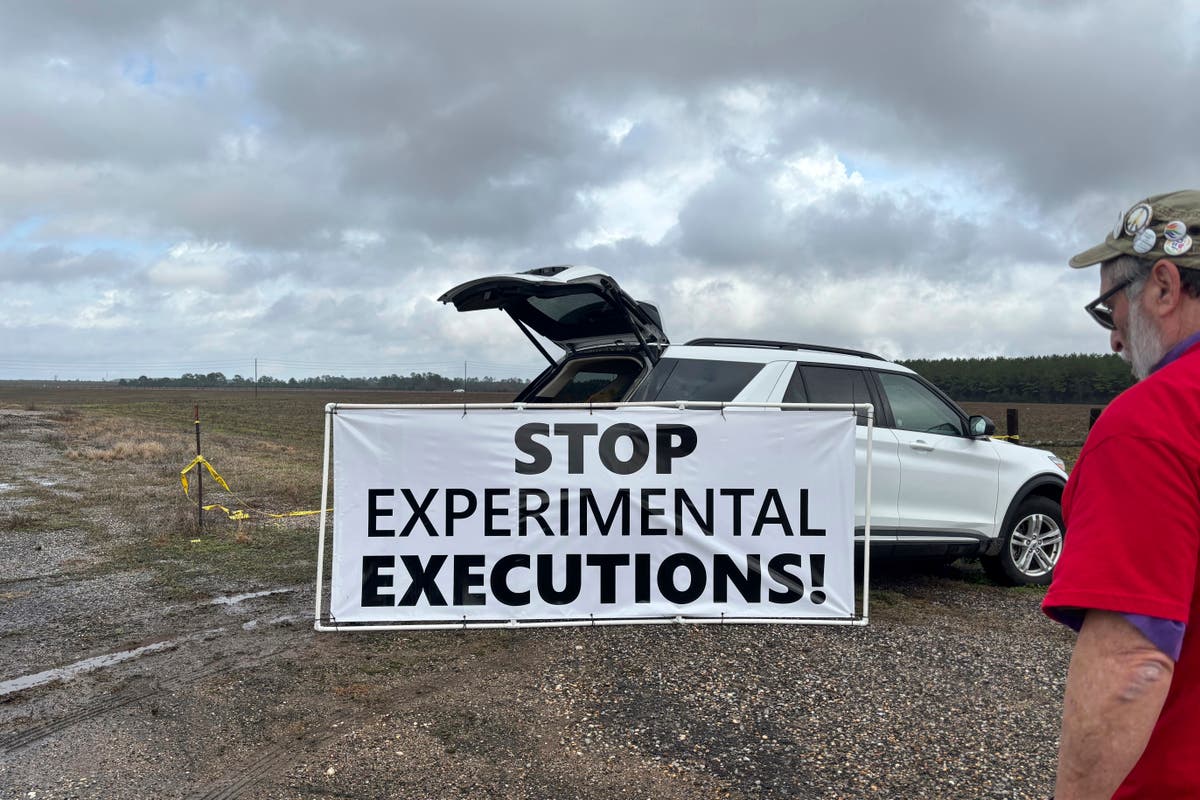
Alabama death row inmate Kenneth Eugene Smith has been executed by nitrogen gas, becoming the first person in US history to be put to death through this method. Witnesses reported that Smith appeared conscious for several minutes, shaking and writhing on the gurney, despite authorities predicting unconsciousness within seconds and death in minutes. The White House condemned the execution, and the United Nations has raised concerns that the use of nitrogen gas for executions could constitute torture. Alabama Attorney General Steve Marshall stated that 43 more death row inmates have elected to die by nitrogen hypoxia, with Alabama, Oklahoma, and Mississippi being the only states to have approved the use of nitrogen gas for executions.
law-and-crime1 year ago

"Controversy Surrounds Nitrogen Gas Executions as Kenneth Smith's Case Sparks Outcry"

Kenneth Eugene Smith becomes the first person in the US to be executed by nitrogen gas, with his death taking 22 minutes and drawing condemnation from the White House and the UN. Alabama's attorney general defends the execution, stating that it was "textbook" and will be used again, with 43 more death row inmates opting for nitrogen hypoxia. Smith was convicted in the 1988 murder-for-hire plot of Elizabeth Sennett, and her sons express forgiveness but note that nothing will bring their mother back. The execution raises ethical questions about the use of nitrogen gas as a method of execution.

crime-and-justice1 year ago

"Alabama's Historic Use of Nitrogen Gas for Execution Sparks National Interest"

Kenneth Smith became the first inmate to be executed with nitrogen gas in Alabama, thrashing and gasping for air during the 22-minute process. He was convicted of the 1988 murder of Elizabeth Sennett in a $1,000 killing-for-hire job. Despite late appeals, the US Supreme Court declined to stop the execution. The use of nitrogen gas was the first new execution method in the US since 1982, and it was met with criticism from experts.

law-and-crime1 year ago

"Alabama's Historic Nitrogen Gas Execution: What Happened and What's Next for the US?"

Alabama carried out its first nitrogen gas execution, with Attorney General Steve Marshall calling it a "proven" method despite criticism. Kenneth Smith, the inmate executed, reportedly experienced convulsions and heavy breathing for about 22 minutes before passing away, contrary to the quick and painless death state officials had described. The method, chosen by Smith himself, is expected to be used in more subsequent executions in the state, with 43 other inmates on death row opting for nitrogen hypoxia.

law-and-justice1 year ago

"Alabama Executes Death Row Inmate Using Nitrogen Gas in Landmark Case"

Contract killer Kenneth Eugene Smith was executed by nitrogen hypoxia in Alabama, the first execution of its kind, following a statement from the Attorney General and Governor Kay Ivey. The execution has been condemned by Amnesty International, citing concerns about the new, untested method and calling for a moratorium on the death penalty. Smith's execution took about 22 minutes, during which he appeared to remain conscious for several minutes, and he made a final statement before his death.

law-and-justice1 year ago

"Alabama Executes Death Row Inmate Kenneth Smith Using Nitrogen Gas"

Alabama death row inmate Kenneth Eugene Smith became the first person in US history to be executed by nitrogen gas, with witnesses reporting that he struggled for life for 22 minutes. The United Nations and human rights experts had raised concerns about the untested method, calling it potentially torturous and inhumane. Despite the controversy, Alabama authorities proceeded with the execution, prompting dissent from Justice Sonia Sotomayor. Smith's final statement expressed his belief that humanity took a step backwards in Alabama, while the son of his victim, Elizabeth Sennett, stated that the execution brought closure but would not bring his mother back.

law-and-crime1 year ago

"Alabama Executes Kenneth Smith Using Nitrogen Gas, Marking a New Era in Capital Punishment"

Alabama executed Kenneth Eugene Smith using nitrogen hypoxia, the first known execution of its kind. Smith, convicted for his role in a contract killing over three decades ago, was pronounced dead after experiencing involuntary shaking and writhing during the process. The execution faced legal battles and criticism from human rights advocates, with the U.S. Supreme Court rejecting Smith's final request for intervention. The method's use was controversial, with concerns raised about its potential for causing pain.

law-and-crime1 year ago

"Alabama Executes Kenneth Smith Using Nitrogen Gas, Marking a New Era in Capital Punishment"

Kenneth Smith became the first person in the US to be executed by nitrogen gas for his role in a 1988 murder-for-hire plot, after a botched lethal injection attempt in November 2022. The execution, carried out in Alabama, was denied a last-minute appeal by the US Supreme Court. Nitrogen hypoxia, a method previously requested by Smith, was used, despite concerns about its constitutionality and potential for failure. Governor Kay Ivey expressed confidence in the method's readiness, while various organizations and entities, including the UN and the Vatican, had called for the execution to be called off.

us-news1 year ago

"Alabama's New Execution Method: The Emergence of Nitrogen Gas"

Kenneth Eugene Smith was executed by nitrogen gas in Alabama, marking the first time this method was used in U.S. capital punishment. Smith, convicted in the stabbing murder of Elizabeth Dorlene Sennett in 1988, was pronounced dead after the U.S. Supreme Court denied an appeal to stay the execution. Sennett's husband had recruited Smith and another man to carry out the killing in order to collect on an insurance policy.

crime-and-justice1 year ago

"Alabama's Controversial Use of Nitrogen Gas for Execution Sparks Debate"

Alabama plans to carry out the first execution using nitrogen gas on Kenneth Smith, who survived a previous attempt by lethal injection. The state's use of this new method has raised concerns about potential pain and secrecy surrounding the protocol. Despite legal challenges, the US Supreme Court declined to intervene, and state officials remain confident in the execution. Critics fear the untested nature of nitrogen gas execution and Alabama's past struggles with lethal injections. Smith's advocates argue for sparing his life due to the failed previous attempt and the state's competency. Smith was convicted for his role in a 1988 murder for hire, and his impending execution has sparked debate and emotional responses from both sides.

law-and-justice2 years ago

"Supreme Court Allows Alabama's First Nitrogen Gas Execution Amid Ethical Controversy"

The Supreme Court rejected Alabama death row inmate Kenneth Smith's last-minute request for a stay of execution, bringing him closer to being put to death by nitrogen gas, an untested method. Smith had objected to the potential for botched execution and alleged it would violate his Eighth Amendment rights. Scheduled for Thursday, Smith's lawyers have a separate claim pending in federal court. The Supreme Court's 6-3 conservative majority has generally been skeptical of last-minute stay requests by death row inmates and has made it more difficult for prisoners to challenge the method of execution.

law-and-justice2 years ago

"Controversy Surrounds Alabama's First Nitrogen Gas Execution"

A spiritual adviser attending the upcoming nitrogen gas execution of Alabama hitman Kenneth Smith has requested additional safety precautions, including oxygen monitors, extra oxygen sources, ambulances on standby, and training on exit routes in case of a nitrogen leak. Smith's attorneys argue that the execution method should be blocked due to unknowns and violations of due process rights, while the state argues that it should proceed despite pending appeals.

law-and-justice2 years ago

"UN Experts Warn Alabama's Nitrogen Gas Execution May Violate Human Rights"

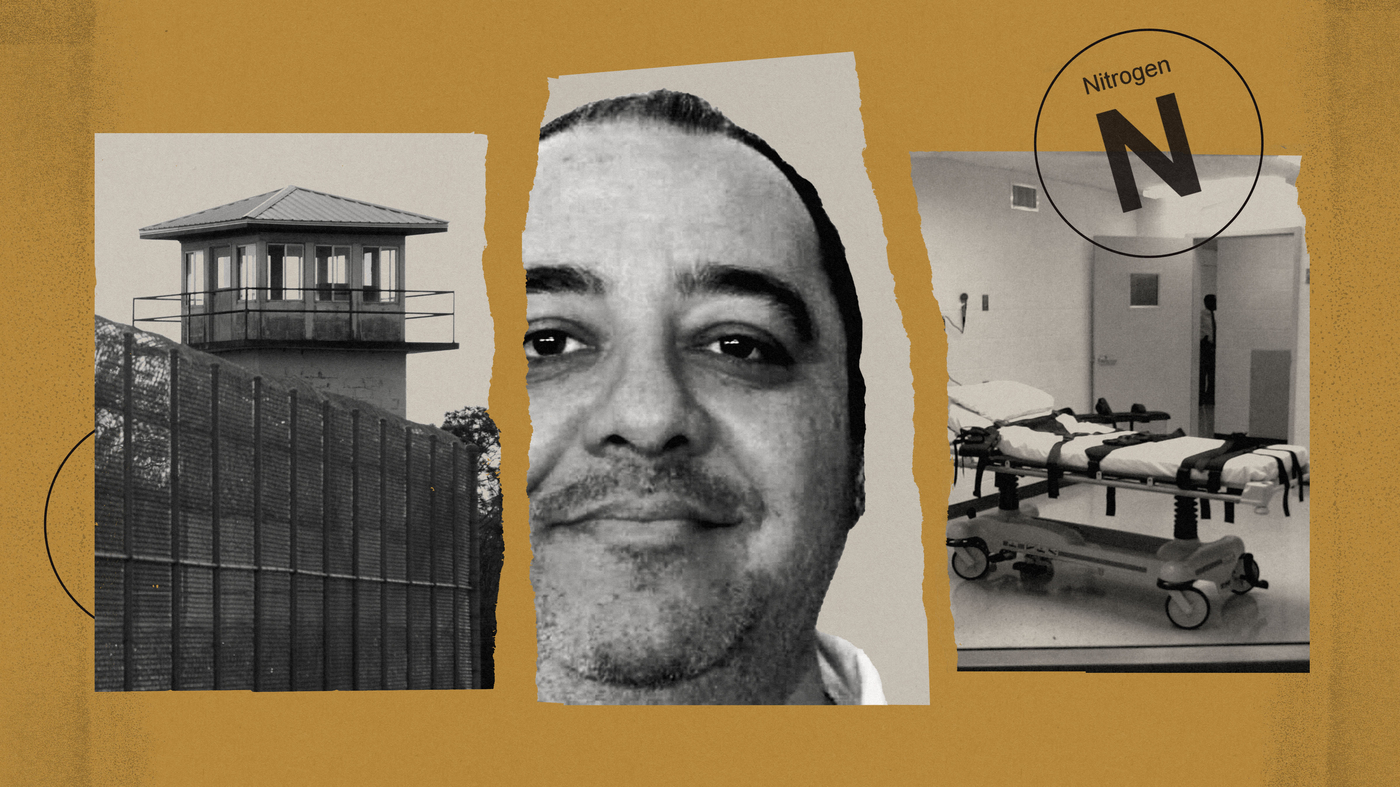
Kenneth Smith, who could be the first person executed with nitrogen gas in the U.S., spoke with NPR about his experience surviving a failed execution attempt by lethal injection in Alabama. The state plans to use nitrogen gas for his execution on Jan. 25, a method that has raised safety and human rights concerns. Smith and his lawyers challenged the execution in state court, arguing that a second attempt would constitute cruel and unusual punishment. The Alabama Supreme Court rejected the appeal, and Smith discussed his feelings about the prospect of undergoing another execution, this time by gas.

crime2 years ago

Alabama's Controversial Bid to Execute Inmate with Pure Nitrogen Sparks National Debate

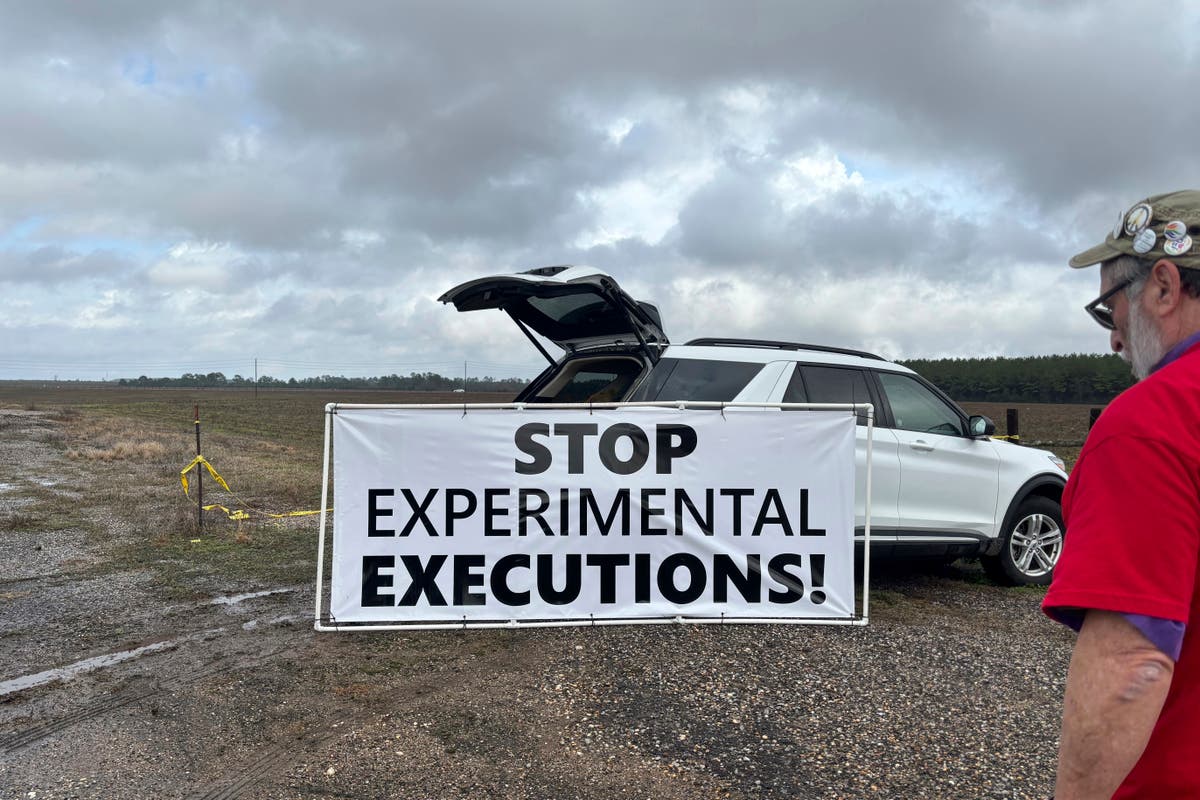
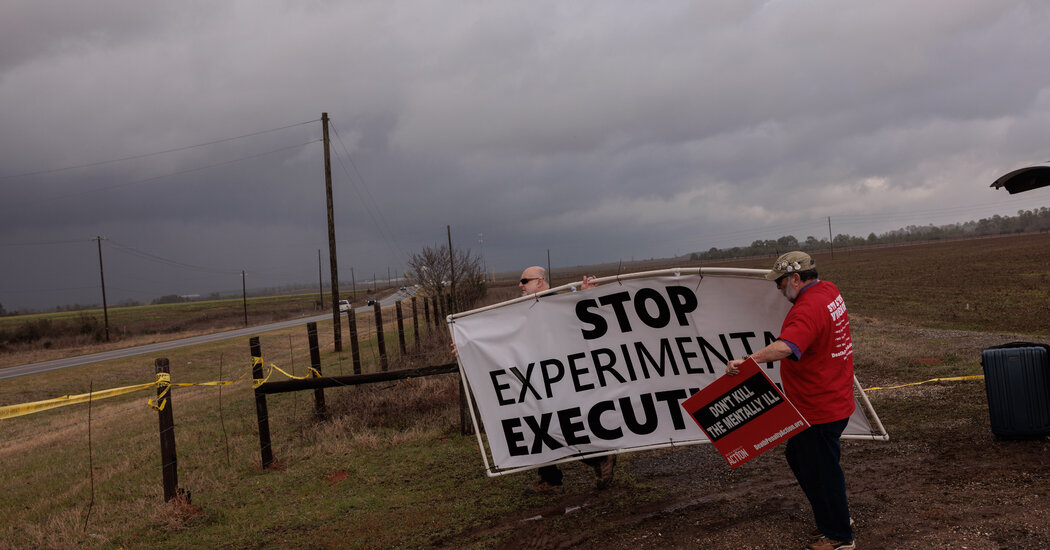
Alabama is seeking to execute death row inmate Kenneth Smith by having him breathe pure nitrogen, a method known as nitrogen hypoxia. This execution method, authorized in three states but never used, involves depriving inmates of oxygen by forcing them to breathe only nitrogen. Critics have raised concerns about the untested method, likening it to human experimentation. Smith, convicted in the 1988 murder-for-hire slaying of a preacher's wife, had his previous execution by lethal injection called off due to issues with intravenous lines. The use of nitrogen hypoxia is expected to spark legal battles over its constitutionality.

law2 years ago

Supreme Court rulings impact Alabama's use of lethal injection and death row inmate's lawsuit.

The US Supreme Court has rejected Alabama's request to execute a death row inmate by lethal injection, upholding a lower court ruling that his preference for lethal gas is a viable alternative method. Kenneth Smith, sentenced to death for murdering Elizabeth Sennett in 1988, objected to being executed by lethal injection because of the pain it would cause. The Atlanta-based 11th U.S. Circuit Court of Appeals ruled for Smith in November, saying that because the state has approved use of lethal gas, Smith could seek an alternative method of execution.