Major stock indexes showed slight gains amid ongoing U.S.-China trade talks, with the Dow Jones up 0.3% and the S&P 500 up 0.4%. Tesla shares rose after White House comments, while J.M. Smucker plummeted over missed earnings and guidance. Other stocks like Amazon and Toast broke out or rebounded, reflecting a generally bullish market environment, though volatility remains a concern.
U.S. stocks edged higher amid trade negotiations, with Walt Disney acquiring full control of Hulu, J.M. Smucker warning on economic conditions, and McDonald's facing a downgrade due to declining foot traffic. Energy stocks rose on optimism about trade talks, while some food companies and United Natural Foods experienced declines due to operational issues and cyberattacks.
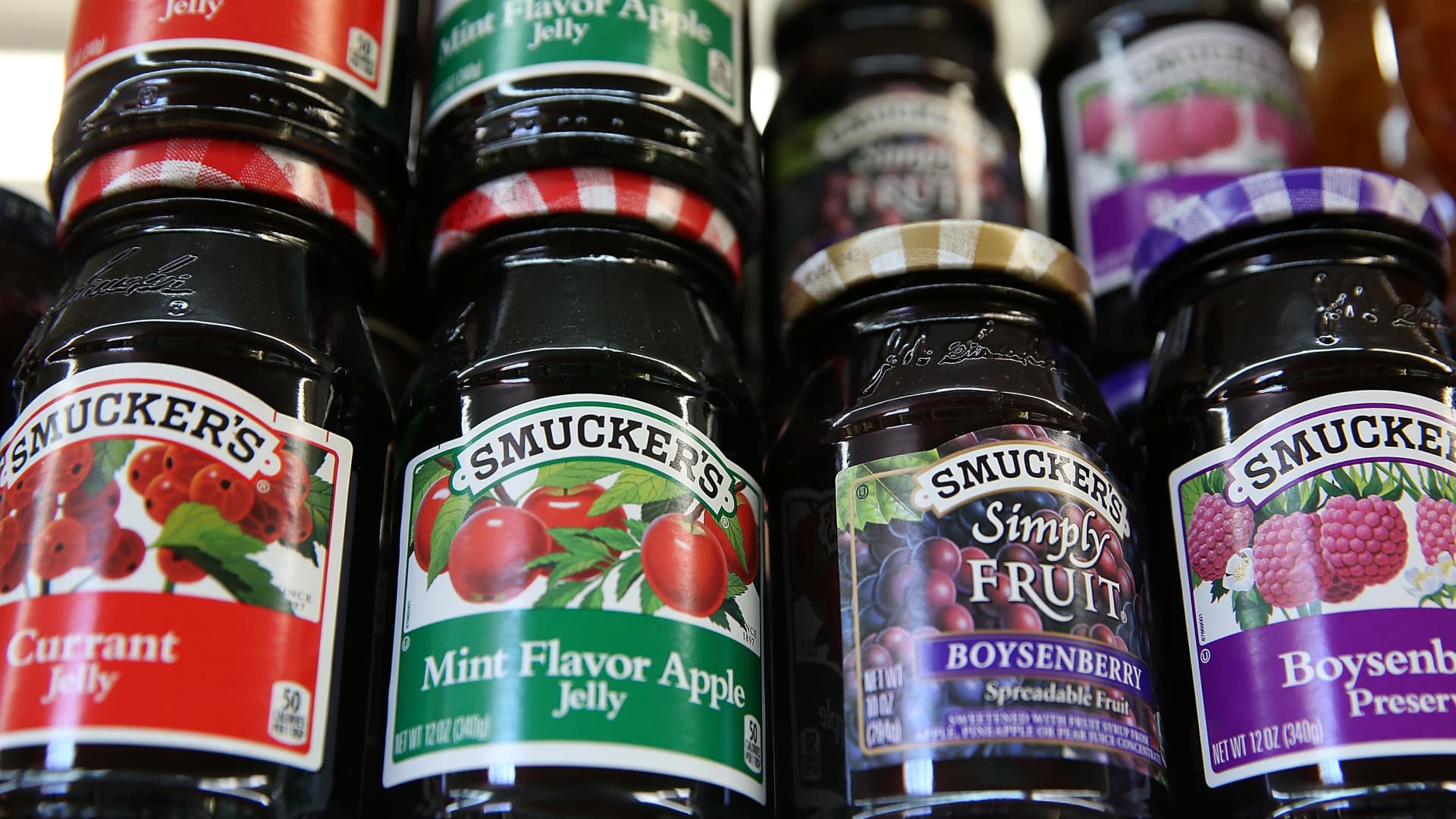
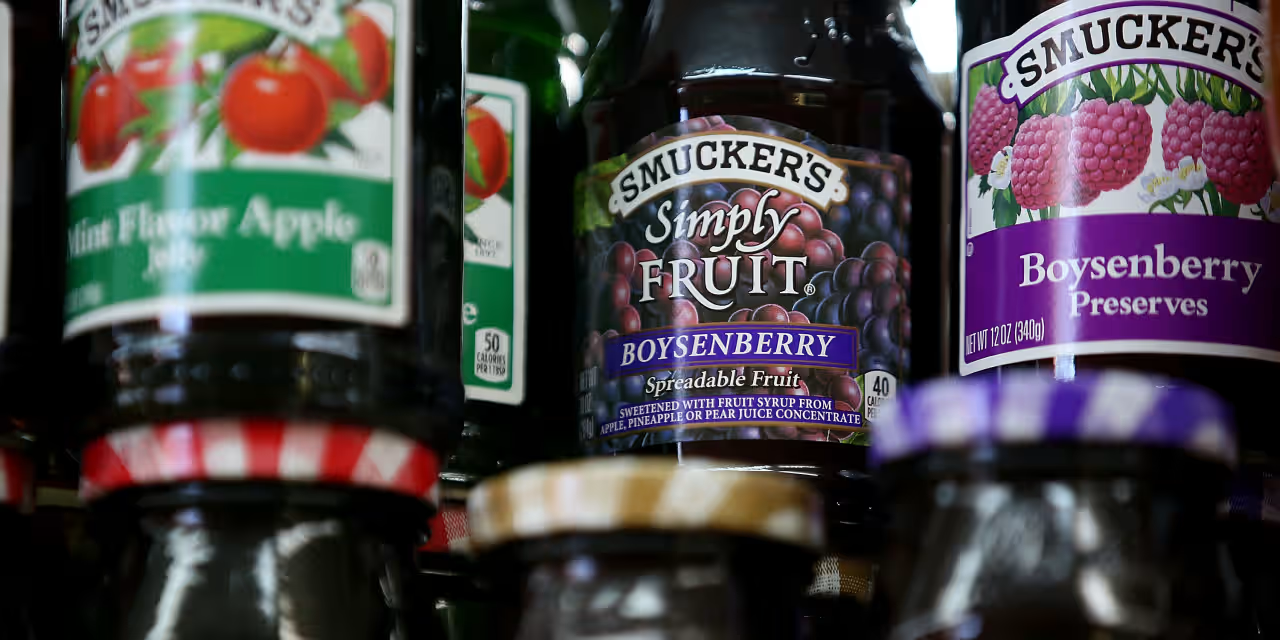
J.M. Smucker's stock plummeted 14% after reporting mixed quarterly earnings and projecting a decline in profit for fiscal 2026, amid challenges like rising costs, declining sales in key segments, and changing consumer preferences, leading to concerns about the company's future performance.
Shares of J.M. Smucker dropped over 12% after the company reported worse-than-expected Q4 sales and a lower profit forecast for FY2026, citing a challenging external environment and changing consumer behaviors, leading to a significant stock decline and a negative outlook for the year.
J.M. Smucker has discontinued the Knott's Berry Farm brand of jams, citing a strategy to focus on areas with the greatest growth potential. The brand's products are no longer available in stores, but can still be purchased through the Knott's Berry Farm theme park online marketplace. The theme park, located in Buena Park, California, offers a variety of family-friendly attractions and remains the heart of the Knott's Berry Farm brand.
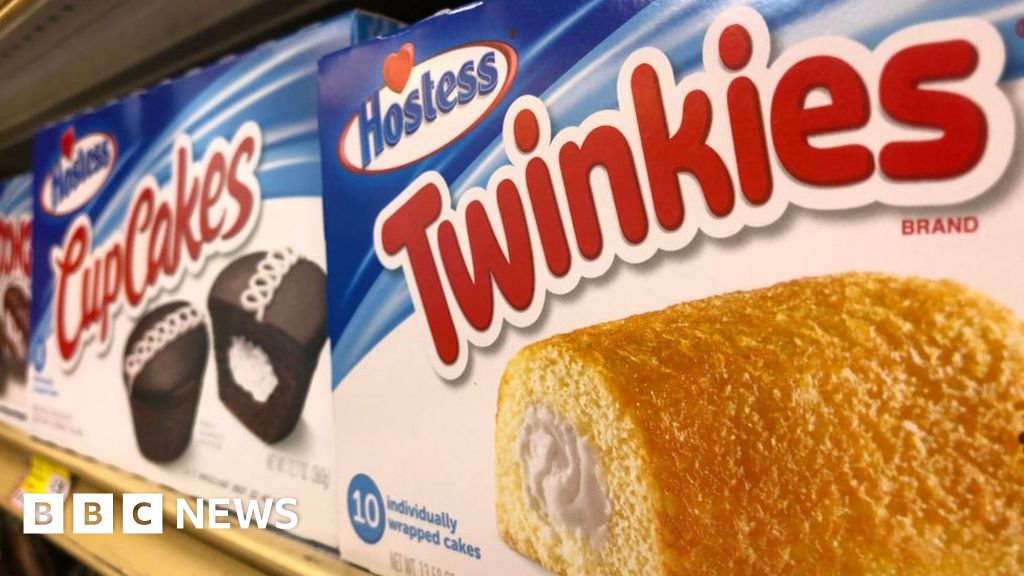
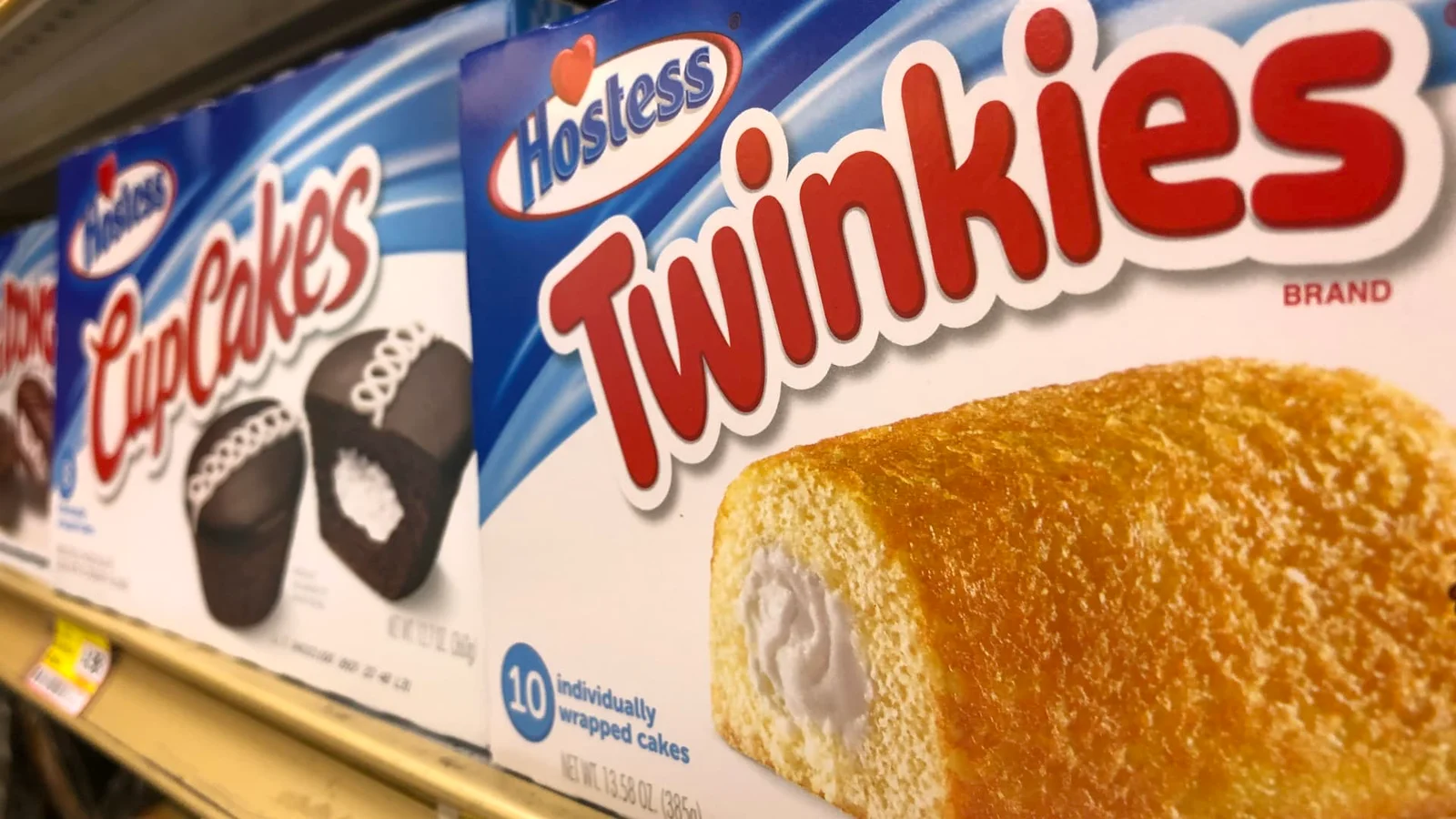
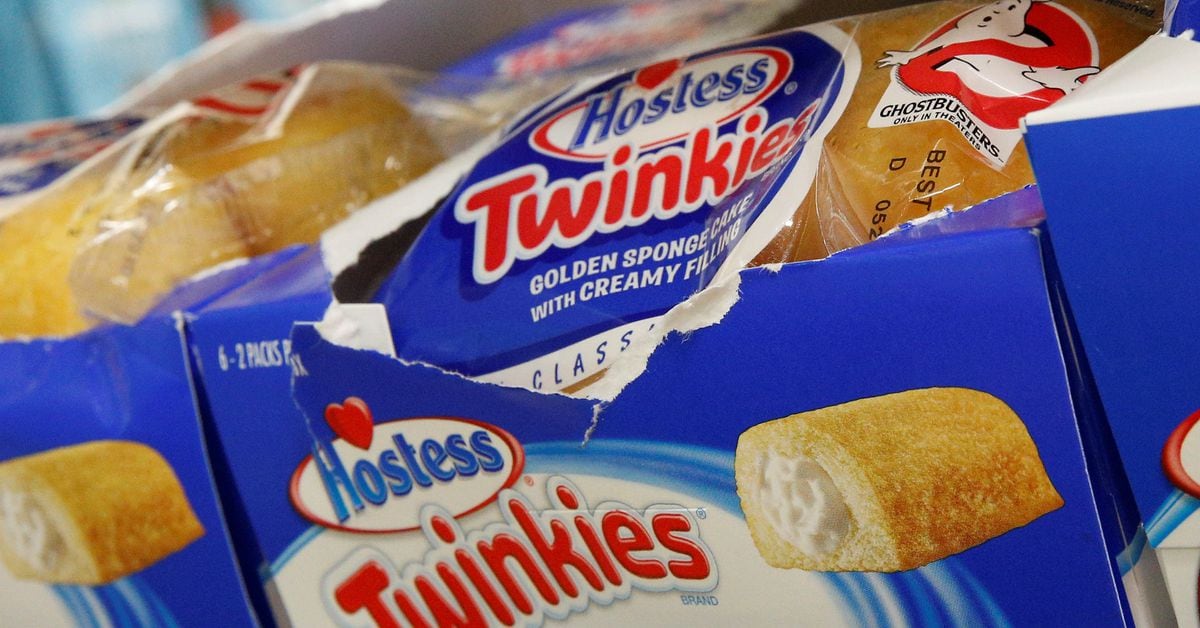
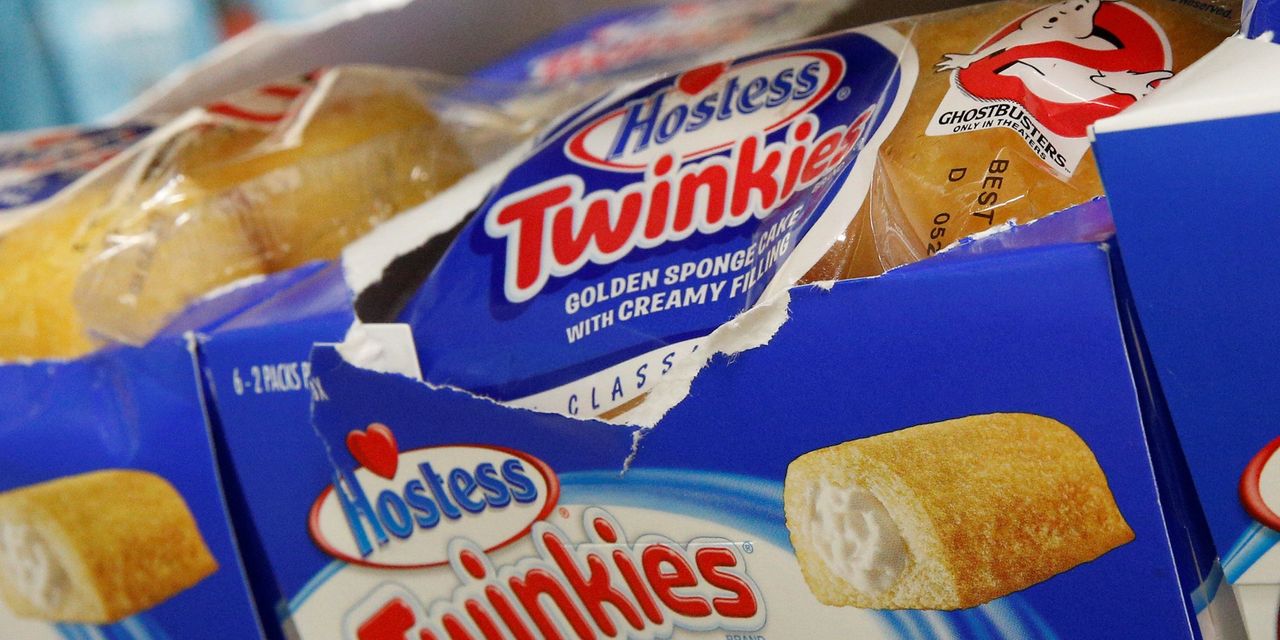
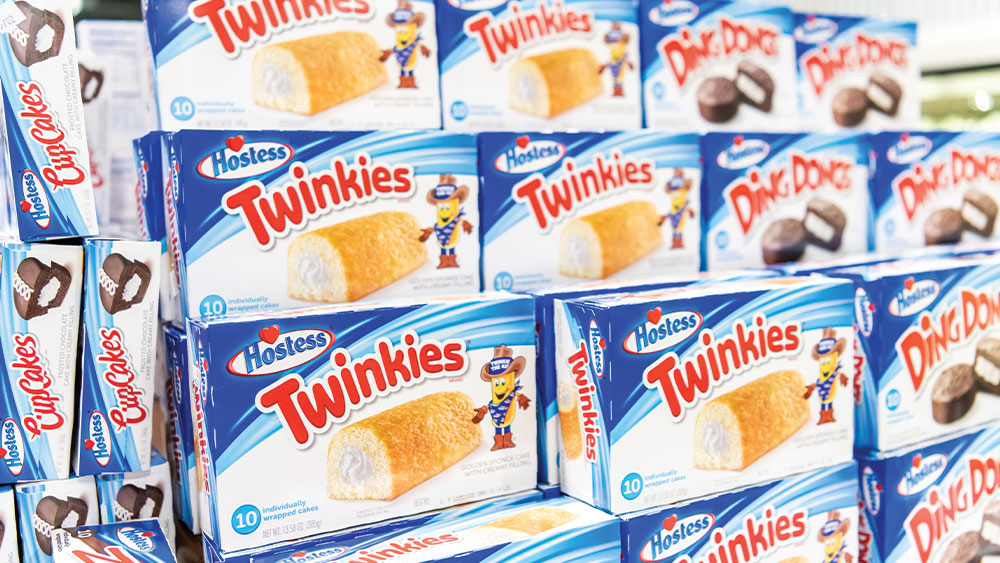
Food giant JM Smucker has acquired classic US snack maker Hostess Brands in a $5.6 billion deal, adding an iconic sweet snacking platform to drive continued growth. Hostess, known for brands like Twinkies and Donettes, had attracted interest from other major food brands including PepsiCo and General Mills. The deal is expected to be completed in the third quarter of Smucker's current financial year. Hostess, which filed for bankruptcy in 2012 but was saved in 2013, has seen its shares rise by over 19% following the announcement, while Smucker's shares closed 7% lower.
J.M. Smucker CEO, Mark Smucker, discusses the company's acquisition of Hostess Brands, highlighting how the two brands complement each other and expand their snack offerings. Smucker emphasizes the compatibility between Hostess's sweet treats and Smucker's Uncrustable snack, and believes that consumers will continue to desire indulgent snacks alongside healthier options. The $5.6 billion deal is expected to close by Smucker's fiscal third quarter, with Smucker also taking on Hostess's $900 million debt.
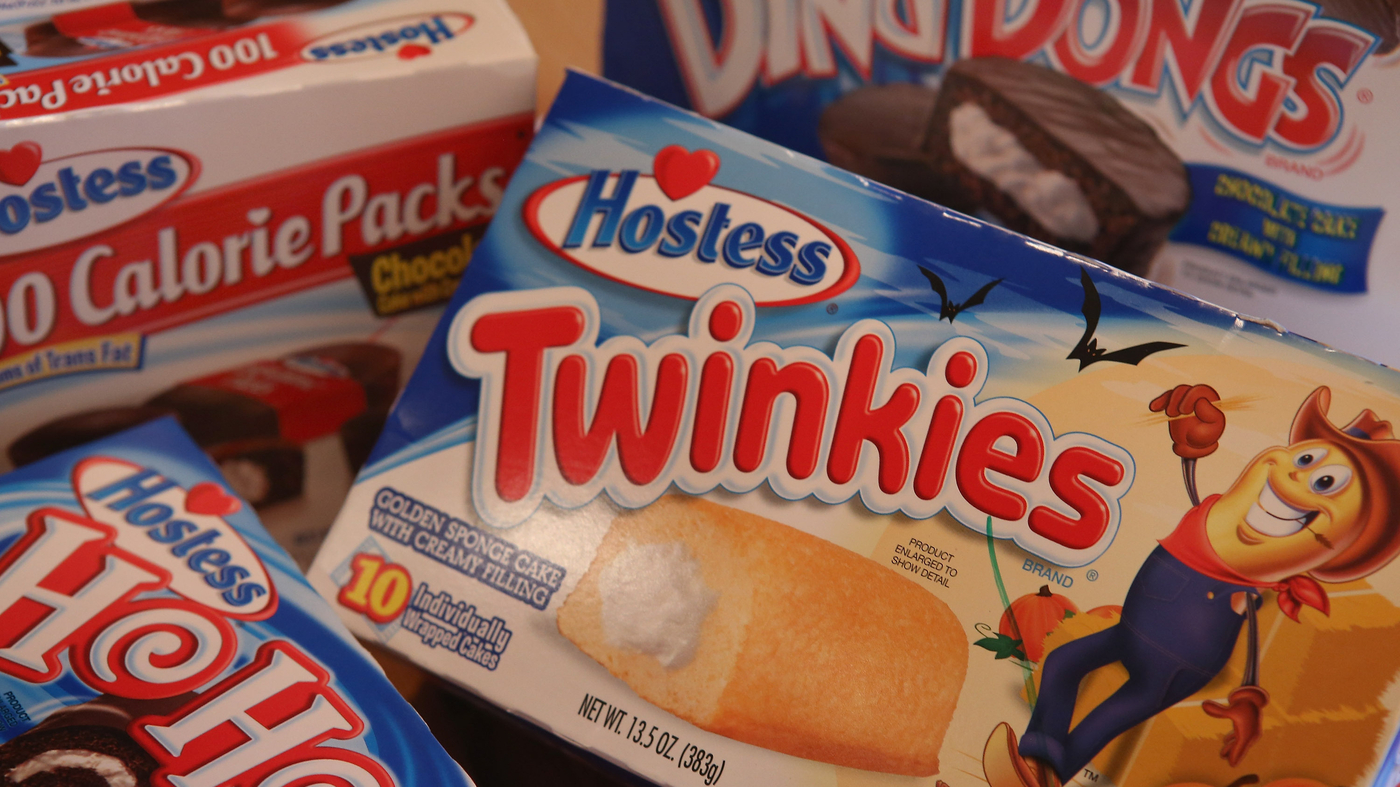
Jelly-maker J.M. Smucker is acquiring Hostess Brands, the maker of iconic snacks like Twinkies and Ding Dongs, for $5.6 billion. Hostess, which has faced bankruptcy twice in the past two decades, saw its stock price rise as demand for snacks increased. J.M. Smucker beat out competitors like PepsiCo and General Mills to secure the deal, citing Hostess' strong convenience store distribution and innovation pipeline as key factors in the acquisition.
Jelly maker J.M. Smucker has agreed to acquire Twinkie owner Hostess Brands for $5.6 billion, with Hostess shareholders receiving a combination of cash and Smucker's stock. The deal comes after Hostess received interest from large food companies, including PepsiCo and Mondelez International. Hostess's stock has risen 25% this year, and the acquisition will see Smucker assume Hostess's debt.
J.M. Smucker, the maker of Jif peanut butter, is reportedly close to acquiring Hostess Brands, the owner of Twinkies snack cakes, for approximately $5 billion. The deal value does not include Hostess' net debt of around $900 million. Hostess' stock has risen nearly 27% since August 25 when news of a potential sale emerged. The acquisition comes as U.S. packaged food companies seek mergers amid declining pandemic-era fortunes and the waning benefits of price hikes.