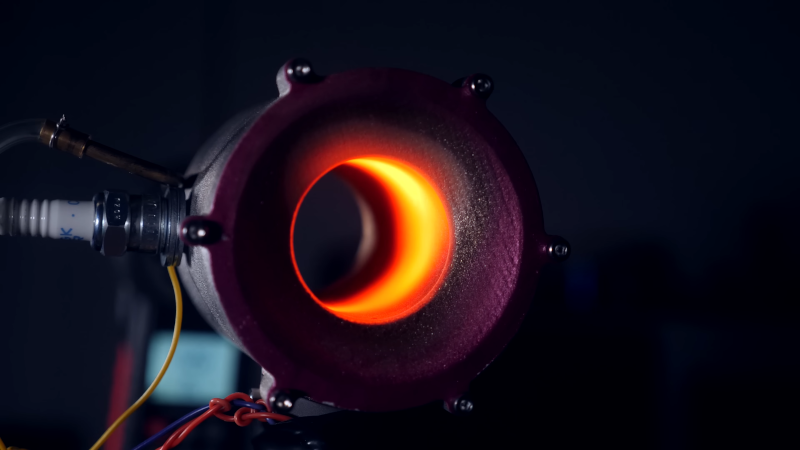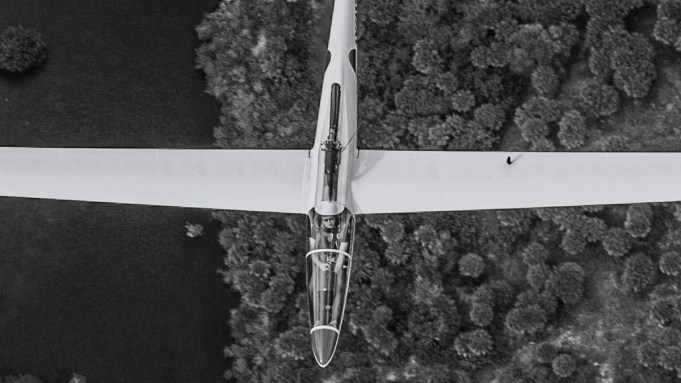
Wave Engine Corp., a Baltimore start-up, has successfully flight-tested a jet engine with no moving parts, using pressure waves instead of rotating parts to produce thrust. The technology, a contemporary variation of the pulsejet engine, has the potential to significantly reduce the cost and complexity of jet propulsion. While pulsejet designs have been around for a century, they have been largely dismissed by the commercial aviation industry due to noise and regulation issues. However, companies like Boeing, Pratt & Whitney, and General Electric are exploring pulsejet engine technology for future applications. Wave Engine Corp. has officially launched its J-1 engine, which has 50+ pound-force of thrust, and is aiming to develop engines with up to 250 pound-force for larger aircraft.
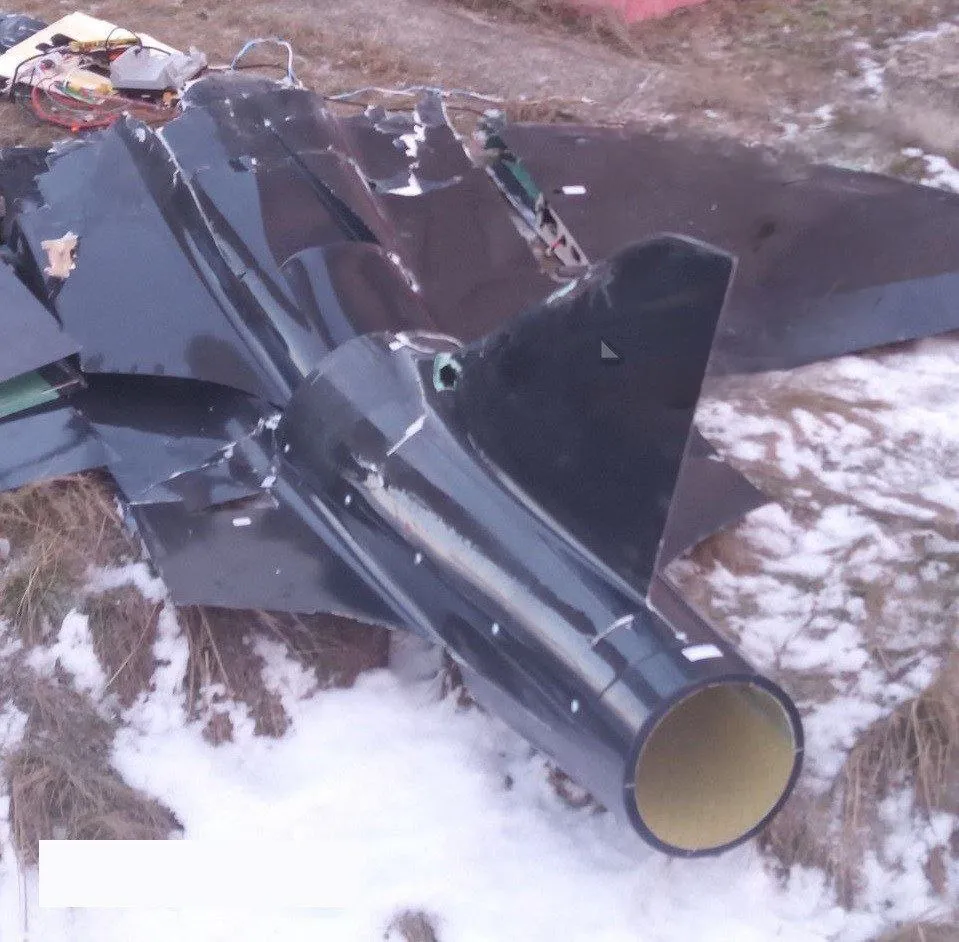
The wreckage of a downed Ukrainian kamikaze drone powered by a jet engine and carrying a high-explosive warhead was photographed in Russia, indicating Ukraine's active development of long-range attack drones to confront Russia. The drone, resembling a second-generation Ukrainian OWA-UAV, is independently flown by autopilot and is part of Ukraine's expanding fleet of long-range attack drones. Both Ukraine and Russia have been acquiring and producing jet-powered drones to increase their strike rate against hostile targets.
A YouTuber named Integza spent $500 on a Dyson hair dryer and turned it into a jet engine by designing a replacement shell for the dryer and having it 3D printed in metal. The engine generated hot exhaust, but also melted some test equipment accidentally. The modification to a car becomes obvious if the engine could be made reliable.
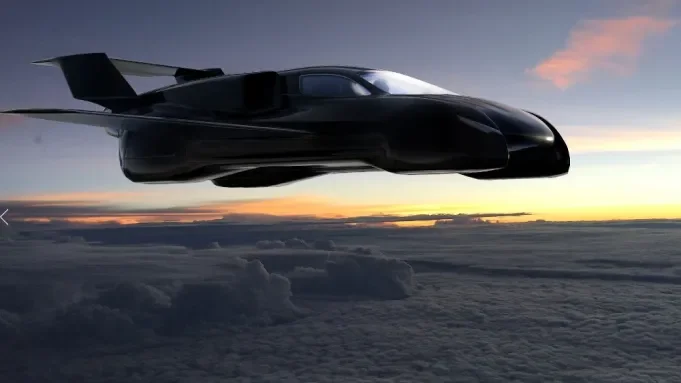
California-based designer Greg Brown has created the Fusion JC7, a jet-engine concept car that can fly and drive on the ground. The car is fully electric on the ground, with twin Tesla motors totaling 1,000 hp, and can go from 0 to 60 mph in under four seconds. With its wings extended, the car can generate 2,000 pounds of thrust thanks to its twin Williams FJ-33 jet engines, and has a cruise speed of 520 mph. Brown envisions the car as a way to save time for business travelers, making flying privately as efficient as possible. The prototype is expected to cost about $20 million to develop, with the jetcar costing about $2.5 million once it goes into production.