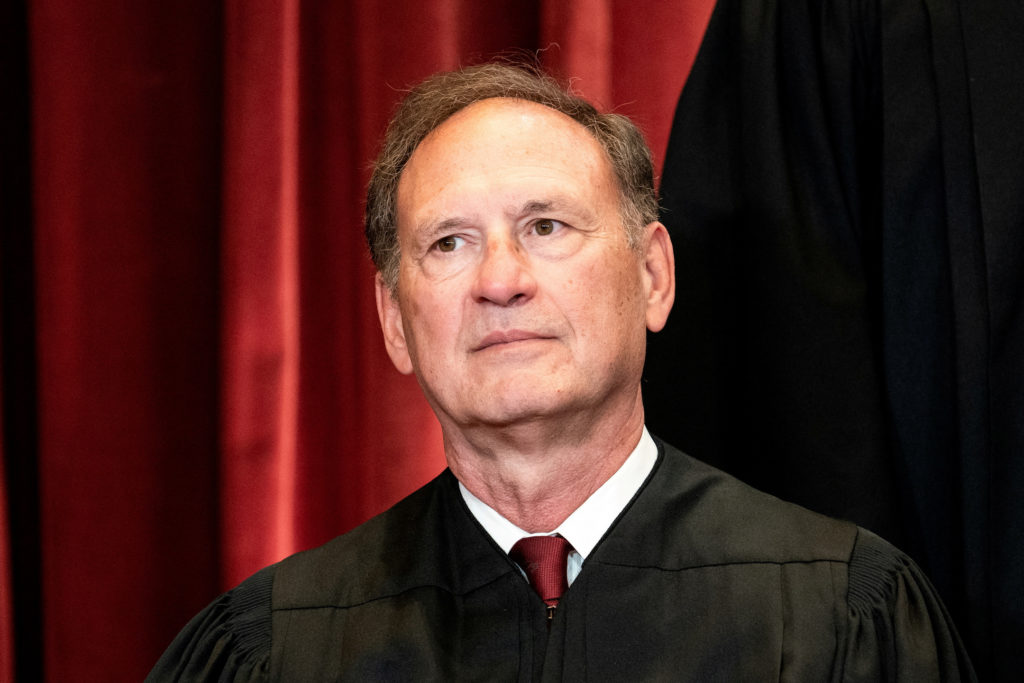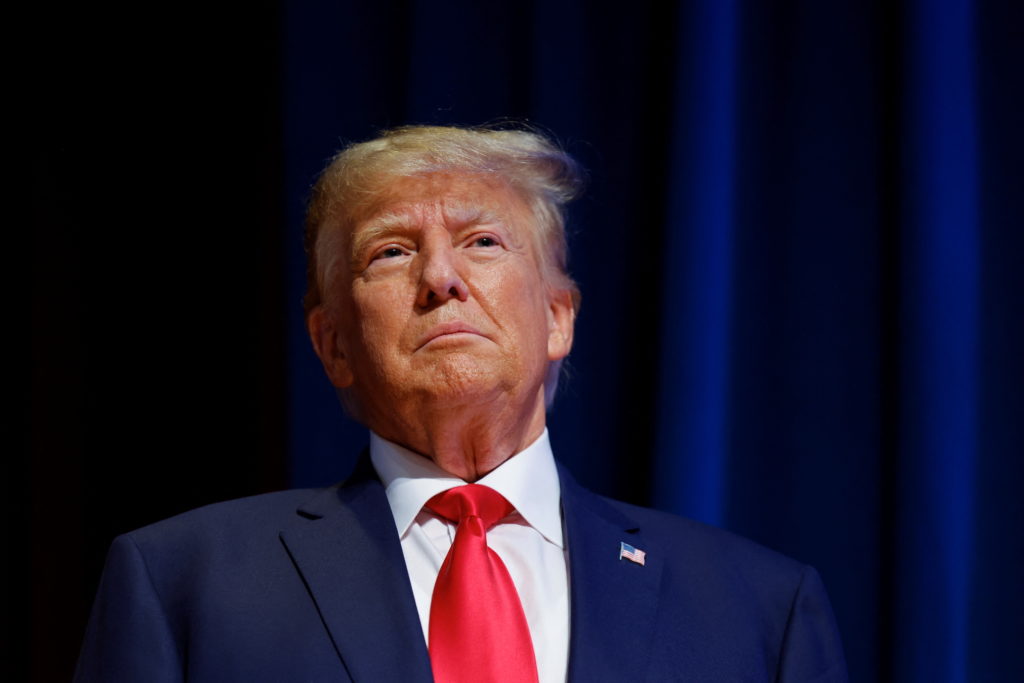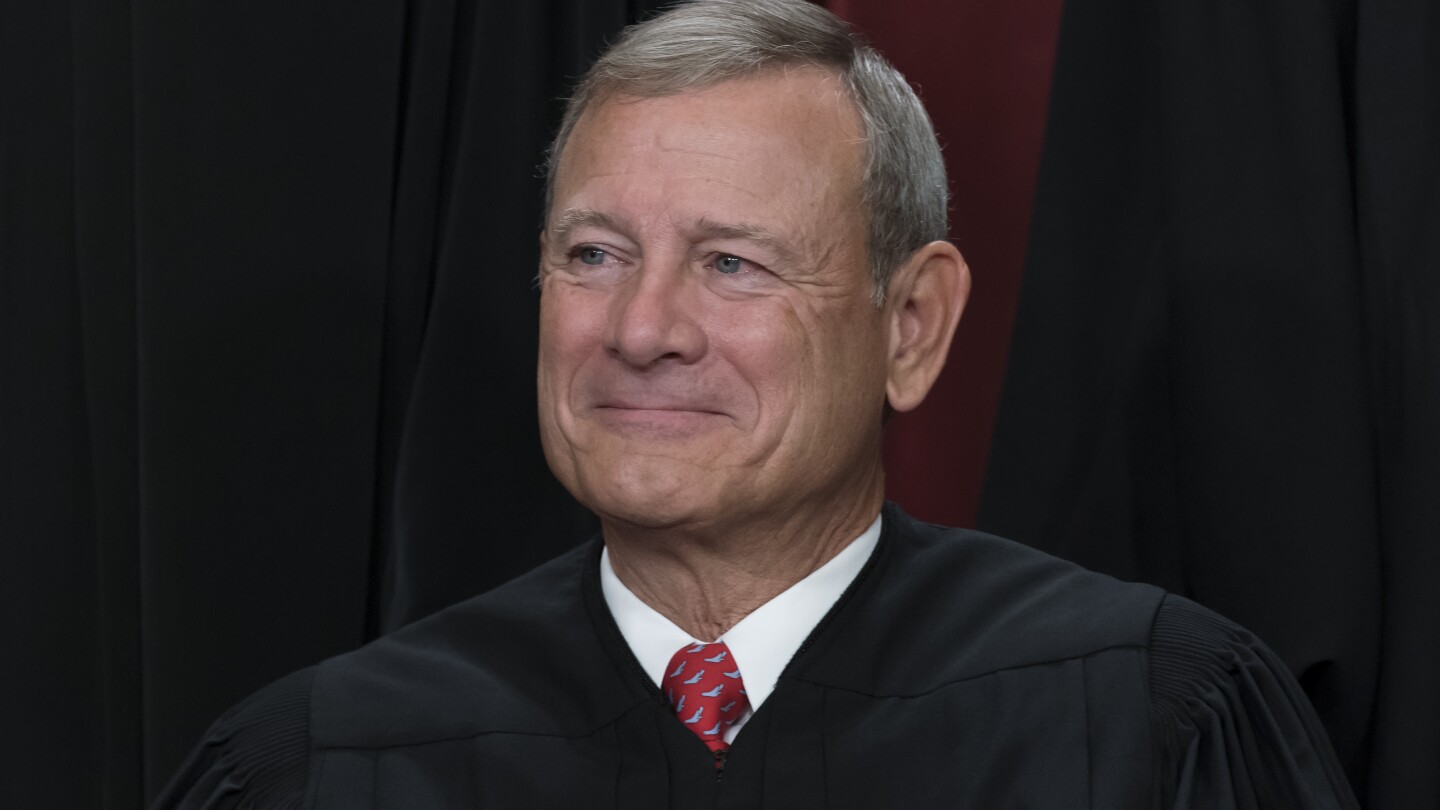
Chief Justice John Roberts declined a request from Senate Democrats to discuss Supreme Court ethics and the controversy over flags flown outside Justice Samuel Alito's homes, which were similar to those carried by January 6 rioters. Roberts emphasized that justices decide for themselves when to recuse from cases and noted that meeting with only one party's leaders would be inadvisable. This comes amid ongoing concerns about the Supreme Court's credibility and calls for enforceable ethics codes.
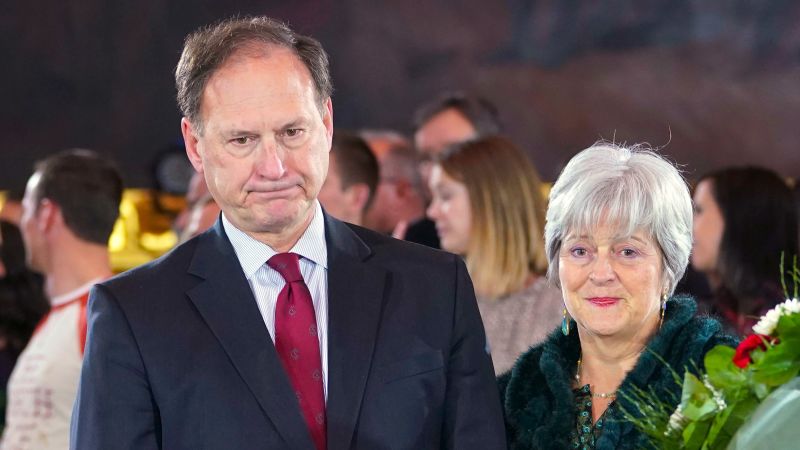
Supreme Court Justice Samuel Alito informed lawmakers he will not recuse himself from cases related to the 2020 presidential election or the January 6 Capitol riot, despite controversy over two flags flown on his properties. Alito stated that the flags, one flown upside-down and another with historical significance, were decisions made by his wife and did not meet the conditions for recusal. Congressional Democrats criticized his decision, while former President Trump praised it.
A flag associated with Christian nationalism and efforts to overturn the 2020 election was seen at Supreme Court Justice Samuel Alito's beach house. Originally from the Revolutionary War, the "Appeal to Heaven" flag has been popularized by the New Apostolic Reformation and is linked to right-wing extremism and support for Donald Trump. The flag's modern symbolism includes references to January 6 and Christian supremacy. House Speaker Mike Johnson also displayed the flag, denying any connection to the Capitol riot.
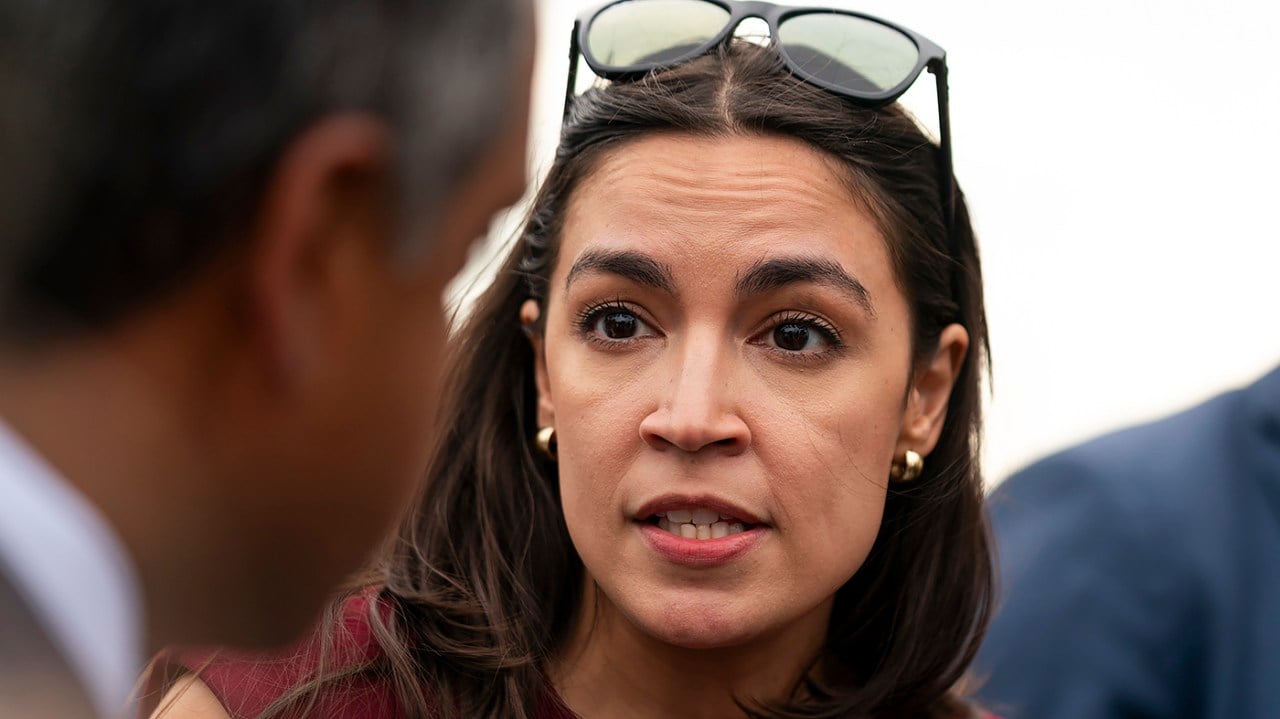
Rep. Alexandria Ocasio-Cortez has called on Senate Democrats to launch investigations into reports that flags associated with the January 6 Capitol riot were displayed outside Supreme Court Justice Samuel Alito's homes. She emphasized the need for immediate action to defend democracy, citing the Senate's current Democratic majority as sufficient to initiate subpoenas and investigations.
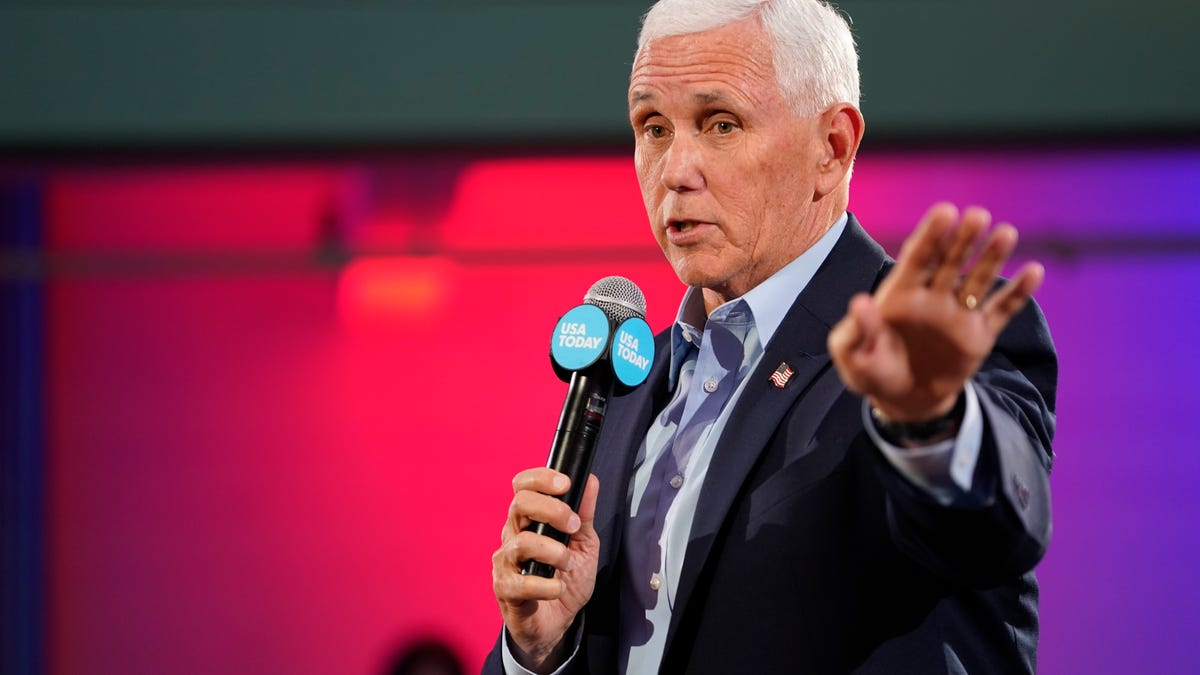
Former Vice President Mike Pence has publicly contradicted Donald Trump's claims about the January 6 Capitol riot, calling it a "riot that should never have happened" and denouncing it as anything but peaceful. Pence urged Republican voters to support a different candidate in the 2024 presidential election, suggesting the GOP needs fresh leadership. While he praised potential candidates like Nikki Haley and Ron DeSantis, and acknowledged his long friendship with Chris Christie, Pence did not endorse a specific challenger to Trump. He emphasized the importance of moving forward with new leadership in the Republican Party and the White House.
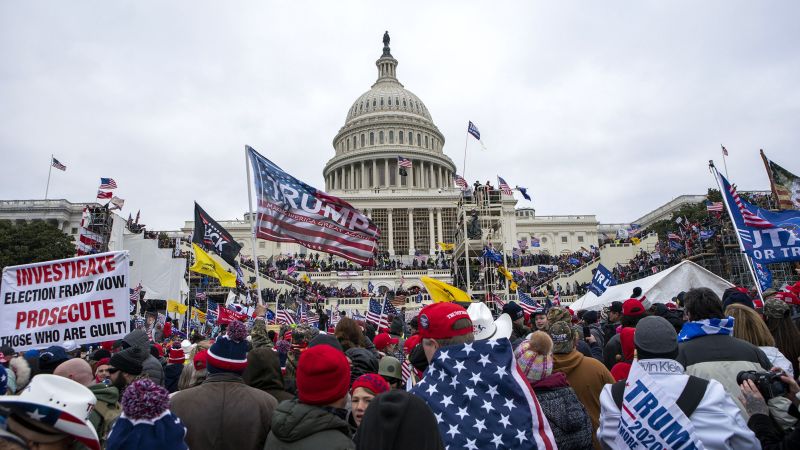
The US legal system continues to process the aftermath of the January 6 Capitol riot, with over 1,200 charged and more than 890 guilty pleas. Former President Trump, facing his own charges, has suggested pardoning rioters if reelected. The Supreme Court is set to rule on the use of a federal obstruction law, which could impact the charges against some defendants and potentially affect the case against Trump. The complexity of the legal proceedings and potential political interventions indicate that it may be a long time before all involved are held accountable, if ever.
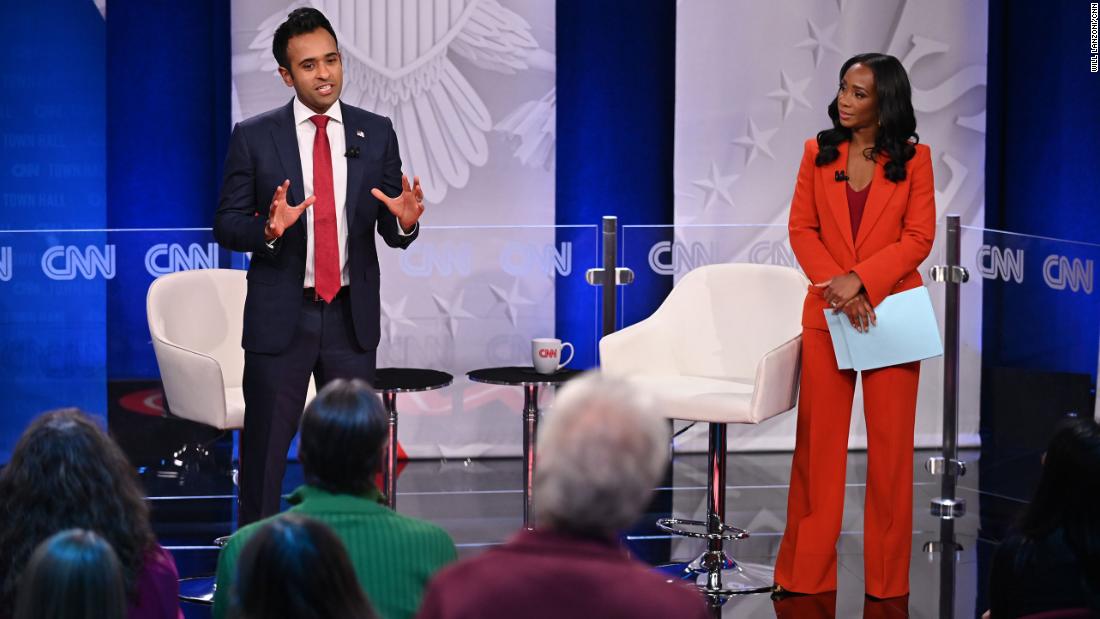
During a CNN town hall in Iowa, Republican presidential candidate Vivek Ramaswamy made several false claims, including that government agents entrapped Trump supporters on January 6 and that police "rolled out the red carpet" for rioters. Fact-checkers have debunked these claims, with FBI Director Christopher Wray stating that there is no evidence of federal law enforcement agents orchestrating the violence. Ramaswamy also misleadingly blamed the Federal Reserve's policies for growing inequality, and his campaign was criticized by the Biden administration for engaging in bombastic rhetoric. Additionally, Ramaswamy discussed how his Hindu faith aligns with "Judeo-Christian values" and expressed his belief that the Supreme Court should rule against the FDA on the authorization of an abortion drug.
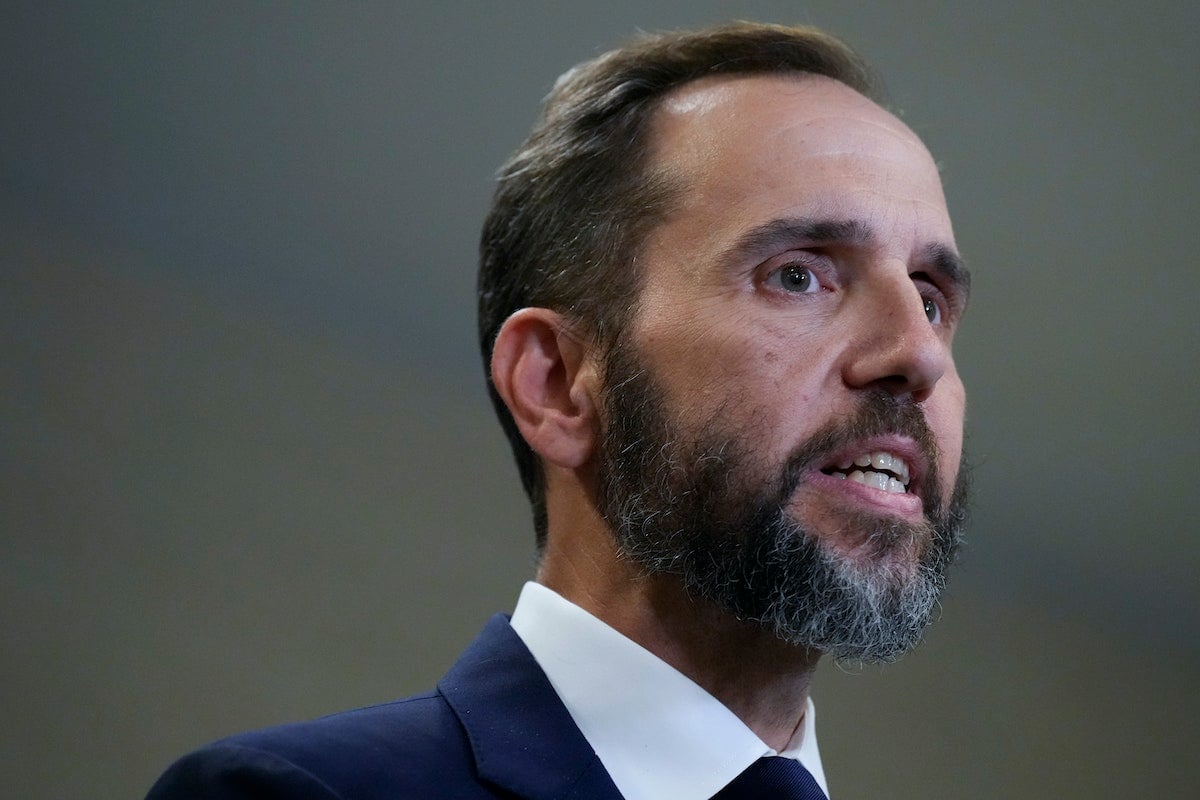
Special counsel Jack Smith plans to call three witnesses in Donald Trump's federal election subversion trial to present data extracted from Trump's cell phone during his time in the White House. The data will be used to track individuals' movements towards the Capitol on January 6 and analyze Trump's Twitter usage. The information could shed light on Trump's behavior leading up to and following the Capitol riot, as well as reveal who had access to his accounts and devices. The trial is scheduled to begin in March, but Trump's team is attempting to delay it.
Former federal prosecutor Glenn Kirschner believes that the Supreme Court will not intervene to delay Donald Trump's criminal trial in Washington D.C. because they do not want to enable his return to power. Trump, who has been indicted on four counts related to the January 6 Capitol riot, has claimed innocence and accused prosecutors of political targeting. However, U.S. District Court Judge Tanya Chutkan ruled that Trump does not have immunity from legal consequences due to his presidency. Kirschner predicts that the trial will begin on March 4, 2024, and expects a guilty verdict followed by a prison sentence for Trump.
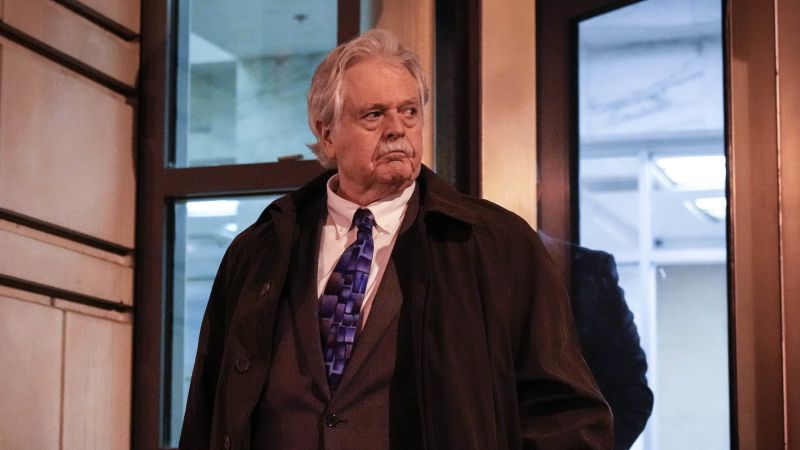
A federal judge has upheld two convictions against Thomas Caldwell, a Navy veteran and associate of the far-right group Oath Keepers, for obstructing an official proceeding and tampering with documents related to the January 6 Capitol riot. The judge rejected Caldwell's argument that there was insufficient evidence, stating that Caldwell supported the Oath Keepers in obstructing Congress and helped plan an armed quick reaction force. The judge cited messages Caldwell sent about a "much bigger op" and his actions on January 6 as supporting evidence. Caldwell was acquitted of conspiracy charges but has not yet been sentenced.
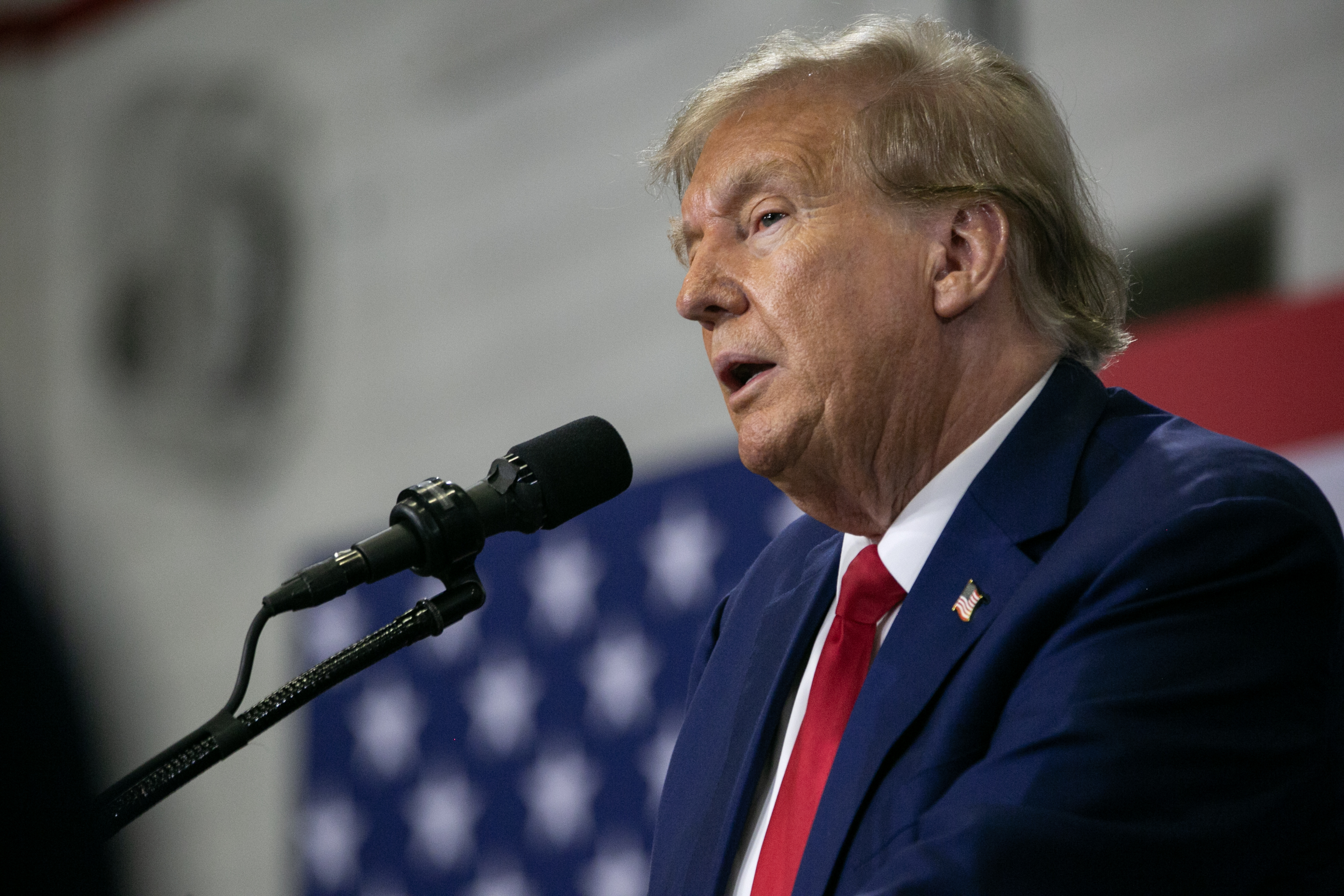
Former President Donald Trump's legal team met with federal prosecutors as a grand jury continues to gather evidence regarding Trump's efforts to overturn the 2020 election and the January 6 Capitol riot. Trump revealed that he received a target letter from the Department of Justice, indicating he is the subject of a criminal probe. The charges he may face reportedly include conspiracy to defraud the government, obstruction of an official proceeding, and a third charge related to protecting voting rights. The exact timing of any potential indictment remains uncertain, and it is speculated that other individuals may be involved in the alleged conspiracy.