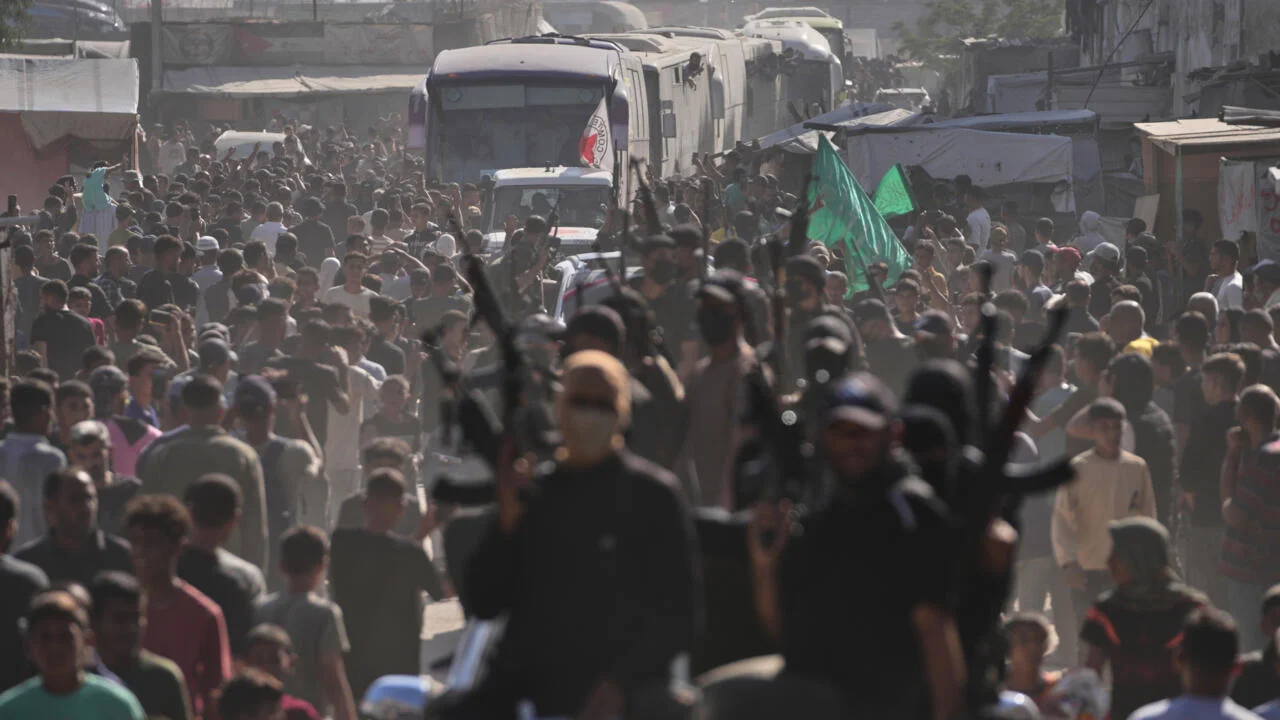
Following a ceasefire with Israel, Hamas has increased its control over Gaza, engaging in violent clashes with rival groups and asserting authority through military and social measures, while the international community debates the future governance and disarmament of Hamas.
The article discusses unresolved issues in the Gaza ceasefire deal, including the lack of clear plans for Israeli troop withdrawal, Hamas disarmament, the operation of an international stabilisation force, reconstruction efforts, and the transition to Palestinian-led governance, highlighting concerns about the deal's long-term viability and implementation challenges.
Negotiations between Israel and Hamas over Gaza's future are ongoing, with key sticking points including hostage releases, disarmament, governance, and Israeli military withdrawal, despite some agreement on a framework proposed by Donald Trump.
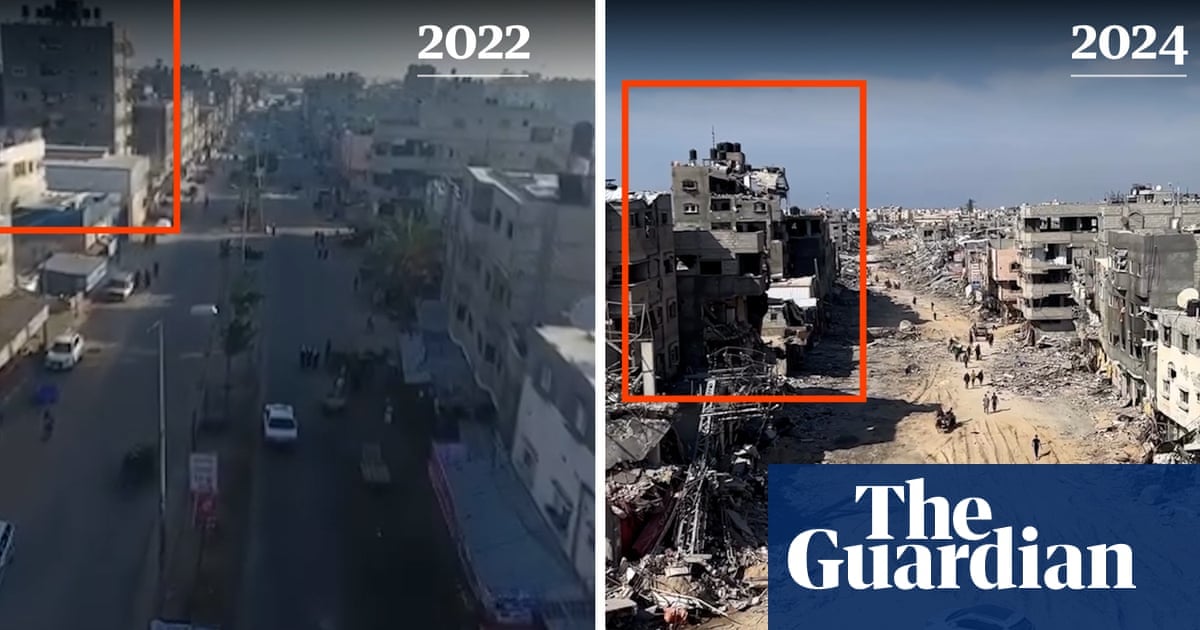
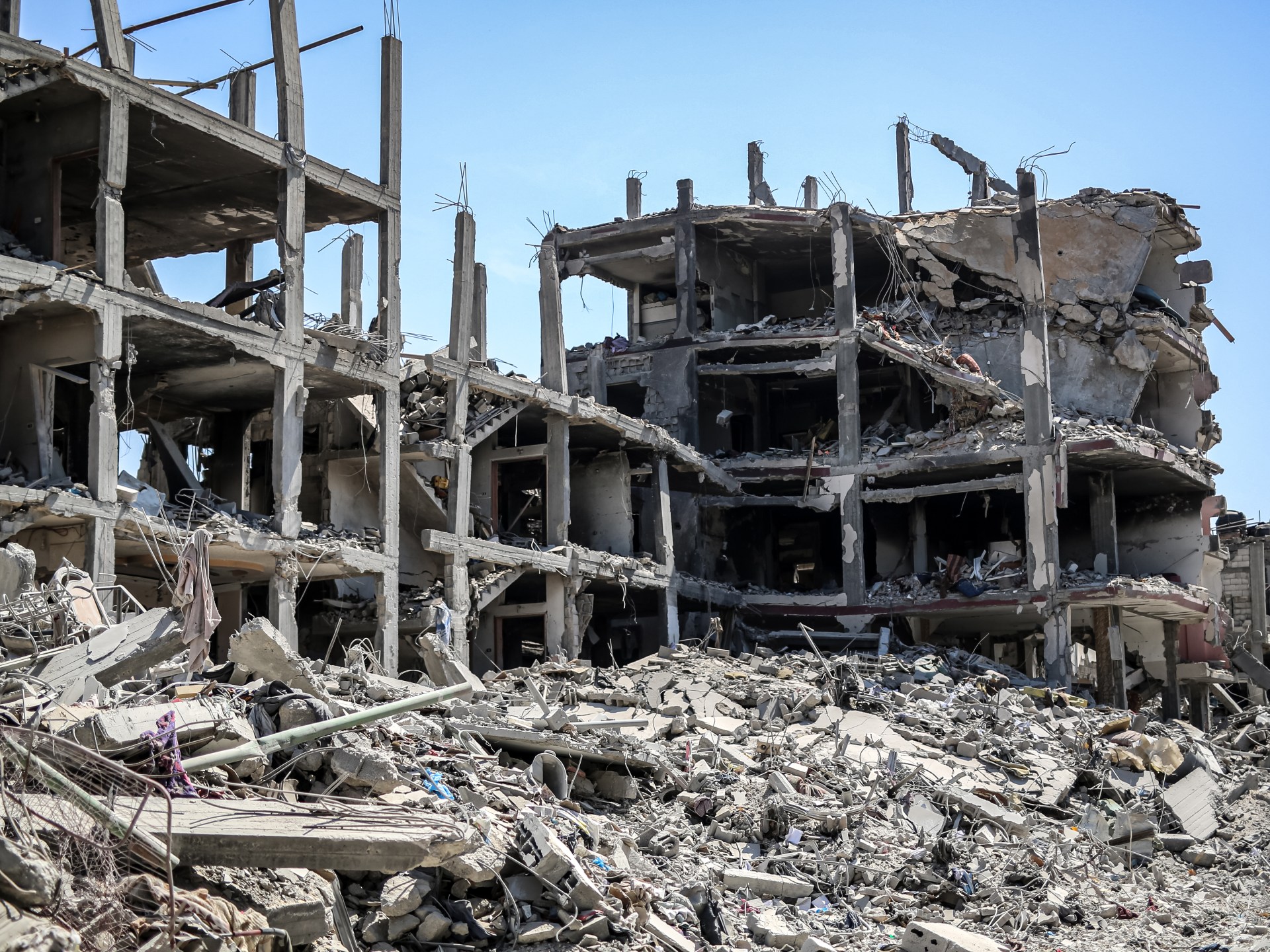
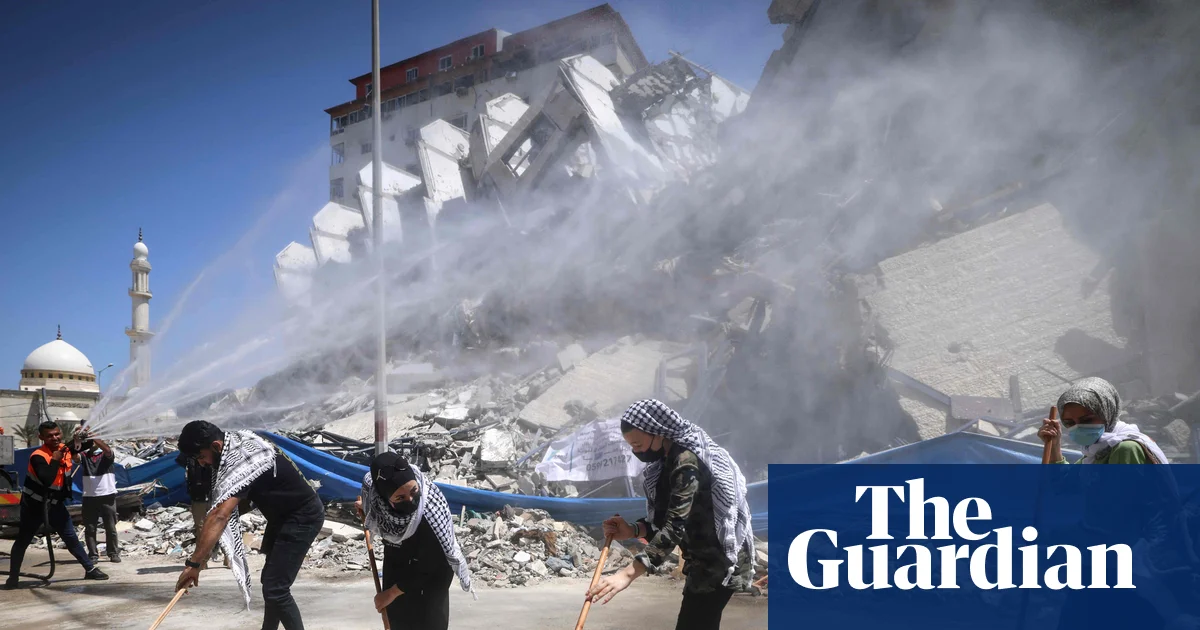
Footage shows the extensive destruction in Khan Younis, Gaza, following the withdrawal of Israeli ground troops, with thousands of Palestinians returning to find their homes devastated after months of Israeli bombardment.
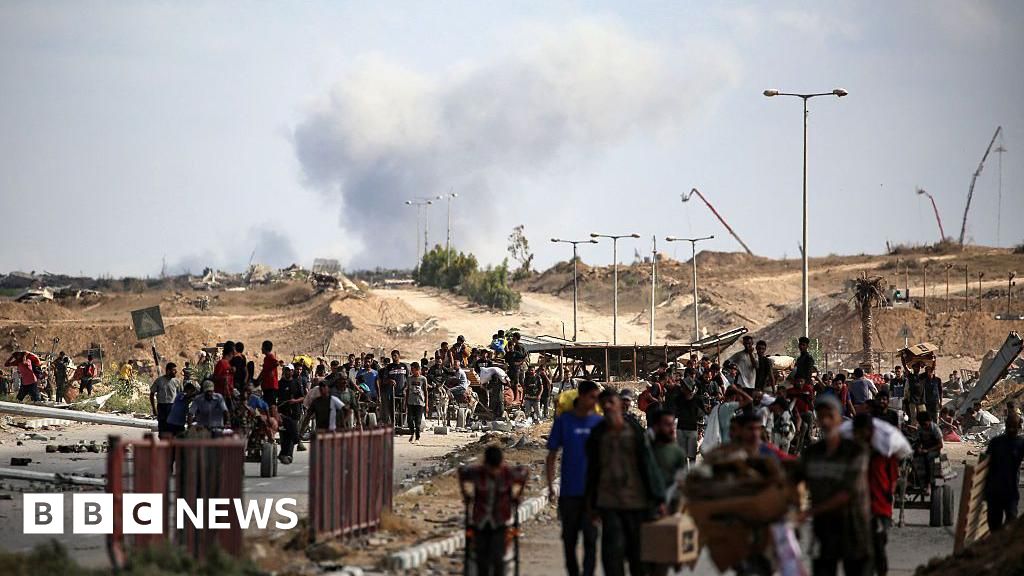
Palestinians in Khan Younis return to find their homes devastated and the city in ruins after Israeli troops announced their withdrawal from southern Gaza. The area, once home to nearly 400,000 people, has been heavily bombarded and left in ruins, with residents facing the grim task of sifting through rubble and searching for their belongings amidst the pervasive smell of death. Many are left with severely damaged or destroyed homes, forcing them to contemplate their next steps in the aftermath of the conflict.
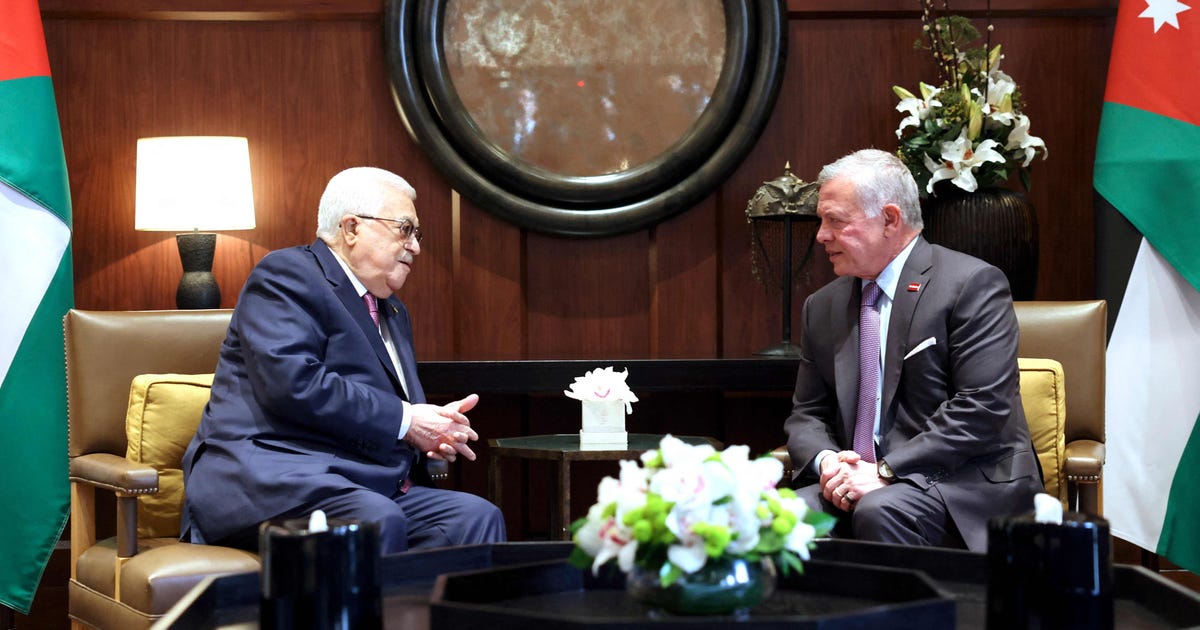
The Palestinian Authority is considering changing the composition of its government to include Hamas and other organizations, with conditions including a national agreement among all Palestinian factions and a halt to IDF raids in West Bank cities. However, the PA has also stated that any change in government must be contingent on international guarantees for an Israeli withdrawal from the Gaza Strip.