Romi Gonen, a former Israeli hostage, publicly recounted her traumatic experiences of sexual assault and harassment during her 471 days in Hamas captivity, highlighting the systematic use of sexual violence as a weapon of war and the ongoing issue of abuse faced by hostages in Gaza.
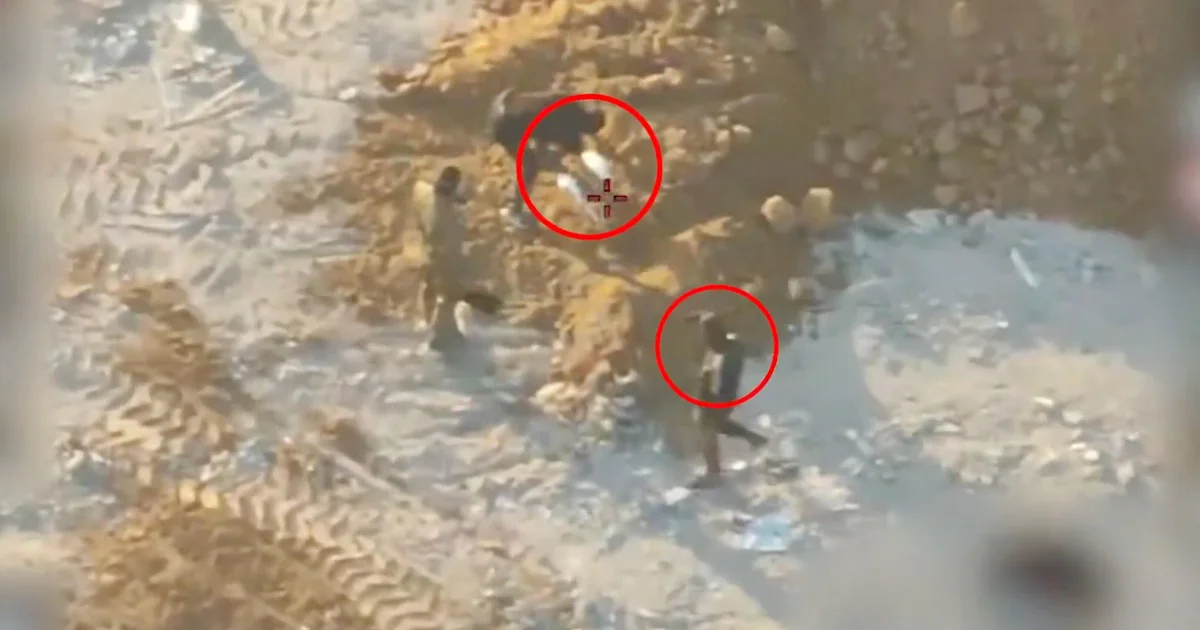
The Red Cross stated it was unable to intervene directly as Hamas members staged the burial and uncovering of Israeli hostage remains in Gaza, with the IDF releasing a video suggesting staged activities by Hamas. The Red Cross expressed concerns and clarified its staff were unaware of the staged nature of the scenes, emphasizing its neutral role in handling human remains under international law.
Hamas has handed over the remains of at least one deceased Israeli hostage to Israel, with ongoing efforts to recover and identify remaining bodies amid a fragile ceasefire agreement. The transfer follows a deal where Hamas returned all living hostages, but only a few deceased ones, and efforts continue with international assistance to locate unaccounted remains in Gaza.
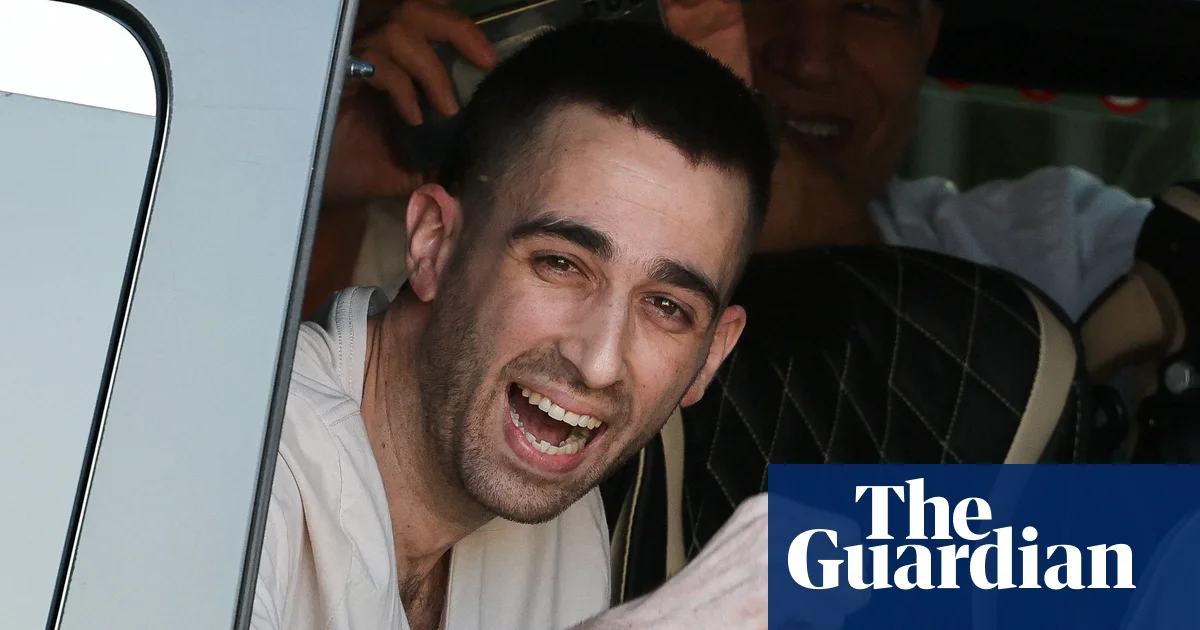
Several Israeli hostages freed from Gaza have returned home after enduring severe hardships, including weight loss and physical trauma, with details emerging of their difficult captivity in Gaza tunnels, highlighting the ongoing human toll of the conflict.
Hamas claims to have handed over all recoverable Israeli hostage remains in Gaza, with ongoing efforts to locate the remaining bodies, amid tensions over the implementation of a peace agreement and disputes over the return of all hostages and remains.
The article shares detailed accounts from Israeli hostages released after being held by Hamas in Gaza, revealing experiences of torture, moments of coexistence, and the extreme dangers they faced, highlighting the varied and harrowing nature of their captivity.
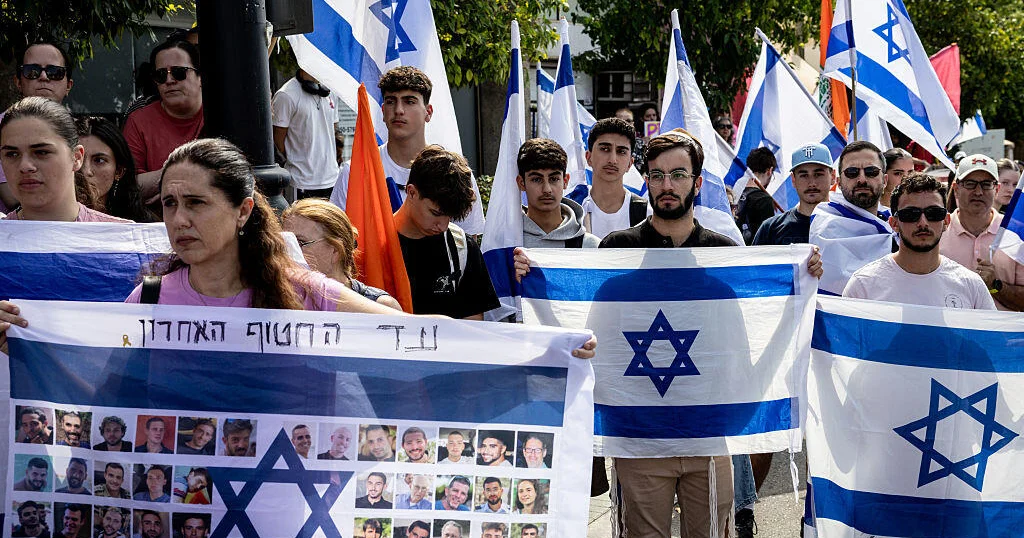
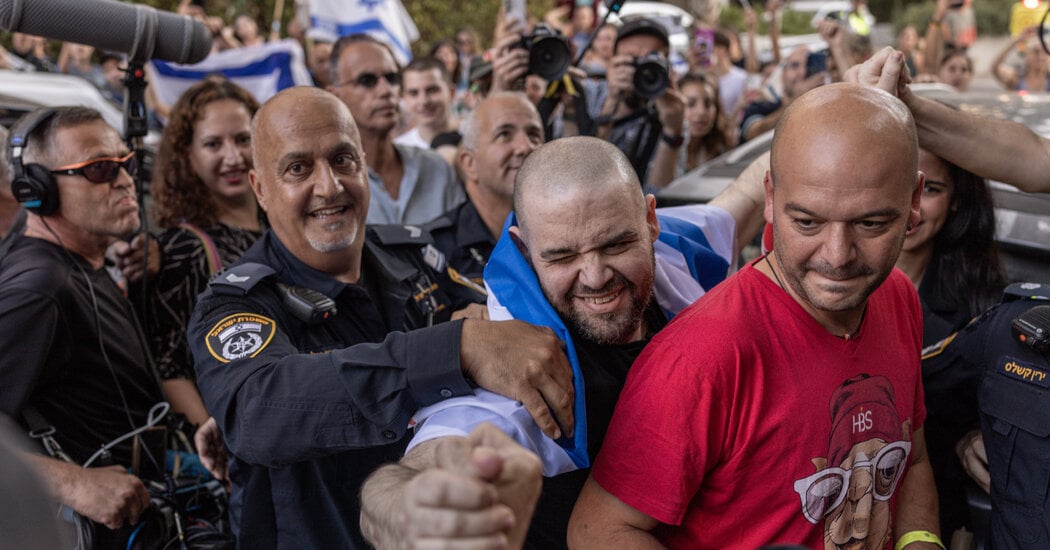
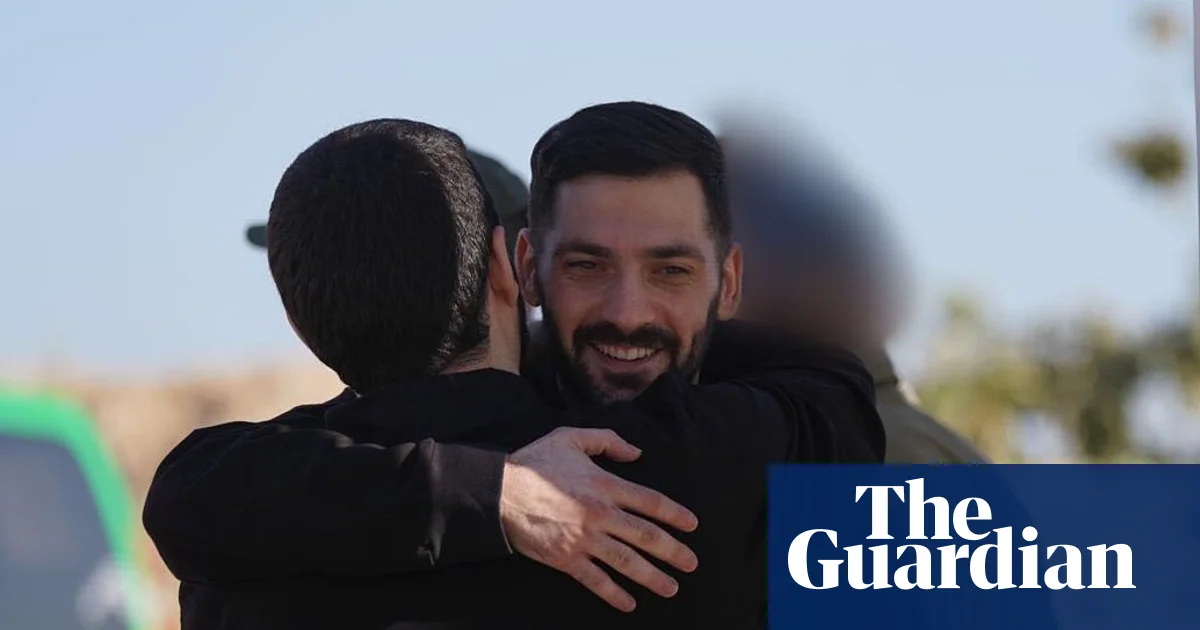
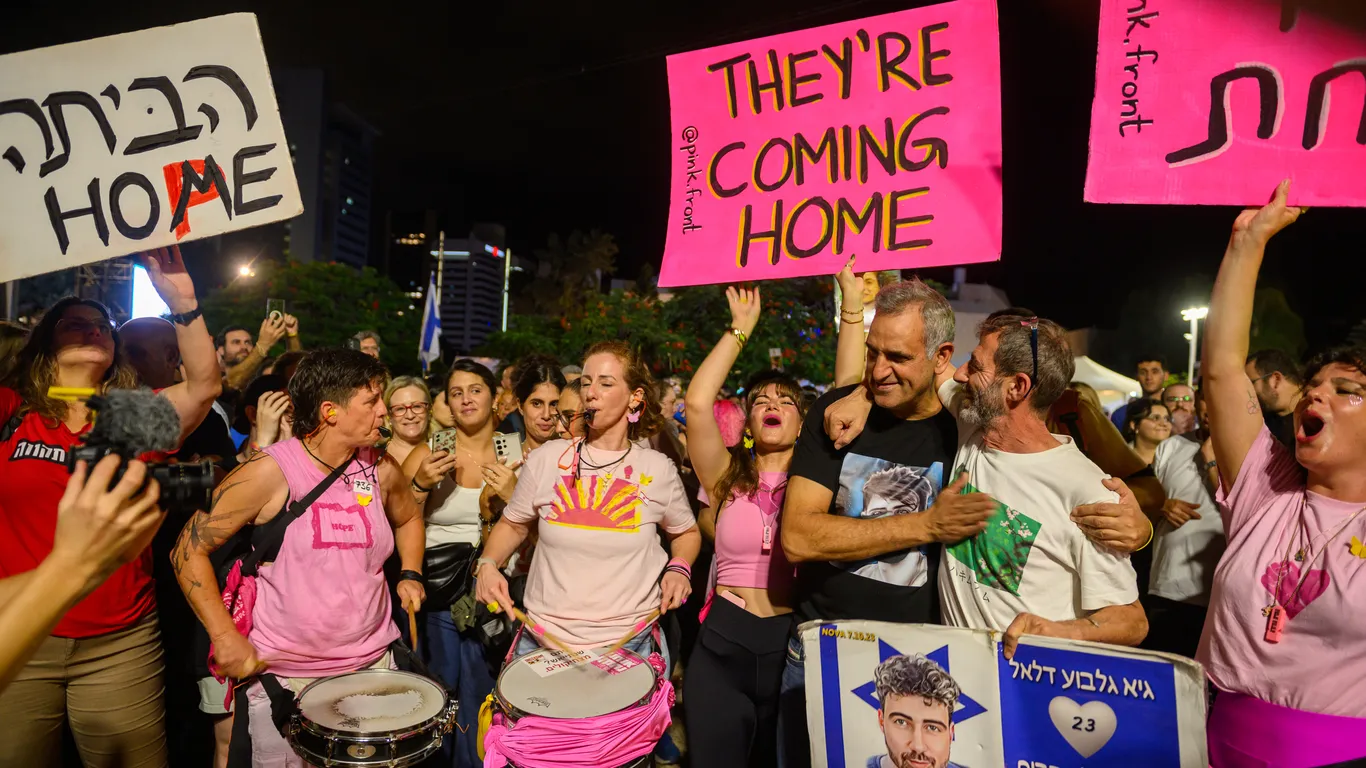
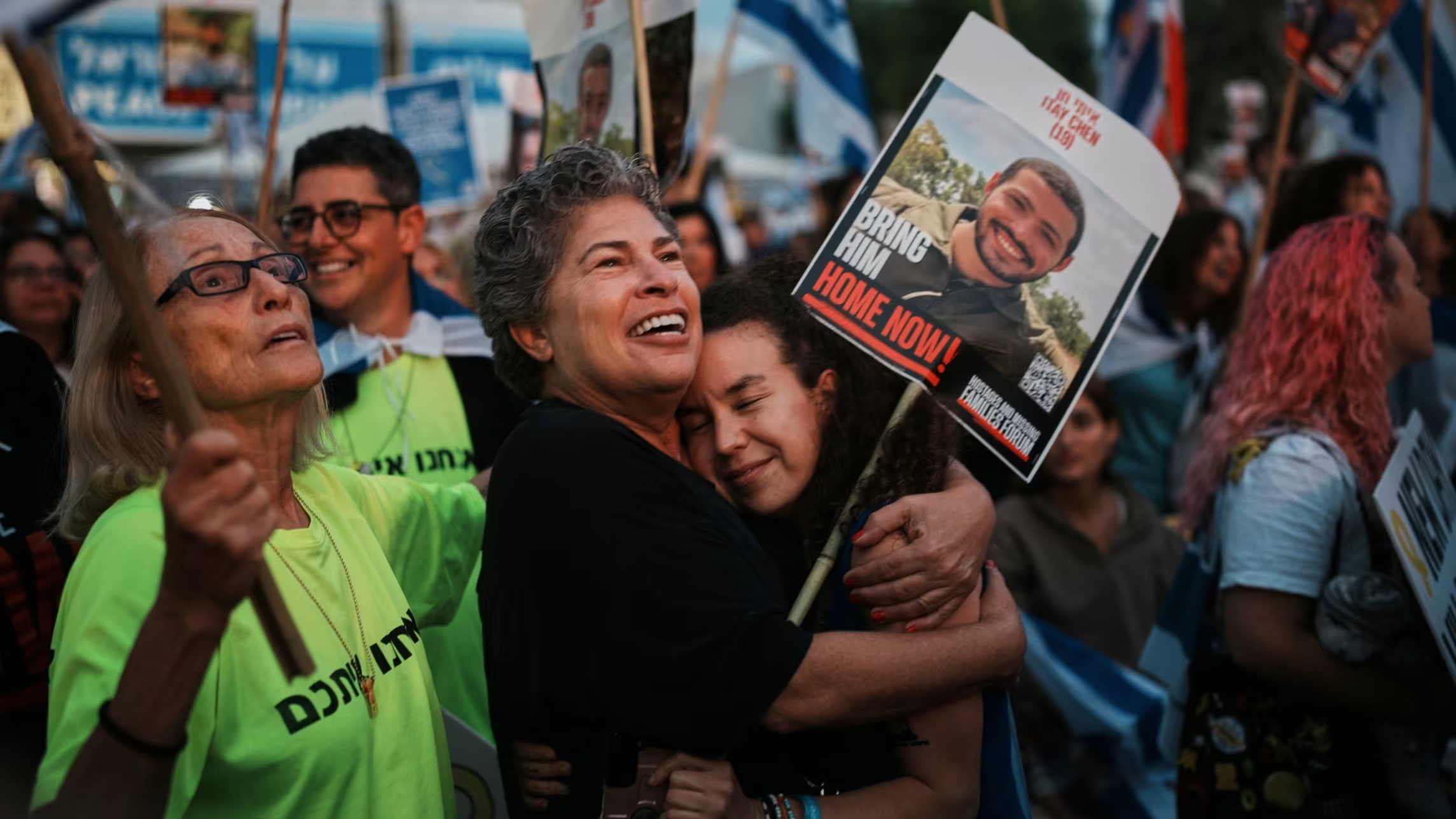
The article features images of Israeli hostages being reunited with their families after over two years in captivity, as part of a prisoner swap and ceasefire deal between Israel and Hamas, highlighting emotional reunions and family reactions.
Hamas released seven Israeli hostages as part of a Gaza peace deal brokered by the Trump administration, which also involves the release of Palestinian prisoners and the retrieval of deceased hostages' bodies, marking a significant step towards ending the conflict after two years of violence.
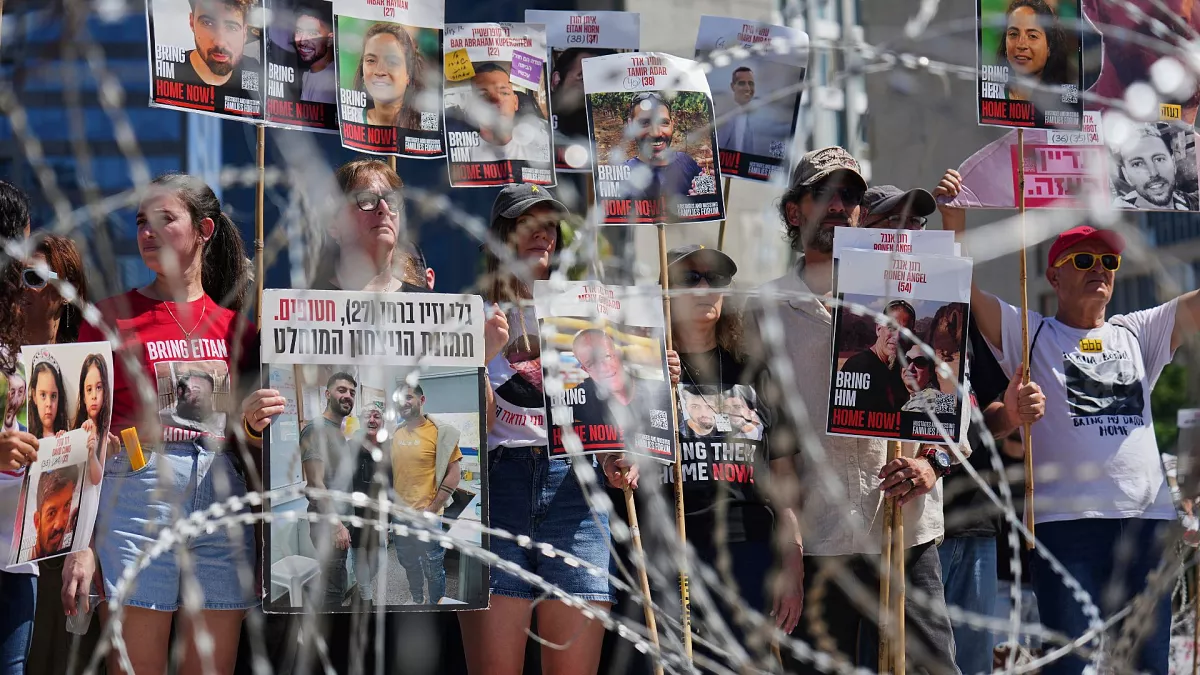
Relatives of Israeli hostages warn that an Israeli operation to take Gaza City would be deadly for the captives, amid international calls for a ceasefire and warnings of a humanitarian catastrophe in Gaza due to ongoing conflict and insufficient aid. Israel is preparing for a potential large-scale military offensive, while negotiations for a ceasefire, including hostage releases, are ongoing, with significant domestic and international opposition to further escalation.
Western leaders condemned Hamas videos showing emaciated Israeli hostages in Gaza, calling for their immediate and unconditional release amid concerns over their dire conditions and the need for urgent humanitarian aid. The videos depict the hostages in distress, with international leaders and organizations demanding action and access to provide aid and ensure their safety.
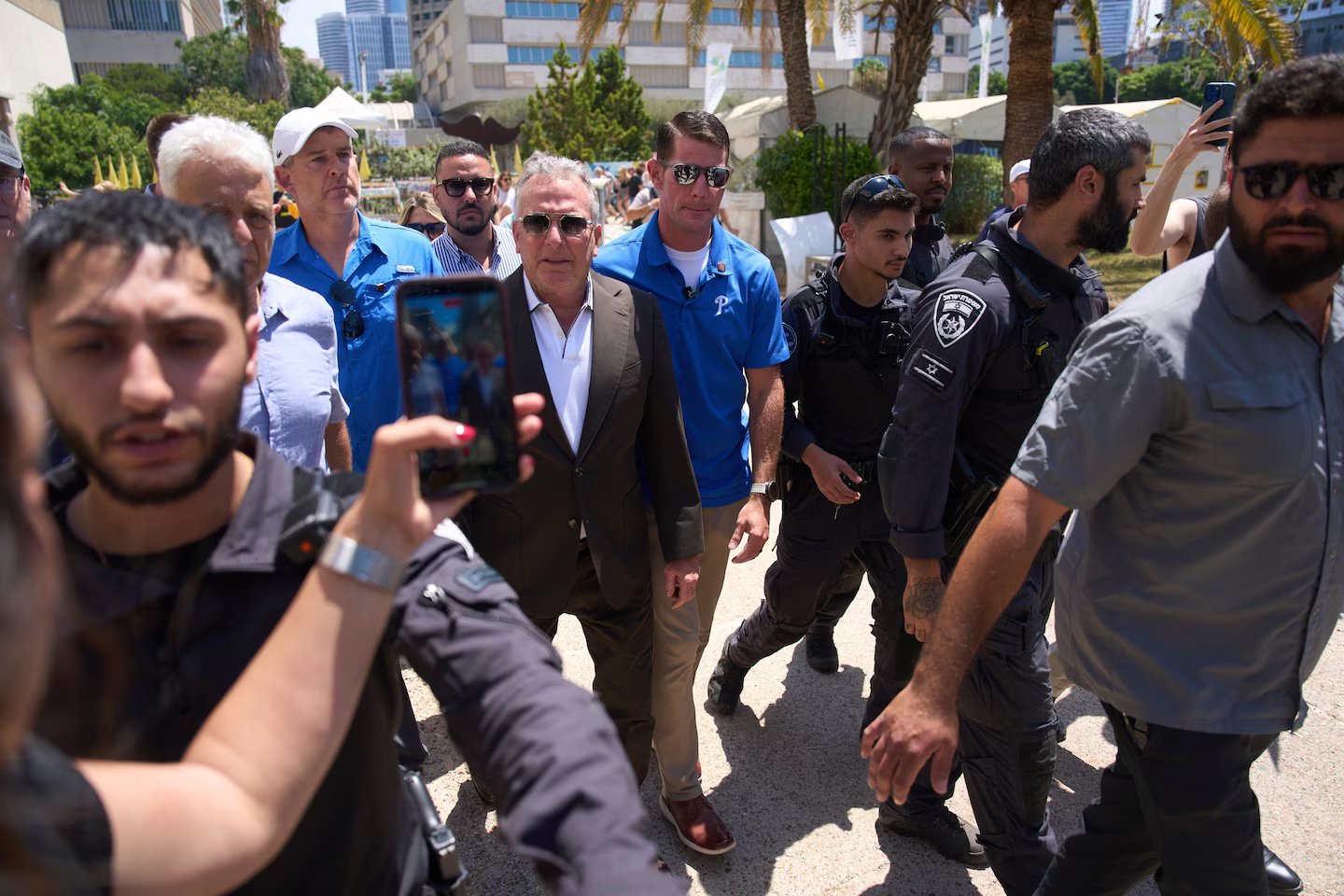
Steve Witkoff, a U.S. envoy, informed Israeli hostage families that the U.S. has a comprehensive plan to free all remaining hostages held by Hamas and that a resolution to the conflict is imminent.
Omer Shem Tov, a young Israeli hostage seized during the October 2023 Hamas attack, survived 505 days in captivity by turning to faith, prayer, and Jewish rituals, which provided him strength and hope throughout his ordeal.
Hamas has proposed a three-stage plan for releasing hostages and lifting the siege on the Gaza Strip following a 41-day cease-fire, with a senior U.S. official stating that Hamas leader Sinwar is willing to keep hostages, including young women, elderly, and wounded individuals, even if it means no immediate cease-fire.