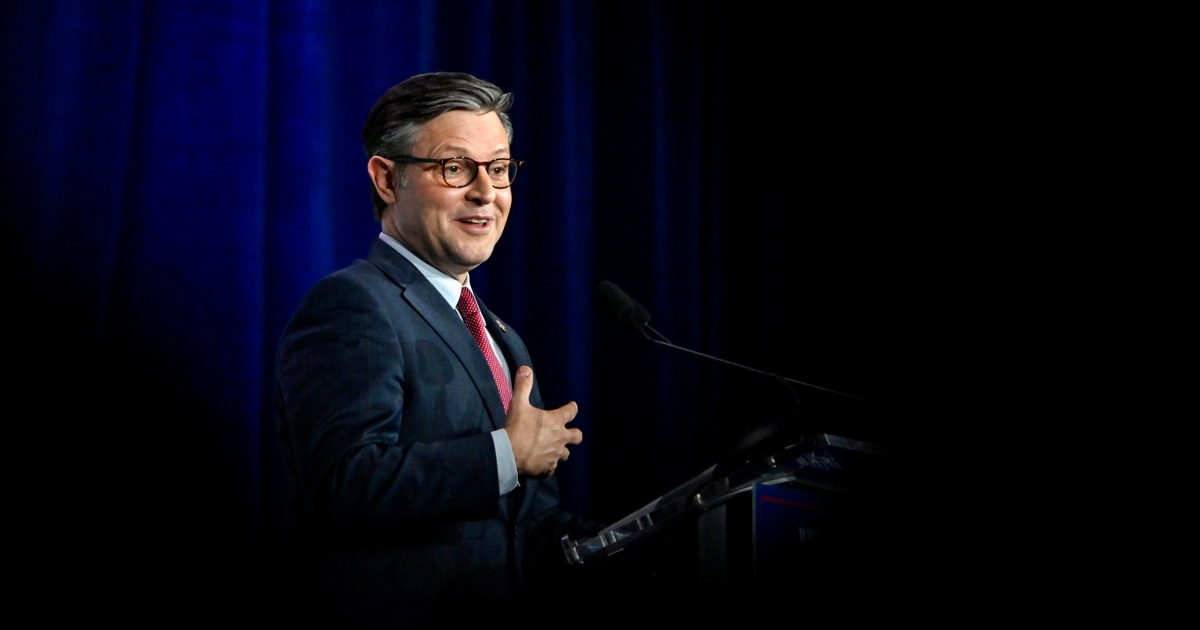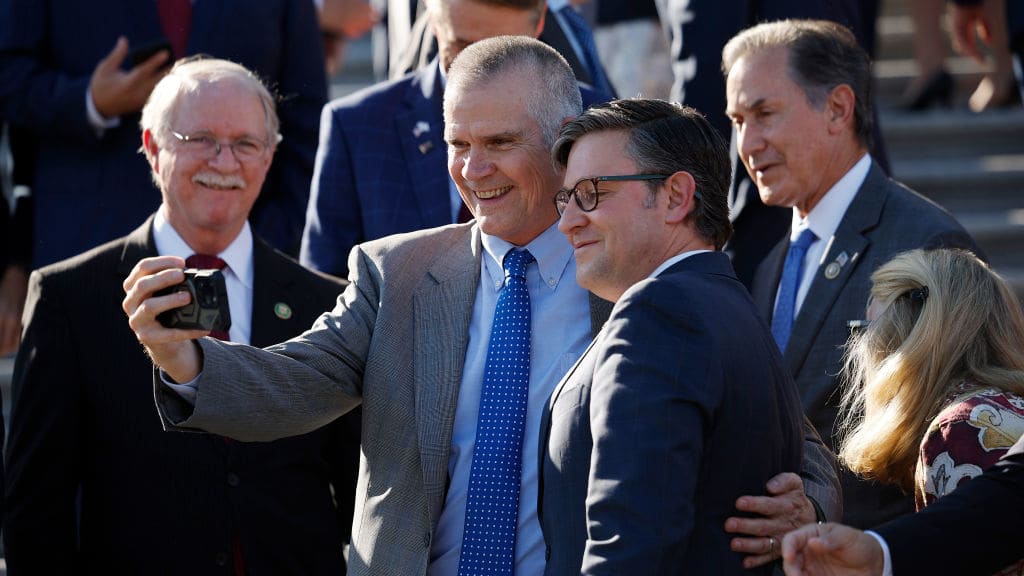
Speaker Mike Johnson reportedly traded Rep. Matt Rosendale's vote on an Israel aid bill for an endorsement in his Senate bid, but faced backlash and ultimately reneged on the endorsement. Rosendale's vote for the aid bill, despite previous opposition, raised eyebrows. Both Johnson and Rosendale denied the reported trade, but sources familiar with the negotiations confirmed it. The situation reflects internal GOP tensions and strategic miscalculations as Rosendale prepares to officially launch his Senate campaign.
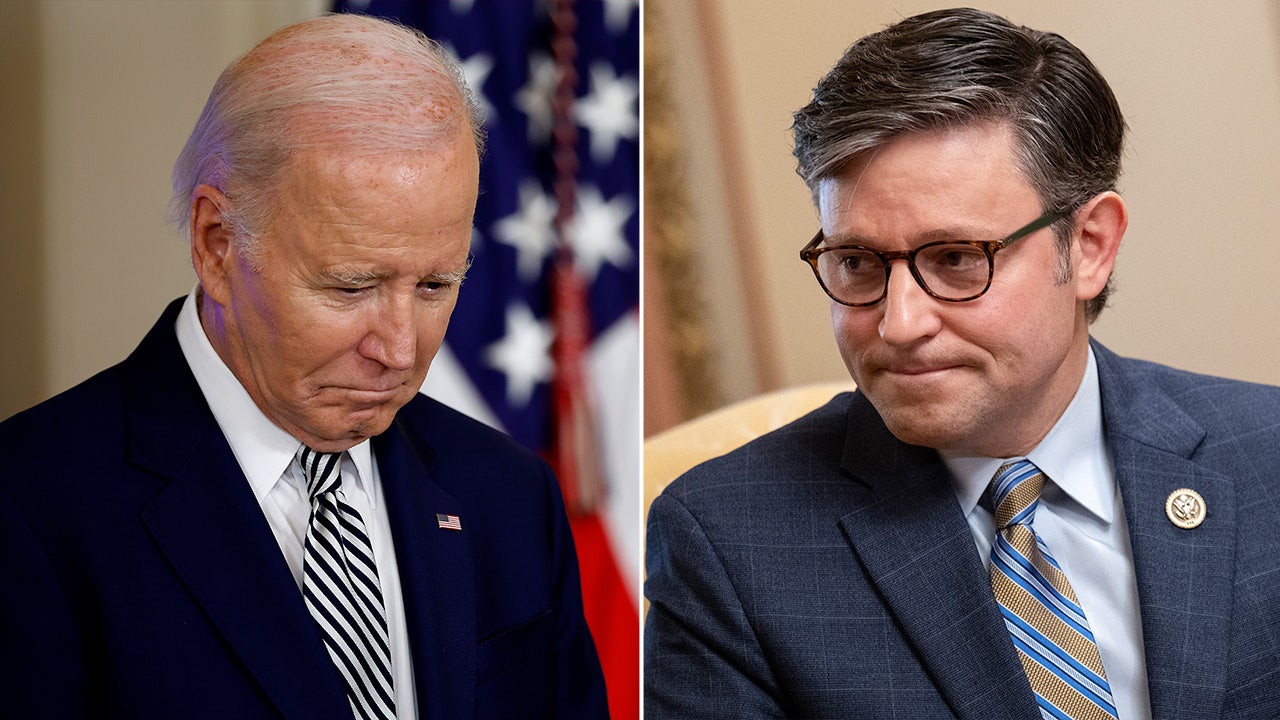
House Speaker Mike Johnson criticized President Biden for threatening to veto a $17.6 billion Israel aid bill, calling it an "act of betrayal" as Israel fights against Hamas. The White House labeled the bill a "cynical political maneuver" in response to bipartisan negotiations on security funding and border policy. Johnson aims to fast-track the bill, bypassing a procedural hurdle, but faces opposition from Senate Democrats.
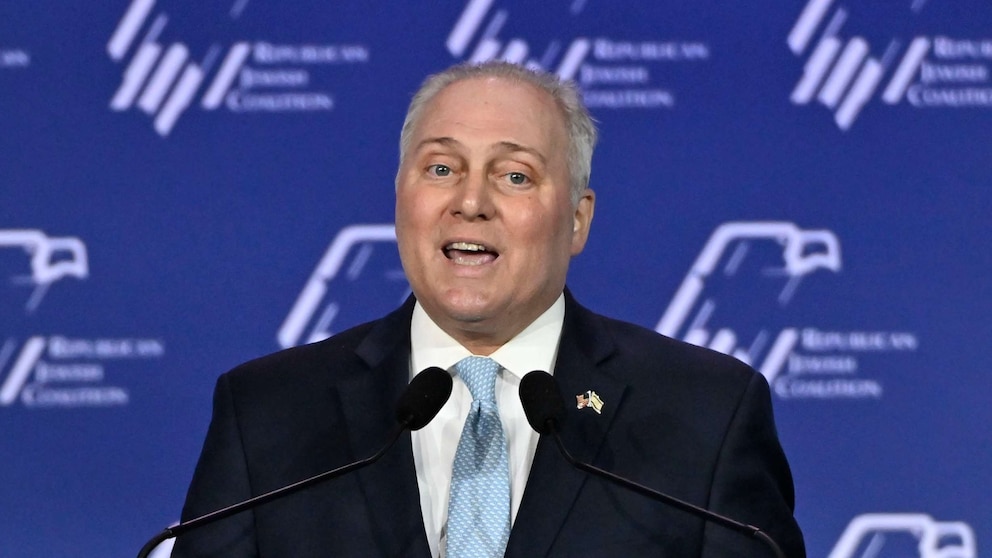
House Majority Leader Steve Scalise defended Republicans' decision to cut funding for the IRS in order to provide aid to Israel in its conflict with Hamas. Scalise argued that addressing the national debt was crucial and that the IRS had received increased funding despite conservative criticism. He also refused to unequivocally state that the 2020 election was not stolen, instead raising concerns about changes to voting rules during the pandemic. Scalise's comments came during an interview with ABC's George Stephanopoulos.
The House Republican bill to provide aid to Israel will add $26.8 billion to the U.S. budget deficit, according to the Congressional Budget Office. The bill pairs aid to Israel with cuts to IRS funding, but the CBO found that the IRS cuts coupled with the Israel aid would lead to a decline in revenue, contradicting the goal of offsetting the aid. The bill is facing criticism from Democrats, who argue that it prioritizes helping wealthy tax cheats over addressing the national debt. Senate Democrats have made it clear that the bill won't pass the upper chamber.