Investments in alternatives are projected to reach $32 trillion by 2030, driven mainly by wealthy investors such as ultra-high-net-worth individuals and family offices, with private equity and private credit expected to see significant growth amid a recovering market and AI boom, despite recent declines in institutional fundraising.
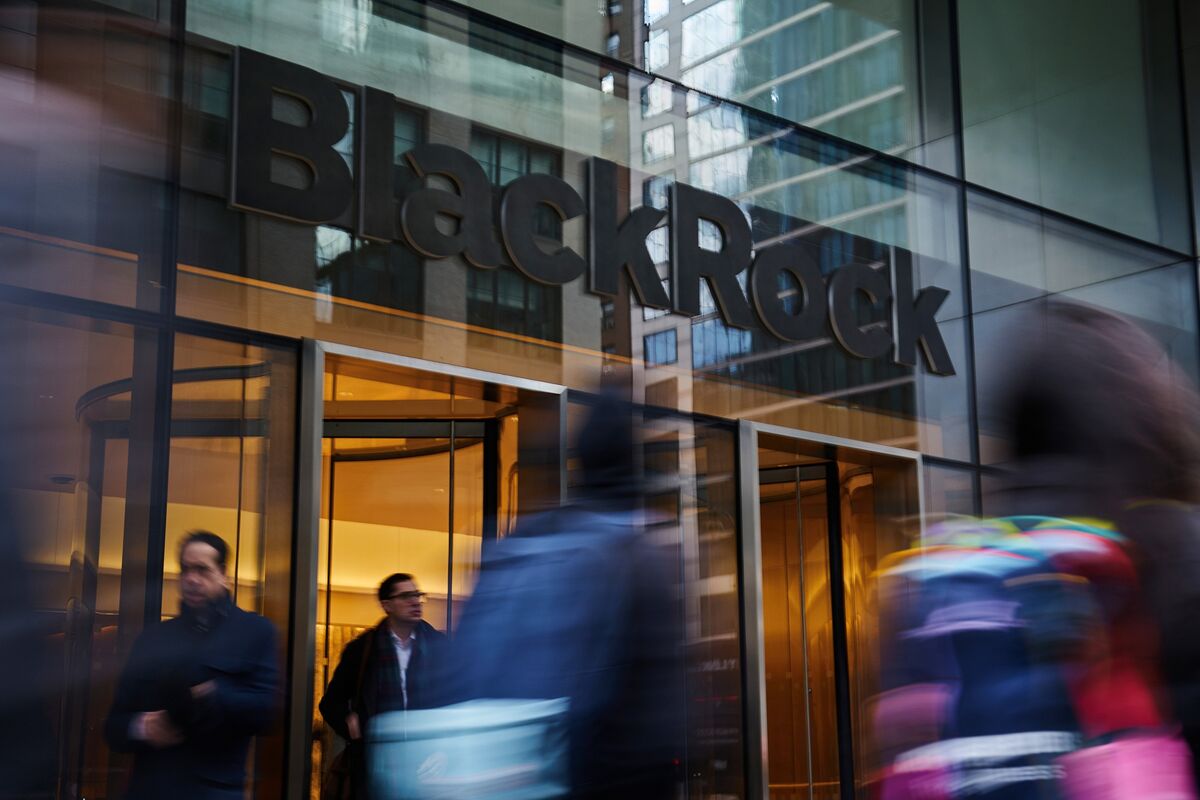
BlackRock achieved a record $13.5 trillion in assets under management in Q3, pulling in $205 billion in client funds, driven by growth in private credit, alternative assets, and digital asset initiatives, despite higher costs and strategic acquisitions.
The new 'Trump accounts' will be available for U.S. children born from 2025-2028, offering a government initial contribution of $1,000 and allowing families to contribute up to $5,000 annually, with potential growth to over $100,000 by age 21 and $2 million by age 60 through investments in stock index funds, providing a long-term wealth-building tool for families.
The US government is launching 'Trump accounts' for newborns, offering a $1,000 seed money as part of a new law, with the aim of encouraging early investment and savings for children, structured similarly to IRAs and invested in stock funds, available from July 2025.
Financial advisors recommend that after saving enough money to receive the full employer match in a 401(k) plan, individuals should prioritize saving their next dollars in a health savings account (HSA) if available. HSAs offer unique tax benefits, including tax-free contributions, tax-deferred investment growth, and tax-free withdrawals for eligible medical expenses. A recent analysis by Vanguard shows that a $1 investment in an HSA would yield $4.29 over 25 years, compared to $2.98 in a pre-tax or Roth IRA. HSAs also allow for investment and portability, making them a valuable tool for retirement preparation. However, not everyone has access to an HSA, as they are only available to those enrolled in a high-deductible health plan. The order of operations for saving money generally involves maximizing employer matches, prioritizing HSAs, and then considering other savings options based on individual circumstances.