
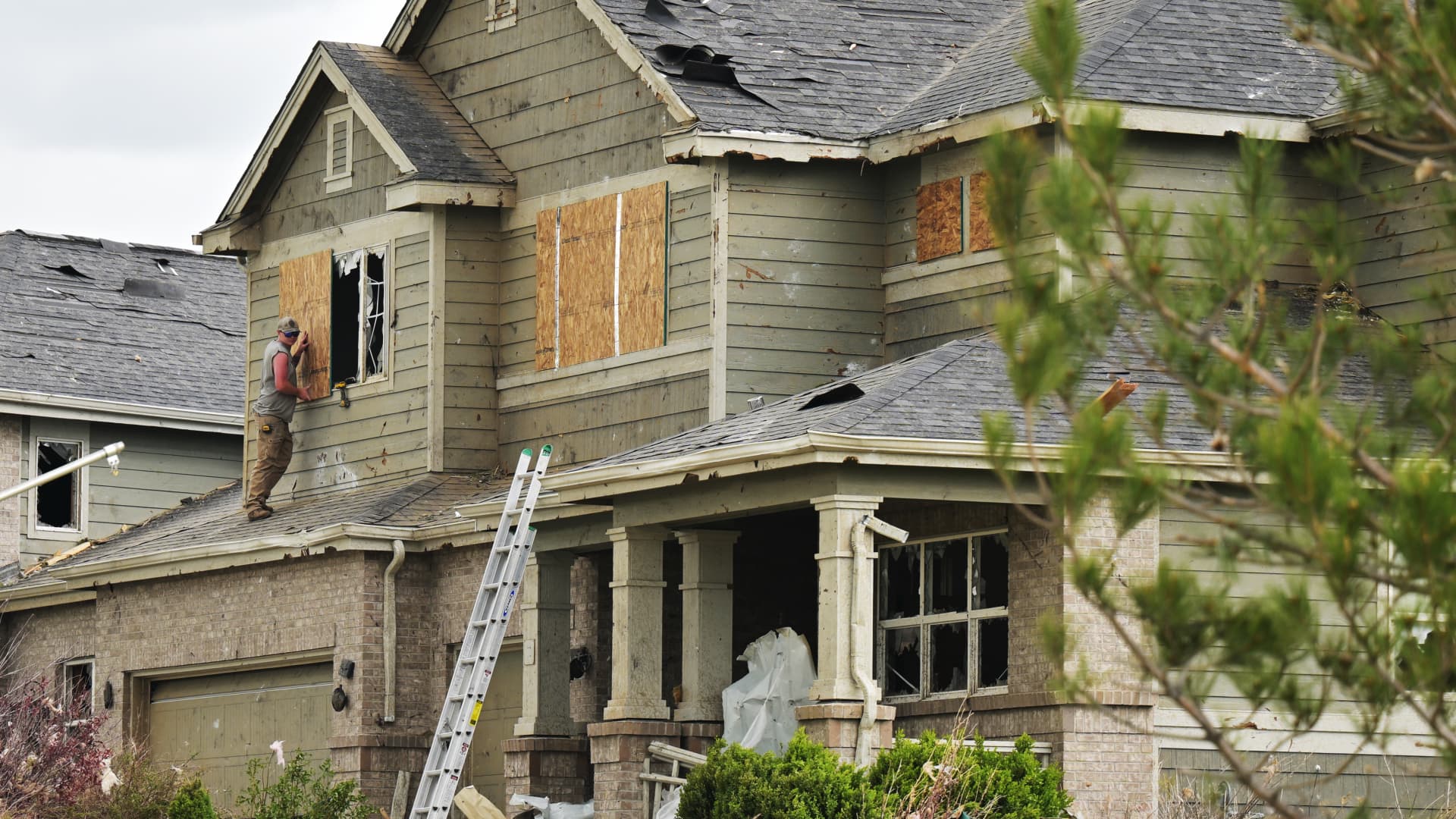
Global insured losses in the first half of 2025 reached $84 billion, the highest since 2011, driven by severe weather events and wildfires, with projections indicating annual losses could surpass $100 billion, reflecting increasing costs due to climate-related disasters and rising housing expenses.
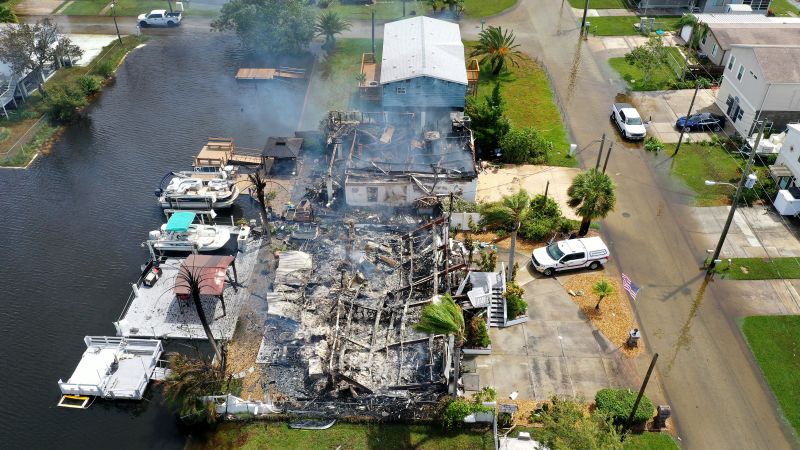
Hurricane Idalia is estimated to have caused between $12 billion and $20 billion in damage and lost output, according to Moody's Analytics. While the price tag is significant, it is considerably lower than other major hurricanes due to the storm's relatively fast speed and its landfall in Florida's Big Bend, an area with fewer people and lower property values. Moody's warns that as climate change leads to more frequent and intense storms, events like Hurricane Idalia will become more common in the future. Official estimates of insured losses will be released by Moody's RMS in the coming weeks.
Intense thunderstorms in the U.S. during the first half of 2023 resulted in a record-breaking $34 billion in insured losses, according to a Swiss Re report. Texas was the most affected state, with over $7.2 billion in insurance losses. Globally, severe thunderstorms accounted for nearly 70% of insured natural catastrophe losses in the same period. The increase in insured losses is attributed to a warming climate and rapid urbanization. Overall, insured losses from natural catastrophes in the first half of 2023 reached $50 billion, surpassing the 10-year average by 42%.