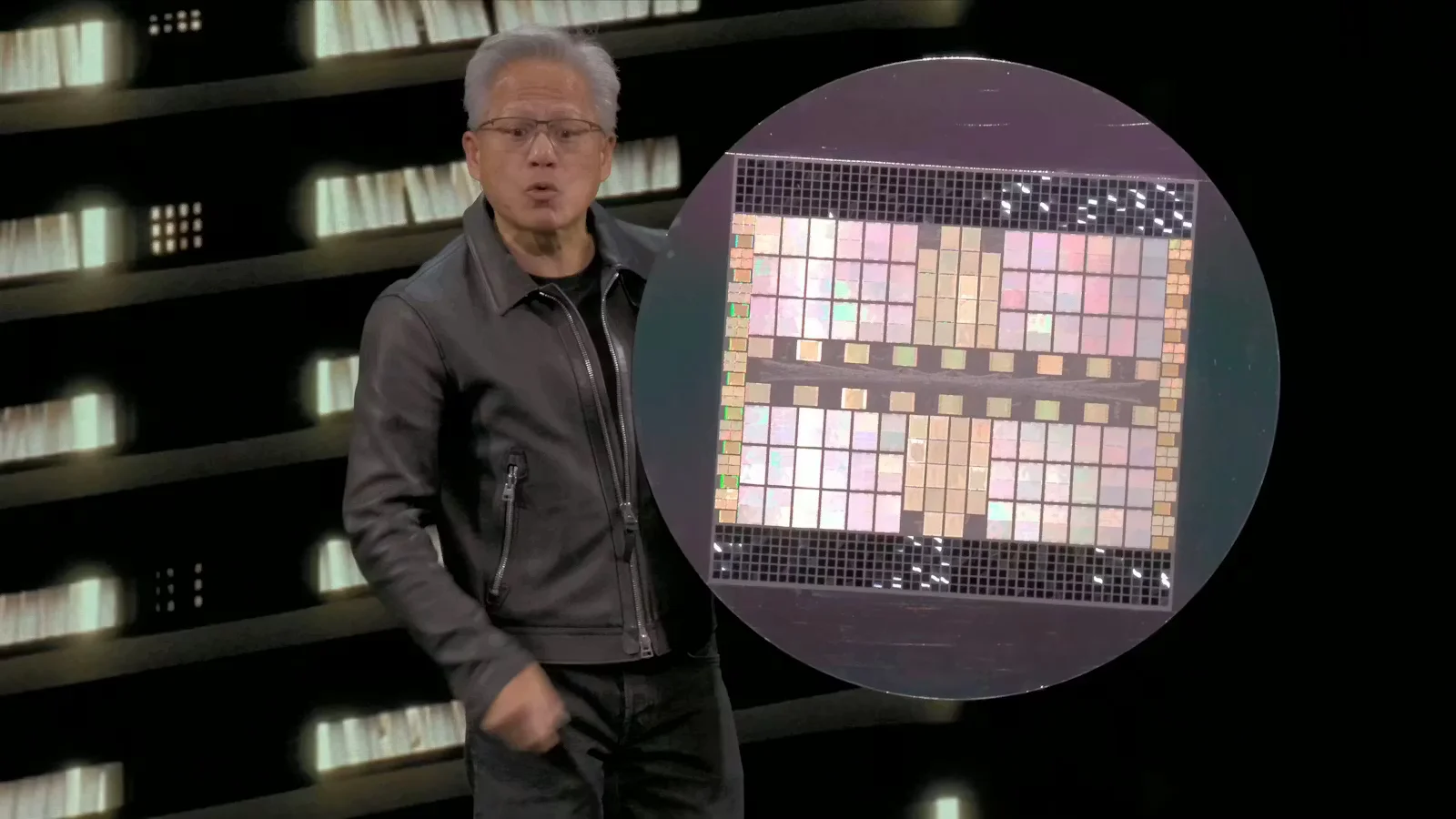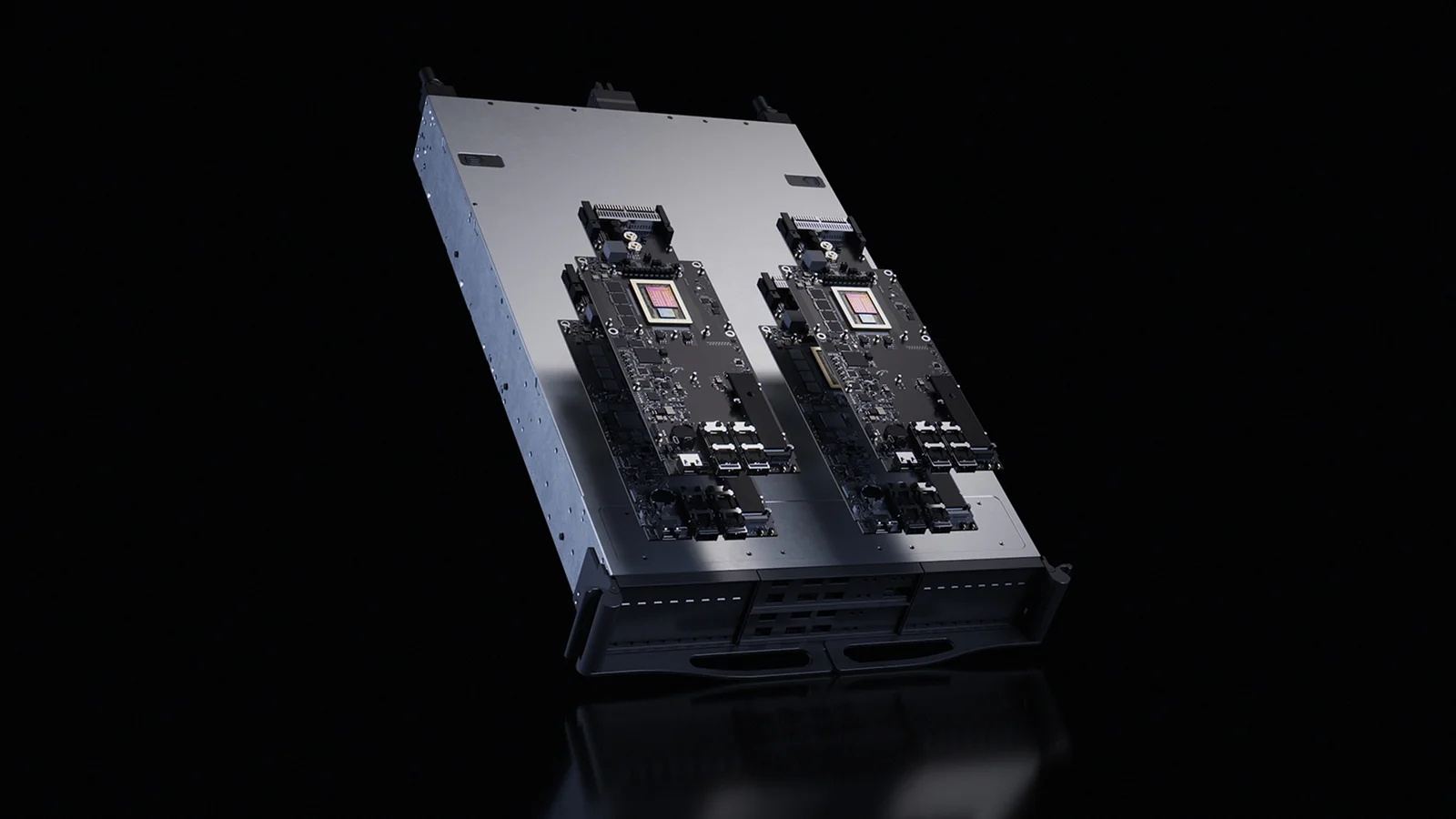
NVIDIA has announced the BlueField-4 data processor powering a new AI-native storage platform designed to enhance long-term memory and context sharing for large-scale AI inference, boosting performance and efficiency for multi-agent AI systems, with availability expected in late 2026.
Nvidia's CEO Jensen Huang addressed investor concerns about the company's future growth amid new AI model improvement methods like "test-time scaling," which enhances AI inference by adding more compute power. Despite competition from startups developing fast AI inference chips, Huang emphasized Nvidia's strong position in the market, noting that while most workloads currently focus on pretraining, the future will see increased AI inference. He reassured investors of Nvidia's scale and reliability, aligning with industry leaders like Microsoft's Satya Nadella on the significance of these developments.
Intel's CEO, Pat Gelsinger, stated that the entire industry is motivated to eliminate NVIDIA's CUDA dominance in the AI market. Intel believes that the future of AI lies in inference rather than training models and aims to prioritize inference developments. Gelsinger sees NVIDIA's success as a temporary "bubble" and believes that the industry will adopt new training methods to bring a broader set of technologies. Intel praised its OpenVINO model and aims to transition towards next-gen markets. However, Intel needs to do more work to challenge CUDA's dominance, and for now, NVIDIA remains the leader in the AI segment.
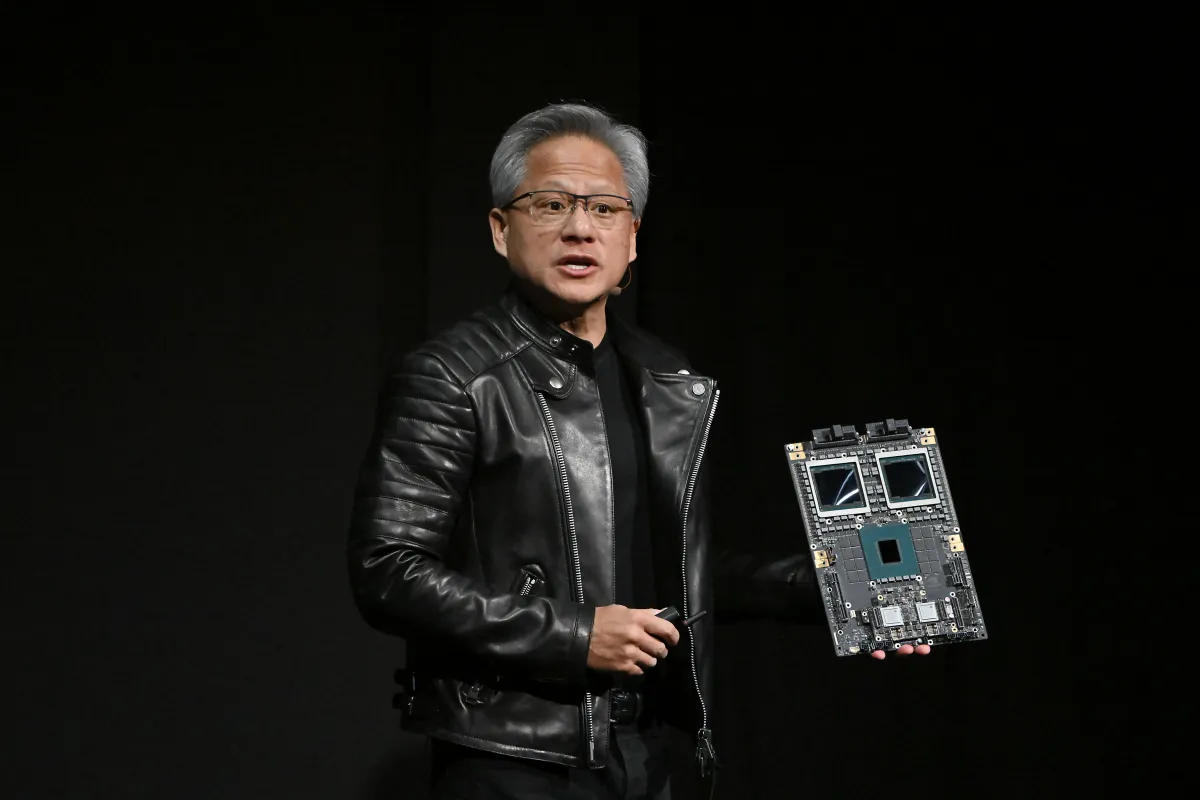
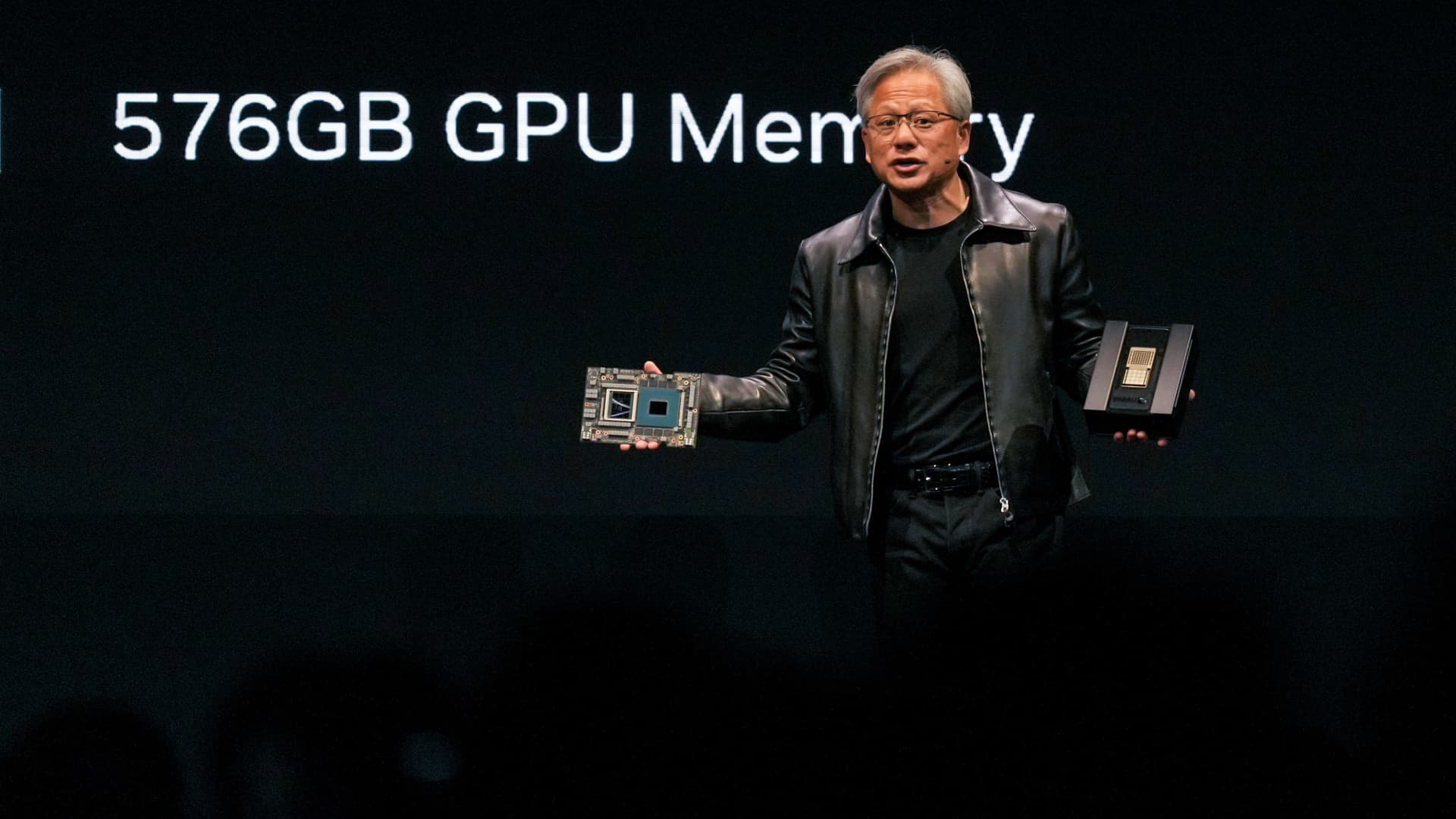
Nvidia has unveiled its new AI chip, the GH200, designed for running artificial intelligence models. The chip features a powerful GPU paired with 141GB of cutting-edge memory and a 72-core ARM central processor. Nvidia aims to address the increasing demand for GPU capacity by offering a chip that allows larger AI models to fit on a single system, reducing the need for multiple GPUs. The company expects the new chip to significantly lower the costs of running large language models for inference, making it more accessible for various applications. Nvidia's announcement comes as it faces competition from rivals such as AMD, Google, and Amazon in the AI hardware space.