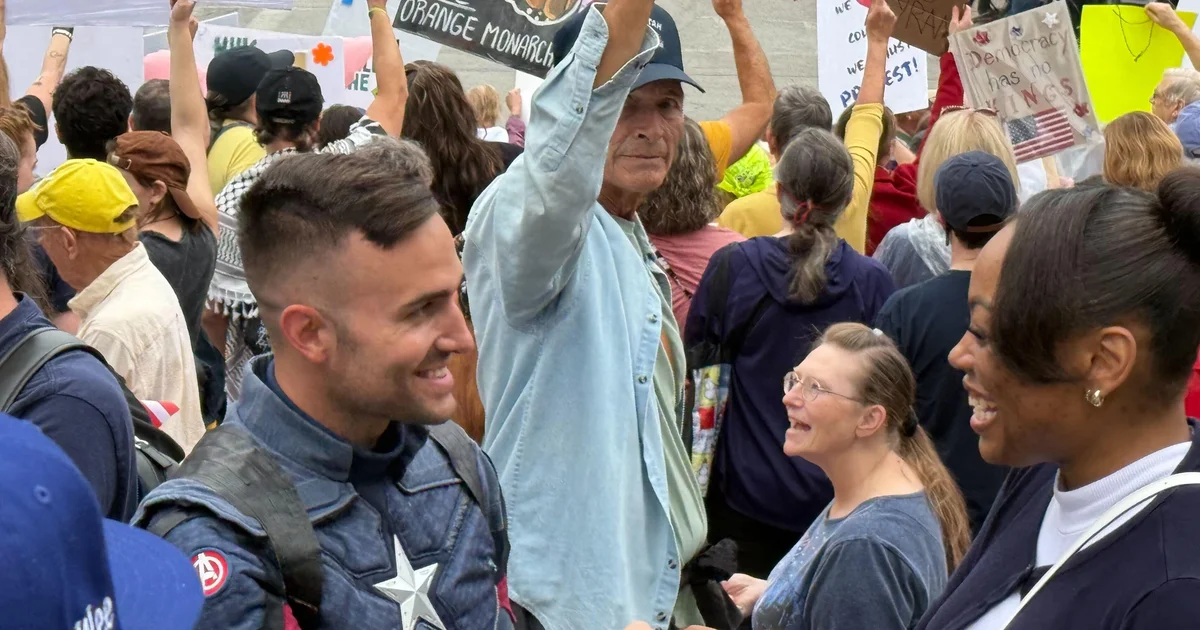
Two Illinois National Guard members publicly oppose deploying in Chicago for immigration enforcement, citing moral objections and concerns over misuse of military force, amid legal and political tensions surrounding the operation.
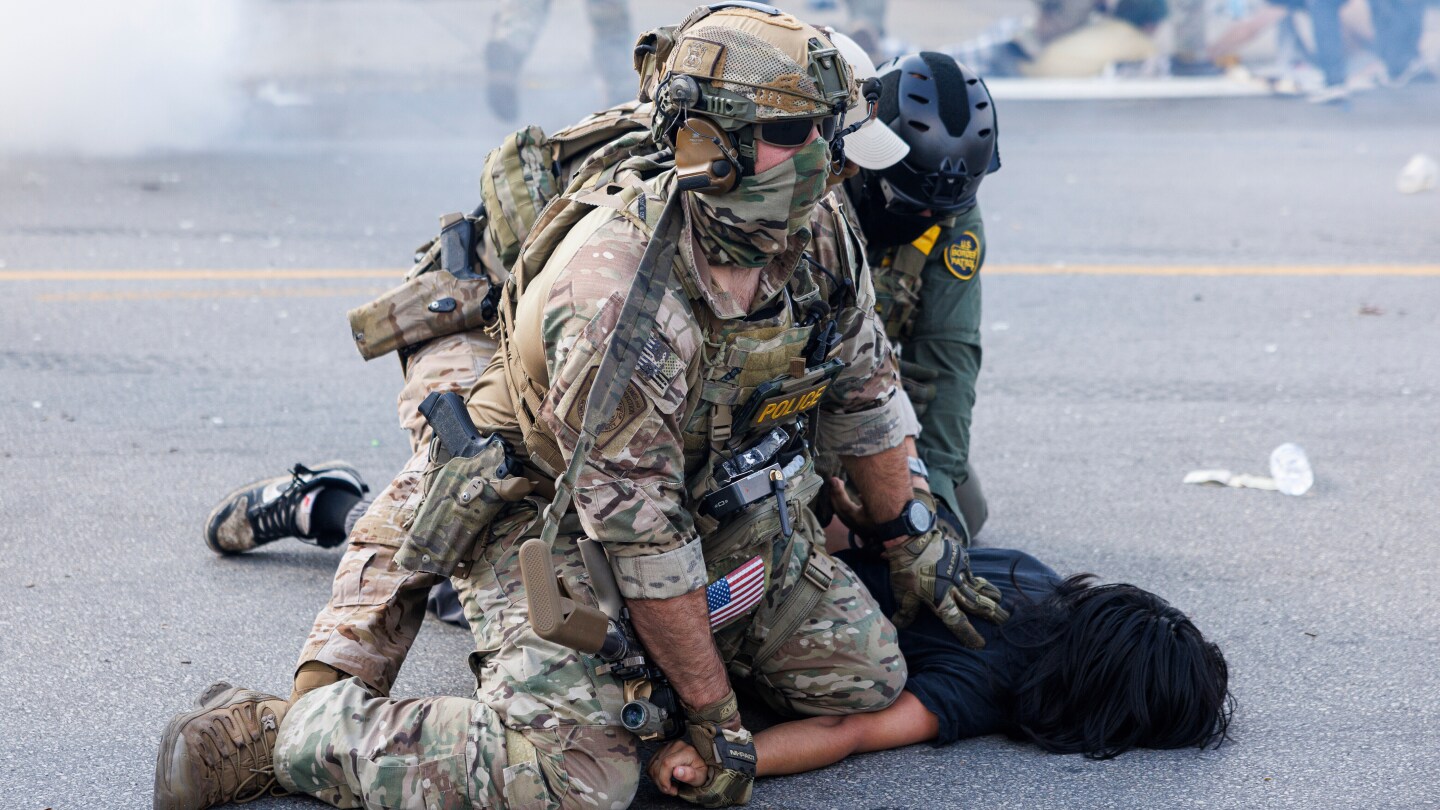
Active Illinois National Guard members express their views on recent troop activations in Chicago, with some refusing to comply with orders they consider unlawful, citing constitutional and legal concerns, amid ongoing legal and political debates over their deployment and the use of military force in civilian settings.
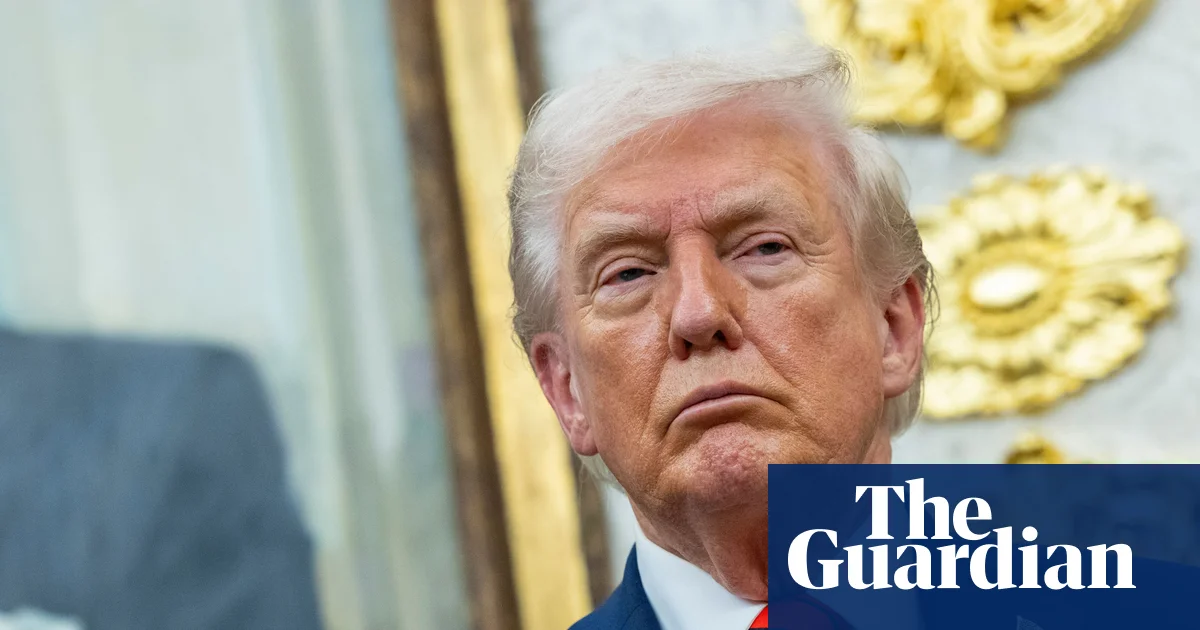
Donald Trump announced he is using his authority to ensure US military troops are paid despite the ongoing government shutdown, while also participating in international efforts such as chairing a Gaza peace summit with Egyptian President Abdel Fatah al-Sisi. The shutdown has led to legal and political debates, with Democrats refusing to compromise on healthcare issues, and court rulings affecting National Guard deployment in Illinois. Additionally, Trump and allies are exploiting recent events to attack critics and expand political narratives.
NPR reports that a memo obtained reveals Defense Secretary Pete Hegseth's plans for deploying the Illinois National Guard to Chicago, outlining the details of the proposed deployment.
President Trump plans to deploy up to 300 Illinois National Guard troops to protect federal facilities and personnel in Chicago for 60 days, despite opposition from Illinois Governor JB Pritzker and legal challenges, amid broader federal efforts to mobilize National Guard units in Portland and California.
The Trump administration plans to federalize 300 Illinois National Guard troops, prompting criticism from Illinois Governor JB Pritzker who condemns the move as an overreach and un-American, amid broader federal law enforcement deployments across the US, including efforts in Portland and Los Angeles.
President Trump plans to federalize the Illinois National Guard amid tensions with Governor Pritzker, citing concerns over public safety and control, following previous deployments in cities like Portland and Washington, despite legal and political opposition.