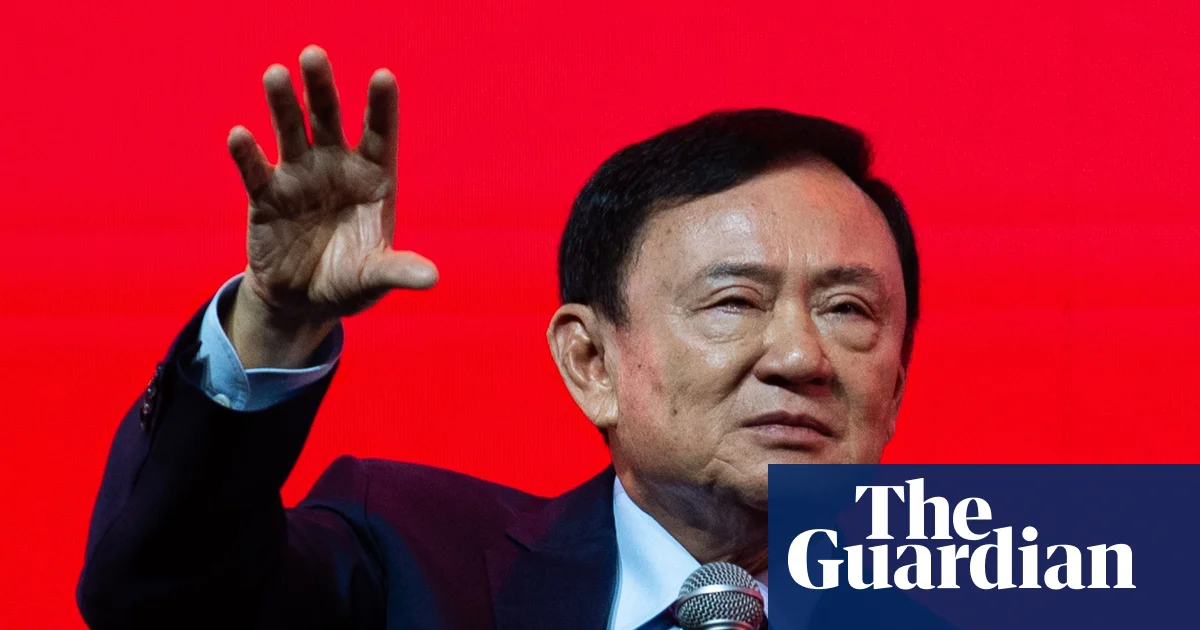
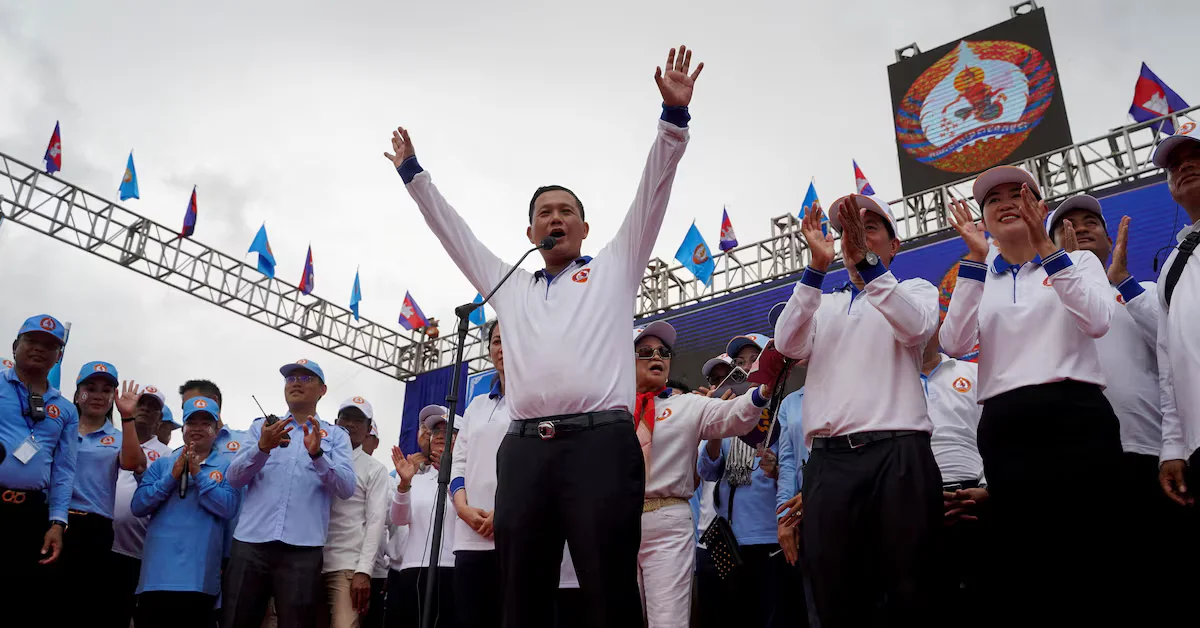
The ongoing border conflict between Thailand and Cambodia has been exacerbated by a personal feud between former leaders Hun Sen and Thaksin Shinawatra, whose deteriorating relationship has added volatility to the longstanding territorial dispute, leading to recent clashes and diplomatic tensions.
The long-standing border dispute between Thailand and Cambodia escalated into violence after political tensions, leaked conversations, and regional power plays, with both countries experiencing increased hostility and economic repercussions amid a lack of strong leadership and diplomatic resolution efforts.
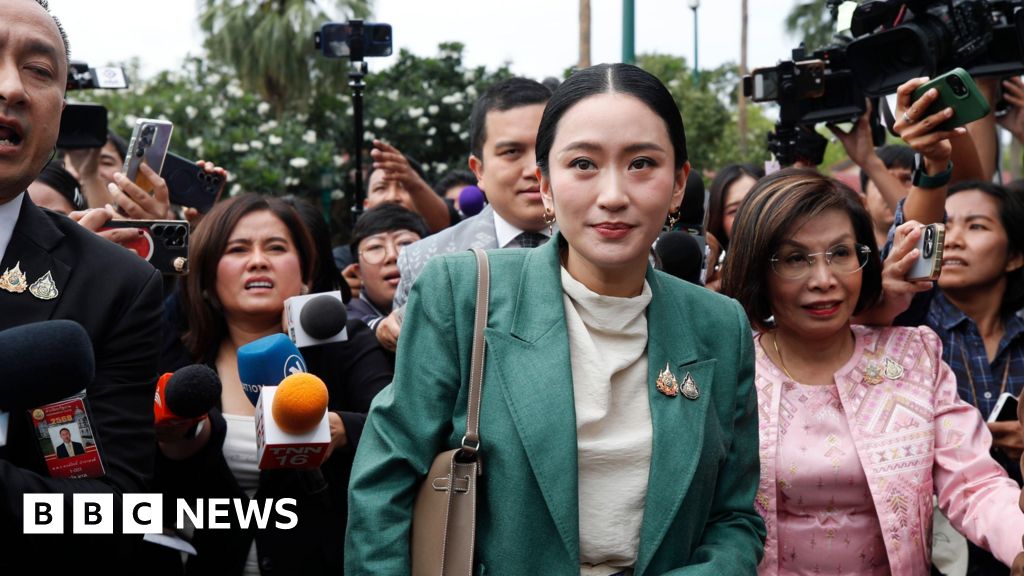
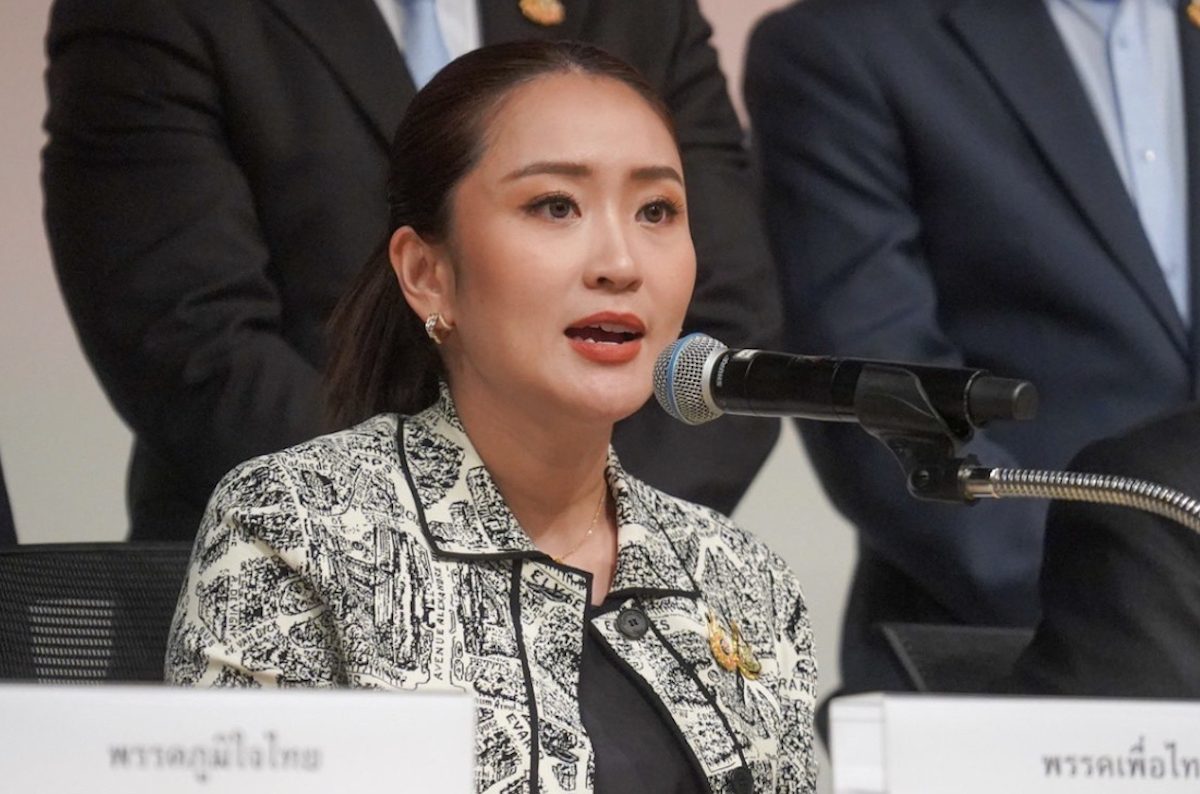
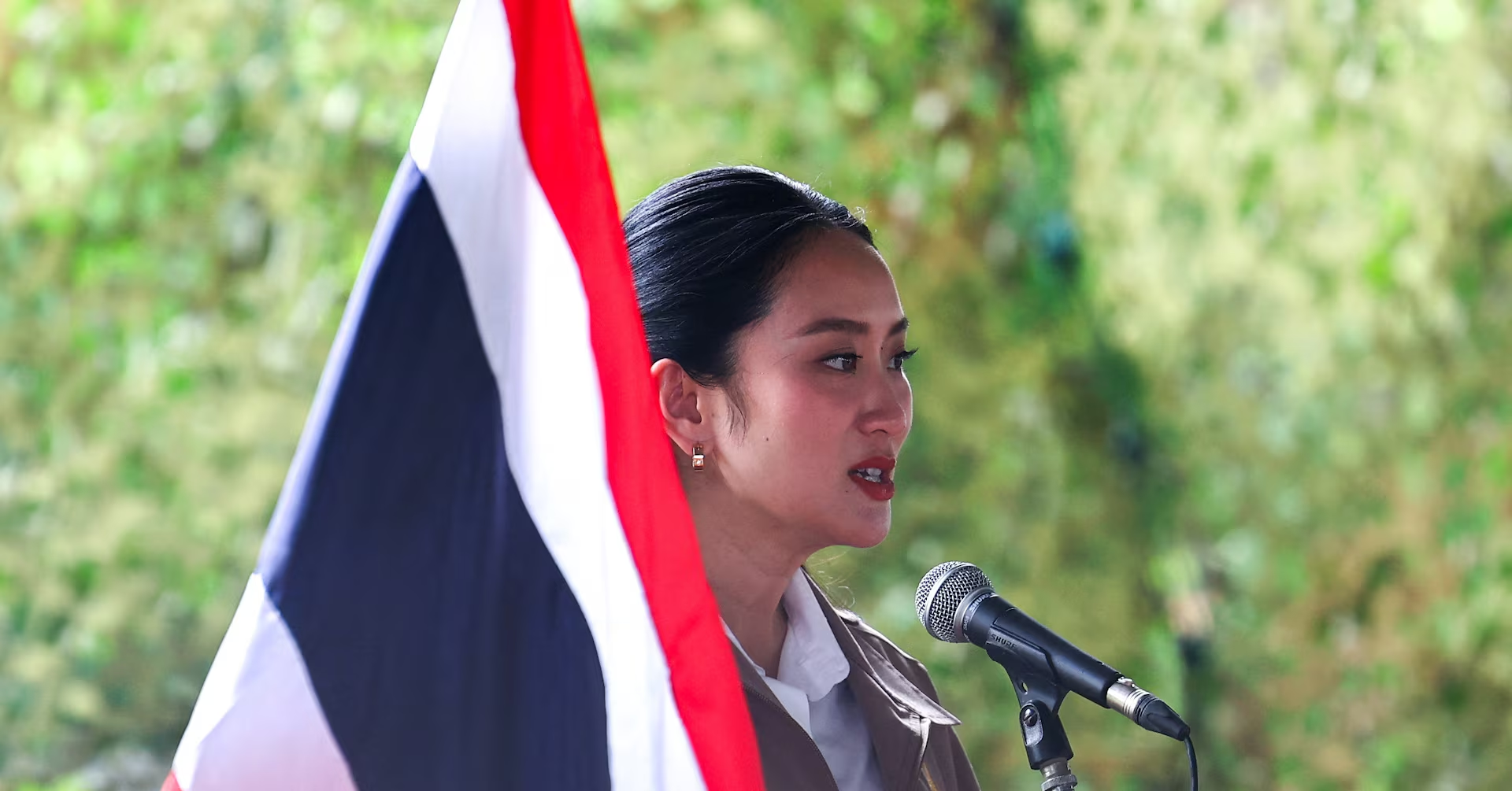
Thailand's Constitutional Court suspended Prime Minister Paetongtarn Shinawatra over ethical misconduct related to leaked phone calls criticizing military officials and Cambodia, amid escalating border tensions and political instability, with potential for further upheaval including a possible military coup.
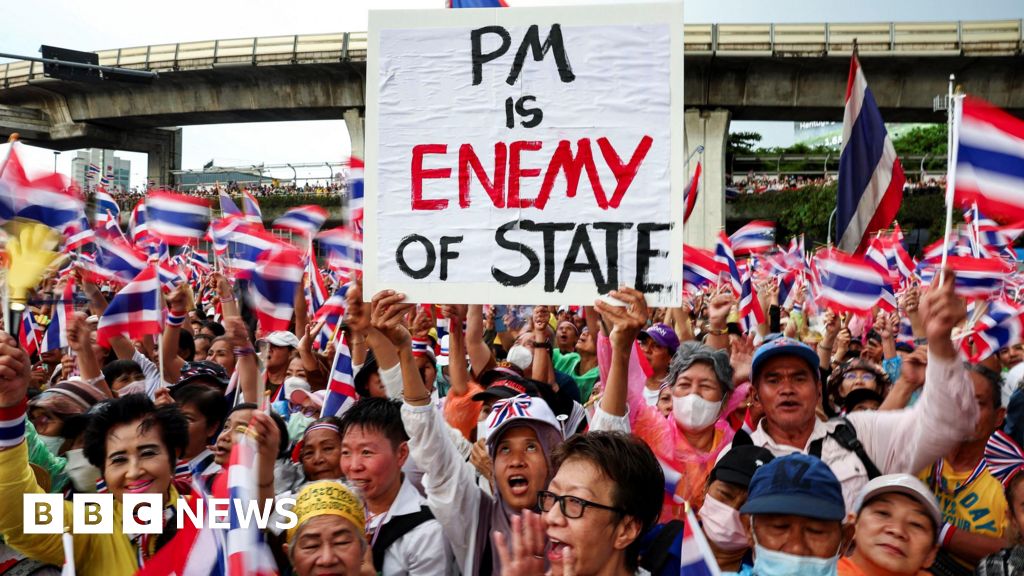
Thousands protested in Bangkok demanding the resignation of Prime Minister Paetongtarn Shinawatra following a leaked phone call with Cambodian leader Hun Sen, which sparked public outrage and political instability, with protests being the largest since her government took power in 2023.
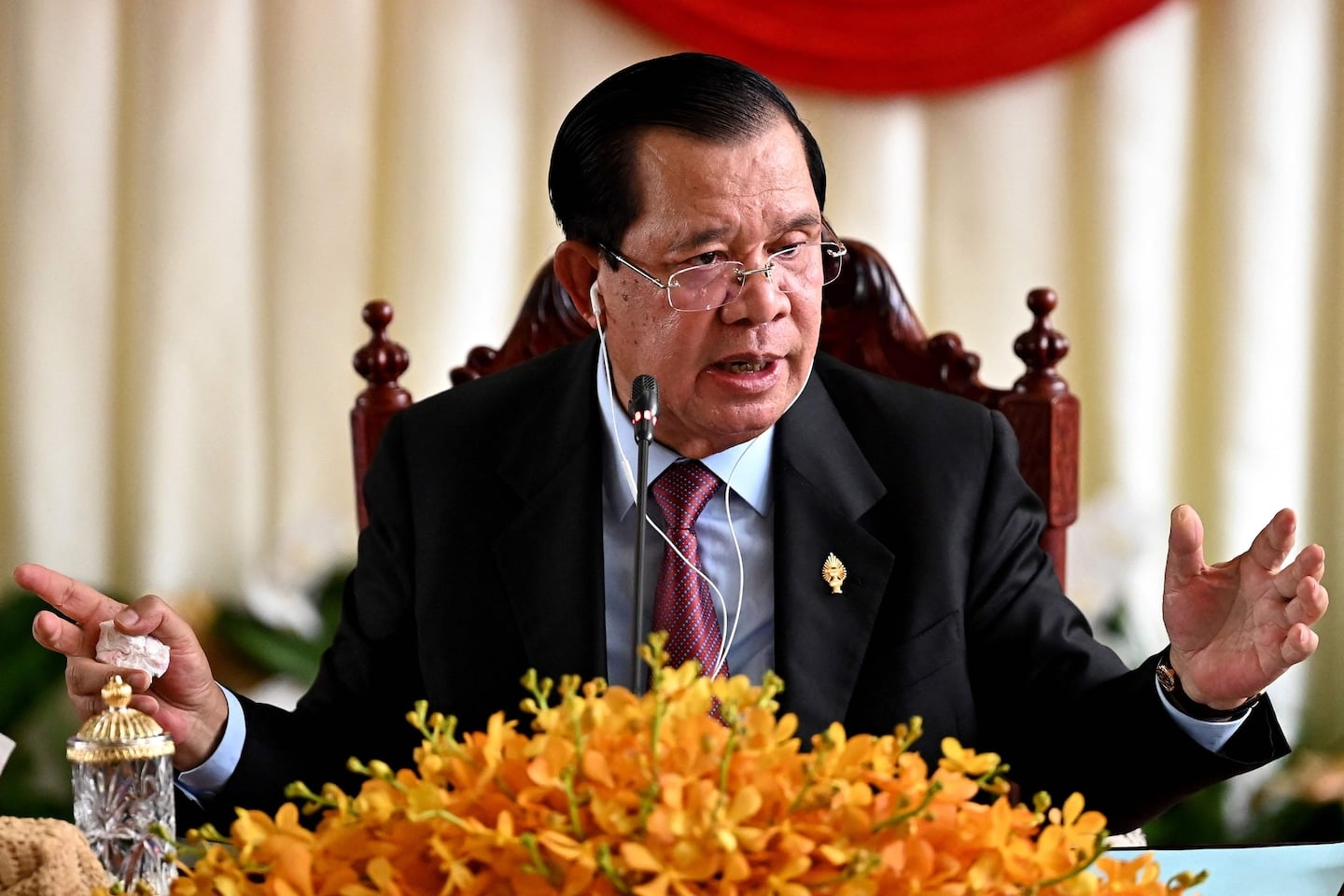
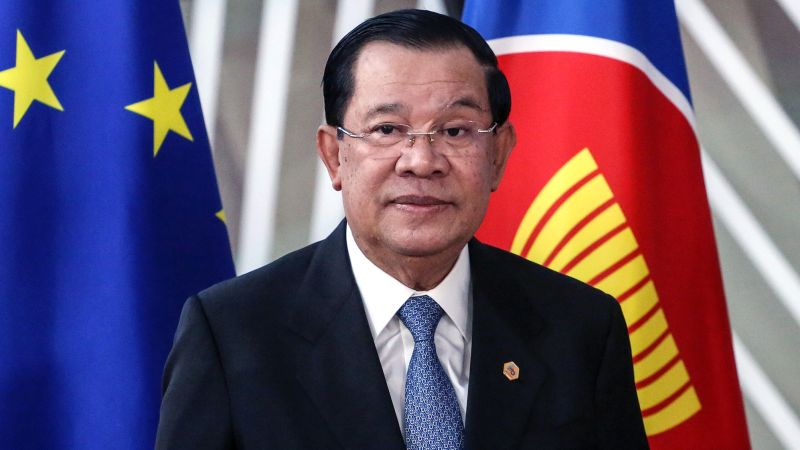
Thailand seeks diplomatic solutions after Cambodia's former leader Hun Sen publicly criticized Thai Prime Minister Paetongtarn Shinawatra and her family over a border dispute, emphasizing the importance of dialogue despite recent tensions and accusations.
Meta, the parent company of Facebook, has rejected a recommendation from its own Oversight Board to suspend the Facebook account of Cambodian leader Hun Sen for inciting violence. The board had asked for the suspension based on a video in which Hun Sen threatened his opponents. Meta stated that suspending the account would not be consistent with its policies and that the video had already been removed. Critics argue that Meta's decision shows a lack of concern for user safety and that the Oversight Board is merely a PR stunt. Experts warn that social media companies need to moderate hateful content, especially with upcoming elections in the region.
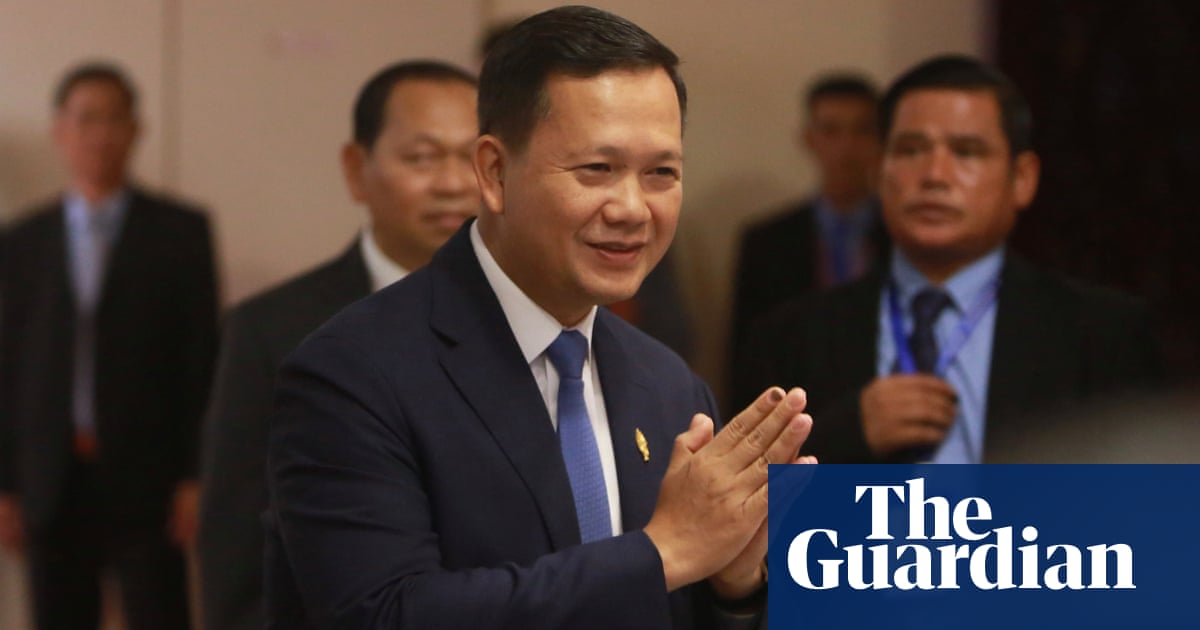
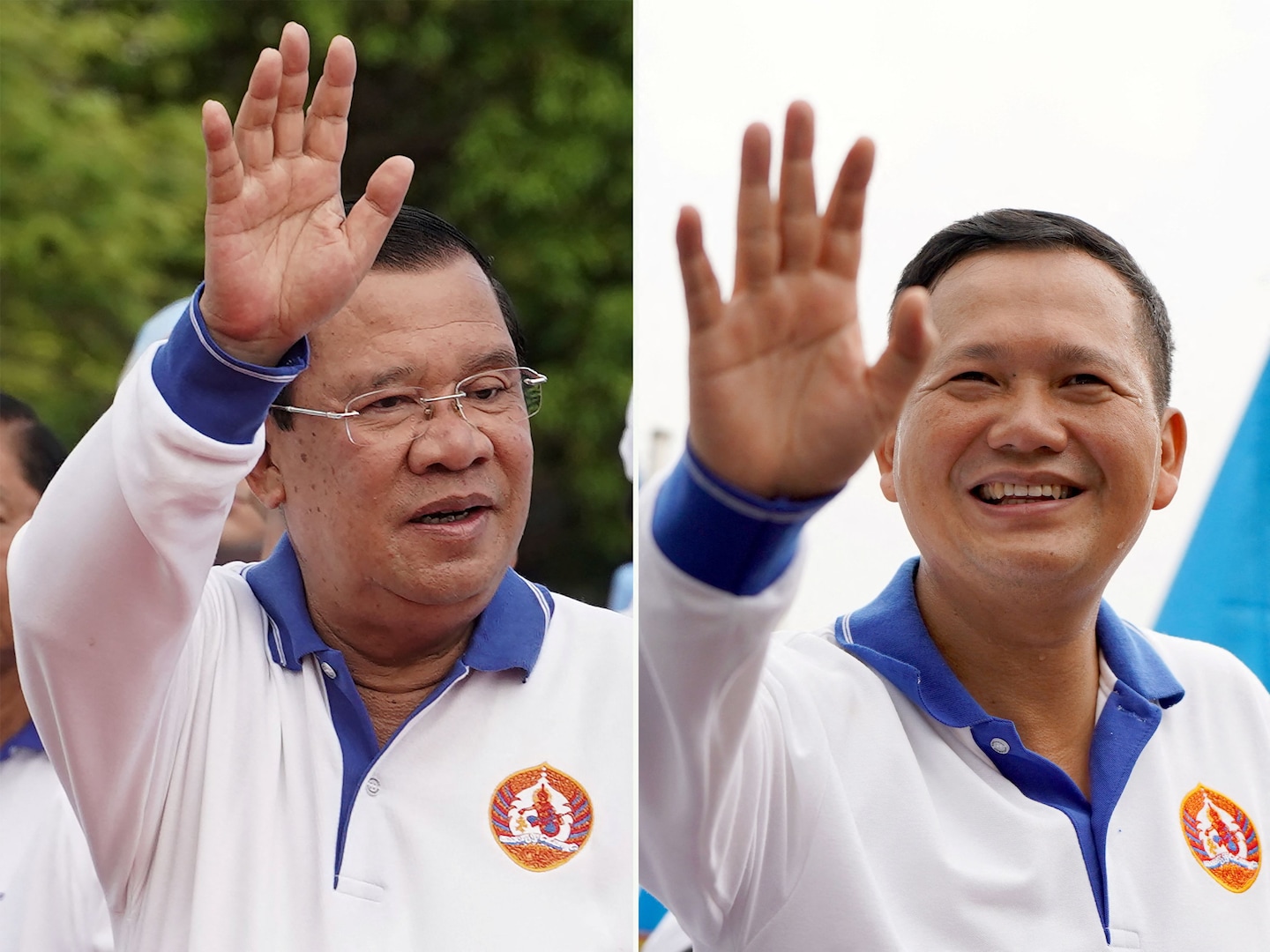
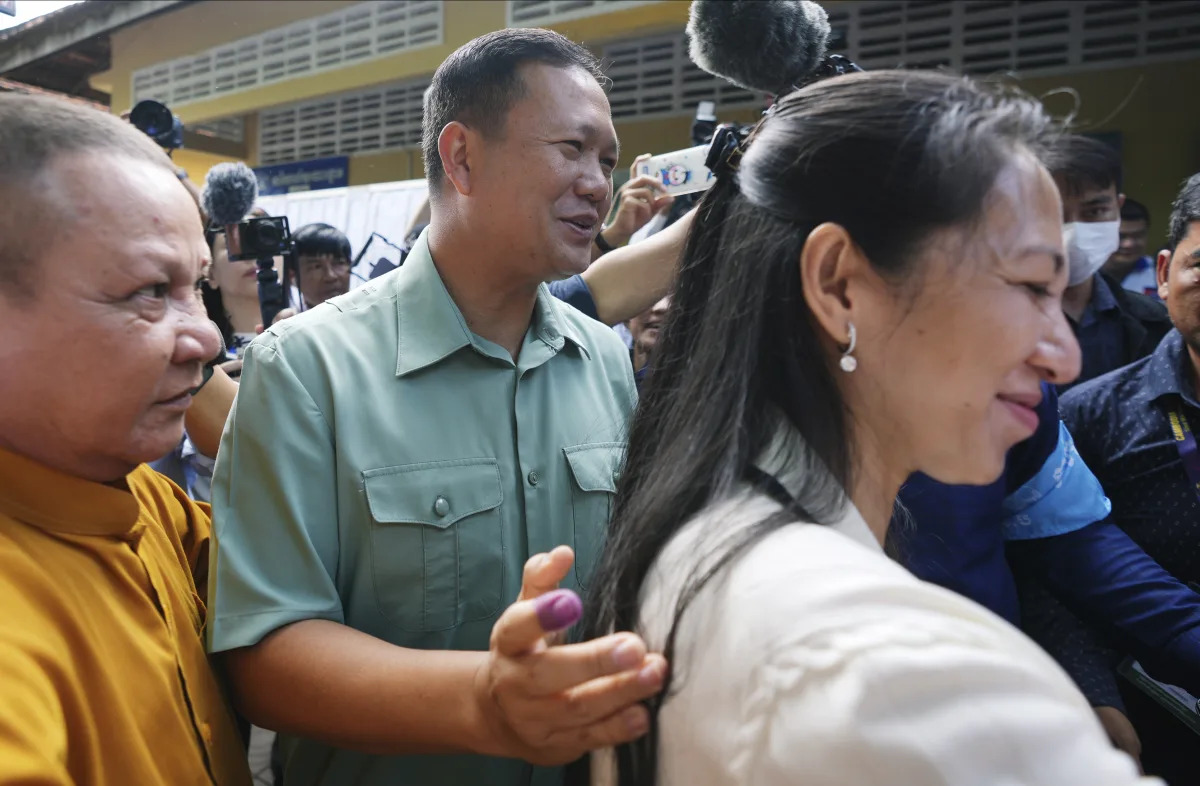
Cambodia's newly elected parliament has endorsed Hun Manet, the son of long-time ruler Hun Sen, as the country's prime minister, completing a historic transfer of power. Hun Manet, a military general with a Western education, has risen through the ranks of Cambodia's armed forces and is expected to continue his father's authoritarian rule. His first months in office will be closely watched to see if he favors a more liberal approach and improved ties with the West or maintains the country's close relationship with China. Despite the transition, Hun Sen will remain a powerful force in Cambodian politics.
Hun Manet, the eldest son of Cambodia's long-term ruler Hun Sen, has been endorsed as the country's next premier in a formality confirming the transition of power. The announcement comes after the ruling party won all but five seats in parliament in an election that critics deemed undemocratic. Hun Manet's appointment still needs to be confirmed by parliament, but with the ruling party controlling the majority of seats, it is expected to pass. Hun Sen, one of the world's longest-serving leaders, announced his resignation to ensure stability in Cambodia but will retain leadership of the ruling party, maintaining ultimate control.
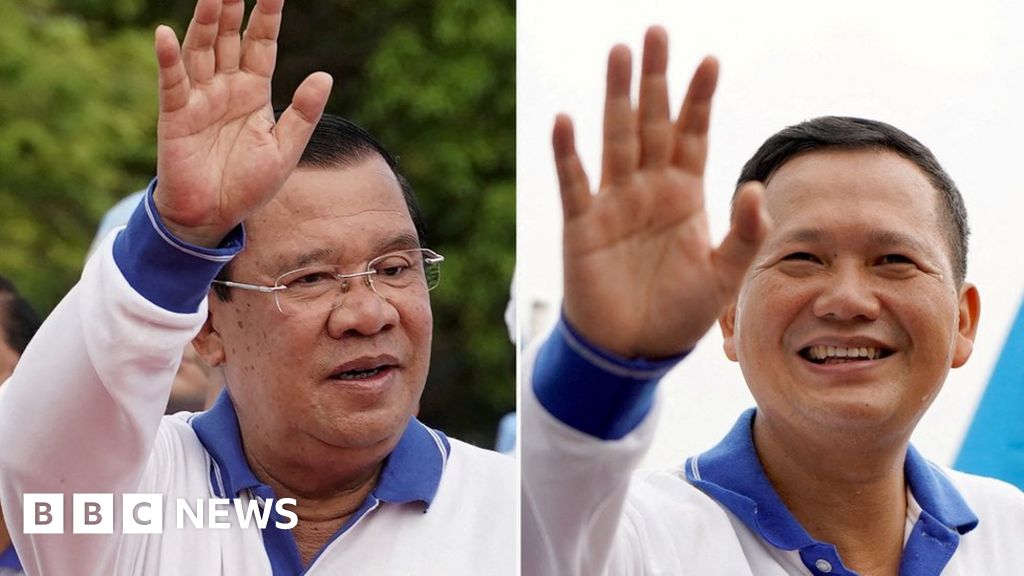
Cambodia's autocratic Prime Minister Hun Sen, who declared a landslide victory in the recent election, is expected to hand over power to his eldest son, Gen. Hun Manet. Hun Manet, a four-star general and commander of the Royal Cambodian Army, was trained at West Point and holds postgraduate degrees in economics. While he has a more diplomatic manner and speaks fluent English, there is little indication that his Western education has influenced his politics. Hun Manet's challenges as the likely next leader include managing perceptions of government corruption, addressing climate change, and navigating Cambodia's ties with China, which have raised concerns in the West.
Cambodia's ruling party, the Cambodian People's Party (CPP), claimed a landslide victory in the general election, which critics dismissed as a sham. The election was effectively a one-sided race, with the CPP facing no viable opponent due to a crackdown on rivals. The only opponent with clout was disqualified from running. Prime Minister Hun Sen, who has ruled for 38 years, aims to secure his son's succession. The turnout was 84%, the second highest in three decades, and Hun Sen dismissed calls to undermine the election with protest ballots.
Cambodia's ruling party, the Cambodian People's Party (CPP), claimed a landslide victory in the recent election, which was widely criticized as a sham. The only party capable of challenging the CPP, the Candlelight Party, was banned from participating, while the remaining 17 parties allowed to contest were too small or little-known to pose a threat. With Prime Minister Hun Sen's son, Hun Manet, expected to succeed him in a long-prepared transfer of power, the election felt more like a coronation than a democratic process. Hun Sen, who has been in power for 38 years, has consolidated his rule through a combination of political maneuvering, suppression of opposition, and control over the economy. However, there are signs of nervousness within the CPP, as they seek to maintain legitimacy and satisfy the people amidst growing discontent over issues such as land grabs and corruption. The next few years could be a delicate and potentially dangerous time for Cambodia.
Hun Sen, Cambodia's autocratic prime minister for nearly four decades, is set to hand over power to his oldest son, Hun Manet, a West Point graduate and head of the country's army. With the ruling Cambodian People's Party expected to win another landslide victory in the upcoming election, it is unlikely that significant change will occur. While some hope that Hun Manet's education and background may bring political change, it remains to be seen whether he will adopt a different leadership style or political stance. China's strategic and economic importance in Cambodia will also influence the country's foreign relations.
Cambodia's ruling party, the Cambodian People's Party (CPP), is expected to maintain its grip on power in the country's election, as there are no credible opposition parties. Hun Sen, who has been in power for 38 years, faces no real challenge after the only credible opposition party was disqualified in May. Critics have called the vote a sham, and Western nations have expressed concerns about its integrity. Hun Sen's son, Hun Manet, is being groomed as his successor, with signals that he may assume power within weeks. The election comes at a time of economic uncertainty for Cambodia, with rising fuel prices, stagnant wages, and growing debts.
Cambodia's ruling party, the Cambodian People's Party (CPP), is expected to maintain its grip on power in the country's election, as there are no credible opposition parties. Hun Sen, who has been in power for 38 years, faces no real challenge after the only credible opposition party was disqualified in May. Critics have called the vote a sham, and Western nations have expressed concerns about its integrity. Hun Sen's son, Hun Manet, is being groomed as his successor, with signals that he may assume power within weeks. The election comes at a time of economic uncertainty for Cambodia, with rising fuel prices, stagnant wages, and growing debts.
Cambodia held a one-sided election on Sunday, with Prime Minister Hun Sen's ruling Cambodian People's Party (CPP) facing no viable opponent after a crackdown on rivals. The election is seen as a sham by the West, but Hun Sen is determined to ensure a smooth transition of power to his eldest son, Hun Manet. Hun Manet needs to win a National Assembly seat to become prime minister, and his appointment is expected in the coming weeks. Major powers will be watching closely to see if Hun Manet will maintain his father's authoritarian rule or pursue greater liberalization.