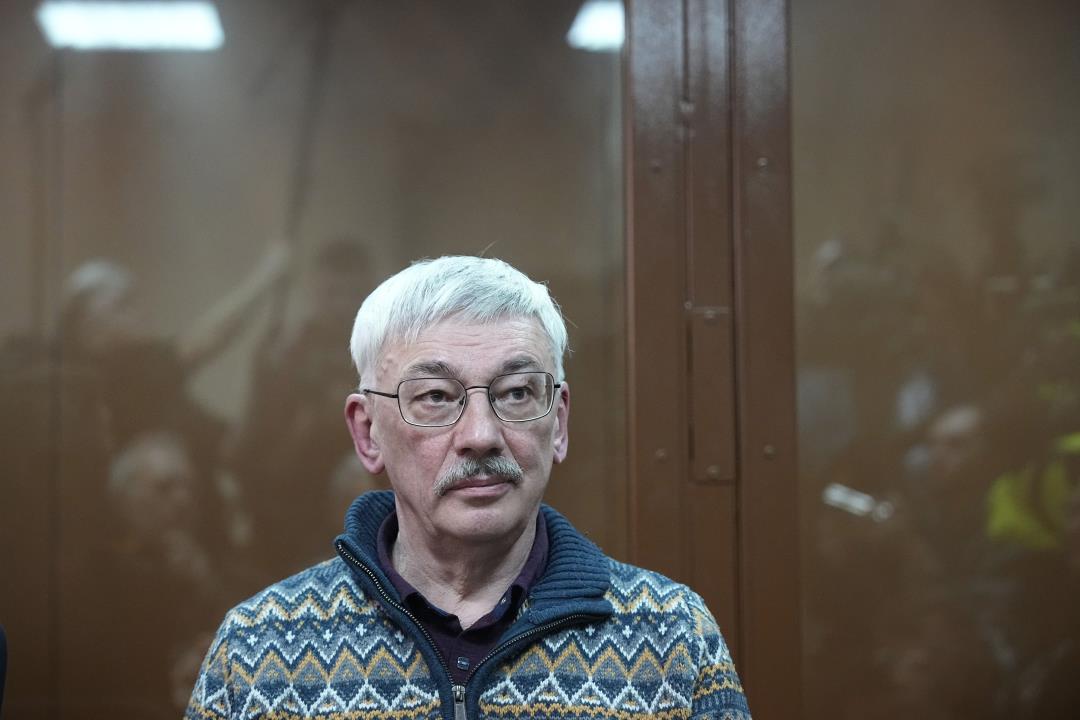
Russian human rights activist Oleg Orlov, co-chairman of the Nobel Peace Prize-winning group Memorial, has been sentenced to 2 1/2 years in prison for "repeatedly discrediting" the Russian military by criticizing the war in Ukraine. Orlov, 70, denounced the case as politically motivated and stated "I don't regret anything and I don't repent anything" in his closing statement. The verdict, which drew support from Western diplomats and activists, reflects the low tolerance for criticism of the war by the Russian government, and is seen as an attempt to silence the human rights movement in Russia.
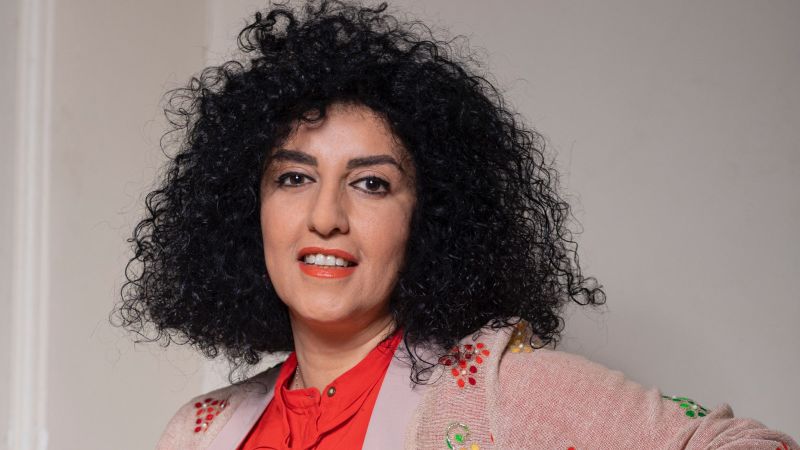
Iranian Nobel Peace Prize laureate Narges Mohammadi has been sentenced to an additional 15 months in prison, along with two years of exile, a travel ban, and restrictions on social-political activities and smartphone use. This is her fifth conviction since 2021 and her third while incarcerated. The sentencing comes amidst denial by the Iranian government of widespread allegations of sexual assaults against detainees, and follows the temporary release on bail of two journalists who covered the 2022 death of Mahsa Amini.
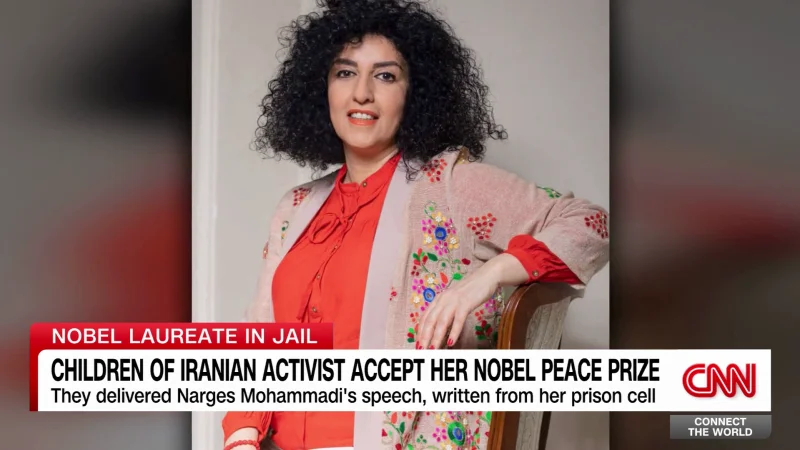
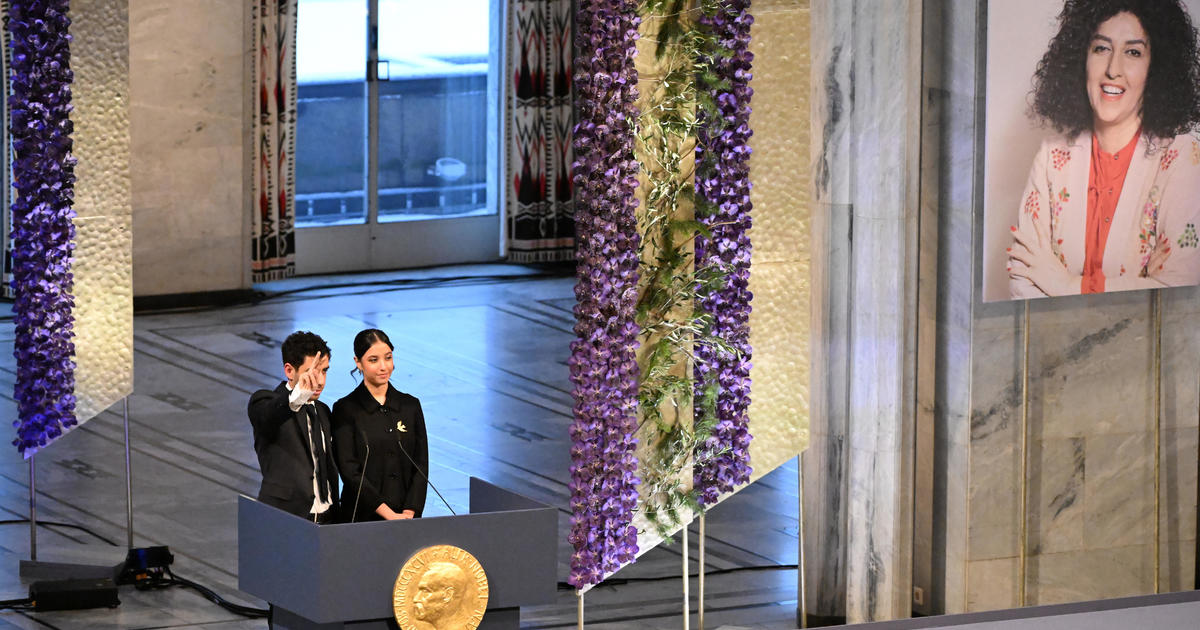
Narges Mohammadi's children accepted the Nobel Peace Prize on her behalf, delivering her acceptance speech that was written from her cell in Iran's Evin Prison. Mohammadi was awarded the prize for her decades of human rights activism.
The children of imprisoned Iranian activist Narges Mohammadi accepted the Nobel Peace Prize on her behalf, reading out a speech she had written behind bars in Tehran's Evin Prison. Mohammadi, who was awarded the 2023 Nobel Peace Prize in October for her decades of human rights activism, has been on a hunger strike in solidarity with the Baha'i religious minority and to protest the compulsory wearing of the hijab. She also refused medical treatment that required her to wear a hijab, further demonstrating her resolve. Mohammadi's children, who live in exile in France, have not seen her in eight years.