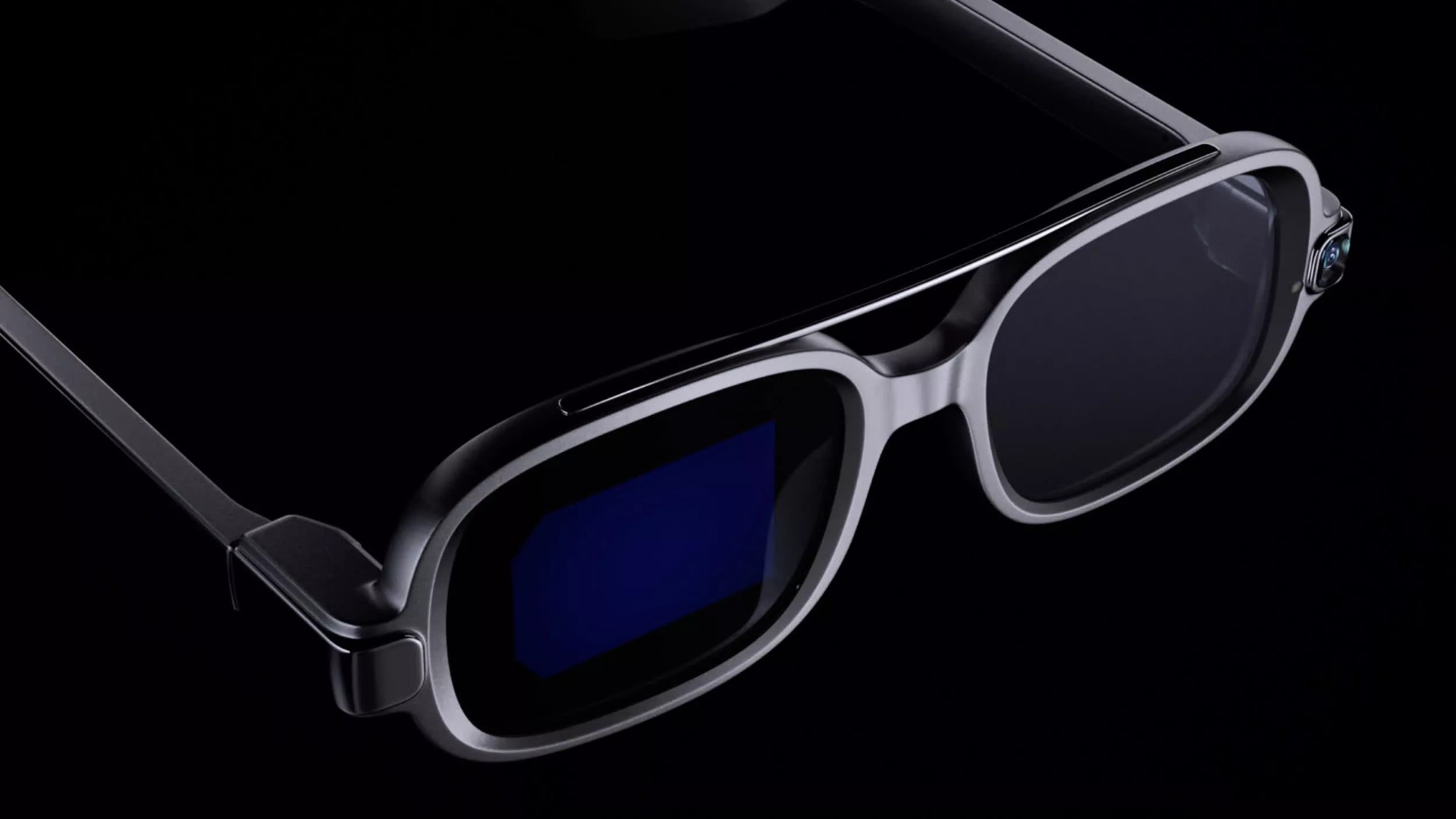
Google has completed development of its AI glasses, with HTC as the contract manufacturer, but has not yet decided to launch them. The market for smart glasses is rapidly growing, dominated currently by Meta, and Google's entry could leverage its Android platform for a better user experience.
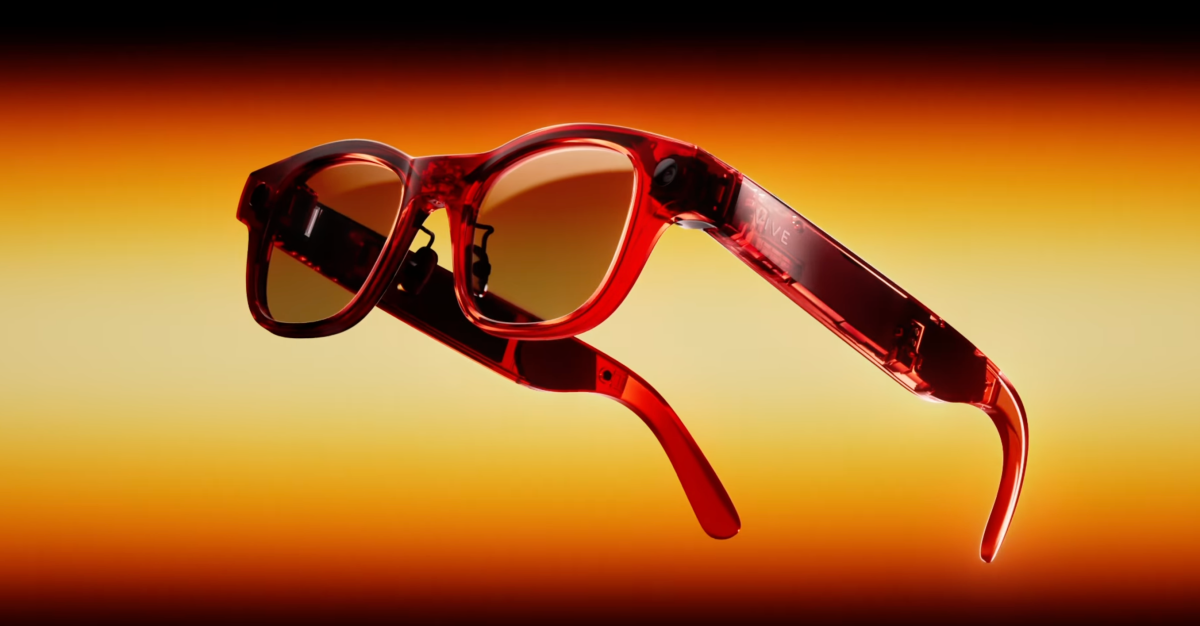
HTC has launched the Vive Eagle smart glasses in Taiwan, featuring AI voice assistant, built-in speakers, a 12MP camera, and translation capabilities, positioning itself as a competitor to Meta's Ray-Ban glasses, with potential plans for broader markets.
HTC announced the Vive Eagle smart glasses, a lightweight, fashion-forward rival to Meta's Ray-Ban glasses, featuring a 12MP ultra-wide camera, voice-activated AI, open-ear audio, and privacy-focused data storage. Initially available only in Taiwan for about $520, the glasses aim to compete with Meta's popular model, though their higher price and brand recognition pose challenges.
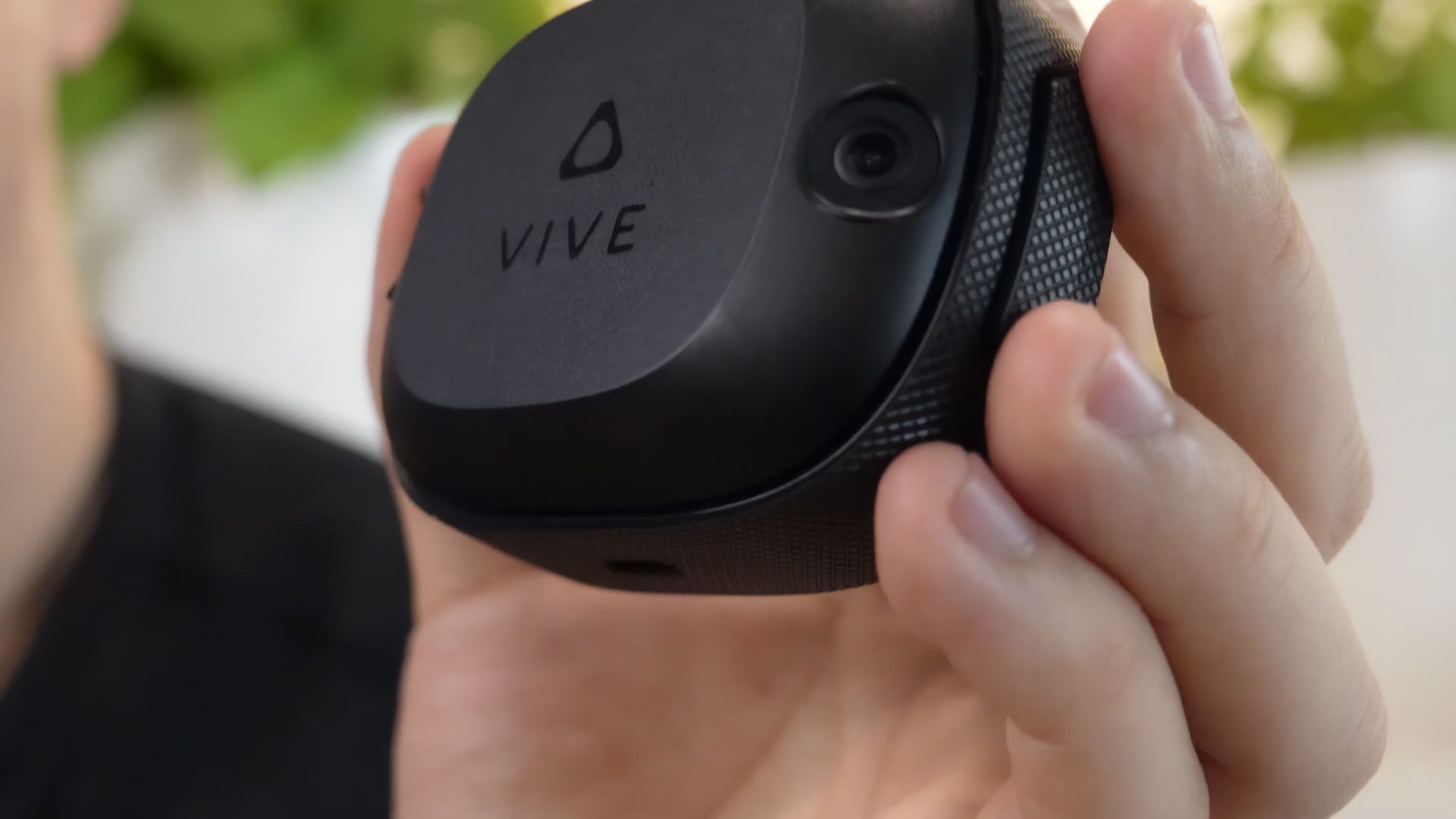
HTC has released the Vive Ultimate Tracker, a VR peripheral that tracks body parts and objects in virtual reality. The tracker supports inside-out tracking, eliminating the need for external base stations, and can seamlessly work with all-in-one headsets like the Vive XR Elite and Vive Focus 3. It is equipped with wide-angle cameras, has a battery life of up to seven hours, and can be mounted to various objects. The tracker is currently compatible with HTC headsets, but support for SteamVR and third-party all-in-one headsets is planned. The Vive Ultimate Tracker is available for $199 as a standalone accessory or as a three-pack bundle for $599.
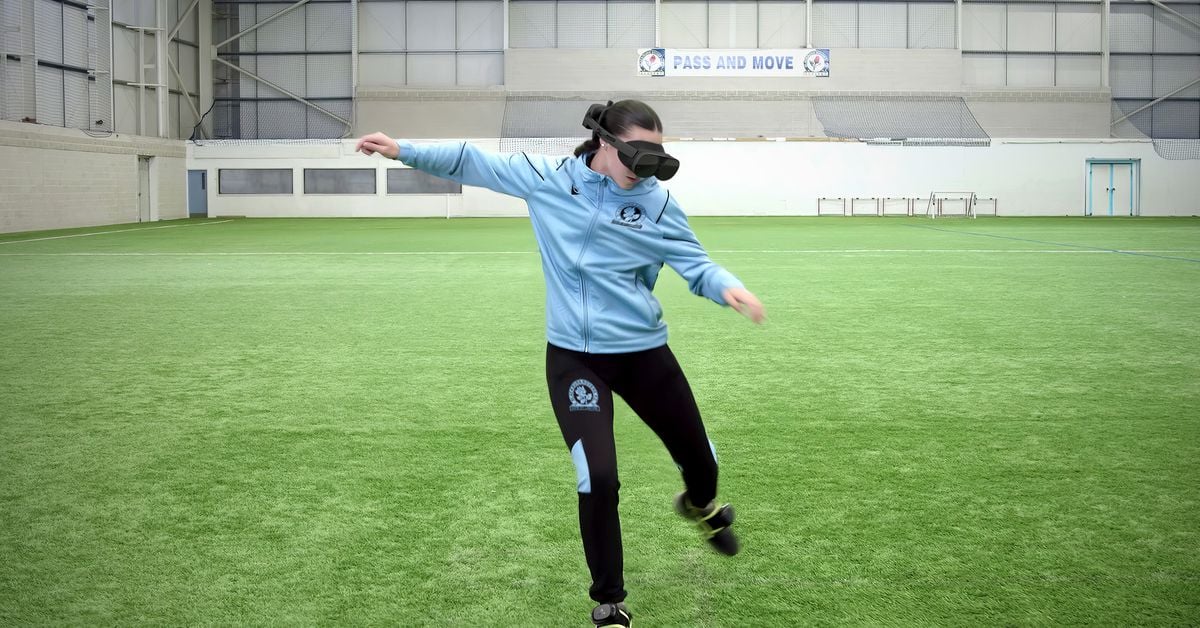
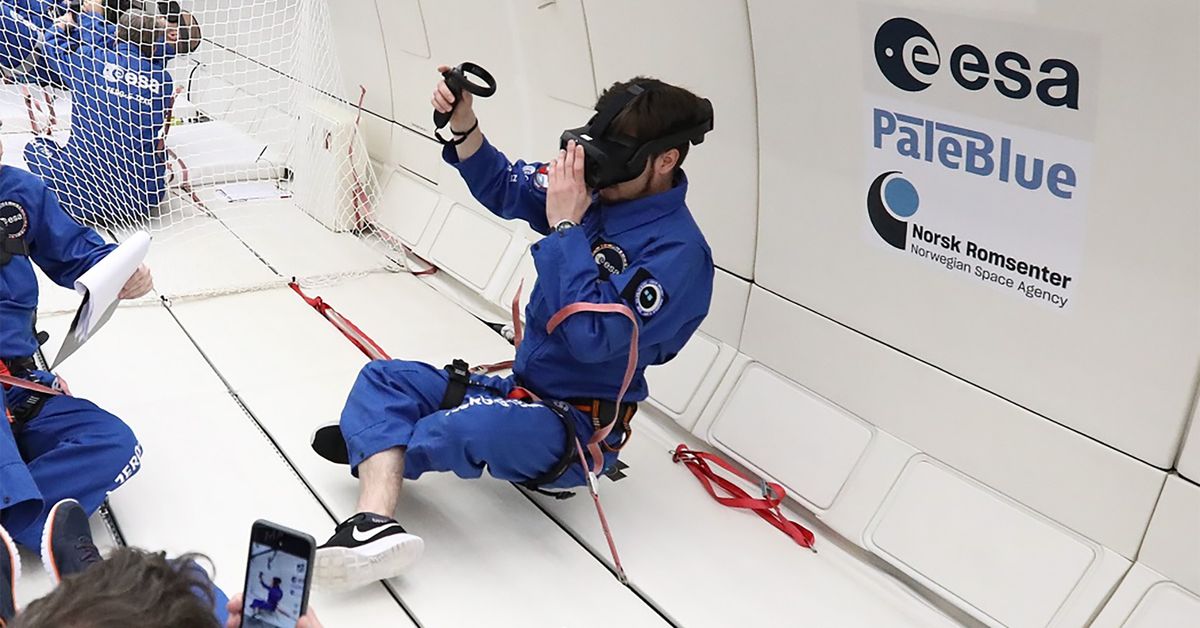
HTC is sending a modified version of its Vive Focus 3 VR headset to the International Space Station (ISS) to test its viability in alleviating mental stress experienced by astronauts. Partnering with XRHealth, HTC aims to address the lack of privacy, high workloads, and separation from loved ones that astronauts face in space. The modified headset uses software changes and power management adjustments to overcome spatial orientation issues, allowing the wearer to navigate menus using eye-tracking or a controller. If successful, this mission could pave the way for a more robust VR experience during longer space missions, including potential trips to Mars.
Analyst firm CCS Insight predicts that smartphones with "self-healing" displays could be available on the market within the next five years. This technology would involve a nano coating on the display surface that reacts to air when scratched, filling in the imperfection. While companies have been exploring self-repairing smartphone displays for years, it has yet to be commercially successful. Additionally, CCS Insight predicts that Taiwanese tech giant HTC will exit the virtual reality industry by 2026 due to dwindling revenues and competition from Meta, Sony, and Apple. The firm also suggests that Apple may seek more control over the second-hand smartphone market to prevent it from impacting new iPhone sales.
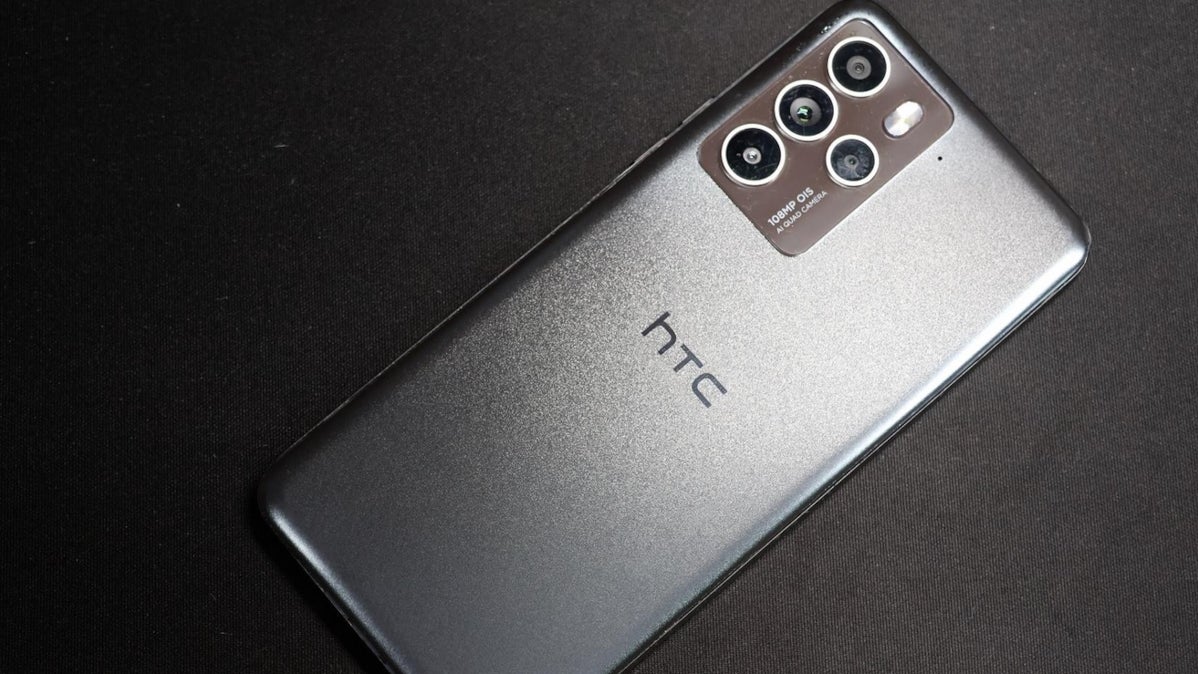
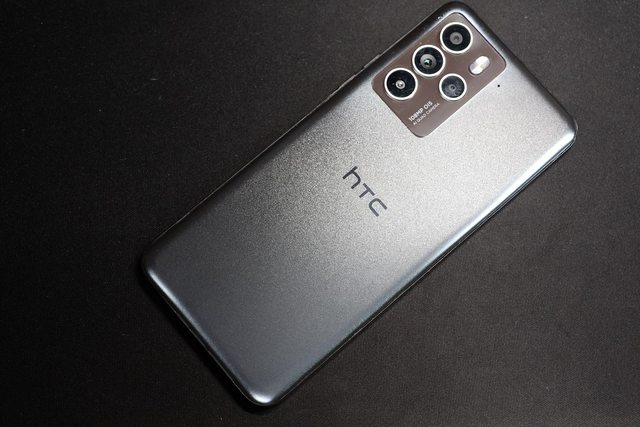
HTC has confirmed via a tweet that it will unveil its new U23 Pro 5G smartphone on May 18th. The device is rumored to be equipped with a Snapdragon 7 Gen 1 SoC, an AMOLED display with a 120Hz refresh rate, at least 8GB of RAM, and 256GB of storage. It will also feature a 108MP primary rear camera, a 4600mAh battery, and Android 13 pre-installed. The U23 Pro 5G is expected to be a mid-range handset with some VR support and capabilities, possibly related to HTC's Viveverse platform.
HTC's upcoming U23 Pro 5G smartphone is rumored to feature a Snapdragon 7-series chipset, a 108MP main camera, an AMOLED screen, and a 4,600mAh battery. It may also come with 256GB of internal storage, 8GB of RAM, a side-mounted fingerprint sensor, a punch-hole selfie camera, a headphone jack, and a USB type-C connector. The device is expected to run Android 13 out of the box and may be released soon.
HTC, the legendary smartphone manufacturer, may be preparing to launch a new top-tier phone, as a Geekbench listing for the HTC U23 Pro has surfaced. The phone is expected to have an octa-core processor capable of hitting clock speeds of 2.4 GHz, 12 GB of RAM, and may be powered by a Snapdragon 7 Gen 1 processor. HTC has not made any official announcements regarding the phone's release date. The company is known for its innovative and unique phone designs, such as the first-ever Android phone, the HTC Dream, and the HTC One M8 with its front-facing stereo speakers.
HTC has announced a new Vive Tracker accessory that uses inside-out tracking, eliminating the need for external beacons. The device can be attached to props or the user's body for enhanced body tracking. Up to five trackers can be used at once, and the device will support standalone Vive headsets, PC VR, and a fully self-contained mode. The release date is set for Q3 2023, and developers can register their interest. HTC recommends existing SteamVR Tracking users stick with the Vive Tracker 3.0 for precision and compatibility.