The article highlights how millennials tend to prioritize practicality and personal comfort over traditional home aesthetics and maintenance standards, such as formal dining rooms, manicured lawns, and extensive cleaning routines, contrasting with older generations' expectations.
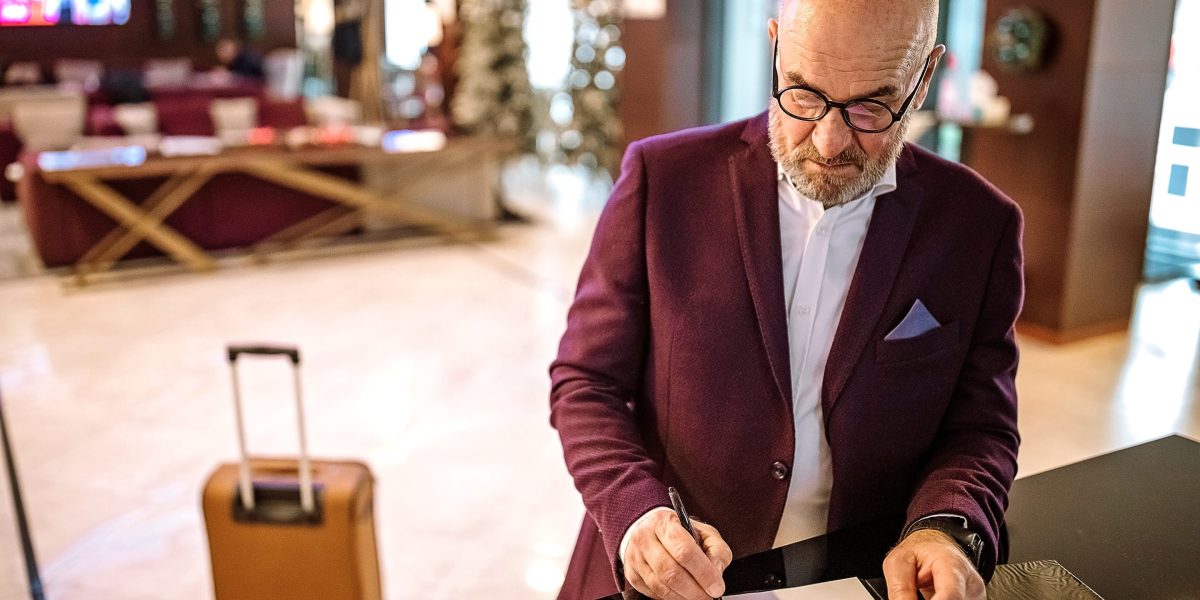
Business traveler Abhishek Singh has become frustrated with hotels that have moved to a housekeeping-optional model during the pandemic, charging high rates but not providing daily cleaning services. Singh has resorted to booking consecutive one-night stays and checking out during the day to attend his conference, in order to ensure his room is cleaned. He argues that he is paying the same rate as guests staying for one night, but not receiving the same level of cleanliness. Hotel workers also express concerns about reduced cleaning, stating that it creates more work and a harder job for them. Some cities, like Washington, D.C., have passed laws requiring daily cleaning, and industry experts believe hotels will eventually return to daily housekeeping as consumer demand decreases for hotels without this service.
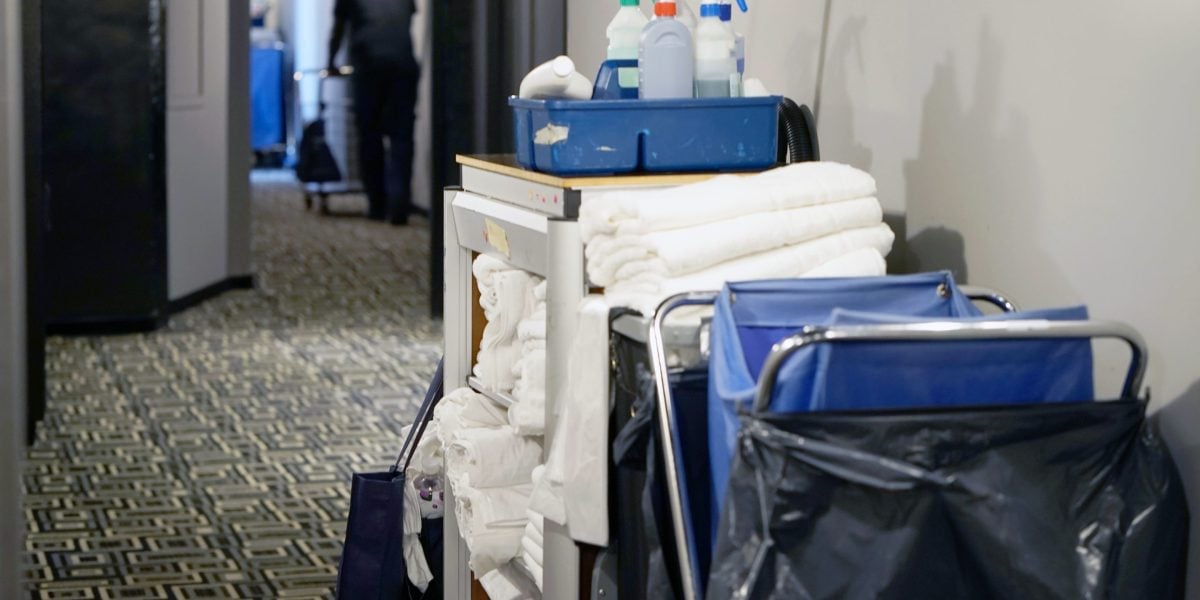
The hotel industry has seen a decline in service quality as hotels have scaled back on housekeeping and other services during the pandemic. With labor shortages and rising labor costs, many hotels are reluctant to staff back up, resulting in dirtier rooms and reduced customer service. Some hotels have even made cleaning optional, offering perks in return for skipping housekeeping. While hotel occupancy has rebounded, employment levels have not kept pace, partly due to workers leaving the industry during the pandemic. Hotels are also facing higher costs and are looking to offset them by reducing labor expenses. As a result, customers are paying higher room rates but receiving less service.
Xochitl Mendez, a housekeeper at an MGM hotel in Las Vegas, reveals that guests are becoming increasingly angry about the lack of cleanliness in their rooms, often throwing things and shouting at the staff. The Culinary Union, representing 60,000 workers including housekeepers, laundry attendants, bartenders, and servers, has voted to authorize a strike over issues such as panic buttons, minimum staffing levels, higher pay, and mandatory daily housekeeping. The repeal of a law requiring daily room cleaning has raised safety concerns, as housekeepers have reported being attacked while alone on floors. The hotel industry's recovery and record-high room rates have sparked debate over the need for improved working conditions for employees.
Xochitl Mendez, a housekeeper at an MGM hotel in Las Vegas, has revealed that guests are becoming increasingly angry about the lack of cleanliness in their rooms, often throwing things and shouting at the staff. The debate over hotel-room cleaning has escalated to the point where the Culinary Union, representing 60,000 housekeepers, bartenders, and servers, has voted to authorize a work stoppage. Housekeepers are demanding panic buttons, minimum staffing levels, higher pay, and mandatory daily housekeeping in Vegas hotels. The hotel industry's recovery from the pandemic has raised questions about the need for support, as room rates have skyrocketed and profits have surged.
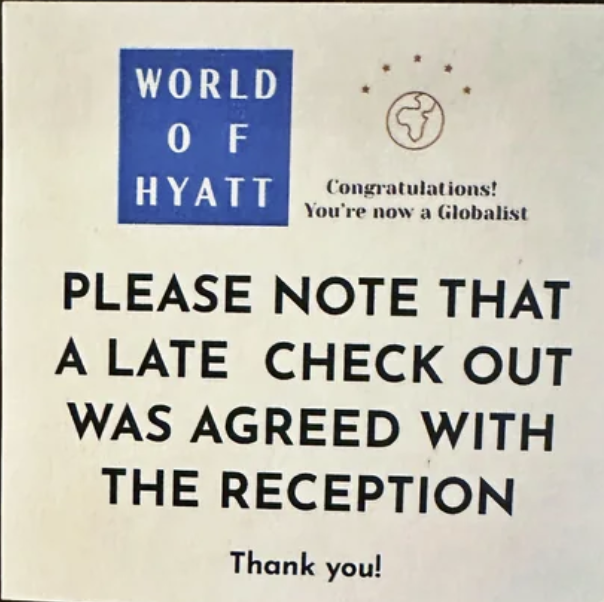
Hotels often offer late check-out to guests, but there are common issues such as the front desk forgetting to code the room key and housekeeping entering the room early. To avoid this, a traveler has created an official-looking Post-It note to deter housekeeping from entering before the agreed late check-out time. This hack aims to address the lack of communication between the front desk and housekeeping regarding late check-outs.
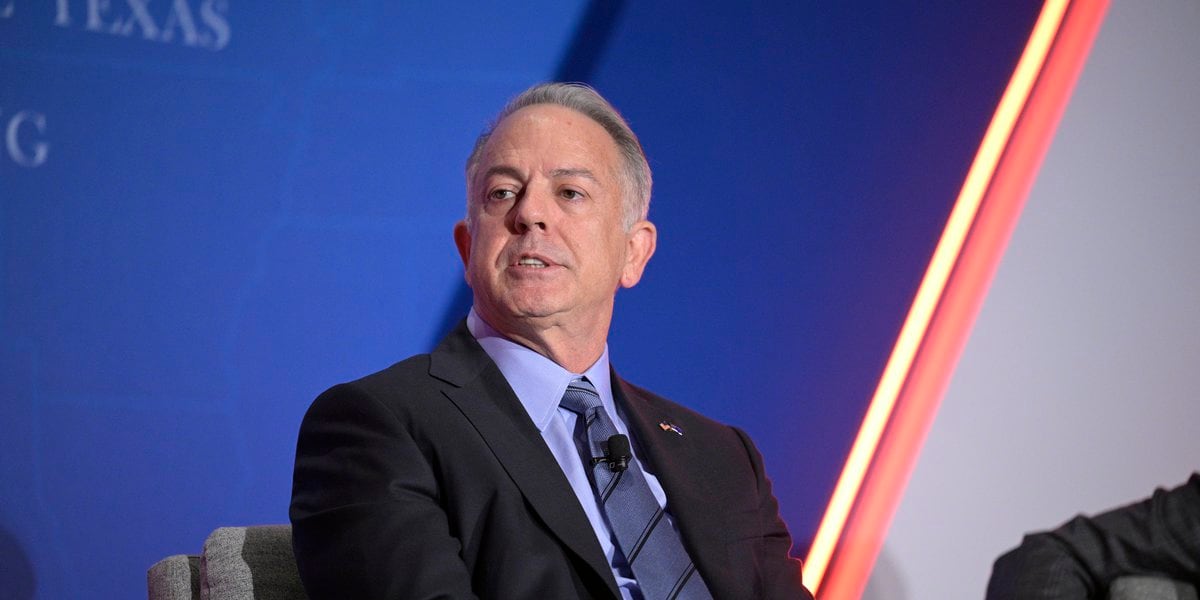
Nevada Governor Joe Lombardo has signed a bill eliminating the requirement for daily hotel room cleanings, citing the end of the COVID-19 pandemic. The Culinary Union, which represents many Nevada housekeepers, opposed the bill, stating that it would end protections for guest room attendants, who are mostly single mothers and working women of color.
Tipping expectations have increased significantly over the years, with customers now expected to tip up to 25% on the total bill, including tax. However, while many express frustration with tipping, few are willing to speak out against it in the moment. The practice of tipping housekeepers is particularly controversial, as it reduces the wages that hotels have to pay to attract staff. Despite this, many hotel guests still feel obligated to tip, even though only 30% actually do so. The problem is not confusion over tipping etiquette, but rather that tipping has gotten out of control.