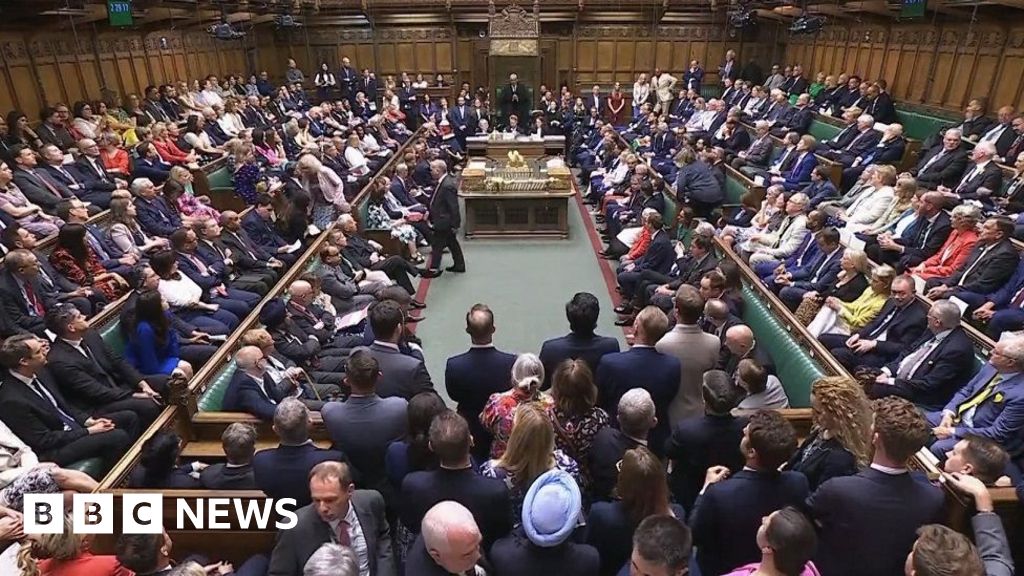
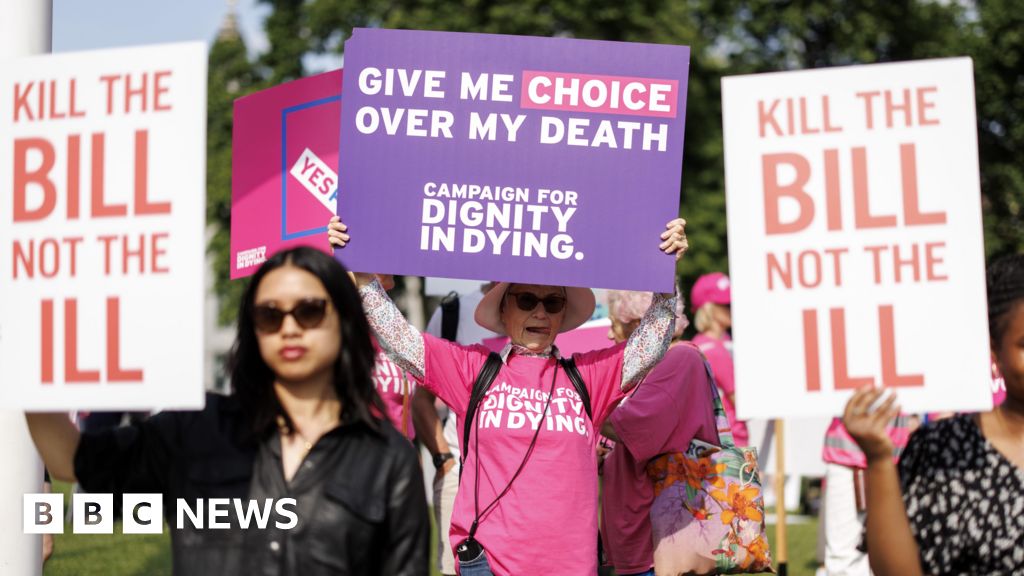
The assisted dying bill has passed the initial stages in the House of Commons and now moves to the House of Lords for further scrutiny, with its final approval uncertain due to potential delays, amendments, and parliamentary time constraints. If passed, it could take up to four years to implement, possibly allowing legal assisted deaths by 2029.
Kim Leadbeater, the MP behind the assisted dying bill, is confident it will pass the final vote in the House of Commons, which is a crucial step before it moves to the House of Lords. The bill, which allows terminally ill adults to end their lives with medical assistance under strict conditions, has received mixed support and undergone amendments. The outcome of the vote on Friday will determine whether the legislation advances or is halted for potentially another decade.
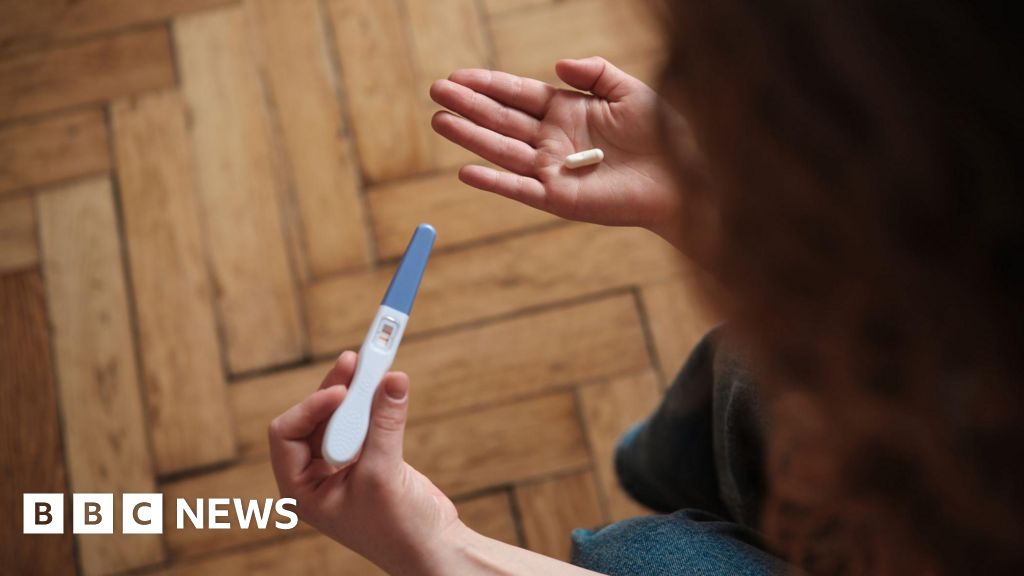
The UK House of Commons is debating proposed amendments to decriminalise abortion, with two Labour MPs, Tonia Antoniazzi and Stella Creasy, presenting rival proposals—one focusing on protecting women from investigation and prosecution, and the other on enshrining abortion as a human right—highlighting ongoing debates over abortion laws and women's rights.
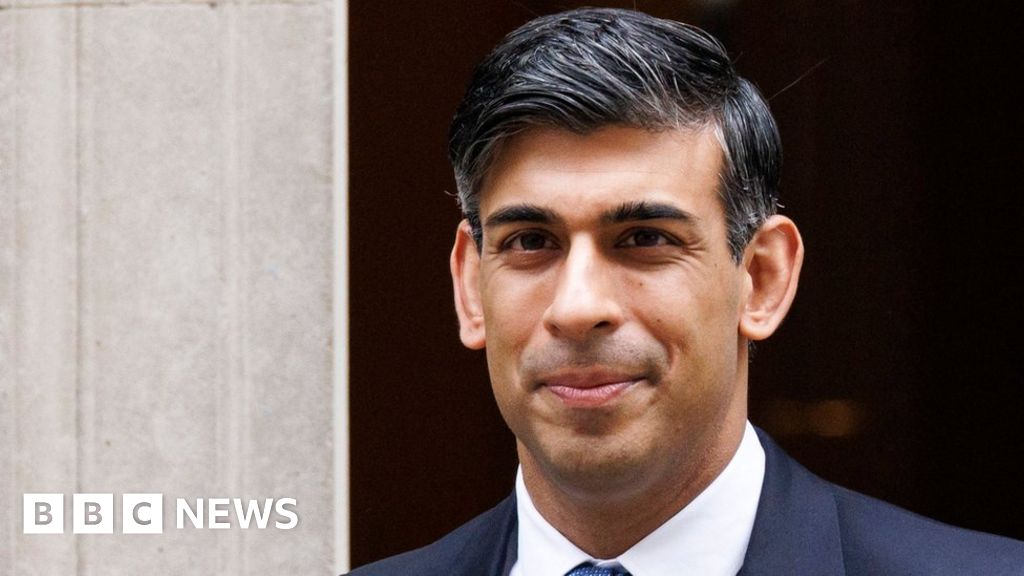
Chancellor Rishi Sunak's controversial bill to send asylum seekers to Rwanda has passed through the House of Commons despite potential Conservative rebellion. The bill aims to prevent legal challenges against the plan, which some MPs argue is flawed. The bill will now face opposition in the House of Lords. President Paul Kagame of Rwanda has stated that the country would consider returning money to the UK if no asylum seekers are sent. The debate has revealed ongoing divisions within the Conservative Party, with some MPs expressing concerns about the bill's implications.
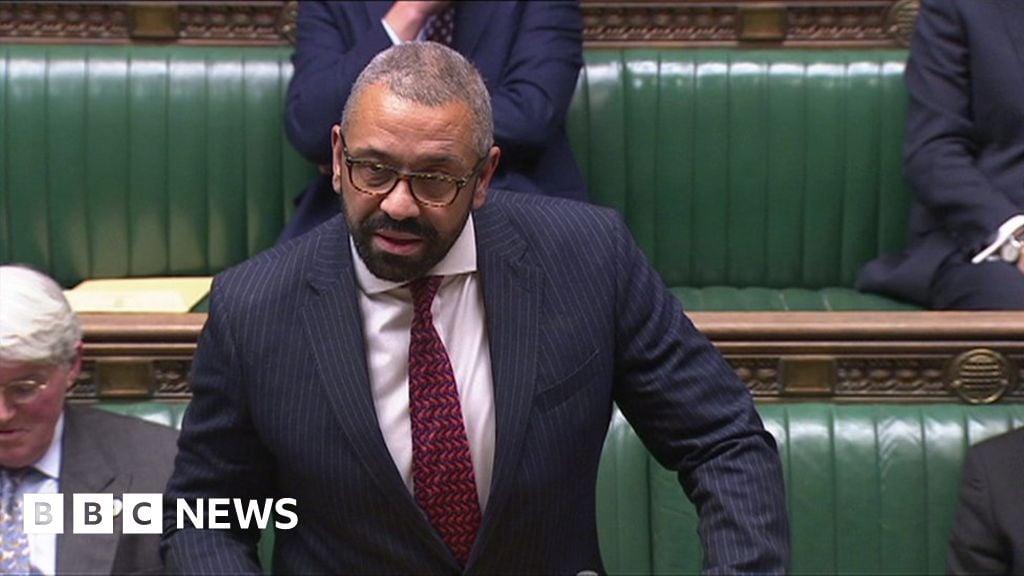
James Cleverly, the UK Home Secretary, has apologized in the House of Commons for using "inappropriate language" about a Labour MP, Alex Cunningham, but denied using a derogatory term to describe Stockton North, the constituency. Cleverly admitted using "unparliamentary" language towards Cunningham but insisted that his criticism was directed at the MP and not his constituency. Cunningham accused Cleverly of making an "appalling remark" about his constituency during a session of Prime Minister's Questions, but Cleverly denied the allegation.
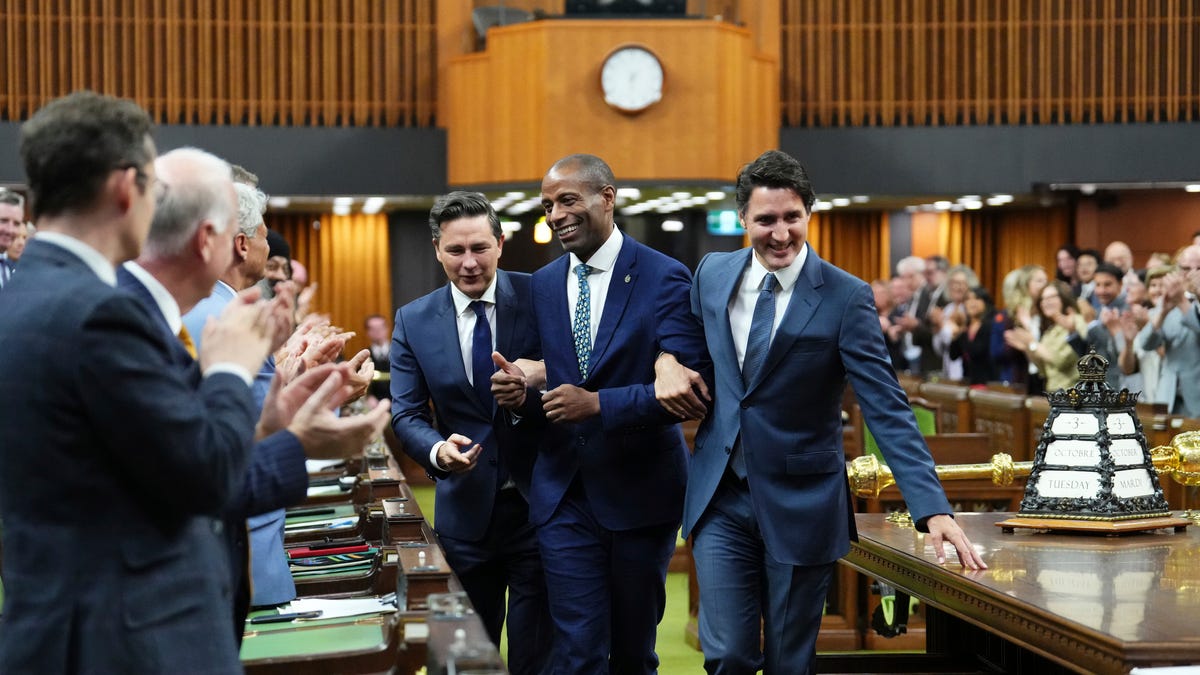
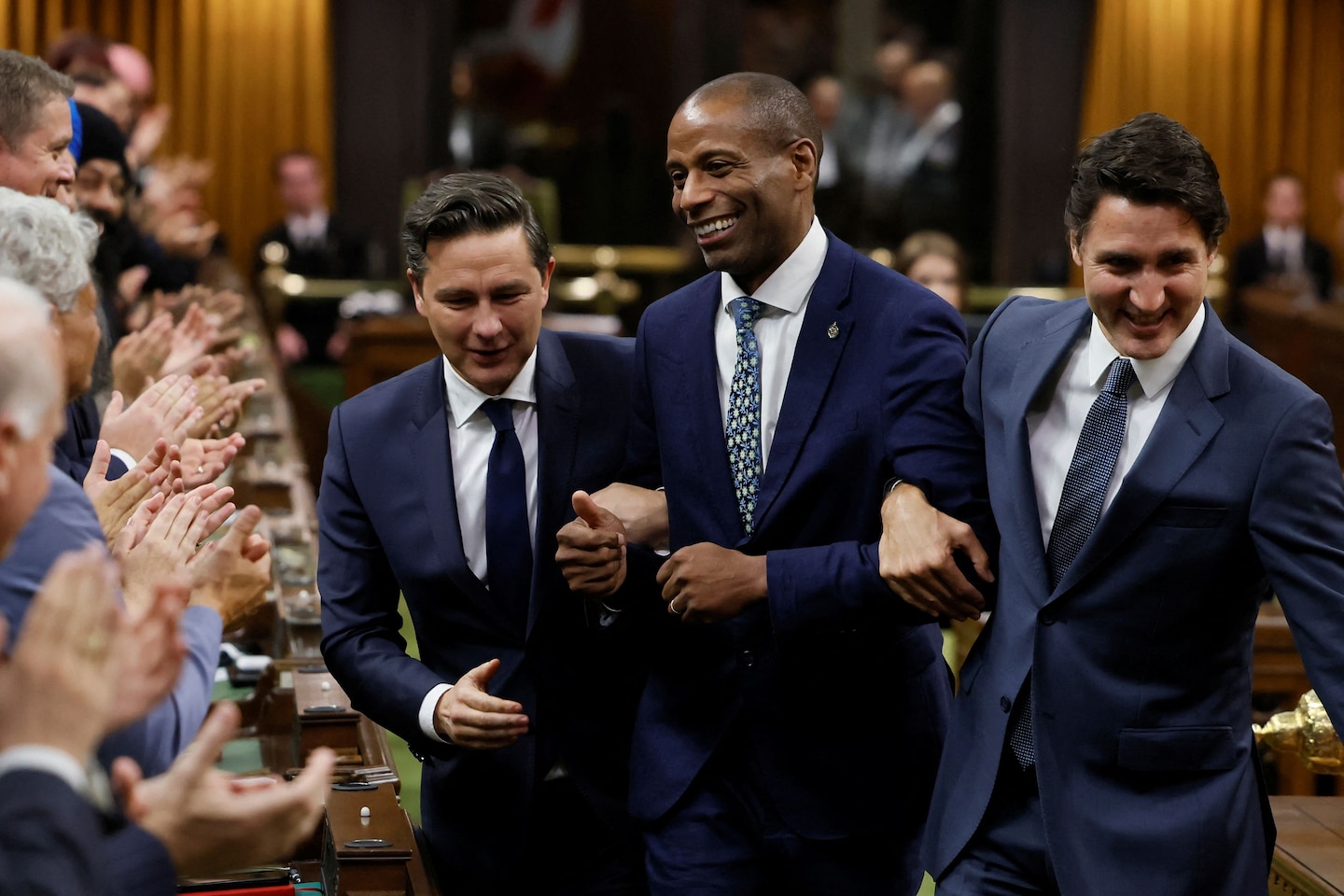
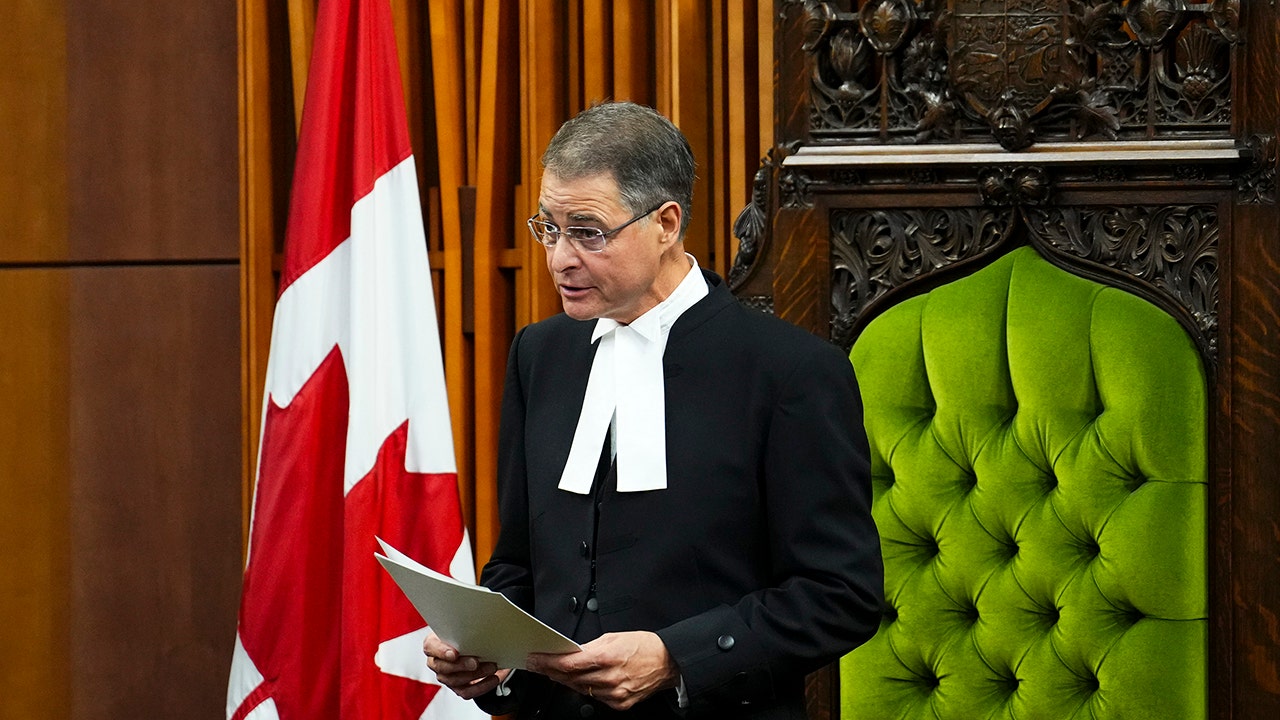
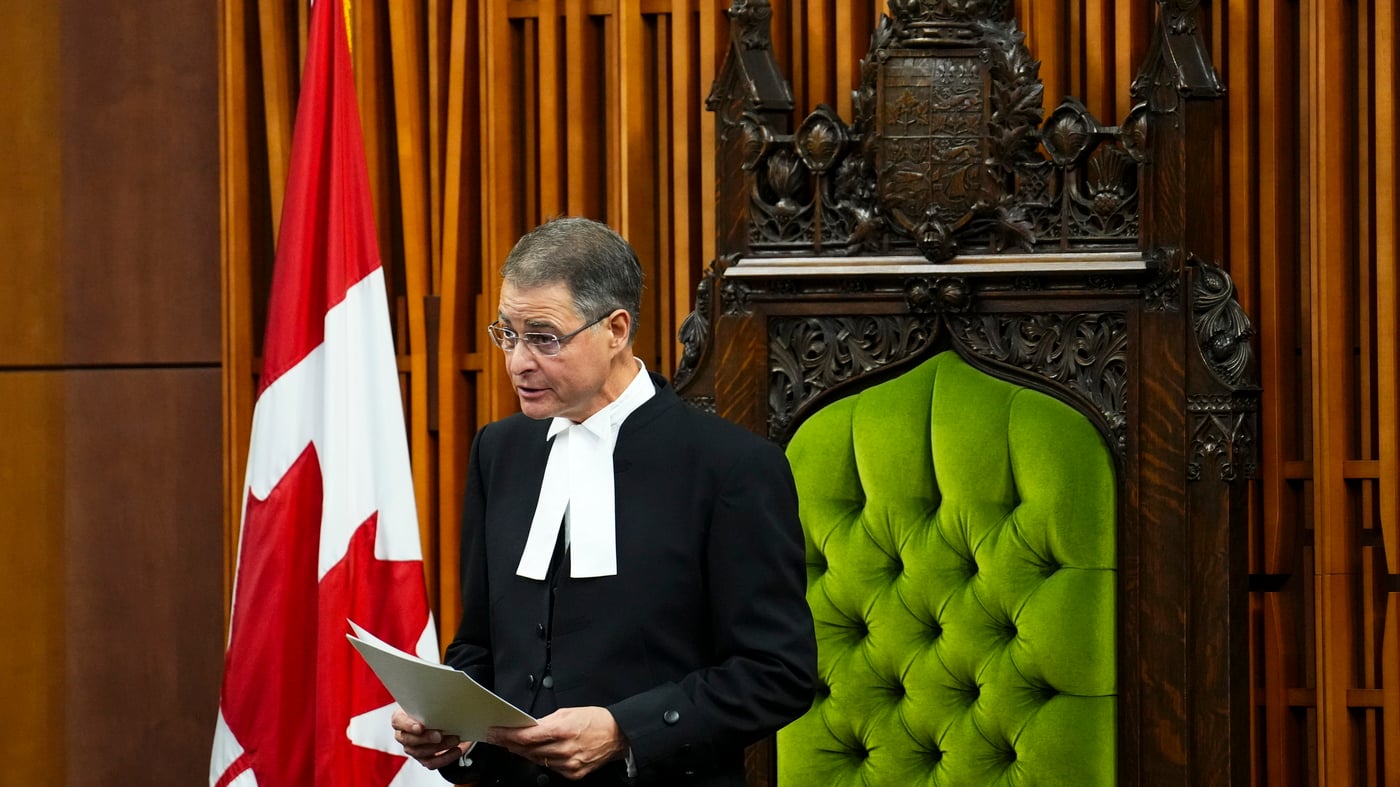
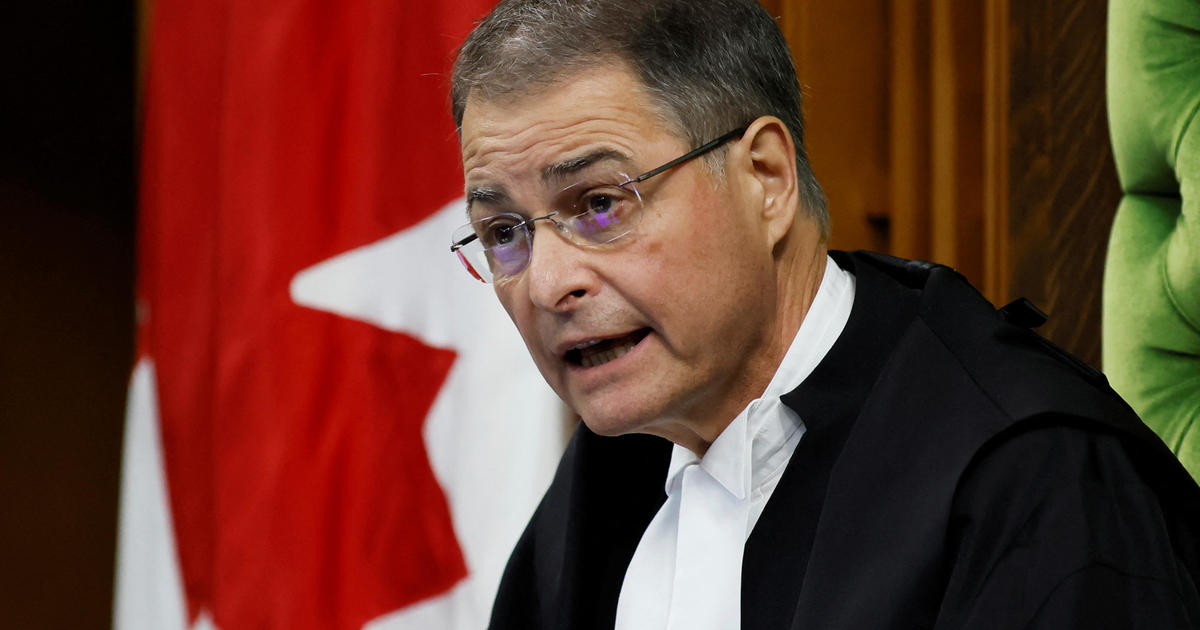
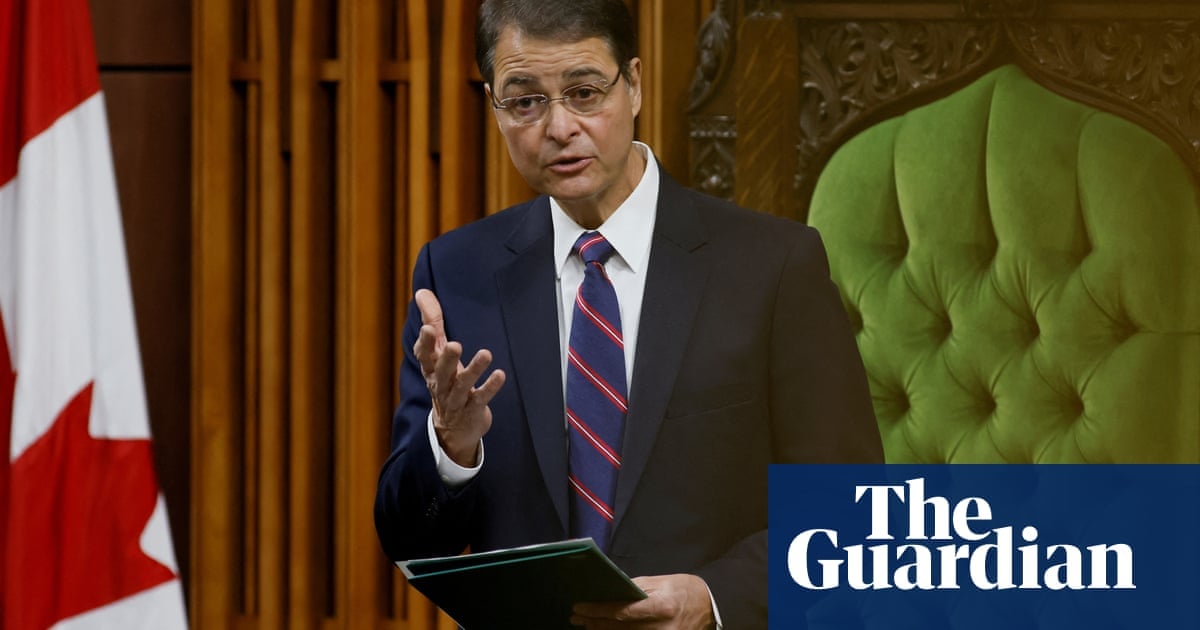
Greg Fergus has been elected as the new speaker of Canada's House of Commons, becoming the first Black Canadian to hold the position. The election followed the resignation of Anthony Rota, who stepped down after inviting and honoring a man who fought for a Nazi military unit during World War II. Fergus, a Quebec Liberal lawmaker, promised to lead with respect and encouraged his fellow lawmakers to do the same.
Greg Fergus, a member of the Liberal Party, has been elected as Canada's first Black speaker of the House of Commons. Fergus, who chairs the Black Caucus in Parliament, beat six other candidates in a secret ballot. His election comes after the previous speaker resigned for inviting a Nazi veteran to Parliament. Fergus's selection is seen as a historic moment and an inspiration for younger generations. His first task will be to address the fallout from the controversial incident and restore the honor of the House.
Greg Fergus, a Liberal Party lawmaker, has been elected as the new speaker of Canada's House of Commons, becoming the first Black Canadian to hold the post. Fergus was chosen in a secret ballot, beating out other candidates. The previous speaker resigned after unknowingly inviting a former Nazi soldier to parliament. The speaker's role is to maintain order and impartially arbitrate parliamentary procedures. Prime Minister Justin Trudeau hailed Fergus's election as inspiring for all Canadians, particularly younger generations interested in politics.
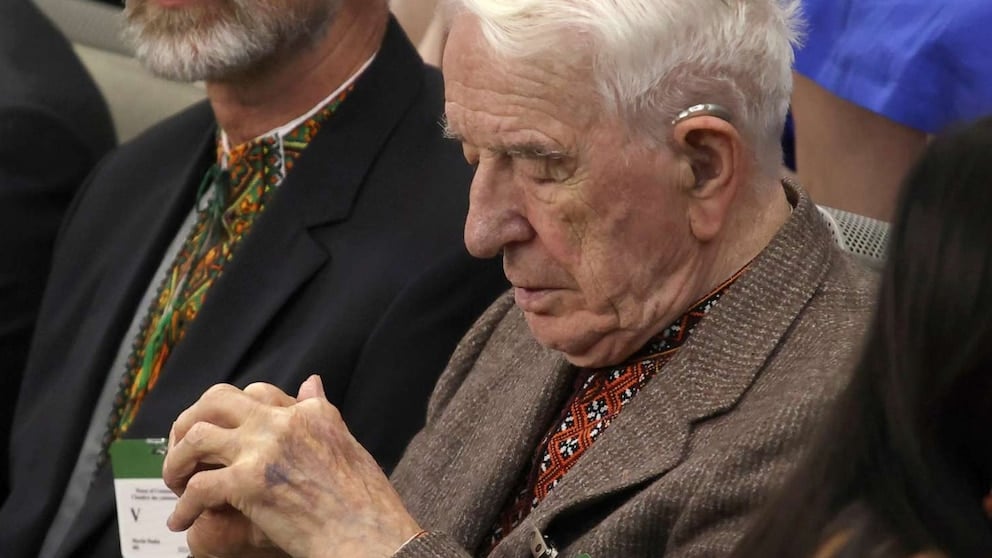
Canada's House of Commons speaker, Anthony Rota, has resigned after inviting a 98-year-old man who fought for a Nazi military unit to attend a speech by Ukrainian President Volodymyr Zelenskyy. The man, Yaroslav Hunka, was publicly introduced and received a standing ovation during the event. Rota expressed his regret and accepted full responsibility for the error, acknowledging the pain caused to individuals and communities, including the Jewish community and Nazi survivors. Lawmakers had lost confidence in Rota over the mishap, and the speaker's office clarified that Hunka's invitation was solely Rota's responsibility. The incident has brought shame and embarrassment to Parliament and all Canadians, with calls for Rota's resignation.
The Speaker of Canada's House of Commons, Anthony Rota, has resigned after inviting a 98-year-old man who fought for a Nazi military unit during World War II to Parliament to attend a speech by the Ukrainian president. Rota introduced the man as a war hero without realizing that he had fought for the SS Galicia Division, a voluntary unit under the command of the Nazis. Rota's actions caused outrage and led to calls for his resignation from opposition parties. The incident has been described as embarrassing and has caused pain to the Jewish community in Canada and around the world. Rota accepted full responsibility for his actions and stepped down after meeting with party leaders.
The speaker of Canada's House of Commons, Anthony Rota, resigned after inviting a man who fought for a Nazi military unit during World War II to Parliament and honoring him during a speech by Ukrainian President Volodymyr Zelenskyy. Rota introduced the 98-year-old man, Yaroslav Hunka, as a war hero without realizing that Hunka fought for the Waffen-SS Galicia Division, a voluntary unit under the command of the Nazis. Rota expressed regret for his decision and accepted full responsibility for causing pain to individuals and communities, including the Jewish community. Opposition parties called for Rota's resignation, and the government House leader stated that lawmakers had lost confidence in him. The incident has been seen as a stain on Canada's legislature and a distraction from the unity displayed between Canada and Ukraine.
The speaker of Canada's House of Commons, Anthony Rota, has apologized for praising a 98-year-old Ukrainian veteran, Yaroslav Hunka, who fought for a Nazi unit. Hunka, a former member of the 14th Waffen Grenadier Division of the SS, received standing ovations during Ukrainian President Volodymyr Zelenskyy's visit to the Canadian parliament. Jewish human rights groups expressed concern, as Hunka's military unit was implicated in the mass murder of Jews and others. Rota issued an official apology, taking full responsibility for admitting and praising the veteran, while the opposition called for Prime Minister Justin Trudeau to apologize and investigate. The 14th Waffen-SS Grenadier Division, also known as the Galicia Division, was a voluntary unit made up mostly of ethnic Ukrainians under Nazi command.
The speaker of Canada's House of Commons, Anthony Rota, has apologized for praising a 98-year-old Ukrainian veteran, Yaroslav Hunka, who fought for a Nazi military unit during World War II. Rota expressed regret for recognizing Hunka, who received a standing ovation from lawmakers after Ukrainian President Volodymyr Zelenskiy's address to the Canadian parliament. Rota apologized to Jewish communities and accepted full responsibility for his actions, stating that neither the prime minister's office nor the Ukrainian delegation were informed about the invitation or recognition. The First Ukrainian Division, in which Hunka served, was responsible for the mass murder of innocent civilians. Jewish organizations and human rights groups have condemned the recognition of a former member of a Nazi unit in the Canadian parliament.
The speaker of Canada's House of Commons, Anthony Rota, has apologized for recognizing a 98-year-old man, Yaroslav Hunka, as a "Ukrainian hero" during a parliamentary meeting. It was later revealed that Hunka had served in a Nazi unit during World War Two. The Friends of Simon Wiesenthal Center, a Jewish human rights group, demanded an apology, stating that it was disturbing to see Canada's Parliament applaud someone associated with a Nazi military branch responsible for the murder of Jews. Rota took responsibility for the oversight and expressed his "deepest apologies" to Jewish communities. The Russian embassy in Canada has also demanded clarification from the Canadian government.
The UK government's Illegal Migration Bill, aimed at stopping people crossing the Channel in small boats, has been approved by MPs after the government defused a Tory backbench rebellion. The bill will place a legal duty on the home secretary to detain and remove those arriving in the UK illegally, to Rwanda or another "safe" third country, taking legal precedence over someone's right to claim asylum. However, the bill is expected to run into opposition at its next stage in the House of Lords, where it could be heavily amended.