Rapper Fetty Wap was released early from federal prison to home confinement after serving over half of his six-year sentence for involvement in a drug trafficking conspiracy, and he is now focusing on community work and supporting at-risk youth.
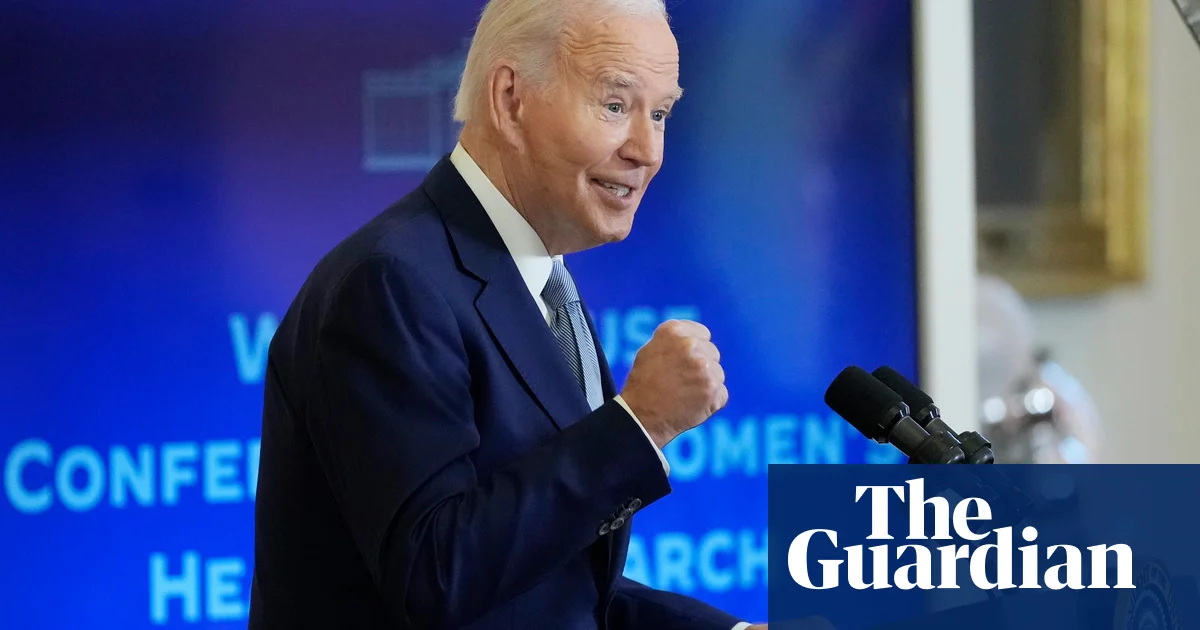
President Joe Biden has commuted the sentences of approximately 1,500 individuals who were on home confinement due to the COVID-19 pandemic and pardoned 39 people convicted of non-violent crimes, marking the largest single-day clemency in U.S. history. This move aims to address sentencing disparities and offer second chances, with further clemency actions anticipated. Biden's decision follows his broad pardon for marijuana offenses and comes amid pressure to address federal death row sentences and other high-profile cases.
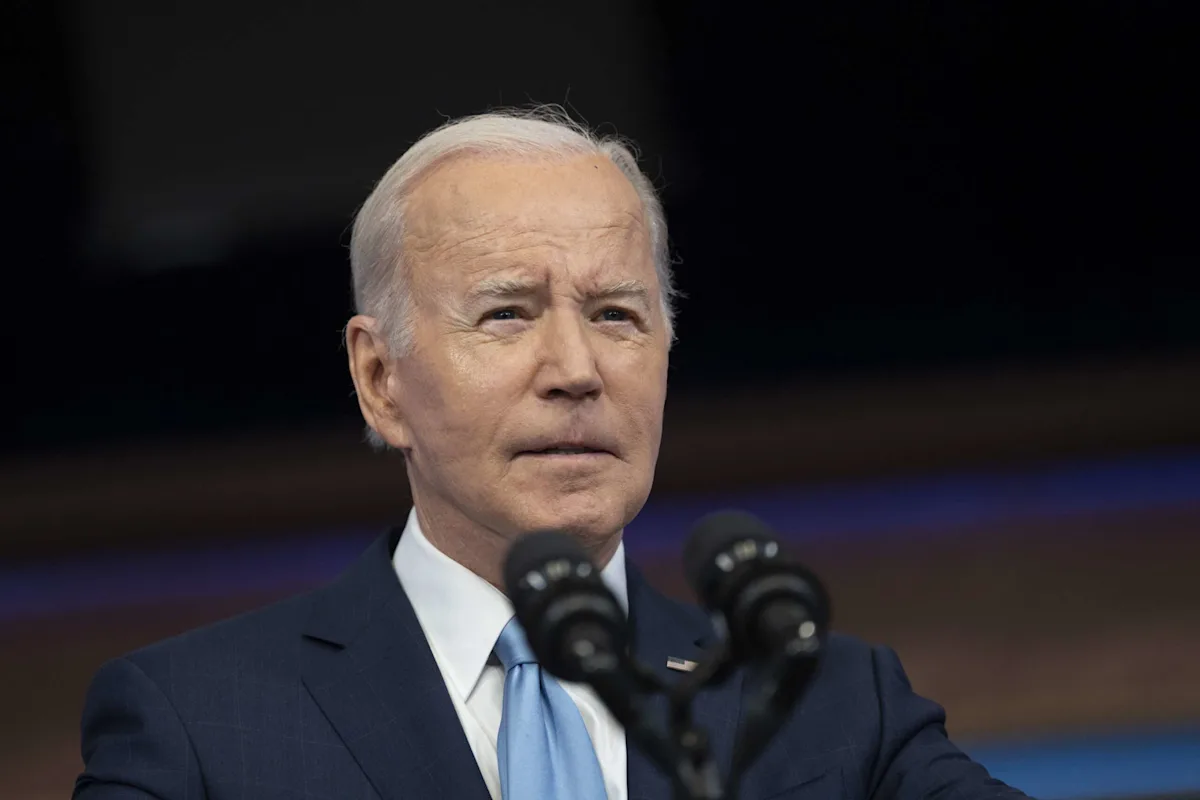
President Joe Biden has commuted the sentences of approximately 1,500 individuals who were on home confinement during the COVID-19 pandemic and pardoned 39 people convicted of nonviolent crimes, marking the largest single-day act of clemency in modern history. This move aims to address sentencing disparities and offer second chances to those who have shown remorse and rehabilitation. Biden's actions follow previous clemency measures and come amid pressure to address broader issues, including federal death row sentences and potential preemptive pardons related to investigations of former President Trump.
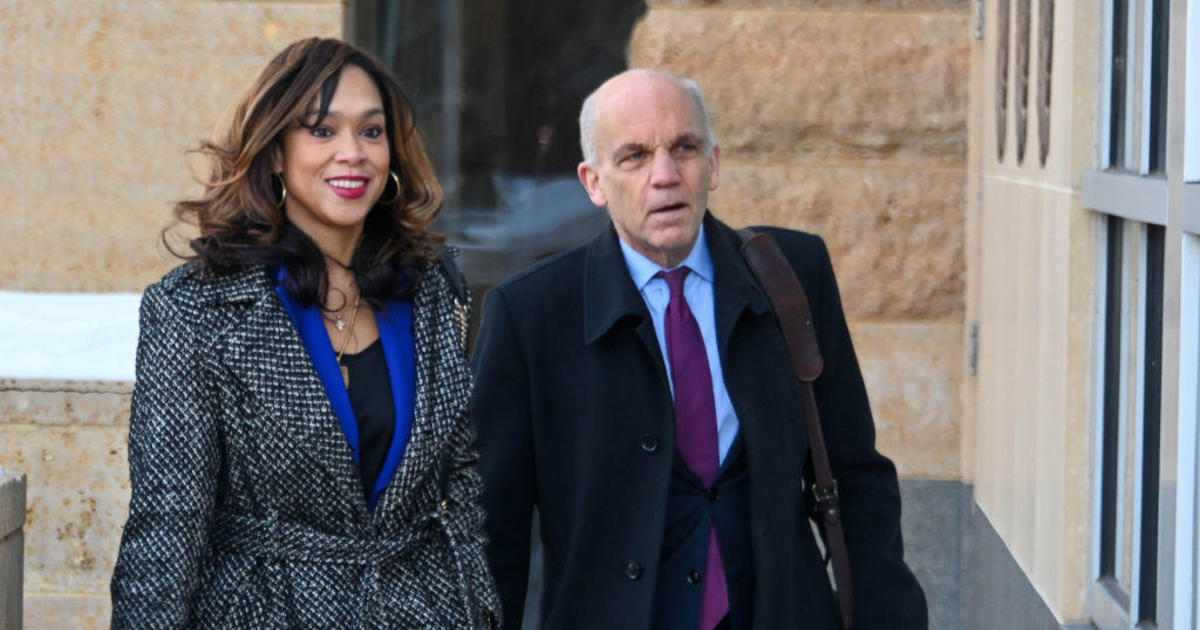
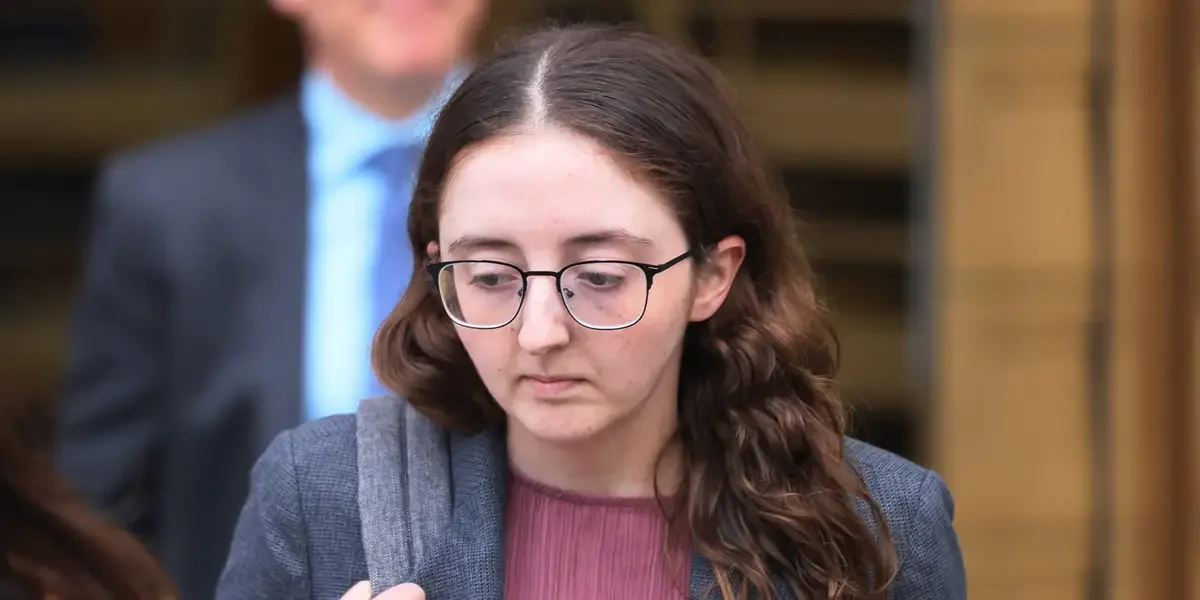
Former Baltimore City State's Attorney Marilyn Mosby was sentenced to three years of supervised release, including 12 months of home confinement, for perjury and mortgage fraud. She must also complete 100 hours of community service.
The Biden administration has threatened to veto a Republican Senate resolution that would send approximately 3,000 federal offenders back to prison after they were released to home confinement during the COVID-19 pandemic. The administration opposes the resolution, citing the low recidivism rate among those released to home confinement and the cost savings compared to incarceration. Criminal justice advocates argue that the program has been successful and it would be cruel to send people back to prison after they have thrived on the outside. The resolution is the latest development in an ongoing battle between the Biden administration, criminal justice advocacy groups, and Republicans over the continuation of the pandemic-era policy.
A former top executive at Wells Fargo, Carrie L. Tolstedt, has avoided prison time for her involvement in the bank's sham accounts scandal. Instead, she has been sentenced to six months of home confinement, three years of probation, a $100,000 fine, and 120 hours of community service. Tolstedt, who was head of retail banking at Wells Fargo, pleaded guilty to obstructing a bank examination. Prosecutors had sought a 12-month prison sentence, but the judge opted for leniency, considering Tolstedt's health issues and her "lifelong charitable works." The scandal, which came to light in 2016, led to the discovery of additional misdeeds and resulted in billions of dollars in fines for the bank.
The Biden administration is launching a new program called Family Expedited Removal Management (FERM) to track migrant families released in the US as they go through a speedy deportation process. The program will require certain heads of household to stay under home confinement and wear a GPS ankle monitor, subject to curfew in four cities. Families still have the opportunity to claim asylum and go through the asylum process if they qualify.
Michael Riley, a 25-year veteran of the Capitol Police, was sentenced to 120 days of home incarceration for obstructing justice by trying to help a Jan. 6 rioter avoid detection from law enforcement. Despite his remorse, the judge criticized Riley for his dishonesty and misrepresentations. Prosecutors had initially sought a sentence of 27 months in prison. Riley is suffering from an undisclosed autoimmune illness that requires complicated treatments, and he is permitted to leave his home for medical reasons.