
Surprising Insights into Cell Differentiation from Worm Research
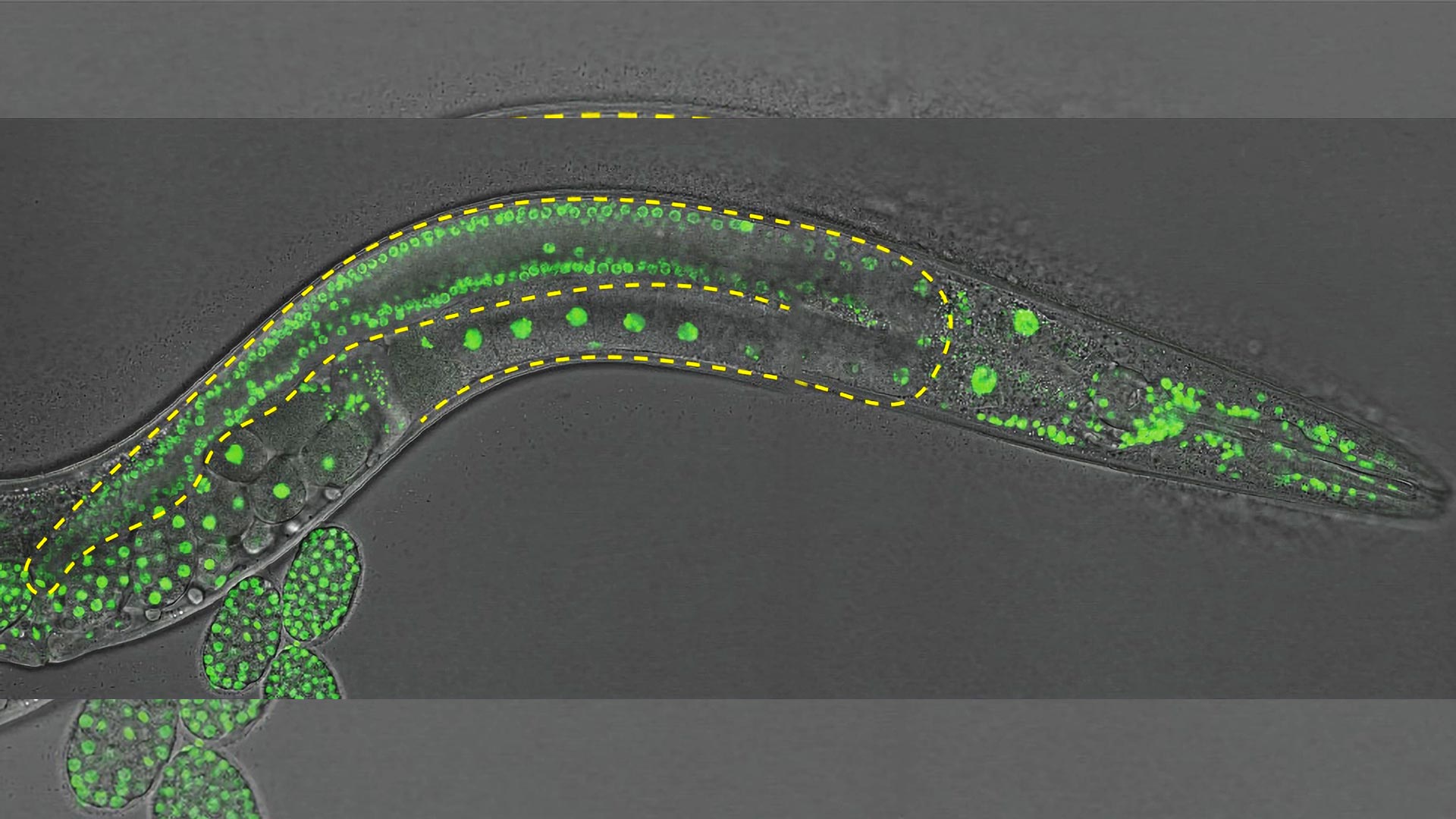
Researchers from Johns Hopkins University have discovered that histone H3, a protein in roundworm chromosomes, controls the production of specialized cells and pluripotent cells, which can differentiate into various body tissues. The study challenges the idea that hereditary information for cell differentiation is mostly contained in DNA. The research could help understand how histone H3 mutations relate to diseases, including various cancers in children and young adults. Further research is needed to determine if these findings apply to embryogenesis in humans and other animals.