A mutant strain of monkeypox with "pandemic potential" has been discovered in the Democratic Republic of Congo, specifically in the town of Kamituga. This new strain, named "clade 1b," is more infectious and better at evading tests than its predecessor, and has already resulted in 108 cases and two deaths. Researchers are calling for urgent measures to contain the virus and prevent a global outbreak, as the highly mobile population of Kamituga, including miners and sex workers, could facilitate its spread. The virus is believed to have emerged in animals and then jumped to humans, particularly affecting sex workers. The international community is urged to roll out vaccines, drugs, and heightened surveillance and contact tracing measures to address the situation.
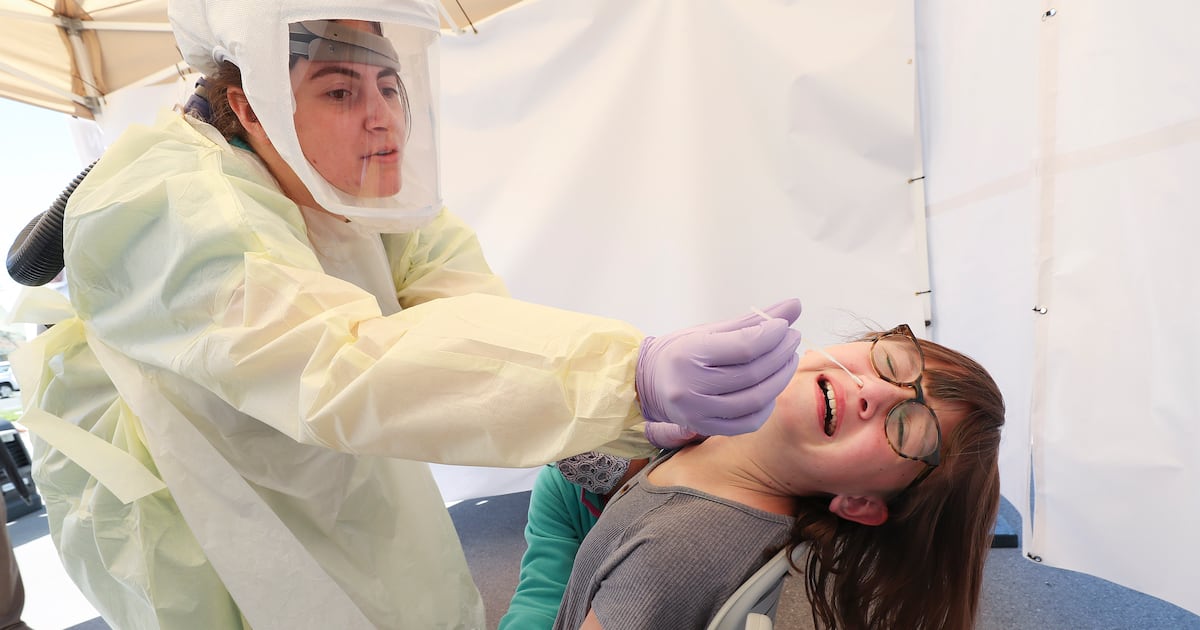
The COVID-19 pandemic, declared a global emergency by the World Health Organization on March 11, 2020, has reshaped the world in profound ways, impacting economies, business practices, and healthcare systems. The pandemic has led to changes in health care delivery, including a significant increase in telehealth usage, a shift in masking culture, and delayed screenings for conditions like cancer. Lessons learned from the pandemic include the importance of preparedness, resilience, and the vital role of science and research, as well as the recognition of mental health and the value of technology for remote work and education. Despite the challenges and losses, the pandemic has also highlighted the resilience and adaptability of individuals and communities.
As the 4-year anniversary of the WHO declaring COVID-19 a pandemic approaches, the U.S. has seen over 6 million hospitalizations and 1.18 million deaths. Weekly hospital admissions have decreased, but deaths and long COVID cases persist. Vaccination rates remain lower than expected, and over 9,600 children have developed MIS-C. Millions of Americans continue to battle long COVID symptoms, highlighting the ongoing impact of the pandemic.
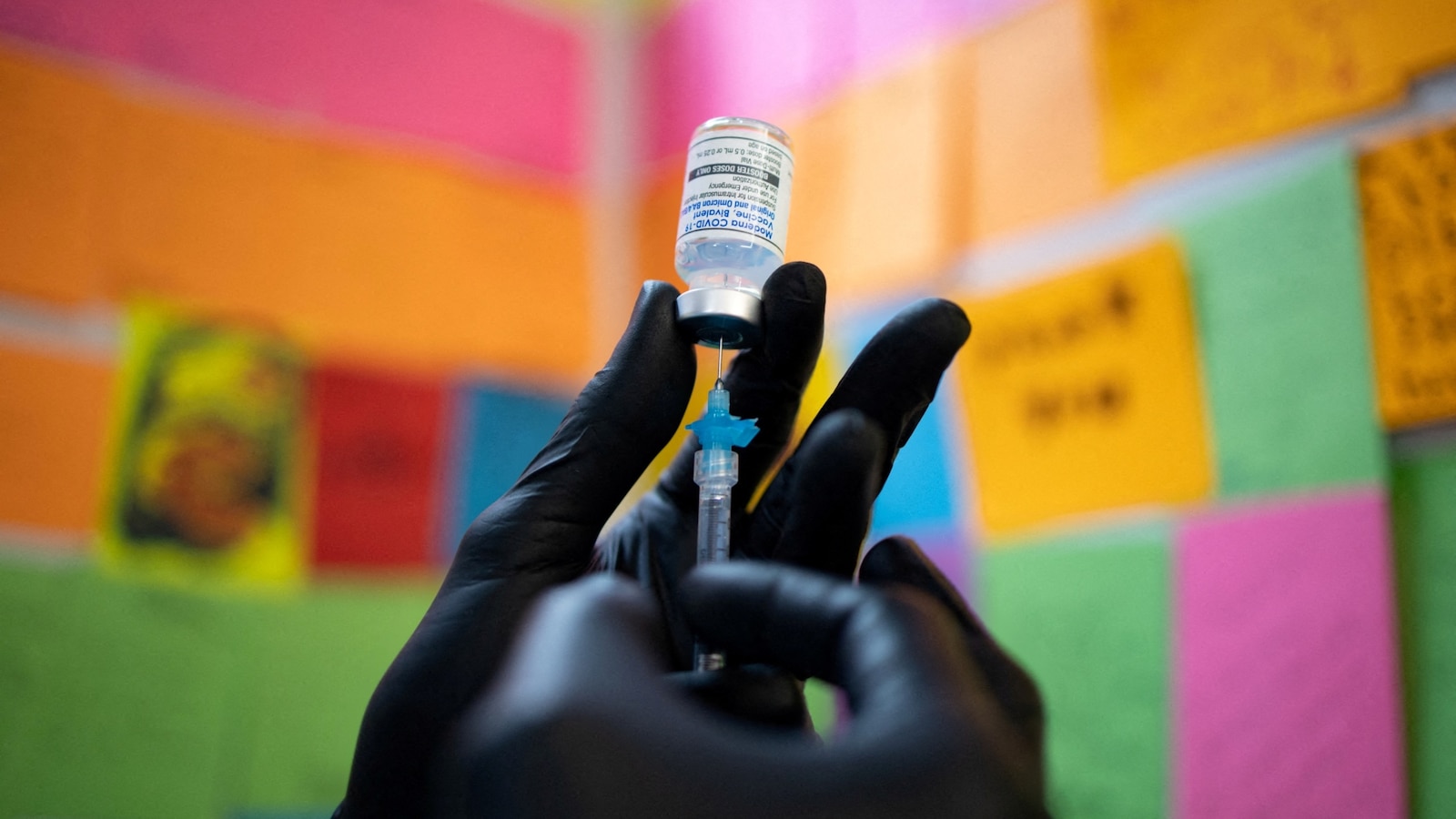
The COVID-19 pandemic timeline spans over four years, from the first cases in Wuhan, China, to the development of vaccines, antiviral drugs, and at-home tests. Major milestones include the WHO declaring COVID-19 a pandemic in March 2020, the development and distribution of vaccines, and the authorization of booster doses for different age groups. The timeline also includes key events such as the FDA authorizing antiviral drugs, updates on travel restrictions, and the eventual downgrading of COVID-19 from a Public Health Emergency of International Concern by the WHO.
Data analyst Greg Travis has been meticulously documenting the impact of the COVID-19 pandemic in the US, revealing a significant rise in excess deaths across various age groups. His analysis, based on death certificate reports, challenges the narrative that COVID primarily affects the elderly, showing a steady rise in excess deaths among children and young working adults. Travis criticizes public health officials for downplaying the severity of the pandemic and emphasizes the need for infection control measures to reduce the transmission of airborne pathogens. His work serves as critical evidence of the devastating toll of the pandemic and the failure of public health agencies to prioritize the well-being of the working class.