Linux 6.19 introduces significant driver updates to enhance support for laptops and gaming handhelds, including new drivers for Uniwill laptops, support for ASUS ROG, Lenovo Legion, and Ayaneo devices, along with features like rapid charging and power management improvements.
AMD is developing new 'Max' CPUs, such as the Ryzen AI Max+ series, which could challenge low-end GPUs by offering integrated graphics capable of high-performance gaming, potentially replacing or supplementing traditional GPUs in budget-friendly gaming devices and handheld PCs.
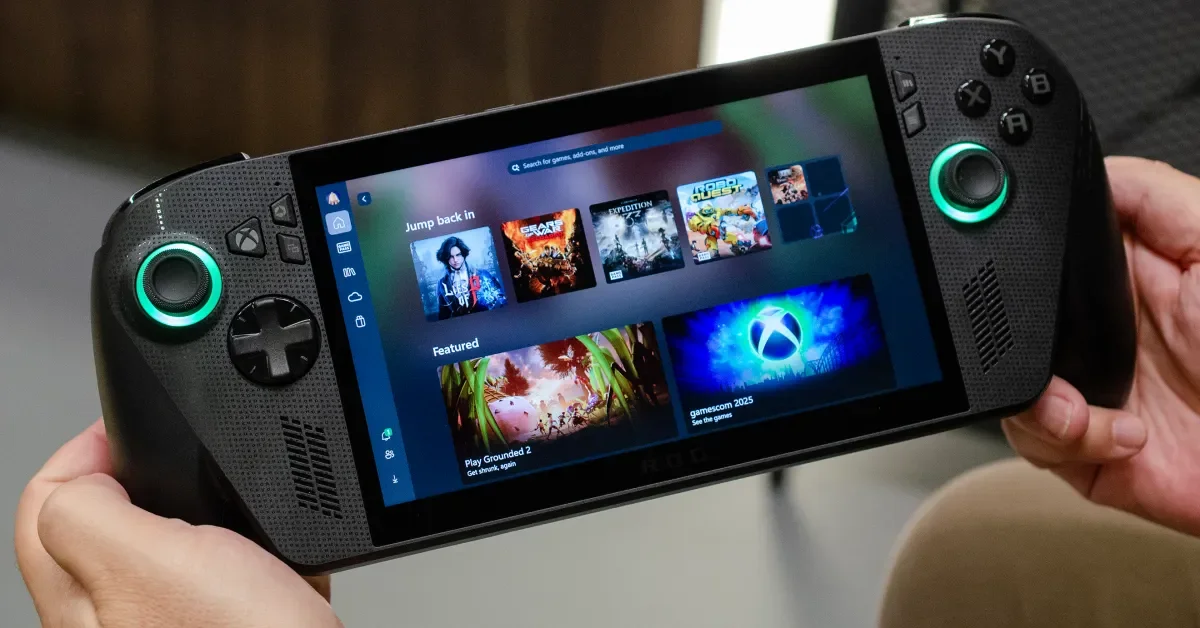
Microsoft's Xbox Ally handheld devices mark a significant step towards integrating Windows gaming into a dedicated Xbox interface, with a full-screen Xbox experience that hides the Windows OS, driven by the Game Bar, offering a streamlined gaming interface similar to Xbox consoles.
Microsoft is expanding the Xbox brand beyond traditional consoles to include a variety of devices like phones, laptops, VR headsets, and handheld gaming PCs, aiming to redefine it as a broad gaming platform. However, there is confusion about the new Xbox handheld devices, which do not natively run Xbox games but instead stream from the cloud, raising questions about user experience and brand perception.
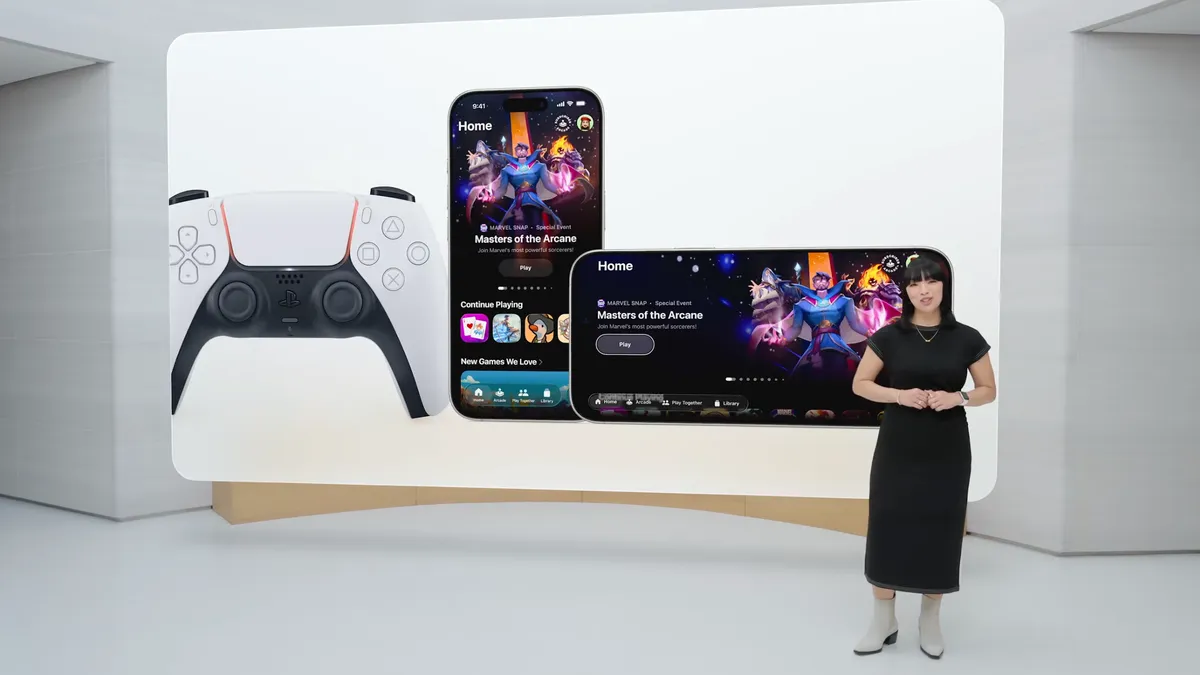
At WWDC 2025, Apple launched a new Games app to enhance gaming on iPhone, iPad, and Mac, while Microsoft introduced the ROG Xbox Ally handheld, both strategies expanding gaming options for users. Apple focuses on integrating a personalized game library and easier online play, leveraging its large mobile user base, whereas Microsoft emphasizes powerful, console-like handheld devices with integrated controllers and PC-like capabilities. Both approaches benefit gamers by offering more choices, with Apple targeting casual and mobile gamers and Microsoft appealing to traditional gamers seeking high performance and versatility. The success of these initiatives depends on developer support and user adoption, with releases expected later in the year.
Valve is hinting at a potential revival of Steam Machines with new "Powered by SteamOS" branding, suggesting official SteamOS compatibility for third-party hardware. Valve's Lawrence Yang has expressed interest in expanding SteamOS to more handheld devices, and recent updates indicate progress towards this goal. The improved compatibility and performance of modern SteamOS, especially with the success of the Steam Deck, make it a viable alternative to Windows for gaming hardware manufacturers.
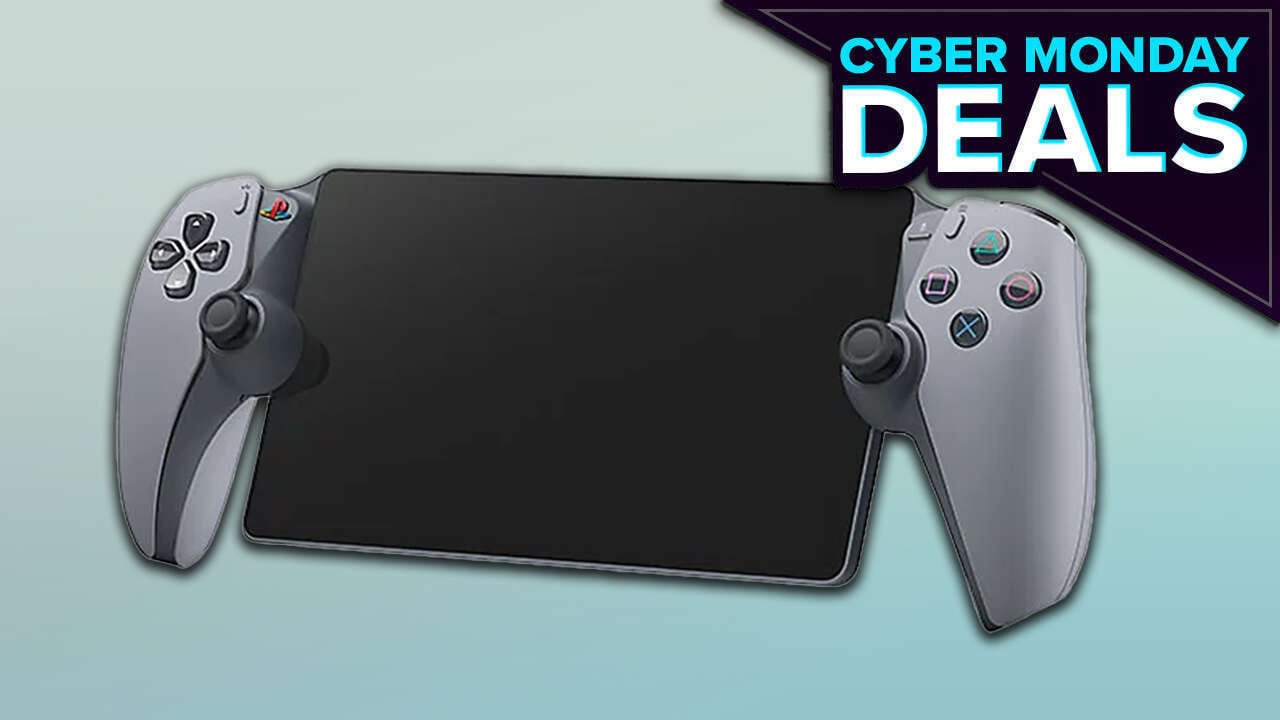
The 30th Anniversary PlayStation Portal handheld device has been restocked for Cyber Monday and is available for $220 through PlayStation Direct. This device streams gameplay from the PS5 over Wi-Fi and features a design reminiscent of the original PlayStation. Stocks are limited, and additional accessories will be available in December. Other PlayStation deals include discounts on PS5 Slim consoles and DualSense controllers.
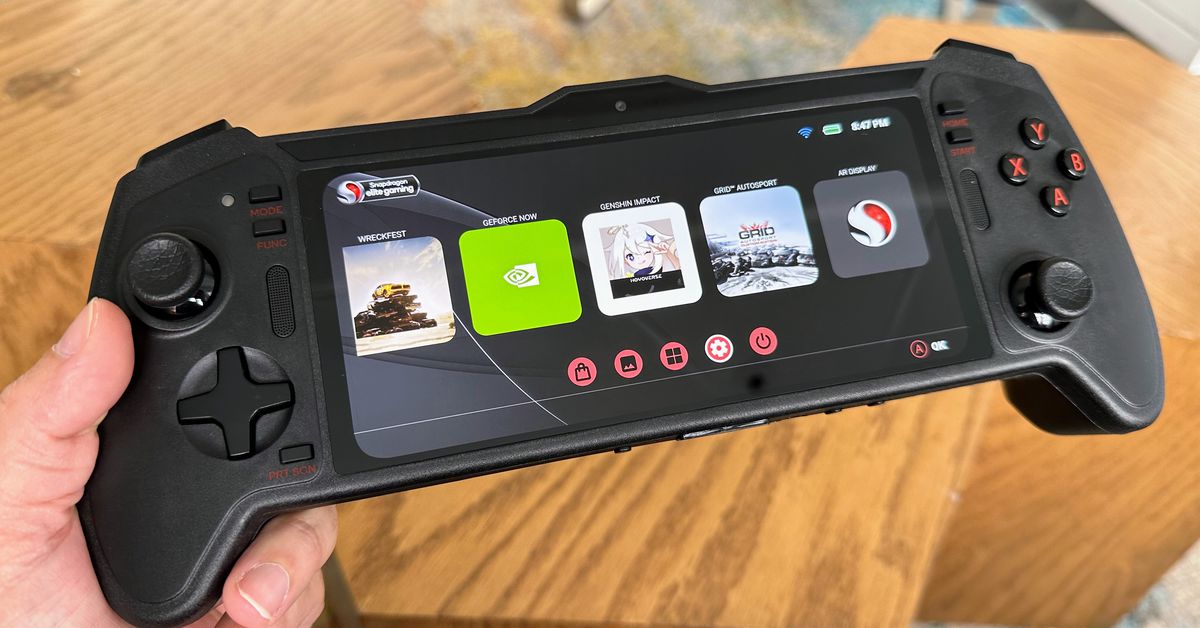
Qualcomm has announced its new "Snapdragon G Series handheld gaming portfolio" consisting of three tiers of chips designed for gaming. The Snapdragon G1 is aimed at game-streaming handhelds with over 10 hours of battery life on Wi-Fi, the Snapdragon G2 is for "full-featured mobile and cloud gaming" with 5G capabilities, and the Snapdragon G3x Gen 2 is focused on performance for PC gaming handhelds. Qualcomm's chip offers improved GPU and CPU performance, and the company is also exploring compatibility with operating systems beyond Android and Windows. The chips may be of interest to console makers as well, and Qualcomm is reportedly working with Sony to integrate its games into the handheld ecosystem. The Snapdragon G3x Gen 2 reference design runs on Android but faces challenges due to the limited number of games that take advantage of higher-end chips. Qualcomm aims to offer the G1 tier at a price point of $200 or less.
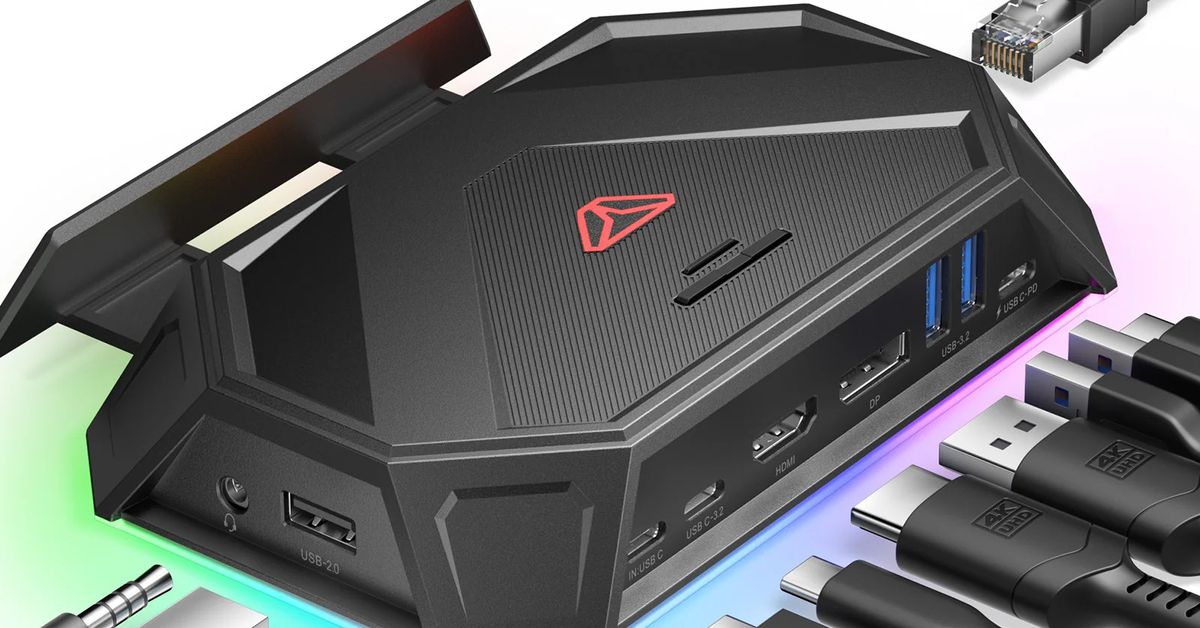
Jsaux has unveiled its latest RGB dock, which is compatible with various handheld devices including the Steam Deck, ROG Ally, Ayaneo, OneXPlayer, Ayn, Razer and Logitech cloud devices, and USB-C tablets. Priced at $89.99, the HB1201 dock offers dual-monitor support with up to 4K120 resolution, 100W USB-C PD charging, SD card readers, USB ports, and more. The dock can be controlled using OpenRGB and features RGB gamer lights. However, it has some limitations such as limited power output for USB-A ports and SD card slots, and it is not compatible with the Nintendo Switch. Jsaux is also launching an RGB transparent back plate for the Steam Deck, featuring RGB LEDs, silicone grips, and improved ventilation. Both peripherals will be available in July.
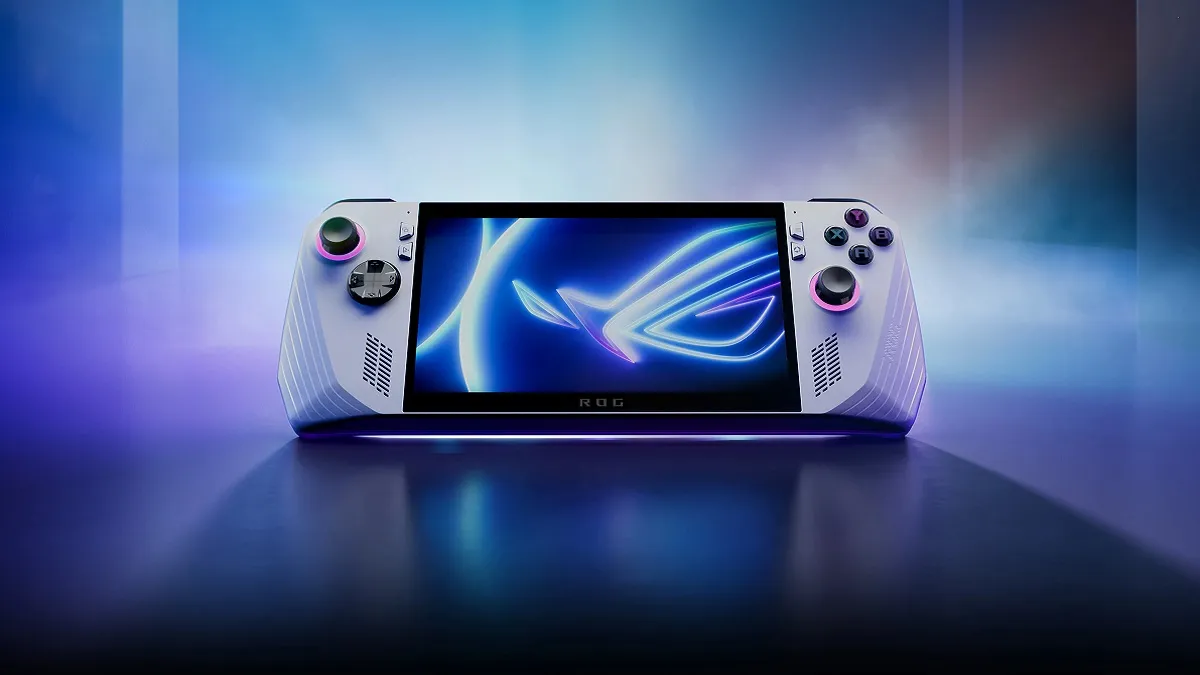
The ASUS ROG Ally handheld, which offers competition to Valve's Steam Deck, is now available. The Ally features a newer Zen 4 processor and RDNA 3 graphics, as well as running Windows 11, which may make it better in terms of game compatibility. However, it only comes in one model with 512 GB of storage and is slightly more expensive than the Steam Deck. It remains to be seen how Valve will respond to this new competitor in the handheld PC gaming market.