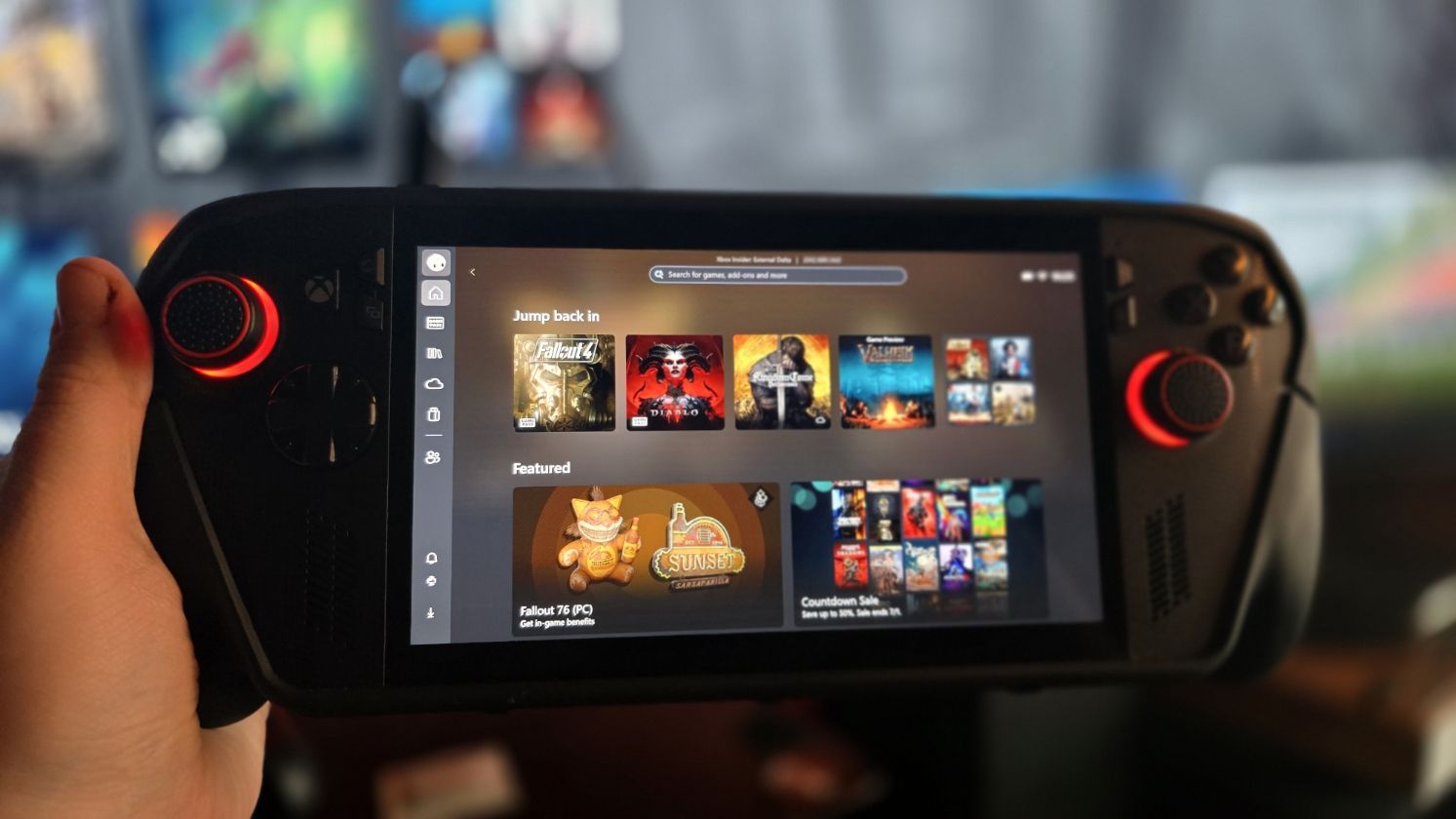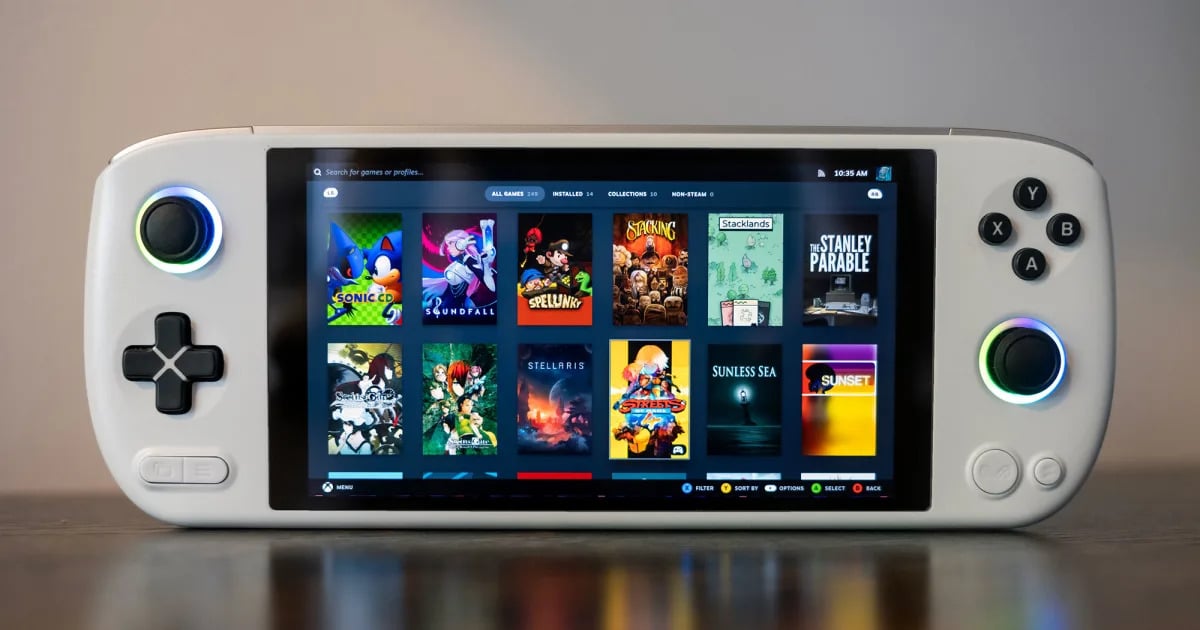
The article provides a comprehensive starter guide for the Xbox Ally handheld gaming device, emphasizing the importance of updating all software, understanding button functions, enabling offline permissions, adjusting operating modes for optimal performance, activating Battery Care mode, installing useful apps, and considering accessories to enhance the gaming experience.
Valve has discontinued the entry-level 7-inch LCD Steam Deck model, likely due to sales cannibalization by the newer OLED version and ongoing supply chain issues, leading to increased prices for handheld PCs and raising concerns about the affordability and availability of future gaming hardware.
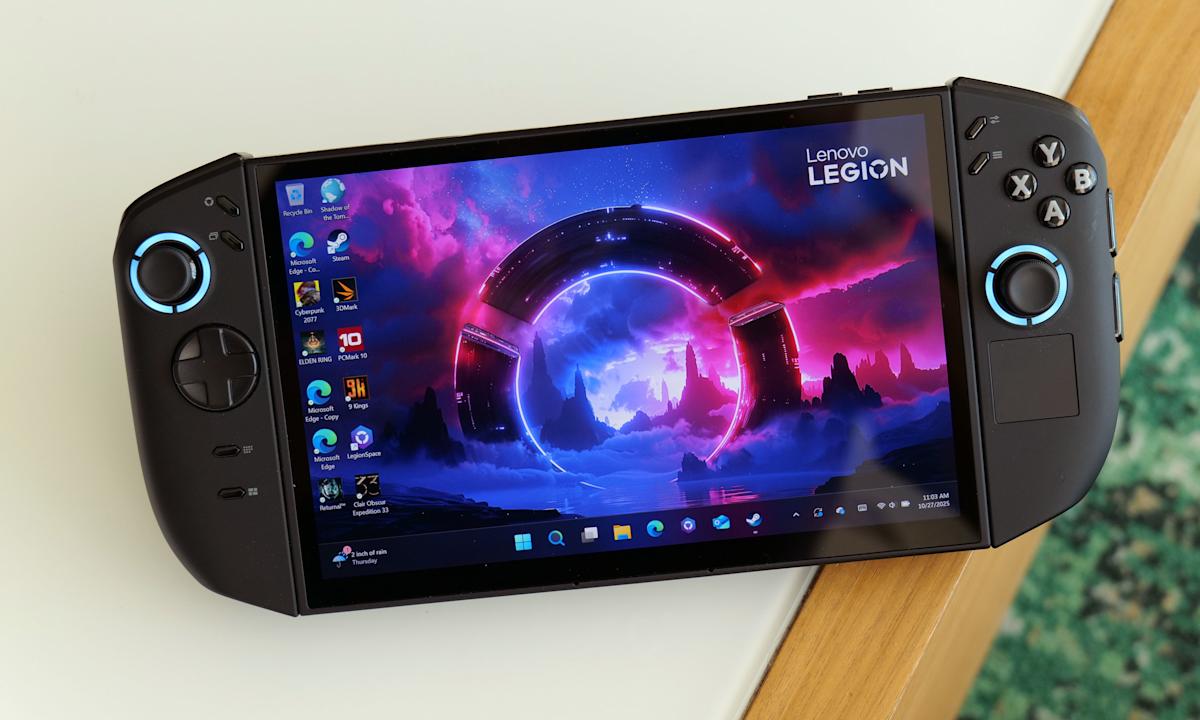
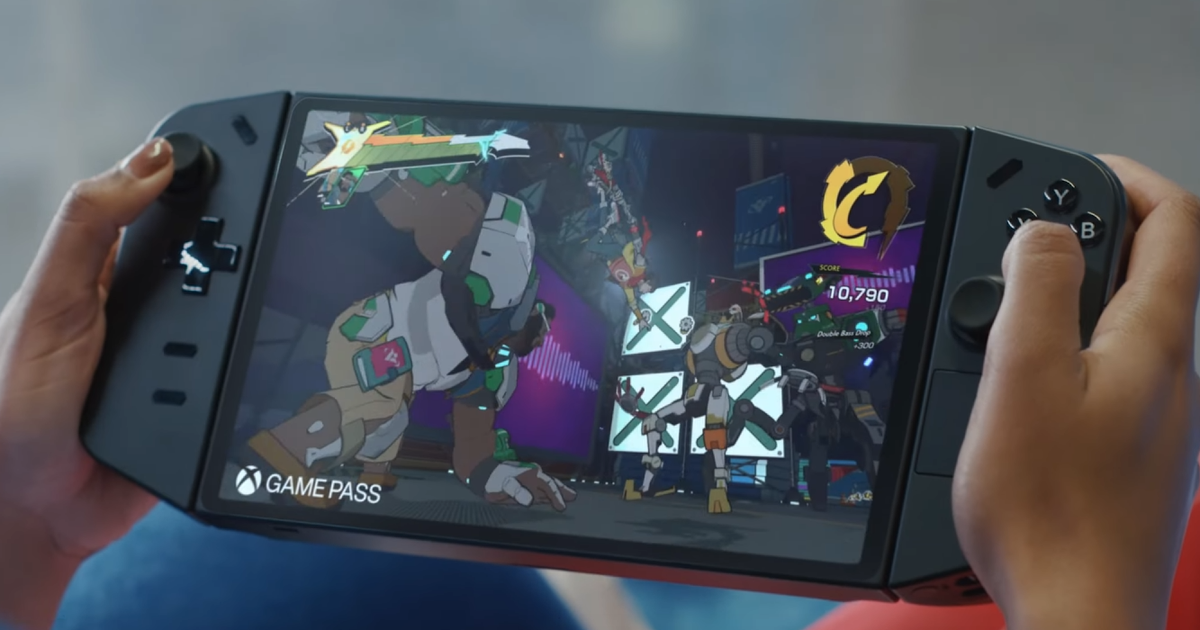
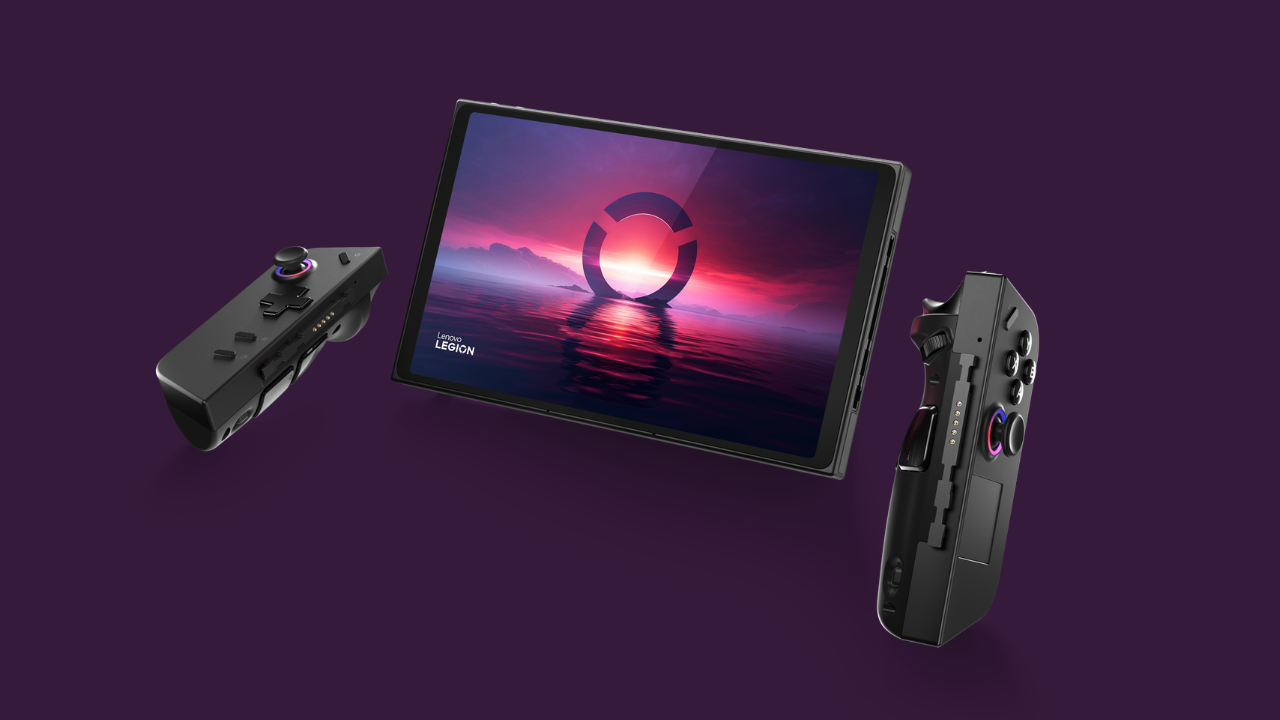
The Lenovo Legion Go 2 is a high-end, versatile gaming handheld with a large 8.8-inch OLED display, detachable controllers, and strong performance, but it comes at a hefty price and is quite bulky, making it more suitable for enthusiasts seeking a flagship portable PC with extensive features.
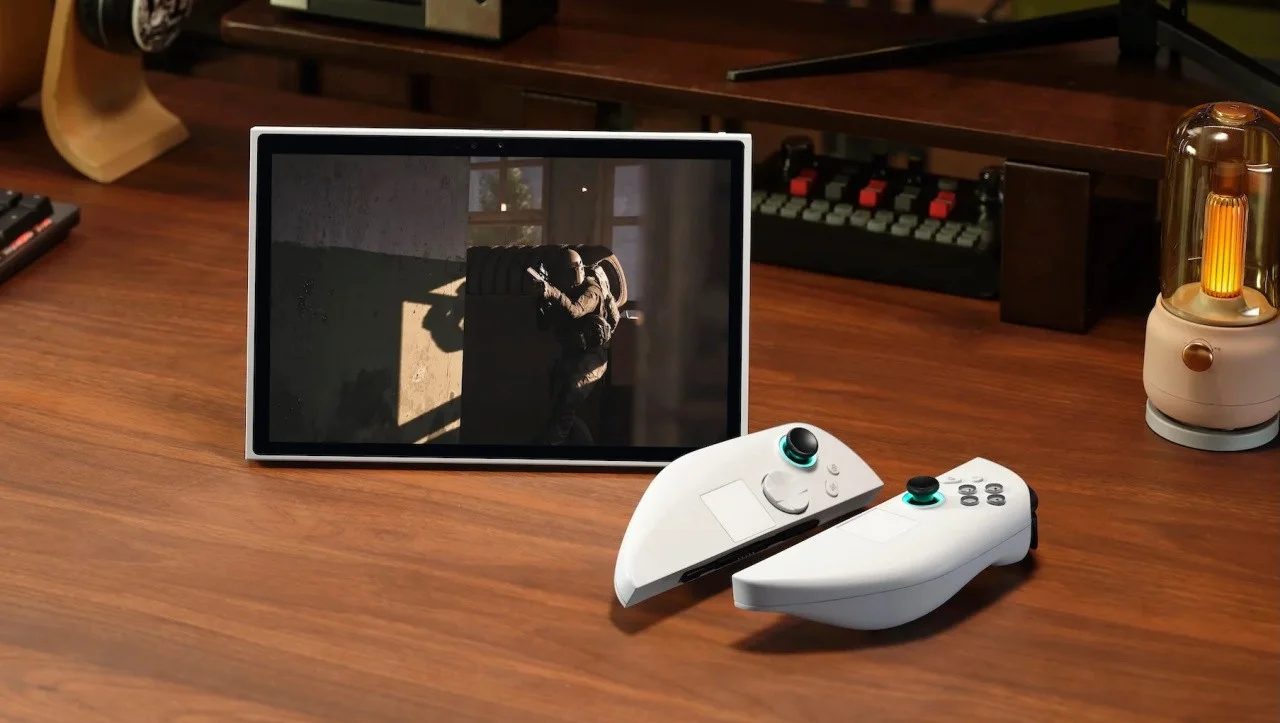
Abxylute is releasing the Abxylute 3D One, a $1,700 handheld PC with glasses-free 3D technology based on eye-tracking, capable of playing top Steam games in 3D and promoting its emulation capabilities by featuring Nintendo games like Mario and Fire Emblem, despite these titles not being officially available on PC. The device is set to launch in late September.
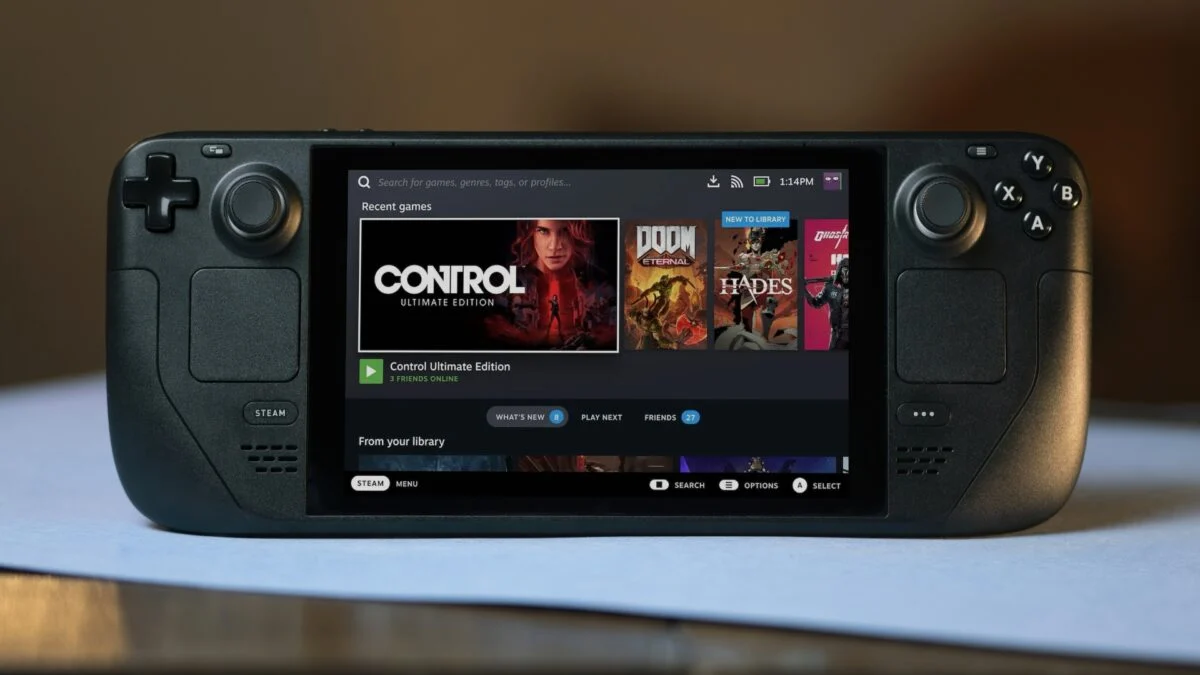
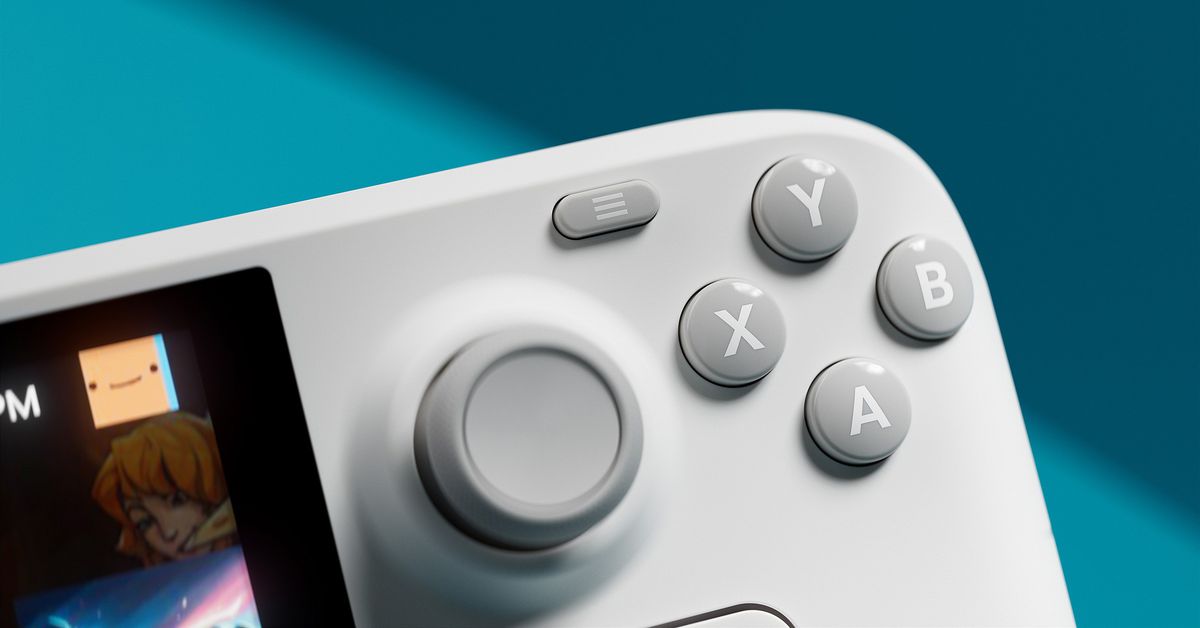
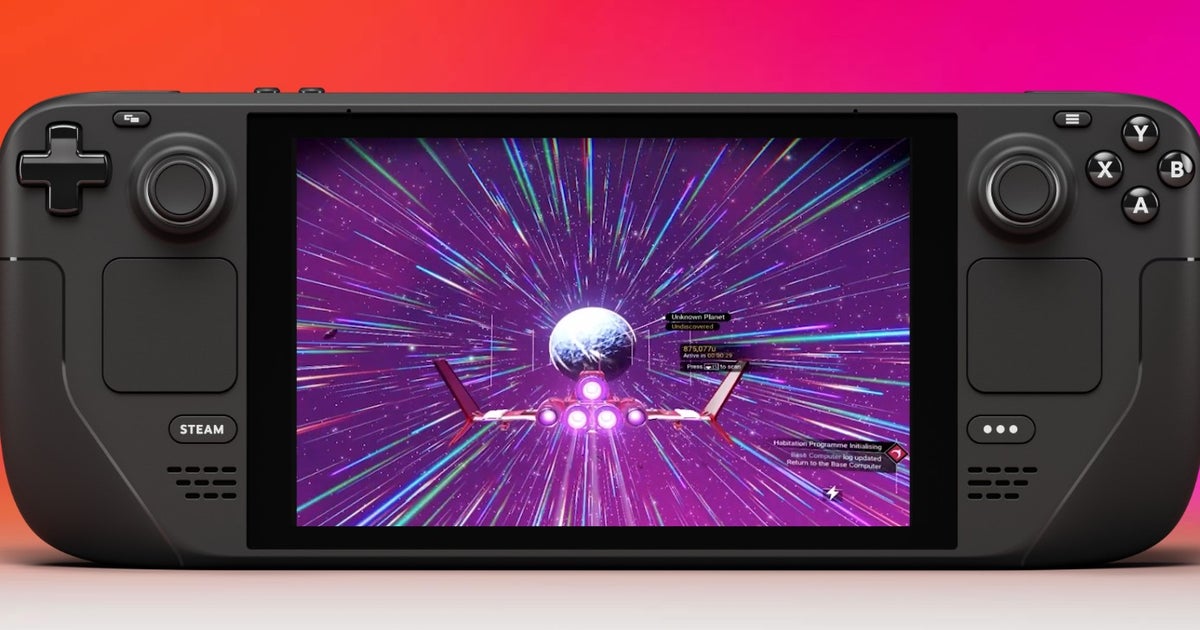
Valve has released a limited-edition white version of the Steam Deck, available for $679 starting November 18th. This model, called the Steam Deck OLED: Limited Edition White, features the same specifications as the 1TB OLED model but comes with a white color scheme, an exclusive carrying case, and a microfiber cleaning cloth. The price reflects a $30 premium for the color. Once sold out, Valve will not produce more units. The release is available in all regions where the Steam Deck is sold.
The Asus ROG Ally X, a refreshed version of last year's ROG Ally handheld PC, is set to feature a significant 80Whr battery upgrade, doubling the original's capacity. Other improvements include a RAM upgrade to 24GB of LPDDR5, a relocated microSD card slot to prevent overheating, and support for M.2 2280 SSDs. The device will be slightly larger and heavier but aims to address battery life issues while maintaining its performance and display quality. Official specs and pricing are expected to be confirmed at Computex on June 2nd.
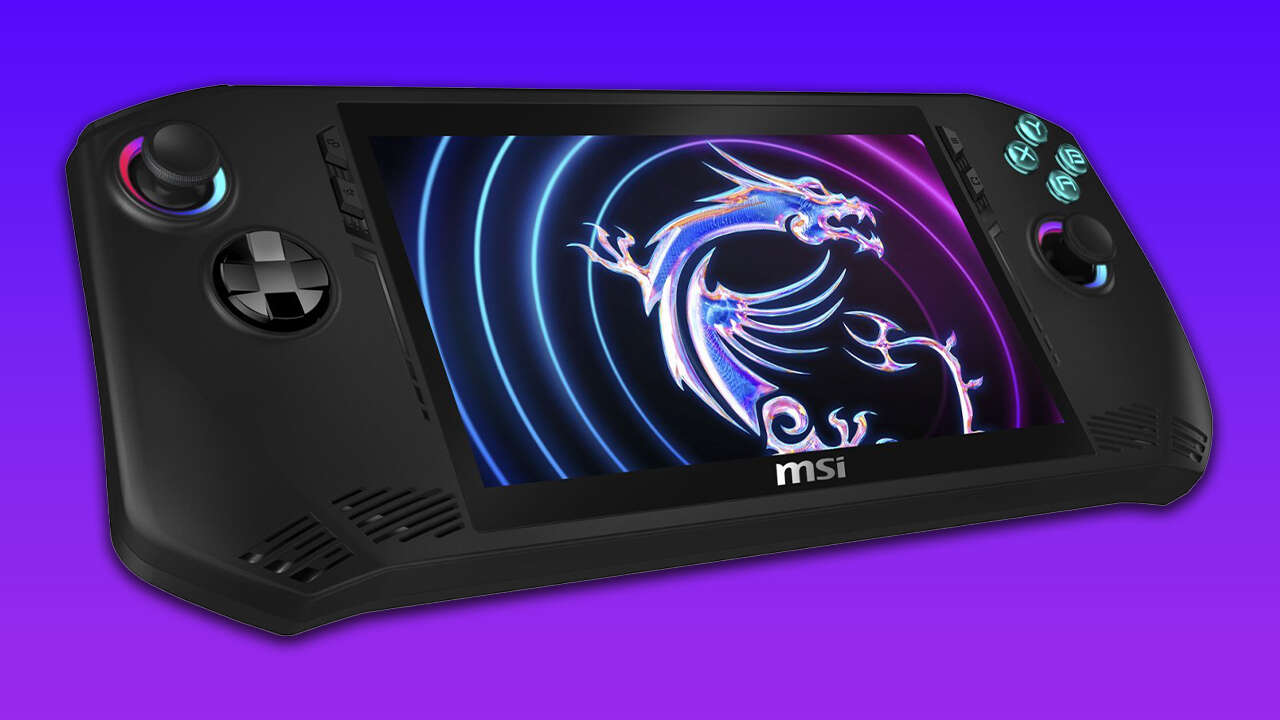
The MSI Claw, a new handheld Windows gaming PC with Intel-based hardware, is available for preorder at Best Buy and Newegg, starting at $700. It comes in three models, all featuring an Intel Arc Graphics chip with 8 Xe-cores, 16GB of DDR5 RAM, and a seven-inch LED IPS touchscreen with 1080p resolution. The handheld is set to ship by April 4, with an exclusive preorder bundle available at Newegg. The device features Hall Effect joysticks and trigger buttons, a circular D-pad, and eight face buttons, with a 53Wh battery lasting roughly two hours during intensive gaming.
A Reddit user discovered that placing Valve's Steam Deck on a hot stovetop can cause it to overheat and sustain damage, particularly to the rear-right bumpers. Despite seeking help from Steam Deck Support, the user was informed that repairs would be more expensive than purchasing a new device. The incident raises questions about the device's design and warranty coverage, emphasizing the importance of avoiding unconventional uses for the Steam Deck.
Lenovo has announced the Legion Go, a handheld gaming PC powered by Windows 11. Weighing 854g and featuring an 8.8-inch display, the Legion Go comes with detachable Nintendo Switch-style controllers. It offers a larger battery and higher specs compared to its competitors, with a 16:10 screen running at 2560x1660 resolution and up to a 144Hz refresh rate. The Legion Go is set to launch on October 31st, priced at £699 / $699. However, concerns have been raised about the performance of the AMD Ryzen Z1 Extreme APU, which may struggle to run games at the full resolution and frame rate. The detachable controllers require a flat surface for use, potentially limiting its portability compared to other handheld PCs.
Lenovo has unveiled the Legion Go, a handheld device that combines features of the Nintendo Switch and Valve's Steam Deck. The Legion Go features a detachable gamepad called the Legion TrueStrike, a kickstand, and an 8.8-inch QHD+ IPS touchscreen display. It is equipped with an AMD Ryzen Z1 Extreme CPU, RDNA graphics, and Windows 11 as the operating system. Notably, the Legion Go offers an FPS mode that allows users to detach the controllers and use the kickstand for more precise aiming and control. The device will be available in October starting at $699.
Ayaneo's Air Plus is the latest entry in the handheld PC gaming market, offering a smaller and more portable form factor than its predecessor, the Ayaneo 2. The Air Plus comes with a choice of AMD or Intel chipsets and a larger battery, but also a higher price tag starting at $790. While the device runs on vanilla Windows, the Ayaspace launcher provides a console-like experience, though navigating Windows can still be clunky. The Air Plus offers generally higher performance than the Steam Deck, but at a higher cost.
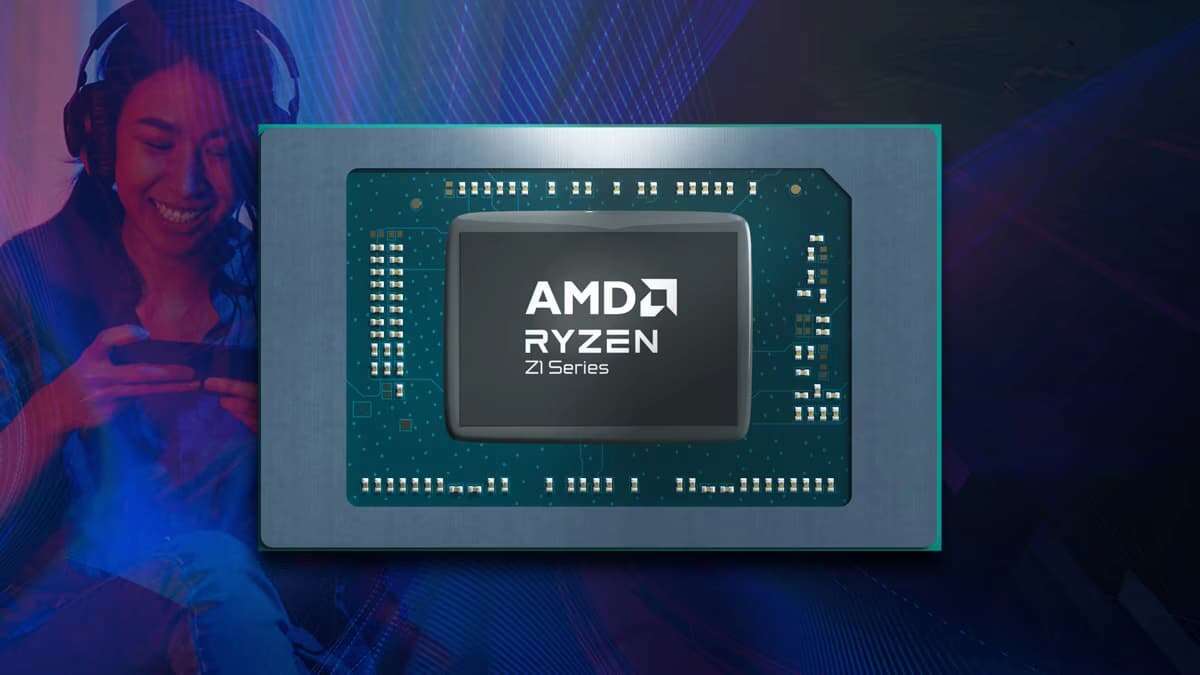
AMD has announced new Ryzen Z1 processors, designed to power portable PC devices, including the Asus ROG Ally. The Z1 series includes two processors: the Z1 and the Z1 Extreme, offering increased power and battery life due to the efficiency of Zen 4 architecture. The processors will also allow for seamless connection to gaming libraries and access to PC games through Xbox Game Pass Ultimate. The Asus ROG Ally will be announced on May 11.
Asus has revealed more details about its ROG Ally handheld gaming PC, which will be launched on May 11th. The device is powered by a custom Ryzen Z1 chipset, has a seven-inch 1080p 120Hz touch screen, and runs on Windows 11. It is expected to be a more premium device than Valve's Steam Deck, but no price has been announced yet. The device comes with 16GB of LPDDR5 RAM, up to 512GB PCIe 4.0 SSD, and UHS-2 Micro SD card expansion. It also has Wi-Fi 6E, twin fans, and additional paddles on the back of the device.
Valve is reducing the size of Steam Deck's shader cache files by approximately 60% through an update to the Mesa graphics driver. This will free up more space for games on the handheld PC, which has limited internal SSD memory. However, the reduction in file size may not apply to all games, as it won't change the size of transcoded video depots marked as "shader pre-caching" in the UI.
Asus is developing its first gaming handheld PC, the ROG Ally, to compete with Valve's Steam Deck. The Ally runs on Windows 11 and has a customized APU developed by Asus and AMD to optimize gameplay performance on the go. It also has dual fans to keep the handheld cool while running graphically demanding games quietly. The Ally has a 7-inch screen with a resolution of 1080p and a display performance of up to 120Hz. Pre-orders for the ROG Ally are not yet available.