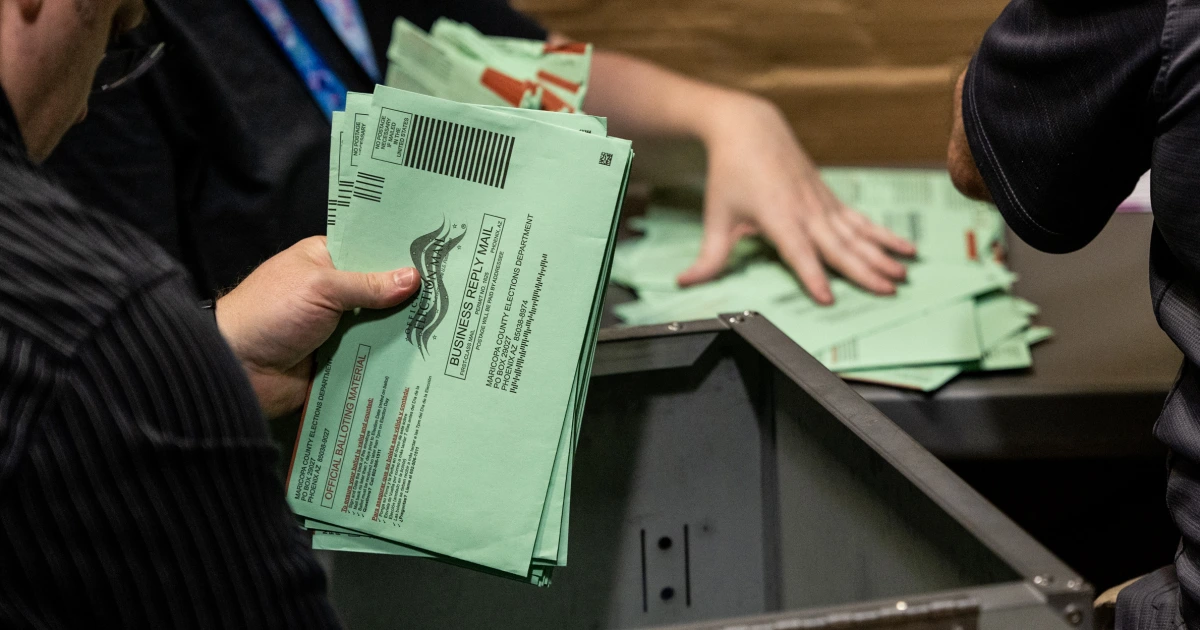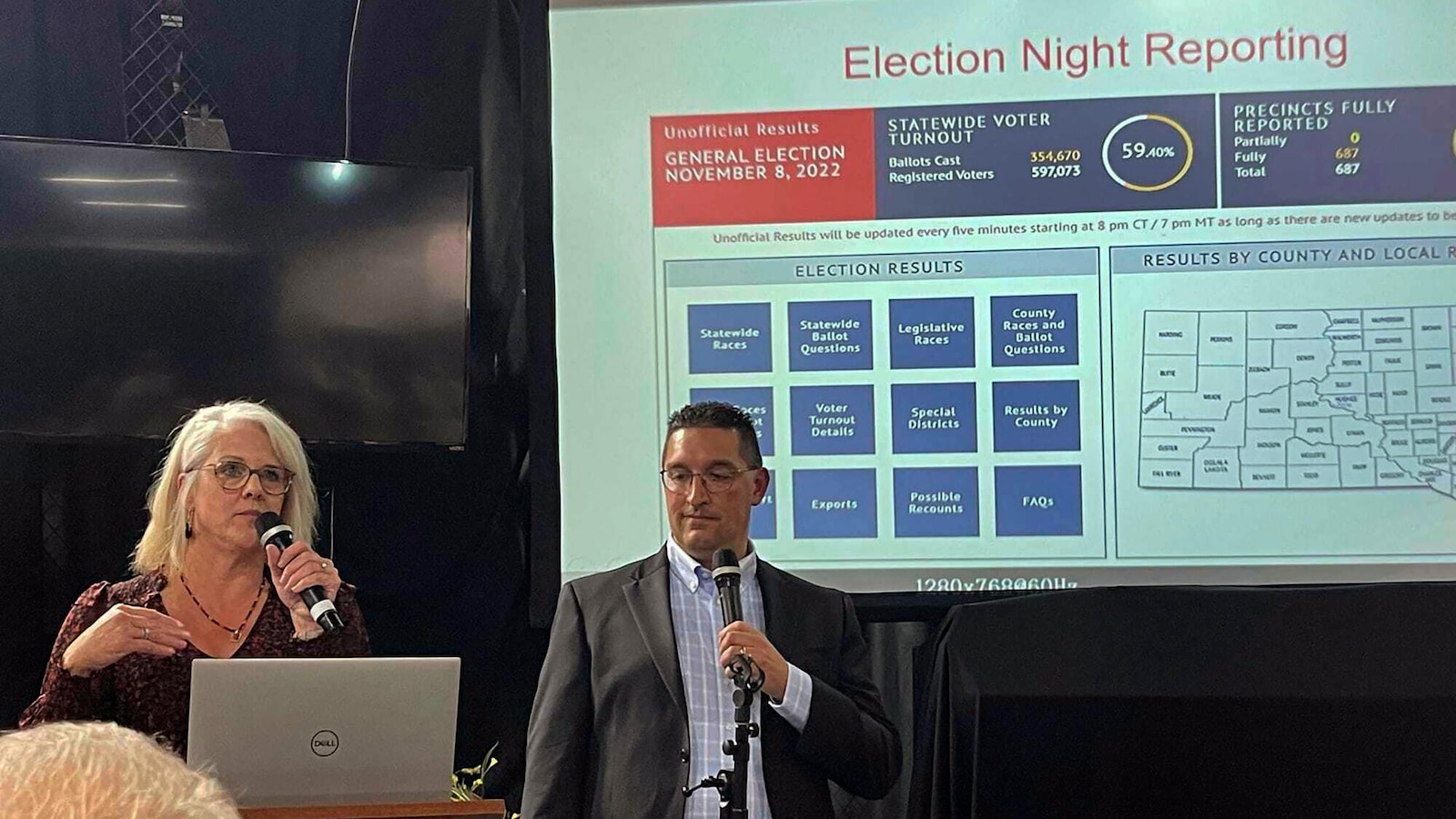
Three rural South Dakota counties will vote on whether to count ballots by hand, driven by unfounded conspiracy theories from the 2020 presidential election. Despite concerns over cost, accuracy, and staffing, supporters believe hand counting ensures more secure and transparent elections. Election officials and experts argue that machine tabulation is more efficient and accurate.
California lawmakers have passed legislation, AB 969, that would require most elections in the state to use state-approved machines for ballot counting, in response to a right-wing attempt in Shasta County to hand-count future elections. The bill awaits the governor's signature and would only allow hand-counting in certain circumstances, such as natural disasters or emergencies. Shasta County's decision to cancel its contract with Dominion Voting Systems and move to hand-count ballots based on unproven claims of election fraud led to the county being unable to conduct elections for months. County officials have criticized hand-counting as more expensive, time-consuming, and less accurate than using machines.
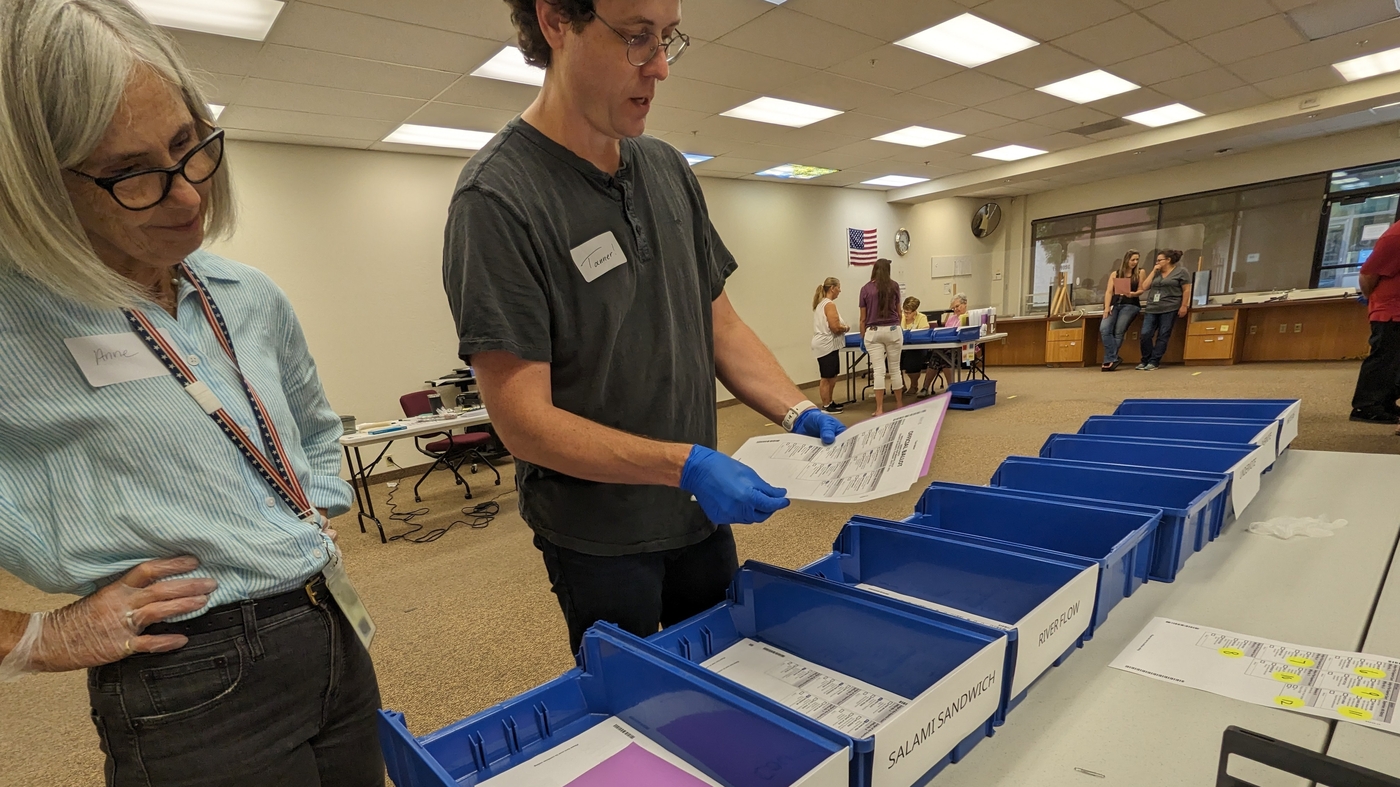
Mohave County in Arizona has decided against hand-counting its ballots in the upcoming elections due to the high cost and inaccuracies associated with the process. The all-Republican Board of Supervisors voted against forgoing ballot counting machines after a test run revealed counting errors and logistical challenges. Some conservatives, including allies of former President Donald Trump, have advocated for hand-counting as a way to ensure election accuracy, but Mohave County's experience shows that it is expensive, impractical, and prone to errors. The county's test run involved 850 test ballots and resulted in counting errors in 46 races. Hand-counting all the ballots would require hiring hundreds of people and would take weeks to complete. The total cost for hand-counting was estimated at over a million dollars.